15 Unique Brown Couch Living Room Ideas You’ll Love Immediately

A brown couch is one of those pieces that quietly holds a living room together. It’s easy to style once you know how to build the space around it.
I’ve seen how the right colors, textures, and décor choices can completely change the way a brown sofa looks in a room.
If you’re trying to refresh your space or start from scratch, these brown couch ideas will help you style it in a way that looks balanced.
This post compiles a number of brown couch living room ideas you would want to try out.
Ways To Style A Living Room With A Brown Couch
Warm Rustic Living Room
A brown couch works naturally in a rustic living room where wood and earthy textures take center stage.
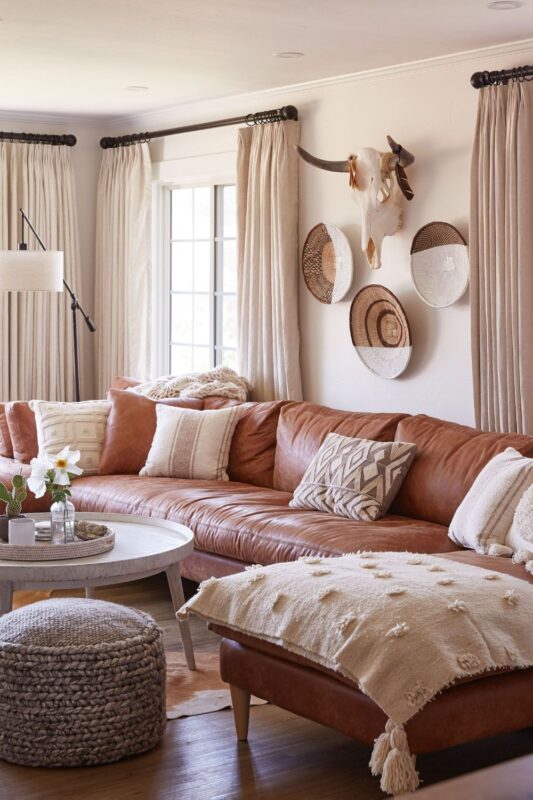
The rich tone of the sofa blends easily with wooden beams, reclaimed furniture, and natural finishes.
When these elements appear together, the room carries a grounded look that reminds people of countryside homes and cabins.
Start with a sturdy wooden coffee table placed in front of the couch. Pieces made from reclaimed wood or thick planks add character and history to the room.
Surrounding furniture can follow the same direction with wood side tables, woven baskets, and iron light fixtures that echo traditional craftsmanship.
Layering textiles helps soften the space. A woven rug placed beneath the seating area breaks up the harder surfaces created by wood and stone.
Throw blankets with heavier textures add depth without making the space appear overly decorated.
Wall décor can stay understated. Framed landscape artwork, vintage clocks, or wooden shelves work well in this type of living room.
The brown couch anchors the space while the natural materials around it strengthen the rustic atmosphere.
Neutral Modern Living Room
A brown couch can also anchor a modern living room that relies on calm neutral tones.
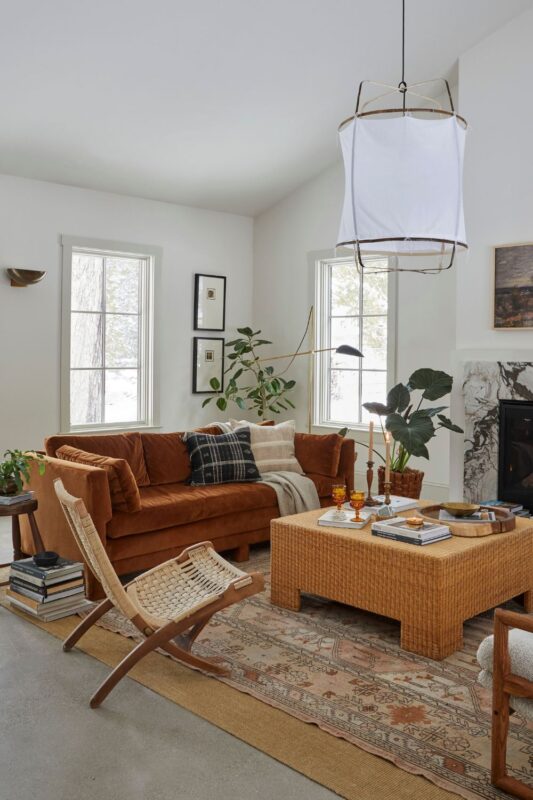
In this setup, the sofa introduces warmth to a space that might otherwise look too minimal. The darker shade balances pale walls and light flooring.
Start by keeping the surrounding palette soft. Cream walls, light beige rugs, and pale wood furniture help create a clean foundation.
When these tones surround the couch, the seating becomes a clear focal point.
Furniture should follow a streamlined design. Low-profile coffee tables, slim floor lamps, and simple shelving units maintain the modern character of the room. Clean lines allow the sofa to stand out naturally.
Texture becomes important in a neutral space. A thick wool rug or boucle chair adds depth. Linen curtains also soften the room and filter daylight in a subtle way.
Artwork can stay minimal. One large framed print above the couch often works better than several smaller pieces. This layout keeps the living room uncluttered while allowing the brown couch to anchor the entire space.
Industrial Loft Style
Industrial interiors rely on raw materials, and a brown couch fits easily into that environment.
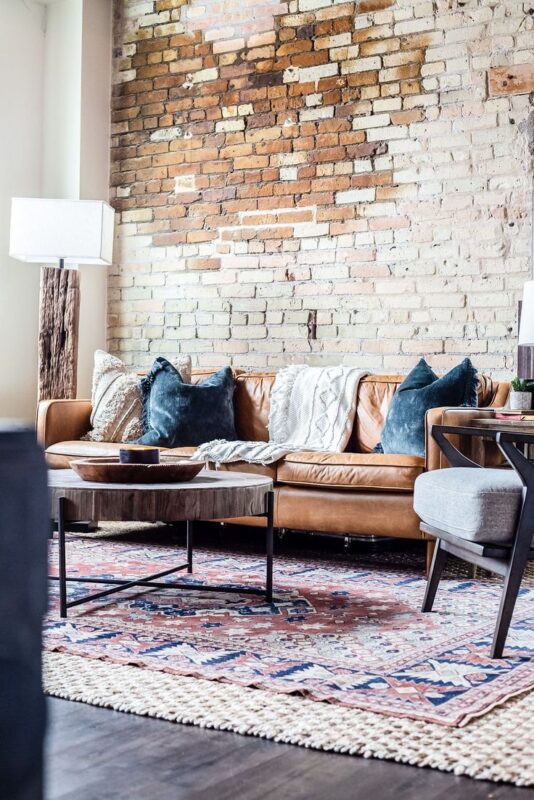
The warm tone of the sofa balances cooler surfaces such as exposed brick, concrete, and metal furniture. Together they form a living room that looks slightly rugged.
A brick wall often becomes the main backdrop in this type of space. Placing the brown couch against it highlights the contrast between the textured brick and the smooth upholstery.
This pairing is common in loft apartments and converted warehouse homes.
Coffee tables made from wood and steel reinforce the industrial character. Many designs feature metal frames with thick wooden tops, which mirror the materials used throughout the room.
Lighting also contributes to the atmosphere. Black metal floor lamps, cage-style pendant lights, and exposed bulbs appear frequently in industrial interiors. These fixtures introduce strong lines and a slightly vintage appearance.
Decor should remain simple. A few framed prints, a large wall clock, or open metal shelving often provide enough personality.
In this setting, the brown couch anchors the seating area and softens the harder materials surrounding it.
Earthy Boho Style
Bohemian interiors often mix textures, patterns, and natural materials, which makes a brown couch an easy starting point. The warm color pairs naturally with woven décor, greenery, and layered textiles.
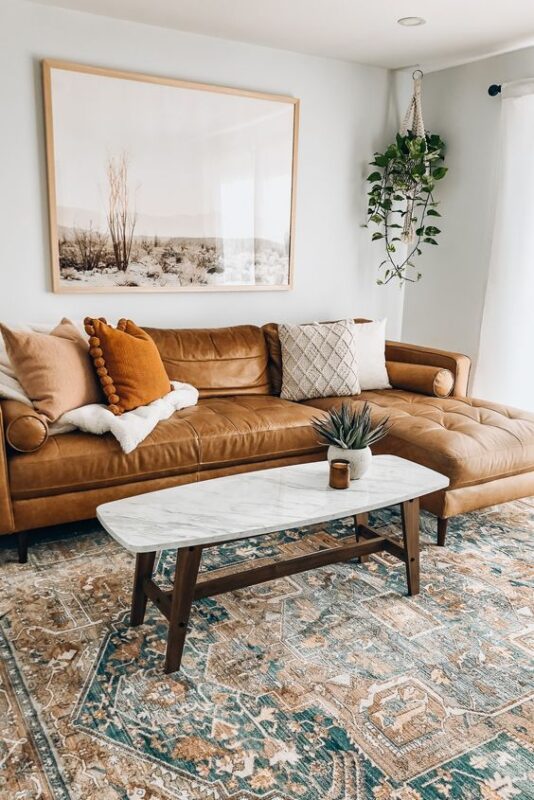
Start by surrounding the couch with organic textures. Rattan chairs, woven baskets, and wooden side tables bring in a relaxed atmosphere.
These materials keep the room grounded and prevent it from appearing overly polished.
Plants also play a major role in boho spaces. Large leafy plants placed beside the couch introduce height and movement.
Hanging planters or trailing vines can soften corners and fill empty areas without cluttering the room.
Textiles add personality. Patterned rugs, embroidered pillows, and woven wall hangings help break up the solid tone of the sofa. Each textile introduces color and visual interest.
Lighting tends to remain soft and warm. Floor lamps with woven shades or lantern-style fixtures contribute to the relaxed tone of the room.
With these elements working together, the brown couch becomes the center of a casual and expressive living space.
Classic Traditional Living Room
A brown couch often appears in traditional living rooms where classic furniture and balanced layouts define the space.
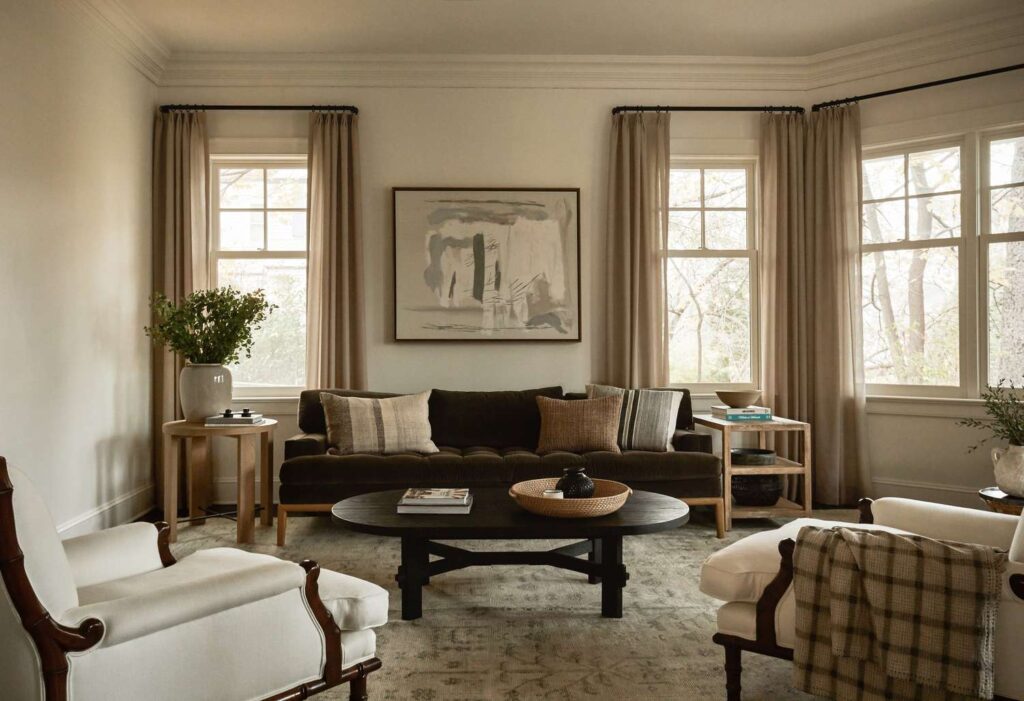
In this setting, the sofa becomes part of a structured arrangement that focuses on symmetry and timeless décor.
Start with a central coffee table placed directly in front of the couch. Matching armchairs on either side help create a conversation area that looks organized and comfortable.
Wooden tables with carved legs often appear in traditional interiors and reinforce the classic style.
Wall décor typically includes framed artwork, decorative mirrors, or traditional landscape paintings. These pieces help the room feel established.
Lighting choices usually lean toward table lamps with fabric shades or vintage-inspired chandeliers. These fixtures distribute warm light throughout the space and highlight the furniture arrangement.
Textiles bring softness into the design. Patterned rugs beneath the seating area and tailored cushions along the couch add subtle detail. Within this style, the brown couch contributes a steady presence that ties the furniture together.
Embrace an Array of Brown Shades
A brown couch can guide the entire palette of the room when you lean into different shades of brown.
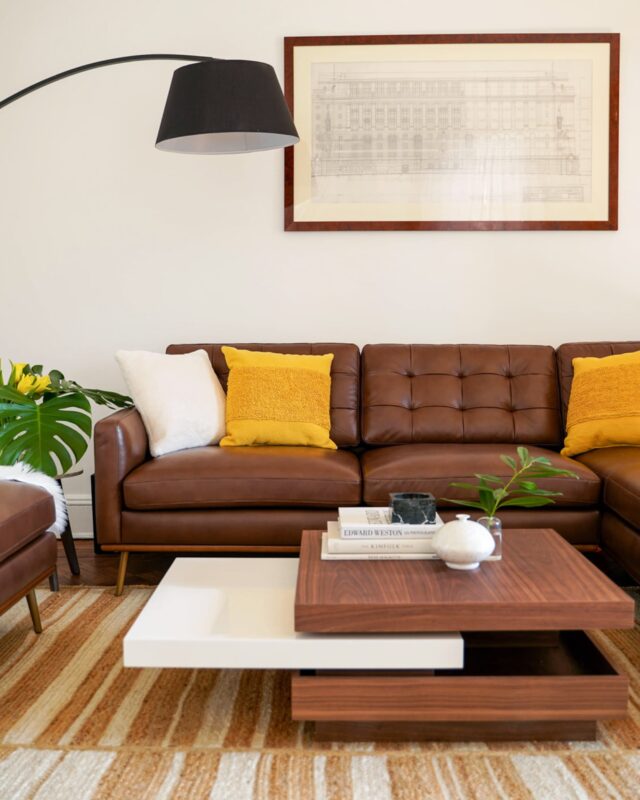
Instead of treating the sofa as a single dark element, allow the surrounding décor to echo similar tones in lighter and deeper variations.
Start with a rug that introduces soft caramel or tan tones. That layer immediately connects the couch to the rest of the floor area.
Wooden furniture also plays an important role here. Coffee tables, shelves, or sideboards in walnut or oak extend the brown palette.
Textiles can vary in texture so the room doesn’t look flat. Linen cushions, knitted throws, and woven baskets break up the solid tones with subtle surface detail. Each material catches light differently, which keeps the space interesting.
Wall décor should remain calm. Artwork with neutral backgrounds or earthy landscapes complements the layered palette. When done well, the brown couch blends into a rich color story where every piece contributes to a cohesive atmosphere.
Use a Statement Gallery Wall
A brown couch provides a strong base for a striking gallery wall. The darker upholstery grounds the space, which allows artwork above it to draw attention.
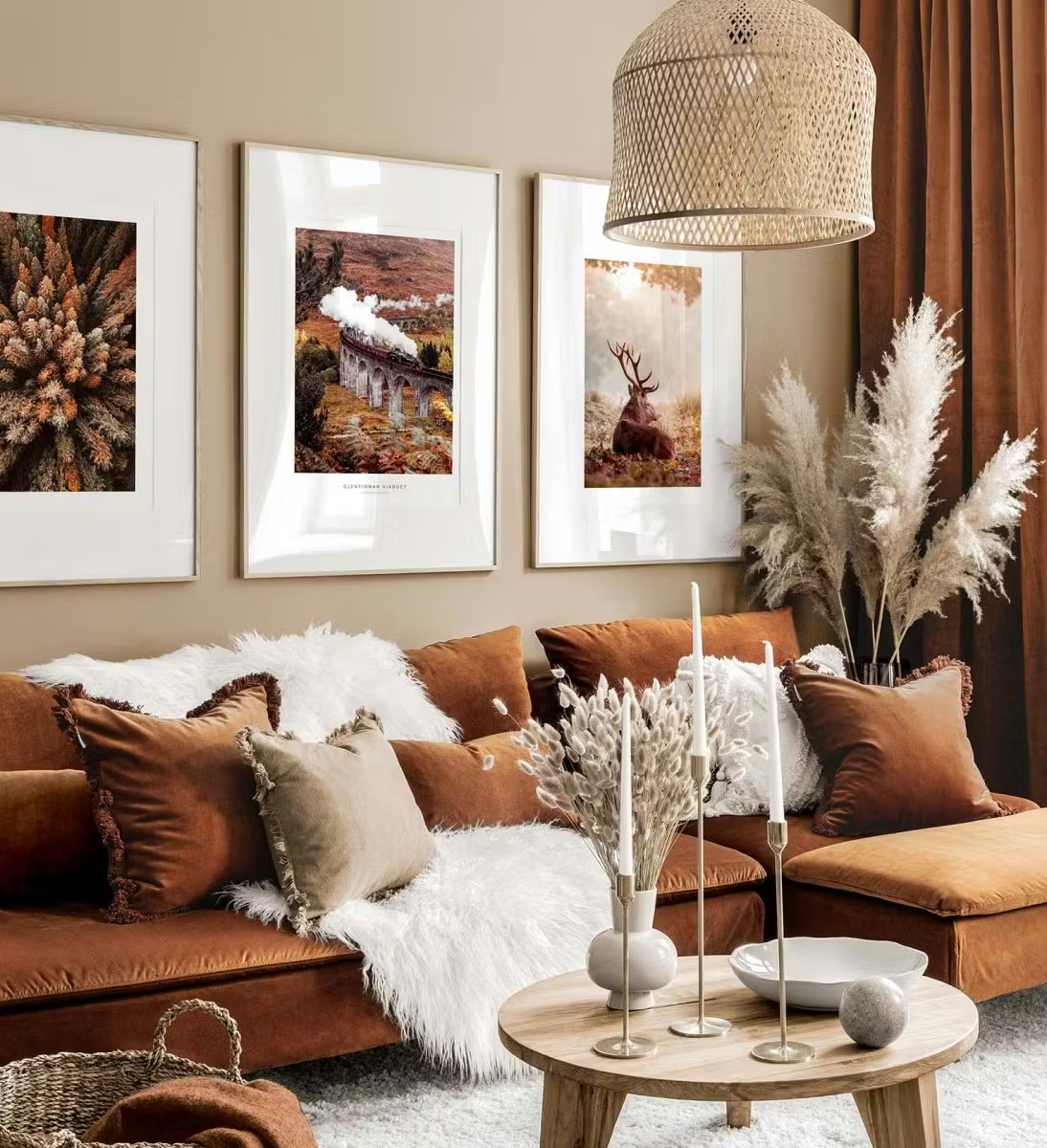
Begin by selecting frames in a mix of sizes. Arranging them across the wall creates visual movement that stretches the eye horizontally along the seating area. The artwork itself can include photography, abstract prints, or vintage illustrations depending on the character of the home.
Frame finishes also influence the result. Black frames introduce contrast, while natural wood frames keep the composition softer. Mixing a few styles adds personality and avoids a rigid layout.
Spacing between the pieces should remain fairly consistent so the wall doesn’t look chaotic. When arranged carefully, the display appears intentional and curated.
A narrow picture ledge below the artwork can add another layer. Small decorative objects or framed photos resting on the shelf introduce dimension. The brown couch beneath the arrangement anchors the entire display and keeps the room balanced.
Pair With Soft Pastel Accents
Soft pastel accents can lighten the visual weight of a brown couch. Pale colors such as dusty pink, muted sage, or soft lavender introduce contrast.
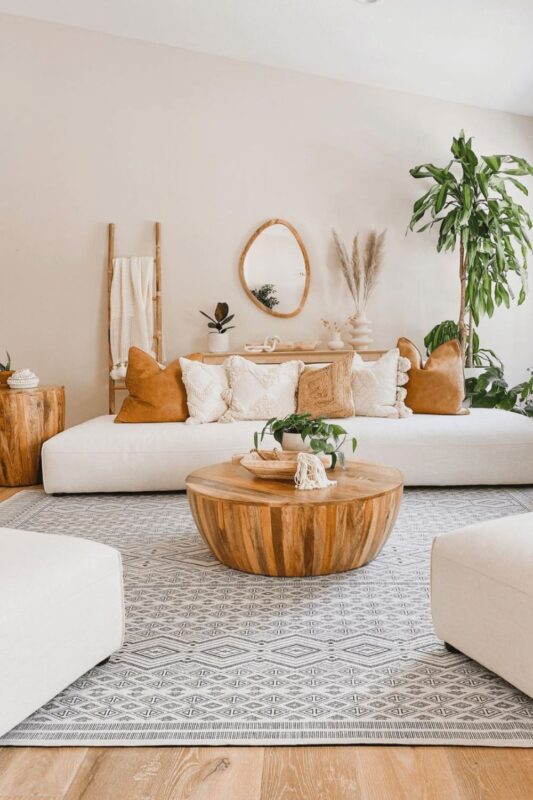
Throw pillows are often the easiest place to start. Pastel fabrics resting along the couch edges brighten the seating area and prevent the darker upholstery from dominating the space.
A lightweight blanket draped over one side can repeat the same color for balance.
The surrounding décor can echo those gentle shades. Ceramic vases, table lamps, or artwork with soft color washes subtly reinforce the palette.
These touches distribute the color around the room so it doesn’t stay limited to the couch.
Floor coverings also influence the look. A light-toned rug softens the transition between the darker sofa and the flooring beneath it.
This combination works especially well in homes where the goal is to keep the room calm and relaxed.
The brown couch supplies warmth, while pastel accents introduce a lighter mood across the space.
Frame the Sofa with Built-In Shelving
Built-in shelving can transform the wall behind a brown couch into a focal feature. Instead of leaving the area empty, custom shelves create a structured backdrop that adds storage and visual interest.
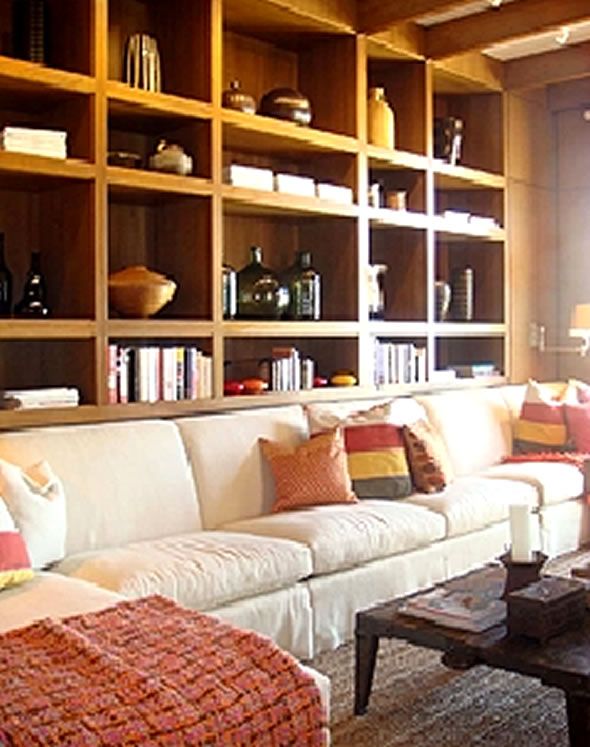
Tall shelves on either side of the couch help frame the seating area. This arrangement makes the sofa appear integrated into the architecture of the room rather than simply placed against a blank wall.
The shelves themselves can hold books, ceramics, framed photos, and small sculptures. Mixing objects of different heights prevents the display from looking stiff.
A few open spaces between items also keep the arrangement from appearing crowded.
Lighting can enhance the shelving as well. Small recessed lights or strip lighting installed inside the shelves highlight the objects and add a gentle glow during the evening.
Paint color matters here too. Shelves painted in a soft neutral allow the décor to stand out, while darker finishes create a dramatic backdrop.
With this setup, the brown couch becomes the center of a thoughtfully arranged wall that blends storage with decoration.
Introduce Large Abstract Artwork
Large-scale abstract artwork can transform the wall behind a brown couch into a striking visual anchor.

Because the sofa already carries a deep tone, a bold canvas above it adds contrast to the room.
Oversized artwork works particularly well when it spans a large portion of the wall. Instead of several small frames, a single statement piece introduces a cleaner look.
The wide canvas visually stretches the seating area and makes the room appear more balanced.
Color selection within the artwork influences the overall mood. Paintings that include warm neutrals, rust tones, or muted blues often pair well with brown upholstery.
These shades echo the natural warmth of the couch with no clashing.
The frame should remain understated so the artwork remains the focal point. Thin metal frames or simple wooden edges usually work best.
Lighting can further highlight the piece. A picture light mounted above the frame directs attention toward the artwork and creates a gallery-like effect.
With the right composition, the brown couch and abstract painting work together as the main visual statement in the space.
Surround It with Natural Greenery
A brown couch pairs effortlessly with greenery. The earthy tone already echoes the colors found in nature, so adding plants around the seating area strengthens that connection.
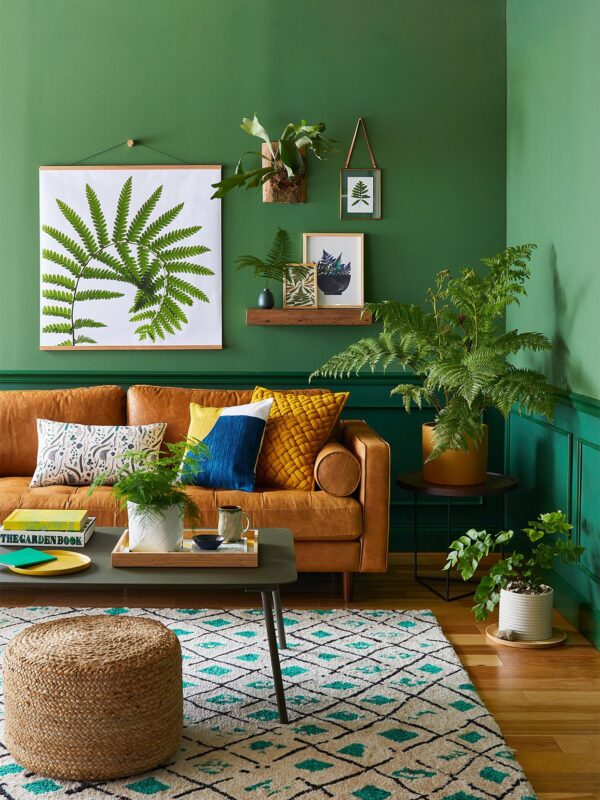
Start by placing a tall plant beside the couch. A fiddle leaf fig or rubber plant adds height and draws the eye upward.
Smaller plants can sit on side tables or shelves nearby. The mix of leaf shapes creates subtle movement across the room.
Clay pots, woven baskets, or stone planters work well with brown upholstery. These materials reinforce the natural theme and keep the room grounded in organic textures.
When sunlight reaches the leaves, the green tones contrast gently against the darker sofa.
A light rug under the seating area can brighten the overall composition. Soft neutral tones allow the greenery and the couch to stand out together.
With the right placement, plants transform the couch area into a calm corner that connects indoor comfort with a touch of nature.
Add Warm Brass and Gold Accents
Metal accents can shift the mood of a room built around a brown couch. Brass and gold tones introduce warmth and a subtle glow that complements the depth of the sofa.

Lighting fixtures are often the easiest place to start. A brass floor lamp beside the couch reflects soft light across the seating area.
Table lamps with warm metallic bases can repeat the same tone on nearby surfaces.
Coffee tables with gold frames or decorative trays placed on top also bring in this metallic element.
These pieces catch light throughout the day and add a polished touch to the room.
Mirrors framed in brass contribute another layer. When placed above the couch or across the room, they bounce natural light around the space and highlight surrounding décor.
Balancing these accents with neutral textiles helps maintain harmony. Linen cushions or soft woven throws soften the shine of the metal.
Together, the brown couch and warm metallic details create a space that carries comfort.
Style a Layered Textile Corner
Textiles can transform a brown couch into the centerpiece of a relaxed seating area. Layering fabrics turn the sofa into a spot that draws people in.
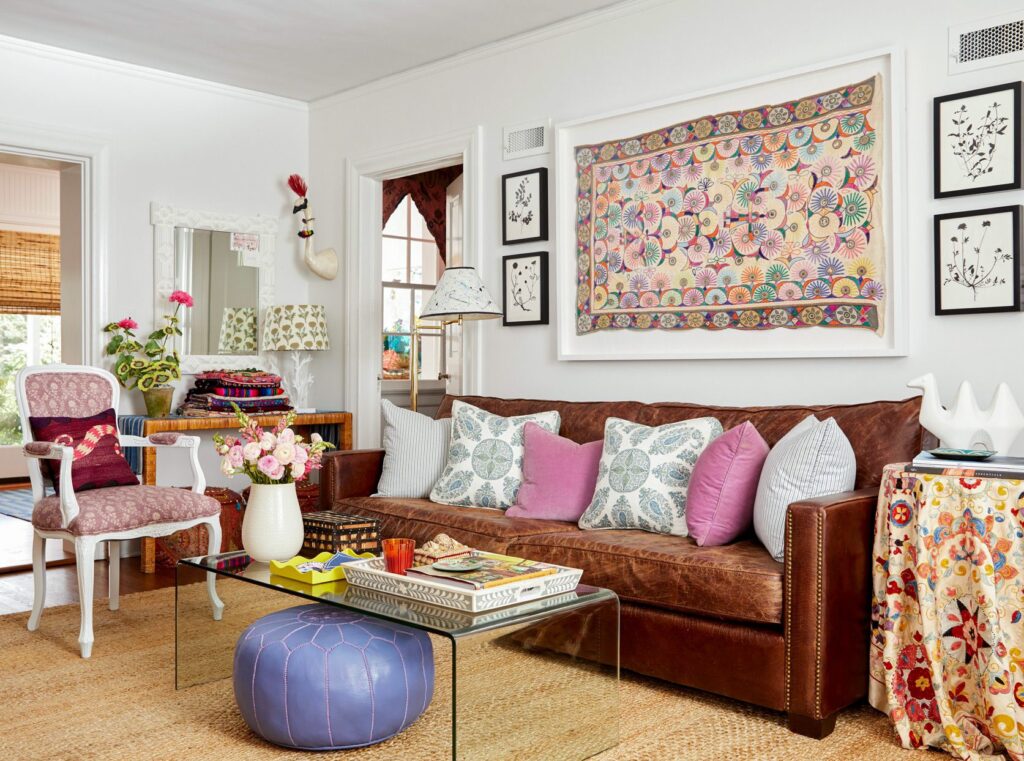
Start with a soft throw draped across one side of the couch. Heavier knits or woven blankets introduce texture that contrasts with the smooth upholstery. A few cushions placed along the backrest add another layer.
Mixing materials makes the arrangement interesting. Linen, cotton, and wool each reflect light differently, which prevents the couch from appearing flat.
Patterns such as subtle stripes or small geometric designs can also break up the solid tone.
A textured rug beneath the seating area ties the layers together. It grounds the couch while extending the textile theme across the floor.
Nearby furniture should stay understated so the fabrics stand out. A simple wooden side table or ceramic lamp provides function while keeping the attention on the layered materials.
This approach turns the brown couch into a comfortable centerpiece filled with texture and character.
Highlight the Couch with Wall Paneling
Wall paneling can elevate the space behind a brown couch and introduce architectural detail.
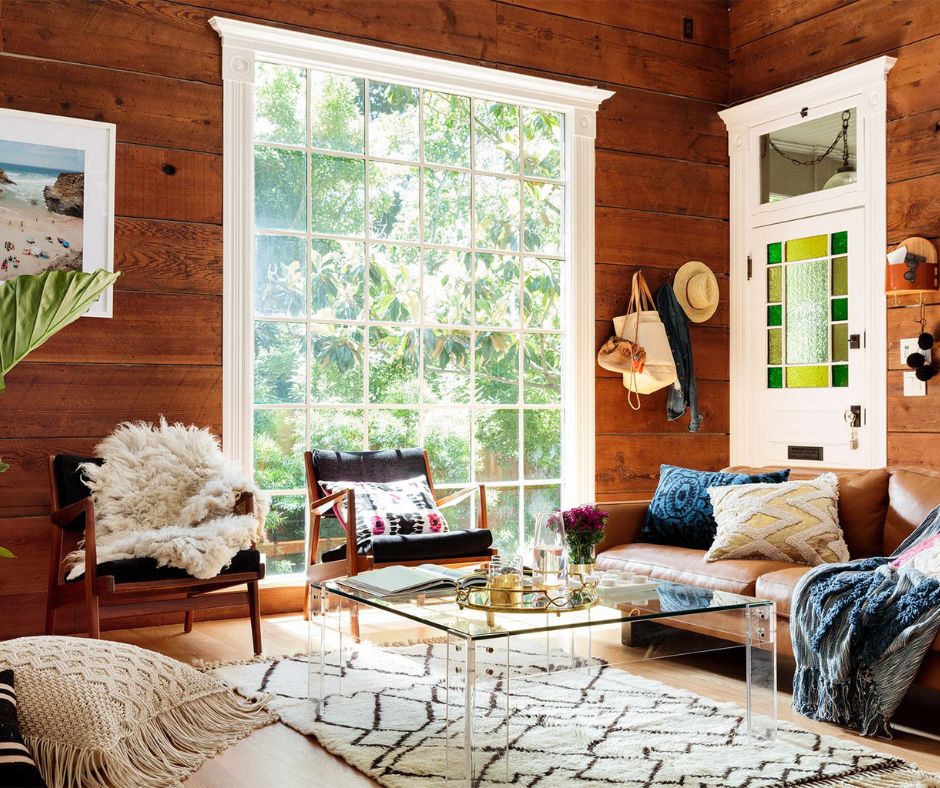
Instead of relying on plain painted walls, panels add structure that frames the seating area.
Vertical panels create the strongest visual effect. They draw the eye upward and make the room appear taller.
Painted panels in warm neutrals help maintain harmony with the tone of the couch.
Wood paneling offers another option. Natural grain patterns bring texture to the wall and echo the earthy quality of the sofa. When paired together, these elements give the room a sense of depth.
Lighting also enhances the feature wall. Small sconces or directional lights placed along the panels highlight the lines and add dimension during evening hours.
Furniture placed in front of the wall should remain minimal so the paneling remains noticeable. A streamlined coffee table and simple décor allow the architectural background to shine.
The brown couch becomes the anchor in front of this feature wall, creating a layered and structured design.
Balance With Light Natural Wood
Light wood furniture can soften the strong presence of a brown couch. The pale tones introduce brightness and create contrast that prevents the room from appearing too heavy.
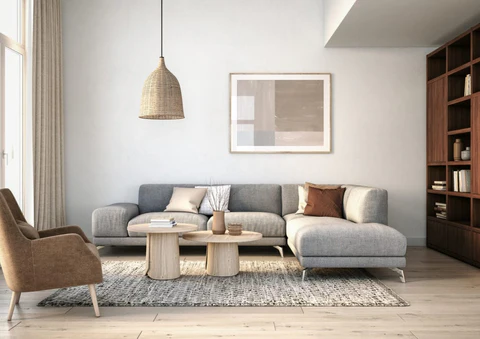
Coffee tables in oak work very well. Their lighter surface breaks up the darker seating area and adds a fresh tone to the center of the room.
Shelving units made from the same wood keep the palette consistent.
Side chairs with wooden frames can repeat the material while introducing additional seating. When these pieces appear around the couch, the room begins to feel awesome.
Natural wood grain also brings subtle texture. The soft patterns visible in the timber keep the space interesting even when the color palette remains calm.
Floor coverings can support the look. Rugs with neutral patterns or light woven textures complement the wood tones and unify the design.
Through this combination, the brown couch remains the focal point while the surrounding wood furniture introduces brightness.