15 Cozy Earthy Bedroom Ideas That Are Currently Going Viral


A cozy earthy bedroom doesn’t rely on big changes. It comes together through textures that shift how the space holds you at the end of the day.
Warm walls, natural wood, soft fabrics, and quiet greenery can turn even a plain room into something steady.
The following ideas focus on simple directions you can actually use, each one shaping a bedroom that feels more connected to nature.
Inviting Earthy Bedroom Ideas
Use Woven Baskets as Storage
Woven baskets work as storage pieces that fit into a bedroom without drawing so much attention to clutter.

They hold everyday items in a simple way and still contribute to the overall look of the room.
A larger basket placed near the bed can store extra bedding that are in regular use. It keeps the floor organized.
Smaller baskets fit easily on shelves or inside open niches. They help manage smaller items that usually end up scattered across surfaces.
Materials like rattan or seagrass introduce a raw texture that connects well with wood furniture or soft fabric surfaces.
The room starts to carry a steady visual rhythm where storage does not interrupt the design.
The effect is noticeable. The bedroom stays organized, the surfaces stay clear, the overall atmosphere feels more settled.
Bring Solid Wood Furniture into the Space
Wood furniture sets the base tone for an earthy bedroom. It introduces a sense of stability that lighter materials often do not provide.

A wooden bed frame becomes the central structure of the room. The visible grain brings variation across the surface, giving the space a more grounded appearance.
A matching nightstand beside the bed keeps the setup consistent. Even when the tones are not identical, the natural variation between pieces creates a relaxed visual balance.
Wood responds well to soft lighting in the evening. The surface takes on a warmer tone that changes the atmosphere of the room in a quiet way.
The bedroom feels more anchored with these elements in place. It becomes easier to settle into the space because the materials carry a sense of permanence that supports rest.
Build the Bedroom Around Soft Sage Green
Soft sage green brings a natural tone into a bedroom without pushing the space toward anything too heavy.
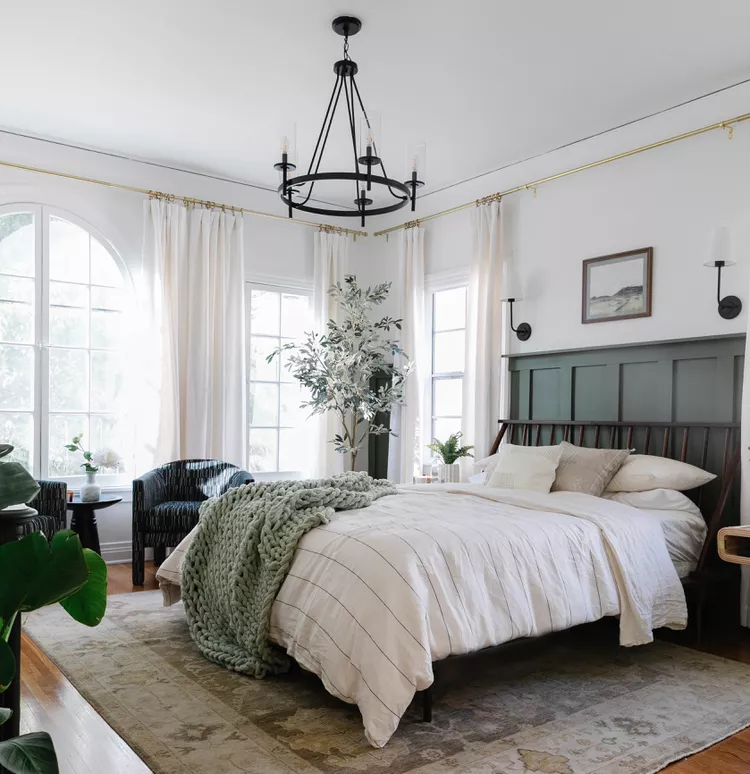
It sits comfortably between muted green and soft grey, giving the room a steady background.
When applied on walls, it creates an even tone that works well with wood furniture, woven textures, or neutral fabrics. The space starts to feel connected.
If full wall coverage is not the goal, sage green can still appear through bedding, curtains, or smaller fabric pieces. Repeating the tone in different areas creates quiet consistency across the room.
This color reacts well to warm lighting during the evening. The surface tones soften slightly, making the room more comfortable during nighttime use.
The result is a bedroom that holds a calm presence throughout the day. It stays visually steady.
Add Woven Pendant Lighting
Woven pendant lighting changes how a bedroom feels once the light is switched on. The structure of the shade filters brightness in a way that spreads light gently across the space.

This type of lighting works well above the bed or in a central position. It reduces the need for multiple harsh light sources, keeping the room visually simpler.
The woven material introduces texture even when the light is off.
It becomes part of the room’s design instead of acting only as a functional element.
When the light is on, shadows form across the surface of the shade.
This creates a softer atmosphere that suits evening routines or quiet time in the room.
The pendant becomes part of the room’s identity without dominating the space. It blends into the overall setting while still offering a clear visual presence.
Layer Linen Bedding in Earthy Tones
Linen bedding in earthy tones creates a bed setup that looks relaxed. The fabric brings a natural surface texture that changes slightly with use, giving the bed a lived-in character.

Neutral tones like sand, clay, or warm beige create a steady base across the mattress. These colors keep the bed visually calm even when layered.
Adding a second layer in a similar tone brings depth to the bedding setup. The difference stays soft, so the bed maintains a unified appearance instead of a segmented look.
Linen holds its shape in a loose way that avoids stiffness. The fabric falls naturally across the bed, creating soft folds that add dimension.
Over time, the bedding becomes more impressive in appearance. The room takes on a steady, grounded feel that supports rest.
Warm Beige Paint That Grounds Your Bedroom
Changing the wall tone, and warm beige becomes the base that shifts the entire bedroom atmosphere.

The color sits in a quiet range that does not compete with furniture or décor, so your space immediately reads calmer.
You notice how wooden pieces take on a softer presence once the walls carry this tone. The grain on your bed frame becomes noticeable because the background no longer distracts the eye.
Lighting changes the character again during different times of the day.
Morning light keeps the beige light and airy, then evening tones bring out a deeper warmth that settles the room into a slower pace.
Keep additional colors restrained so the walls stay central to the design. Fabrics in soft neutrals or muted earth shades support the palette instead of breaking it.
Plant-Filled Calm That Brings Life into Your Bedroom
Bring plants into your bedroom to shift the atmosphere toward something steadier. Each plant adds presence, but the effect comes from how you place them.
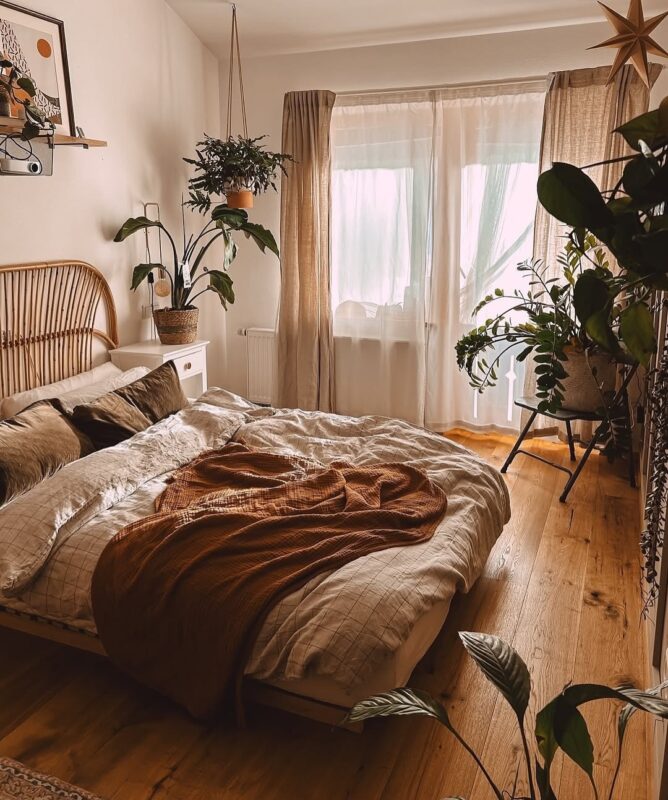
You need to position taller plants in empty corners where they break up blank space. Smaller pots sit near windows or on bedside surfaces where natural light reaches them directly.
The greenery introduces variation in shape that softens rigid furniture lines. Leaves move slightly, giving the room a slower rhythm that changes how the space is experienced during quiet moments.
Keep pots simple so attention stays on the plants themselves. Neutral ceramic or clay containers maintain balance across the room instead of competing with the greenery.
Moody Forest Comfort To Turn Bedroom into a Rest Zone
Shift the room toward deeper tones when you want a stronger sense of enclosure. Dark green, muted brown, or deep charcoal bring weight to the space.

Walls carry most of the tone so the room does not turn visually busy. You keep surrounding elements simpler so the darker palette holds structure across the space.
Wood furniture becomes more pronounced against these shades. The contrast highlights natural textures instead of flattening them.
Lighting stays contained. You rely on warm, low sources that prevent the room from becoming harsh at night.
The result gives you a bedroom that supports quiet moments more intentionally. The atmosphere slows down as soon as you enter.
Sun-Baked Textures With a Grounded, Relaxed Bedroom Tone
You can introduce materials that carry a sun-warmed character, such as linen, raw cotton, and clay-toned décor pieces.
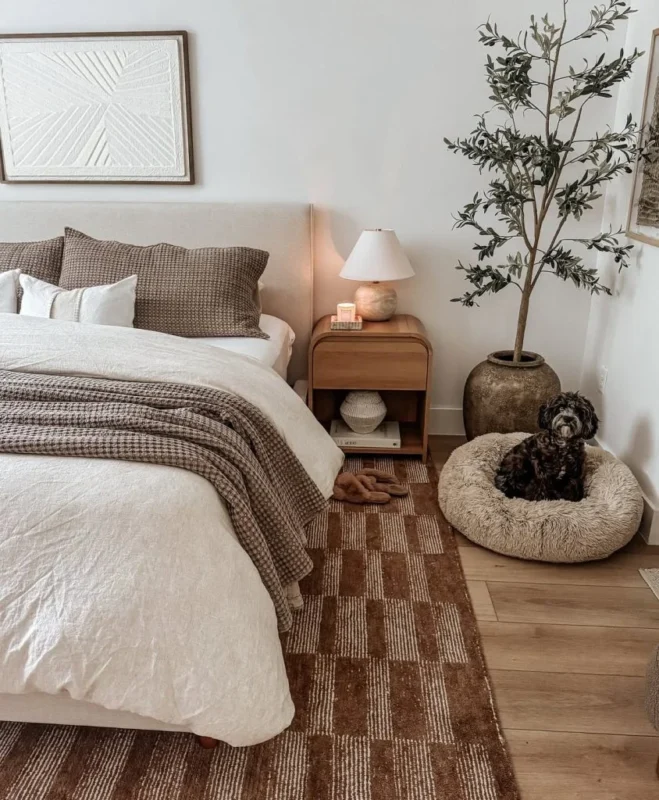
These textures bring a grounded quality that shifts the room away from anything overly polished.
You layer fabrics across the bed in muted earthy shades that resemble natural outdoor surfaces. The combination introduces not strong contrast.
Ceramic objects or hand-shaped décor pieces add variation across shelves or bedside surfaces. Their uneven texture creates visual interest that stays low-key.
Be sure to keep the arrangement loose so the room does not turn structured or staged.
Items sit where they serve a purpose instead of forming strict layouts.
Light-Filled Corner Anchored by an Olive Tree
Create a corner in your bedroom that carries natural brightness by placing an olive tree near a light source. The plant responds to daylight, so the corner changes character across the day.
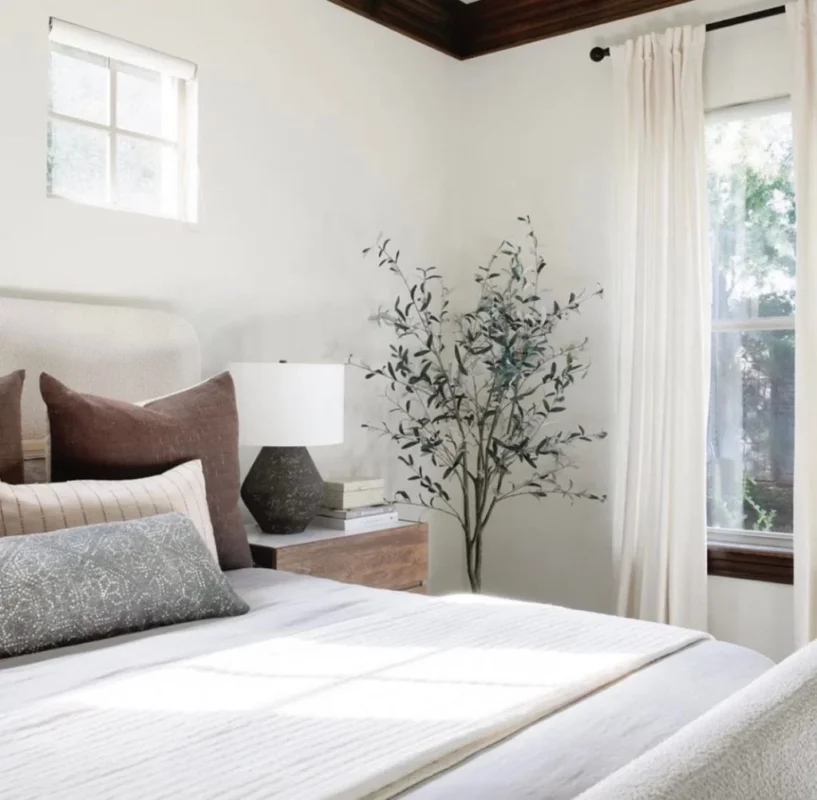
You keep surrounding space open so the plant remains the focus. A simple pot in stone or clay keeps attention on the foliage rather than the container.
Nearby surfaces stay minimal so the corner does not become visually heavy. A chair or small table completes the space in a practical way.
The leaves catch natural light in a soft way that brings movement into an otherwise still part of the room. The corner becomes a steady visual break from the rest of the bedroom.
Soft Sand and Blush Tones
A blend of soft sand and muted blush shifts the bedroom into a gentler visual space.
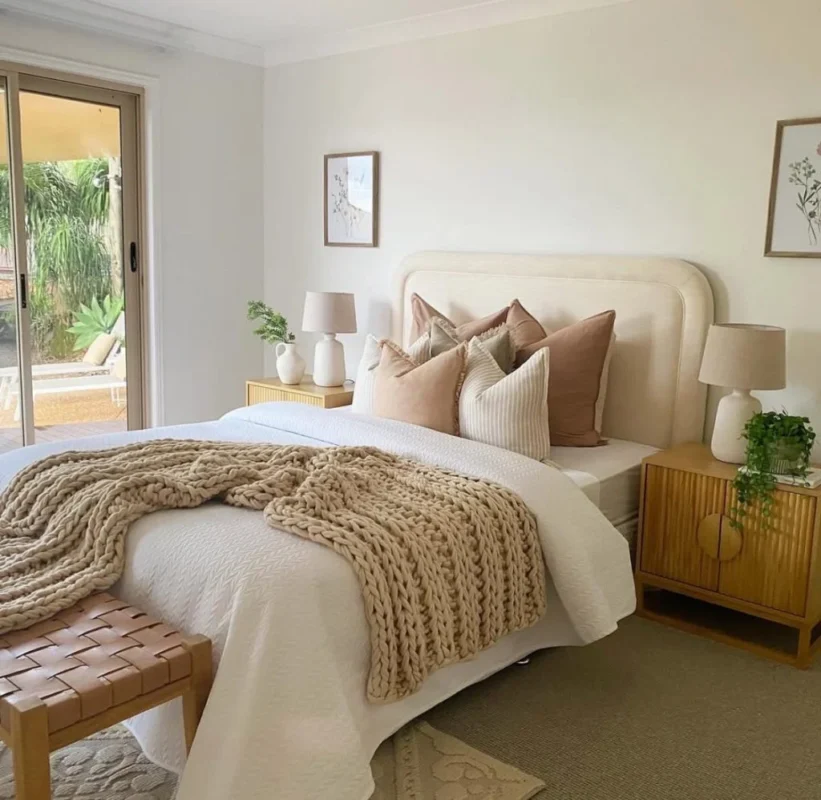
The tones sit close to natural skin and earth references, so the room is decorative.
Larger fabrics often carry the base, setting a calm backdrop that other elements can rest against.
The effect is immediate, more like a slow change in atmosphere.
Blush appears best in small doses across bedding or cushions, where it softens the overall palette. Sand tones take a stronger role, keeping the room cute.
Light interacts easily with both shades. Morning brightness keeps the room airy, while evening light pulls out warmer undertones that settle into a quieter mood.
The combination avoids contrast-heavy tension, leaving the space smooth from one corner to another.
Easygoing Shelf Styling To Bring Personality
Bedroom shelves take on a different character when they are arranged with a strict structure. Objects sit in a way that feels collected.

Books, small ceramics, and personal objects naturally create layers across the surface. The arrangement stays open, leaving gaps that prevent the shelf from looking packed.
Texture plays a central role. Rough ceramics next to smooth glass or woven pieces introduce variety that keeps the eye moving gently across the shelf.
Nothing dominates the arrangement. Each item contributes a small part to the overall scene, building a sense of familiarity inside the room.
Hang Botanical Wallpaper
Botanical wallpaper changes how a bedroom reads the moment it covers a wall. Leaves, stems, and natural patterns introduce movement across a flat surface without adding physical objects.
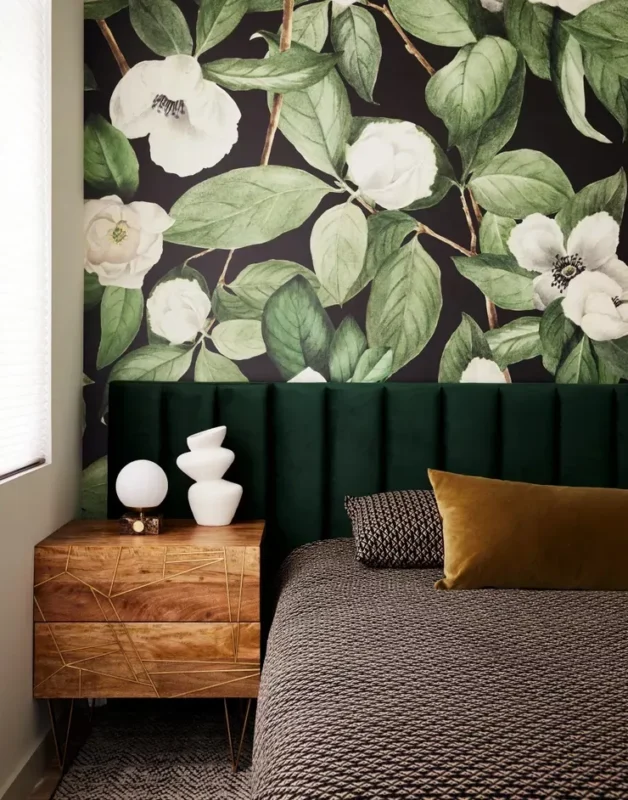
The room gains depth through pattern. This effect becomes more noticeable in softer lighting, where details appear and fade gently.
Keeping surrounding décor simple allows the wallpaper to stay central. Neutral bedding and plain furniture balance the visual activity on the wall.
The pattern becomes part of the room’s rhythm, especially when it stretches across a full surface.
As the time goes, the wall stops feeling like decoration and starts acting like part of the room’s structure.
Warm Gray and Stone Hues
Warm gray and stone tones create a stable base that keeps a bedroom décor cute. These shades sit between cool and warm references, so they adapt easily to changing light.

Walls, bedding, or larger furniture pieces often carry these hues, setting a neutral foundation that supports other design elements.
Wood, linen, and natural fibers sit comfortably against these tones, gaining more texture definition without clashing.
The room stays visually even, even when additional colors are introduced in small amounts.
As lighting shifts, the tones respond quietly, keeping the bedroom consistent from morning to night.
FAQs
What colors work best for an earthy cozy bedroom?
Warm neutrals like beige, sand, soft gray, muted green, and clay tones create a calming base.
How do I make a bedroom feel cozy without clutter?
Focus on texture instead of quantity. Use linen bedding, wood furniture, woven storage, and keep surfaces simple.
Can plants really change the bedroom atmosphere?
Yes, even a few well-placed plants soften the space, add natural movement, and make the room feel balanced.