15 Irish Cottage Interior Ideas That Makes Your Home Feel Lived-In

Irish cottage interiors have a quiet charm that’s hard to ignore. I’ve always admired how these homes balance simplicity with warmth.
Thick walls, natural materials, and comfortable furniture create spaces meant for everyday living, not display.
If you’re trying to bring this style into your own home, the goal is simple. Just create a space that feels welcoming, lived-in, and connected to tradition.
This article puts together 15 Irish cottage interior designs.
15 Beautiful Irish Cottage Interiors
Iron Bed Focal Point
Many traditional Irish cottage interiors featured sturdy iron beds. In this recreated bedroom, the iron frame becomes the clear focal point.
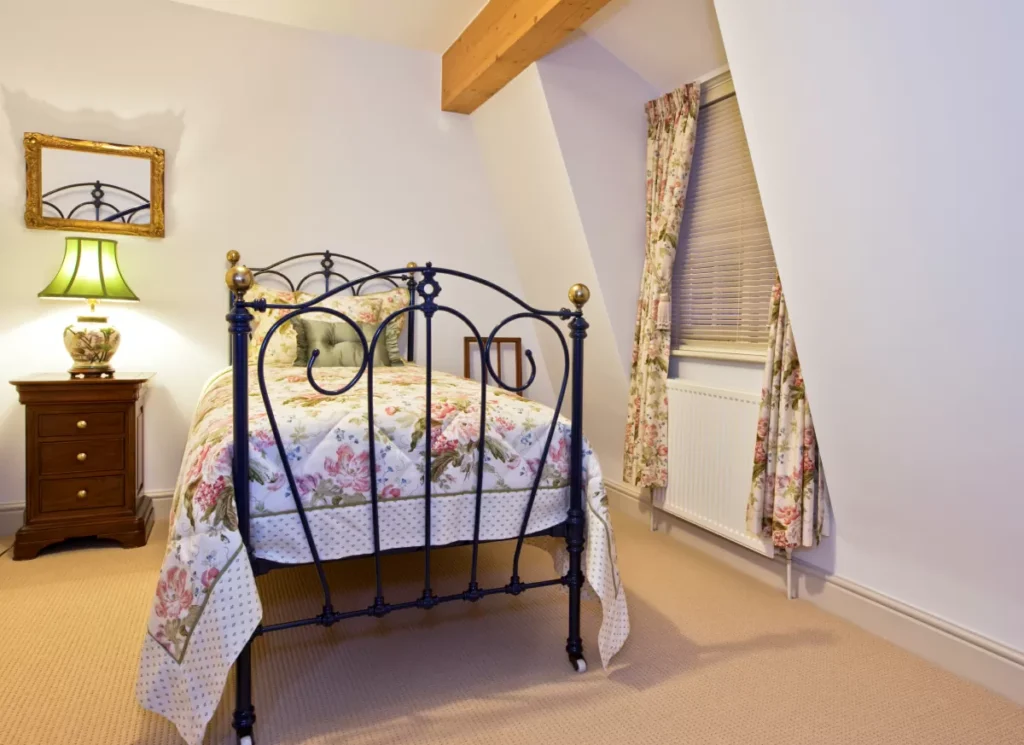
Its curved lines introduce character while keeping the room simple.
The bedding reflects the cottage tradition of soft patterns. Floral curtains frame the window.
A quilt trimmed with a delicate rosebud border adds subtle color without overwhelming the space.
A small wooden nightstand sits beside the bed. It holds a floral lamp shaped like a small vase, bringing gentle light into the room.
Above it, a mirror reflects both daylight and lamplight to help the compact space feel larger.
Accent pillows introduce deeper tones. A green lumbar pillow repeats the color found in the lampshade. The palette remains calm.
To complete the room, a wooden beam stretches across the ceiling. Whether real or decorative, the beam references the rustic structure common in many historic Irish cottages.
Ecru Colored Kitchen Cabinets
This kitchen captures the quiet charm often seen in Irish cottage interiors through its simple cabinetry.
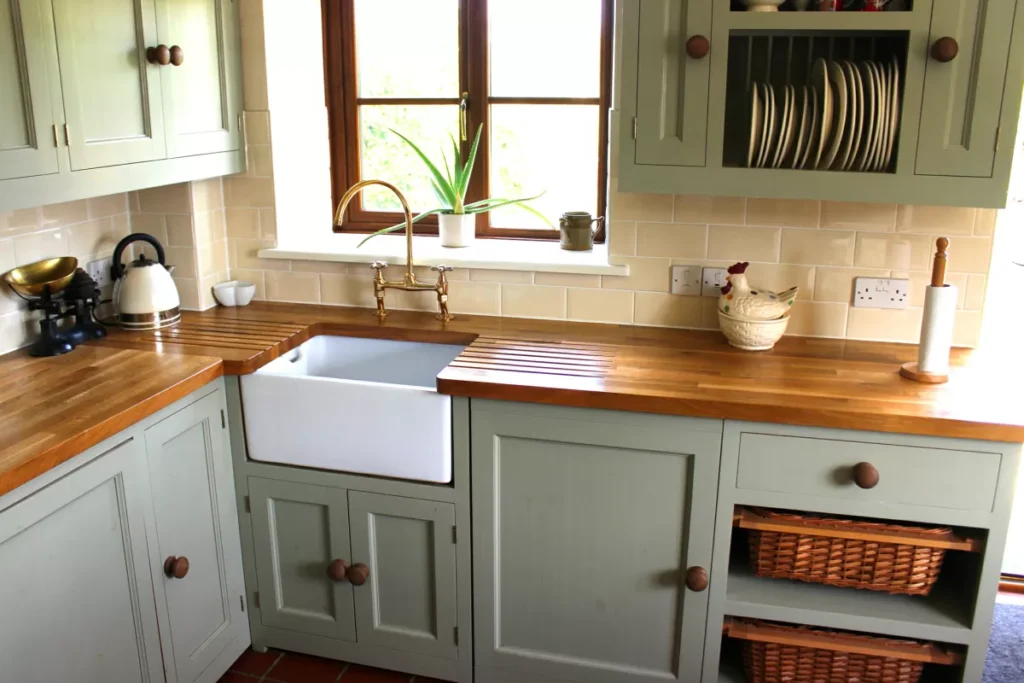
Ecru-colored cabinets line the wall in a vertical panel design, creating a look that feels traditional and bright.
The window wall avoids feeling crowded. A section of open shelving replaces solid cabinets. A glass-front door breaks the run of panels, allowing dishes to remain visible while maintaining order.
An open dish rack sits near the sink. It keeps everyday plates within easy reach while adding a practical cottage detail.
Color appears through small accents. An emerald green window shade echoes the hue found in the tile backsplash. The repetition ties the wall together without overwhelming the neutral cabinetry.
At the center of the room, a white painted table with simple chairs provides contrast against the dark tile floor.
The arrangement encourages casual meals while maintaining the modest, functional spirit typical of a cottage kitchen.
Exposed Beams
Exposed beams remain one of the most recognizable features of interiors. Many early cottages used simple construction methods that left beams or rafters visible from floor to ceiling.
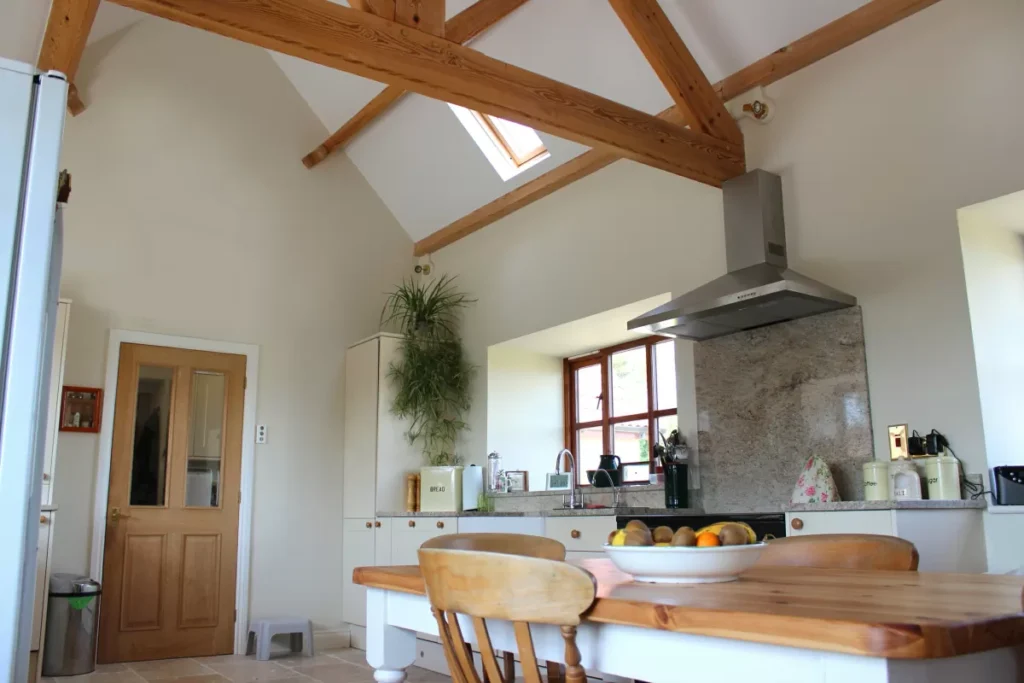
Recreating this look adds strong architectural character. Solid wood beams can run across the ceiling, or lighter faux beams may be installed for a similar effect.
The surrounding ceiling stays light in color. White, cream, or pale-yellow paint reflects daylight while allowing the darker beams to stand out clearly.
Staining the beams in a deep brown or walnut tone introduces contrast. The darker finish emphasizes their structure while adding visual depth to the room.
This feature works well across multiple spaces. Kitchens, dining rooms, dens, or bedrooms can all benefit from exposed timber.
The result is authentic, echoing the straightforward building methods once used in rural Irish homes.
A Simple Cottage Bedroom Arrangement
Many historic interiors relied on minimal furniture. This bedroom reflects that tradition through a clear, uncluttered layout.
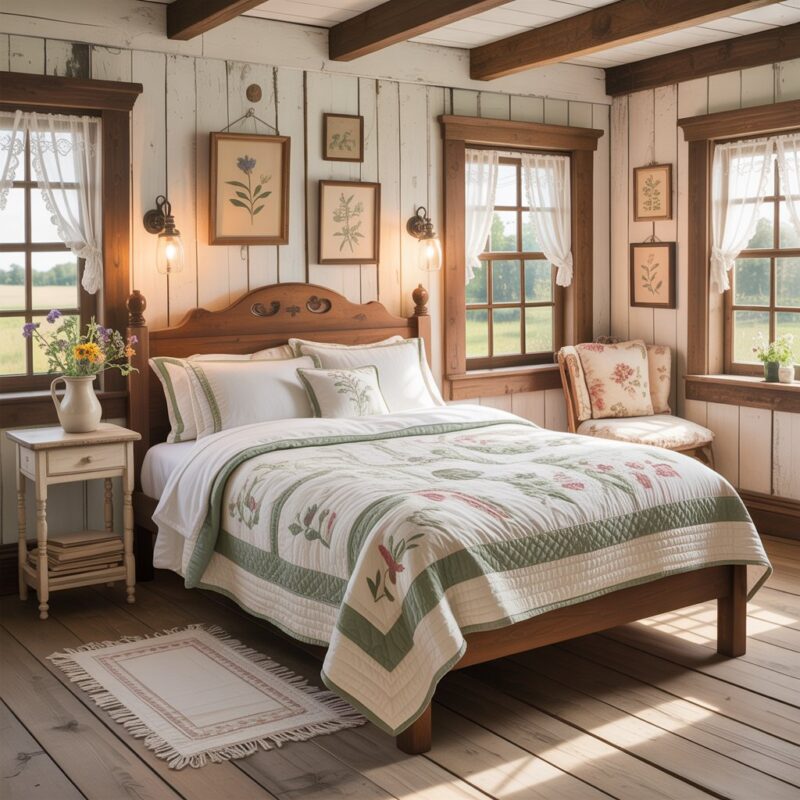
An iron bed anchors the room. Its decorative frame adds personality while keeping the rest of the design restrained.
Wall color introduces warmth. Taupe paint covers the walls, creating a calm background for the furnishings. Green serves as the primary accent shade.
A floral pillow on the bed repeats the green found in a small painting above the headboard. A side chair in a similar tone reinforces the palette.
The bedding remains bright and uncomplicated. White linens cover the mattress, while a white cloth drapes over the bedside table. This contrast keeps the room feeling fresh.
Deep inset windowsills provide additional charm. They offer space for small decorative items, candles, or potted plants while highlighting the thick cottage walls.
The Traditional Half Door
A half door represents a practical feature found in many historic interiors. Some cottages included doors on both sides of the house to improve airflow.
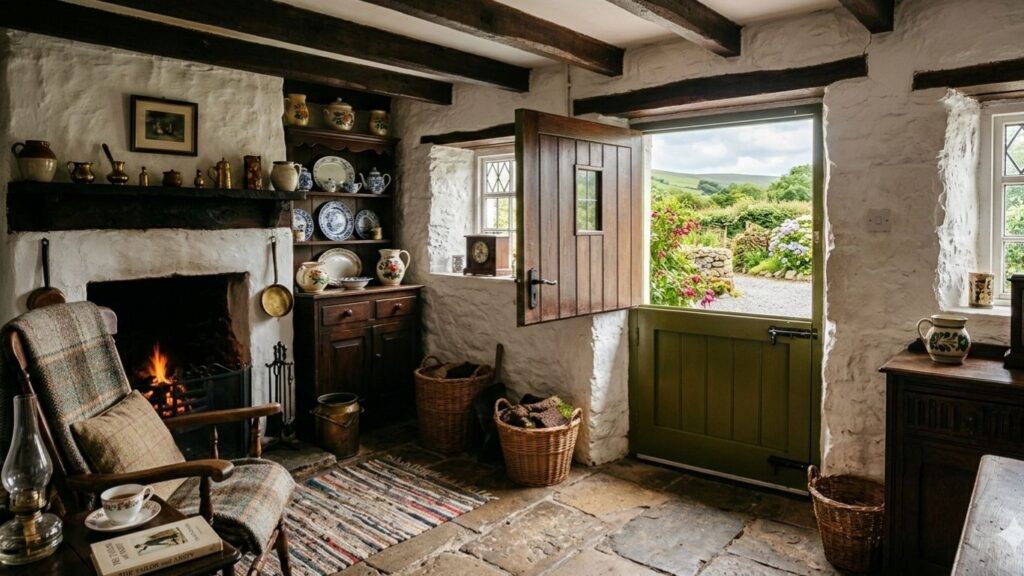
The split design solved a common problem. The top portion could open inward to allow fresh air inside. The lower section remained closed for safety.
This style also carries another name. Many people refer to it as a Dutch door or stable door. Its usefulness made it common in rural homes.
The bottom half sometimes included a narrow shelf. Residents could lean against it while looking outside across fields or farmyards.
The design served another purpose as well. It kept wandering livestock or wildlife from entering the home.
At the same time, it helped keep young children safely inside while the cottage aired out after cooking fires.
Cozy Fireplaces
Fireplaces hold an important place in Irish cottage interiors. In older cottages, the hearth often served as the center of daily life.
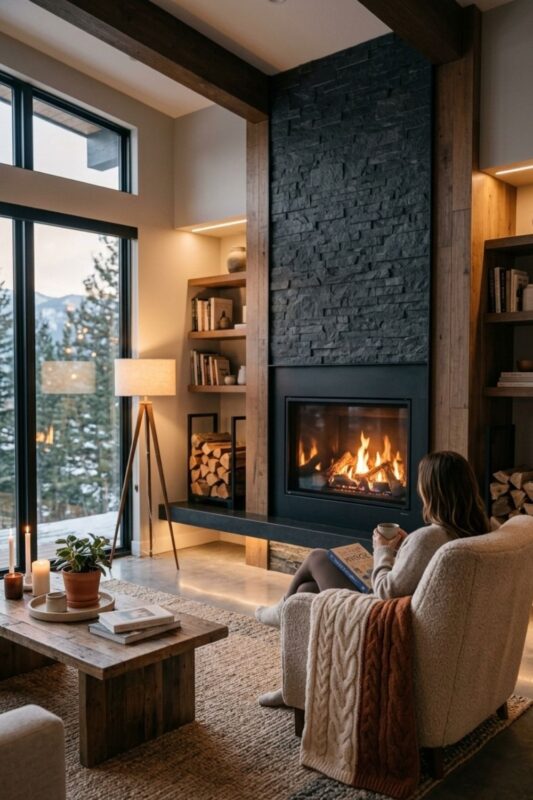
Stone fireplaces created a place where families gathered during cold evenings.
Traditional hearths usually feature thick stone surrounds. The texture brings depth to the room while reflecting the building materials found in rural Irish landscapes.
A wooden mantel above the fire provides space for candles, framed photographs, or simple pottery.
Many modern cottages now include efficient stove designs. Wood-burning stoves fit neatly within the fireplace opening.
Their compact form produces steady heat while maintaining the character of the original hearth.
Pellet stoves offer another option for homeowners who prefer cleaner fuel systems. The design remains simple, often finished in matte black or dark metal.
A comfortable chair placed near the hearth turns the area into a quiet sitting spot. In this way, the fireplace continues its long tradition as a natural gathering point within the home.
Irish Textile Accents
Textiles bring warmth and identity into Irish cottage interiors. Locally inspired fabrics often appear in throws, cushions, or blankets placed throughout the home.
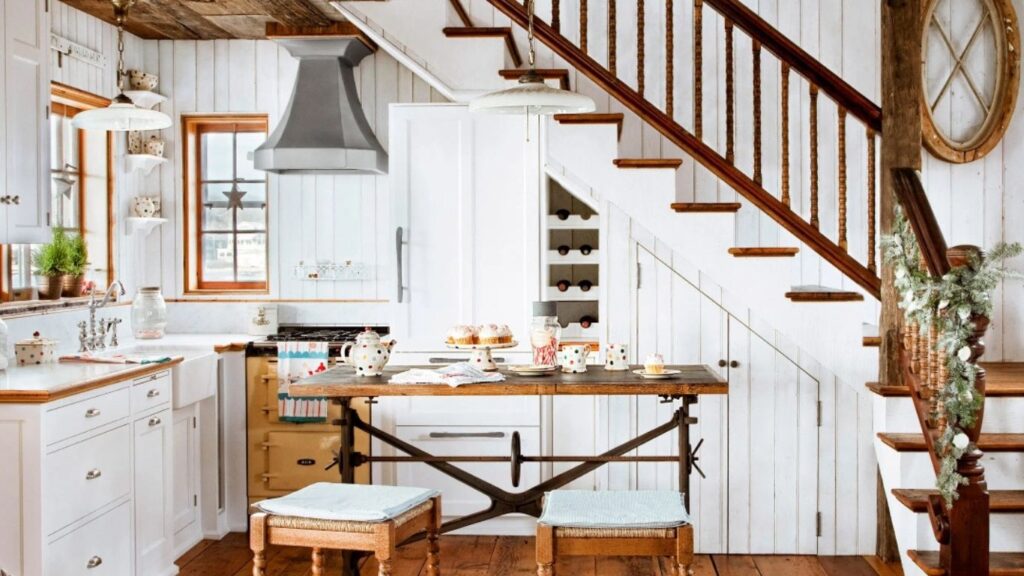
Aran knit patterns remain one of the most recognizable elements. These thick wool designs originated from the Aran Islands.
The textured stitches add depth while offering practical warmth during cooler months.
Celtic patterns also appear in many cottage textiles. Subtle woven motifs introduce heritage without overpowering the room. A cushion cover or woven throw can carry this design in a quiet, tasteful way.
Natural materials remain important. Wool, linen, and cotton appear frequently in cottage decor. These fabrics age well and suit the relaxed nature of rural homes.
Draping a wool throw across a chair or placing patterned cushions on a simple sofa introduces cultural detail without clutter.
Small touches of Irish textile craft help connect the interior to the country’s long tradition of weaving and knitting.
Rustic Wood Furniture
Wood furniture plays a central role in Irish cottage interiors. Many cottages relied on sturdy pieces built to last for generations. The emphasis stayed on durability.
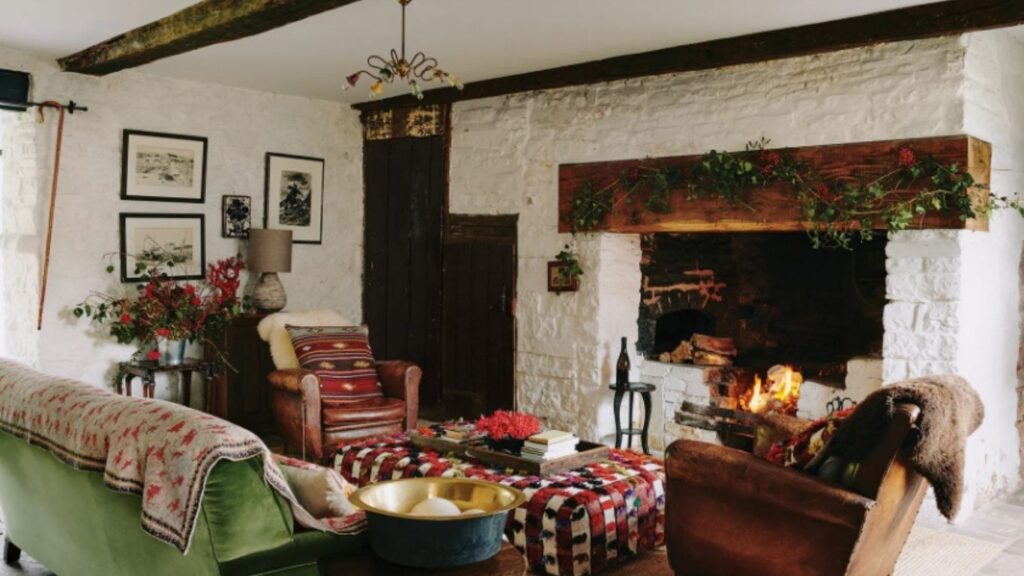
Dining tables often feature thick wooden tops with visible grain. Chairs remain simple, sometimes with ladder backs or carved details that reflect traditional craftsmanship.
The surfaces may show gentle wear, which adds character to the room.
Sideboards or dressers provide storage for dishes, linens, or everyday items. These pieces frequently sit against the wall in kitchens or dining spaces. Their solid frames help anchor the room.
Wood tones usually stay natural or lightly stained. Oak, pine, or ash appear often in rural homes. A slightly uneven texture reminds visitors that the furniture came from real timber rather than factory-perfect finishes.
Placed beside stone walls or painted plaster, rustic wood furniture introduces warmth. The result is an interior that reflects practicality, tradition, and the quiet charm of countryside living.
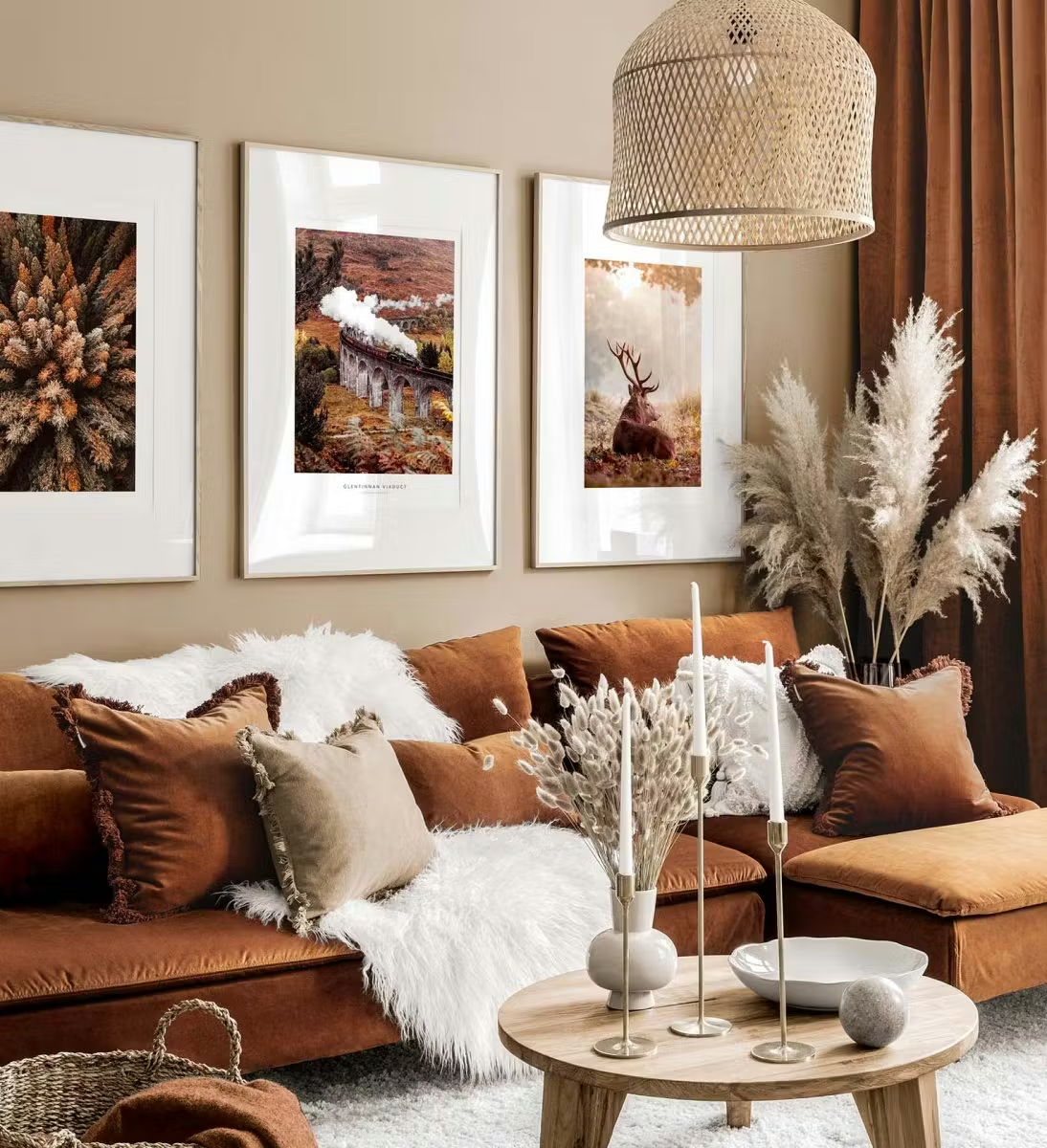
Soft, Earthy Color Palettes
Color choices in interiors often reflect the surrounding countryside. Instead of strong contrast, the palette leans toward gentle shades drawn from nature.
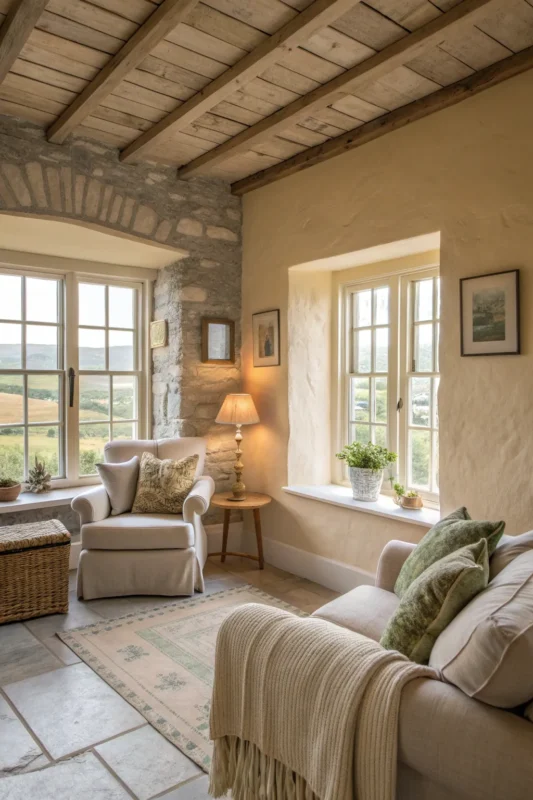
Soft white or warm cream works well on walls. These tones brighten a room while maintaining a relaxed appearance.
Chalky finishes help soften the light rather than producing sharp reflections.
Misty gray or muted green may appear in smaller accents. Painted furniture, cushions, or curtains can introduce these colors without dominating the space. The goal remains subtle harmony.
Stone-inspired hues also play a role. Pale taupe, sandy beige, or weathered gray echo the tones found in local stone cottages.
These colors help create continuity between the interior and the landscape outside.
This palette allows materials such as wood, wool, or stone to stand out naturally. The room stays calm, balanced, and grounded in the quiet beauty of rural Ireland.
Embrace Natural Stone
Stone stands as one of the most recognizable features of Irish interiors. Many historic cottages used local stone during construction, which gave the buildings their distinctive character.
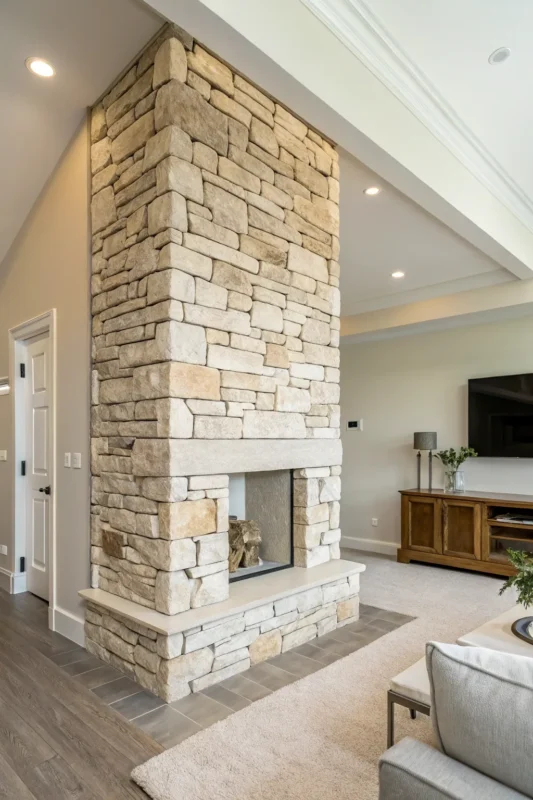
In modern homes, a single stone element often works best. A fireplace surround provides a natural place to showcase the texture.
The stone introduces depth without dominating the entire room.
Some homeowners choose a partial stone wall instead. This approach highlights the material while keeping the space open.
Too much stone can make a room appear heavy, especially in smaller cottages.
The rest of the room benefits from lighter finishes. Pale plaster walls or soft paint colors help balance the rough surface of the stone. Simple furniture keeps the focus on the architectural feature.
When used carefully, natural stone creates a connection to traditional Irish building methods.
The result remains timeless, practical, and rooted in the landscape where these cottages first appeared.
Handmade and Artisan Pieces
Handcrafted objects add personality to a cottage interior. Items made by local artisans often carry small details that mass-produced decor cannot replicate.
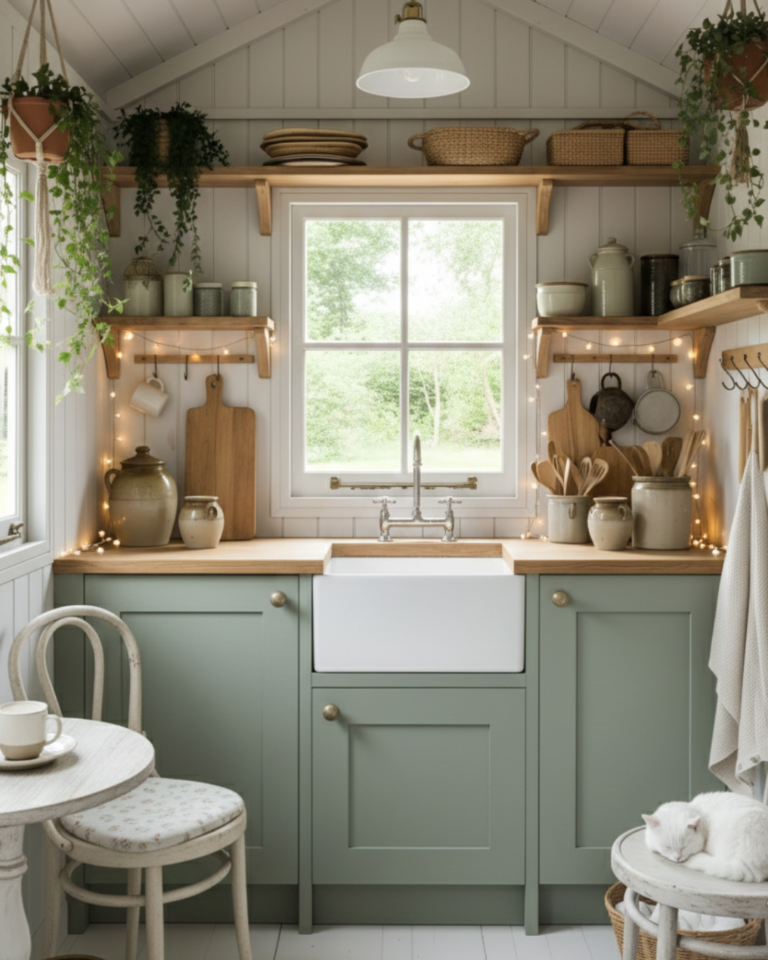
A hand-thrown pottery bowl on a kitchen table, for example, introduces subtle variation in shape and glaze.
Woven baskets serve practical purposes throughout the home. One might hold firewood beside the hearth.
Another could store blankets in a living room corner. Their natural fibers soften the space without adding clutter.
Ceramic lamps bring gentle light while highlighting traditional craft methods. Slight differences in color or form make each piece distinct.
Carved wooden accents, such as small stools or decorative boxes, reinforce the handmade character of the room.
Matching sets are not necessary. A collection built over time usually looks more authentic. Small imperfections tell the story of the maker’s hand.
These details create an interior that appears lived-in rather than staged. Craft objects quietly connect the home to Ireland’s long tradition of skilled artisans.
Comfortable Furniture
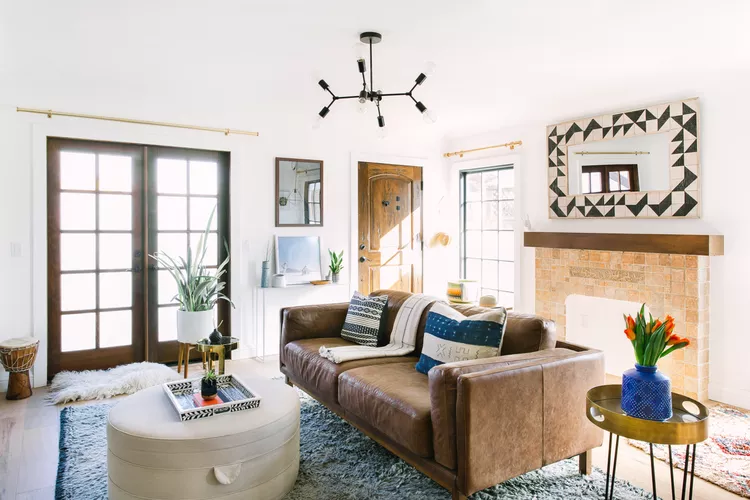
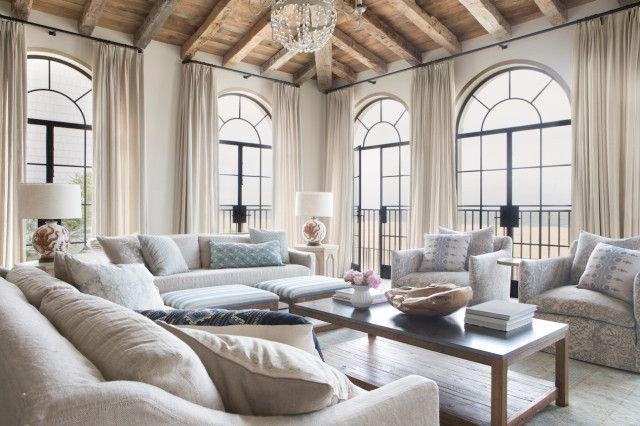
Furniture in a cottage setting should encourage people to settle in. Sofas with deep cushions create a welcoming place to sit after a long day. Upholstery in linen, cotton, or wool keeps the look relaxed.
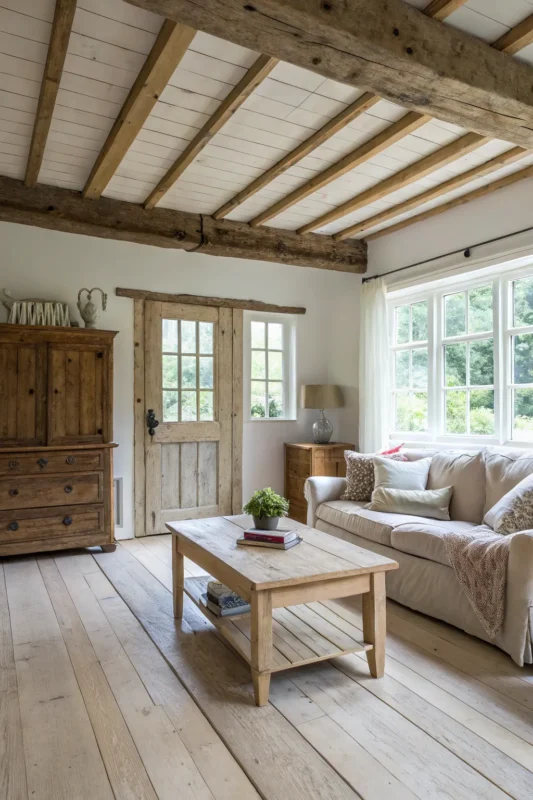
Armchairs placed near a fireplace or window invite conversation or quiet reading. Rounded shapes usually work better than rigid forms. The goal remains comfort rather than strict symmetry.
Coffee tables often feature solid wood construction. Their surfaces handle everyday use, from cups of tea to books left open mid-chapter.
A simple side table beside a chair provides space for a lamp or mug.
The arrangement of furniture matters as much as the pieces themselves. Seating positioned in a loose circle helps people talk easily. Nothing should feel stiff or formal.
A comfortable layout supports daily living. Guests feel at ease, conversations last longer, and the room becomes a natural gathering place within the home.
Diffused Light to Add Warmth
Lighting plays a major role in shaping the atmosphere of a cottage home. Harsh overhead fixtures often make a room appear stark. Softer sources create a calmer setting.
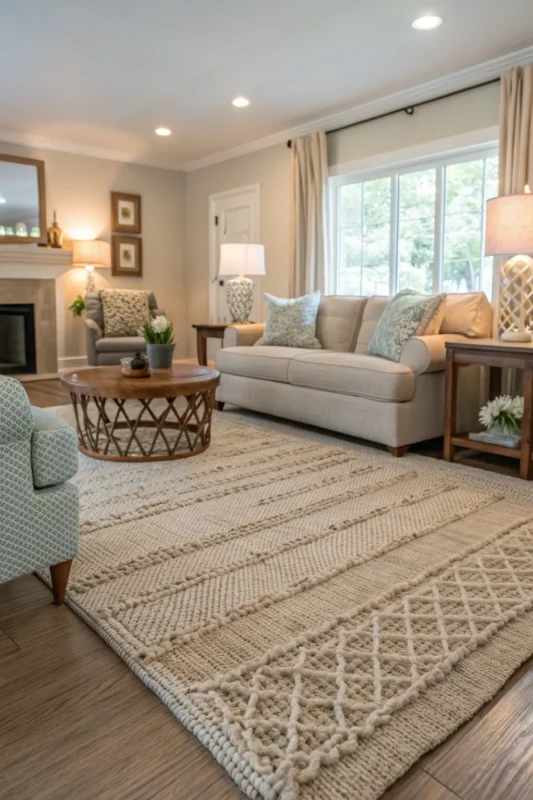
Table lamps placed on side tables offer gentle illumination during the evening.
Fabric shades help diffuse the glow, spreading light across nearby walls. Wall sconces provide another layer of brightness.
Candles add a traditional element. A few placed on a mantel or dining table introduce flickering light that feels especially welcoming during colder months.
Bulbs with warm tones help highlight wood grain, woven textiles, and natural stone. This type of lighting enhances texture.
The goal remains subtle brightness rather than strong glare. When light spreads gradually across a room, the interior appears relaxed.
This approach supports the quiet, comfortable atmosphere associated with cottage living.
Perfectly Smooth Walls
Perfectly flat walls can look too modern in a cottage environment. Slight texture often brings more character to the space. Traditional finishes help achieve this effect.
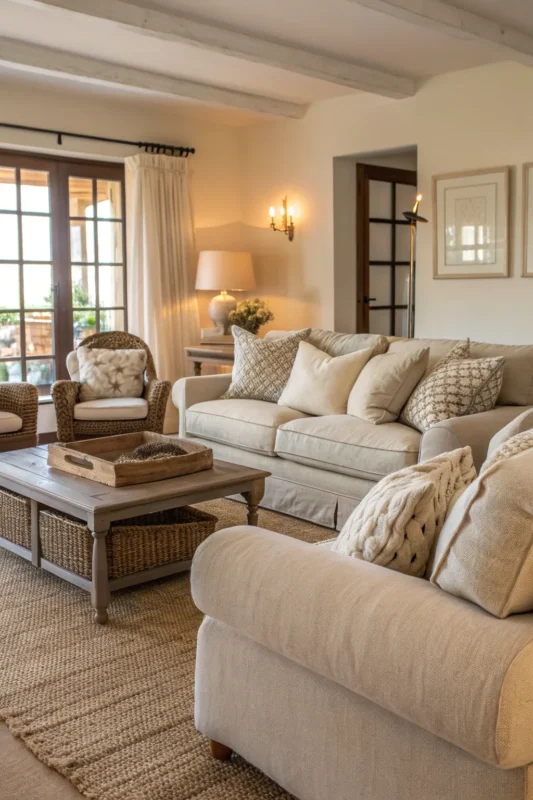
Limewash creates a soft, layered surface that shifts gently under changing light. The finish produces subtle tonal variations across the wall.
Plaster treatments offer another option. Their uneven surface catches shadows in a natural way.
Textured paint also works well for homeowners who prefer a simpler method. A chalky finish provides depth without appearing rough. The result stays refined rather than rustic.
These surfaces interact with daylight differently from smooth drywall. As sunlight moves across the room, the texture becomes more visible.
Such details contribute quiet visual interest. Instead of relying on bold decoration, the walls themselves provide depth and history through material and finish.
Mix Vintage Art and New
A cottage interior often develops through layers added over time. Mixing older pieces with newer ones helps create that sense of history.
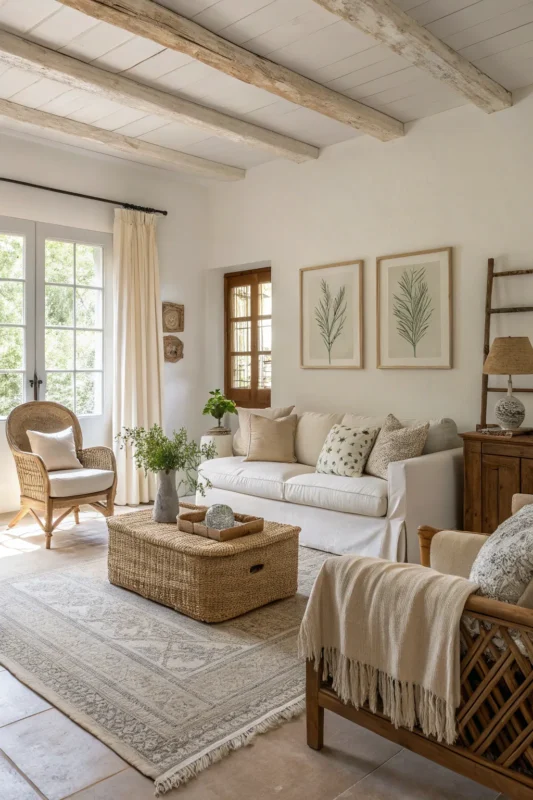
A modern sofa might sit beside an antique side table. The contrast draws attention to the craftsmanship of the older piece.
A contemporary floor lamp can stand near a wall displaying vintage artwork.
Framed prints, landscape paintings, or inherited photographs bring personality into the room. These items reflect individual taste rather than a strict design theme.
The balance between old and new prevents the space from appearing staged. Each object contributes to the story of the home.
This approach allows homeowners to introduce modern comfort without losing traditional charm.