How To Bring Japandi Style To Your Kitchen: 13 Creative Ideas

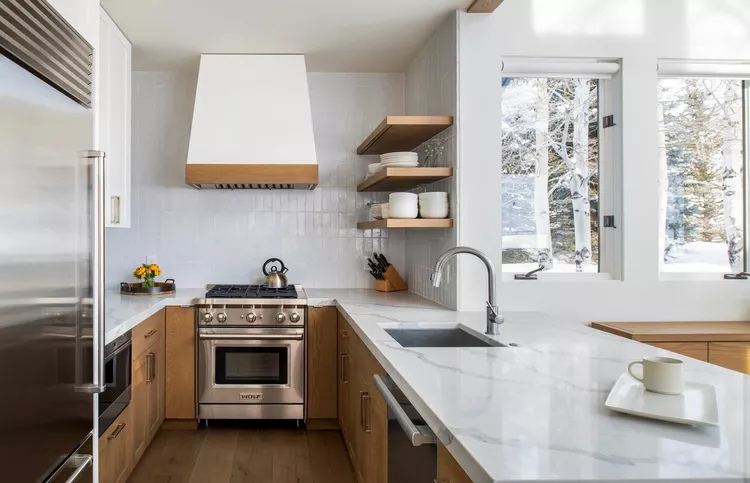
A Japandi kitchen focuses on clarity, function, and materials that hold up over time.
It brings together clean layouts with natural surfaces that add depth through texture.
The space stays organized, with each element placed for a reason. Small details matter just as much as larger features.
To create a Japandi kitchen, the following ideas will help your kitchen look steady every day.
Material Choices For A Japandi Kitchen
Japandi style relies on natural materials like wood, stone, and ceramics.
In a kitchen setting, these elements work best when their tones relate to each other, creating a well-structured look.
When you combine different materials in a creative way, the space becomes practical for daily use while also maintaining a steady, balanced atmosphere.
13 Japandi Kitchen Ideas
Use a Neutral Palette with Thoughtful Contrast
A Japandi kitchen often starts with a quiet color base. Shades like beige, sand, cream, or soft taupe create a steady backdrop that keeps the space easy to read.
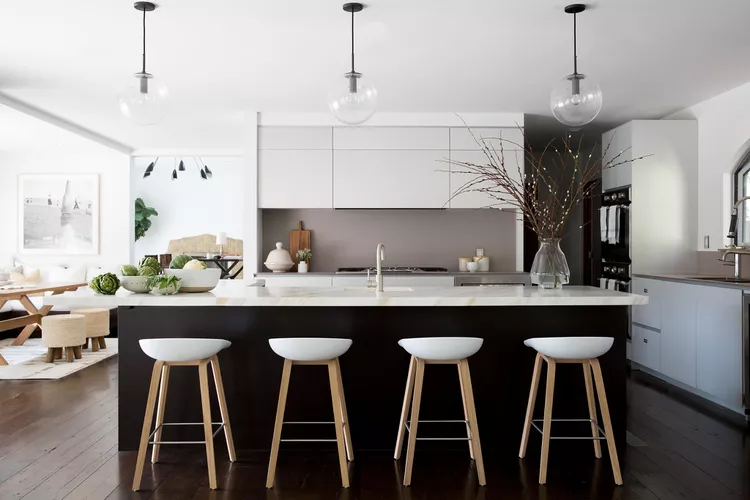
These tones work best when they stay consistent across walls, cabinetry, and larger surfaces.
Contrast can enter through smaller elements. A pale blue backsplash or a muted grey island can shift the tone just enough to keep the room from looking flat.
Darker accents also have a place here. Charcoal finishes or deep indigo details can anchor the design and give it more structure.
Metal elements can help break up the palette. A darker faucet or simple lighting fixture can introduce a different surface without pulling attention away from the overall scheme.
The goal is not to fill the kitchen with color but to guide the eye through small changes in tone. This keeps the design controlled, with each detail adding depth in a measured way.
Create Space and Light Through Layout
A Japandi kitchen works best when the layout supports open space. Clean lines help achieve this.
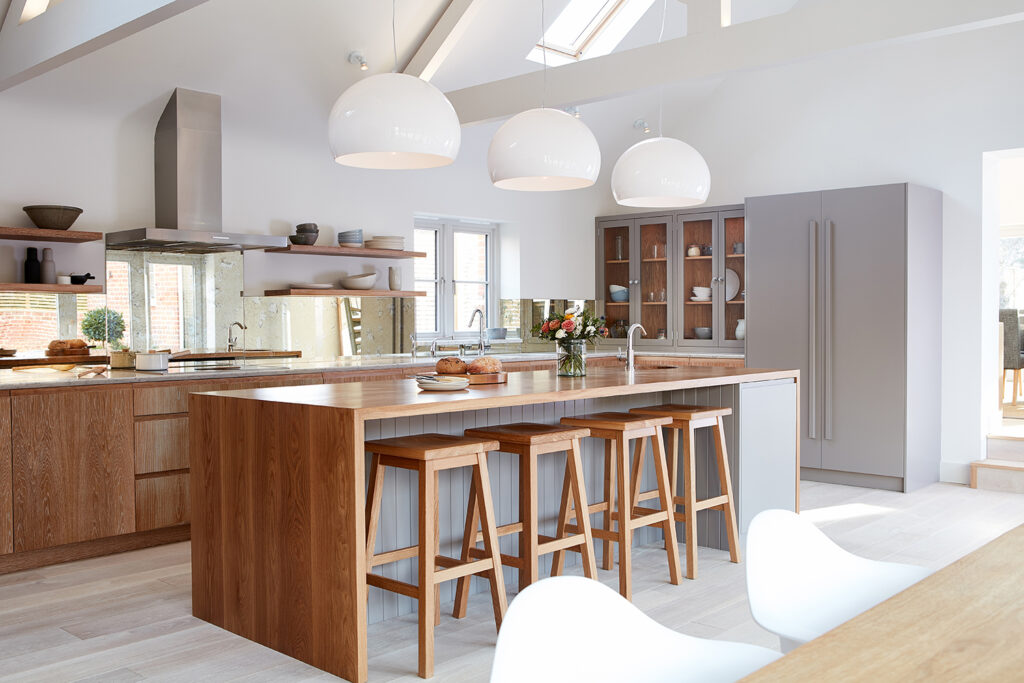
Flat-front cabinets and integrated handles reduce visual interruptions, which keeps the room looking organized.
Storage should stay out of sight where possible. Built-in solutions can hold everyday items, leaving countertops clear for use. This makes the kitchen easier to navigate and keeps the design focused.
Vertical space can also be used more effectively. Taller cabinets or open shelving placed higher on the wall can draw the eye upward and make the room appear larger.
Natural light should guide the layout. Avoid blocking windows with large furniture or heavy elements. Even a small shift in placement can allow more light to move through the space.
This approach shapes the kitchen through structure first. Once the layout works, everything else can follow with clarity.
Celebrate Craftsmanship Through Materials and Detail
Craftsmanship plays a central role in a Japandi kitchen. Cabinets made from natural timber bring character through grain.
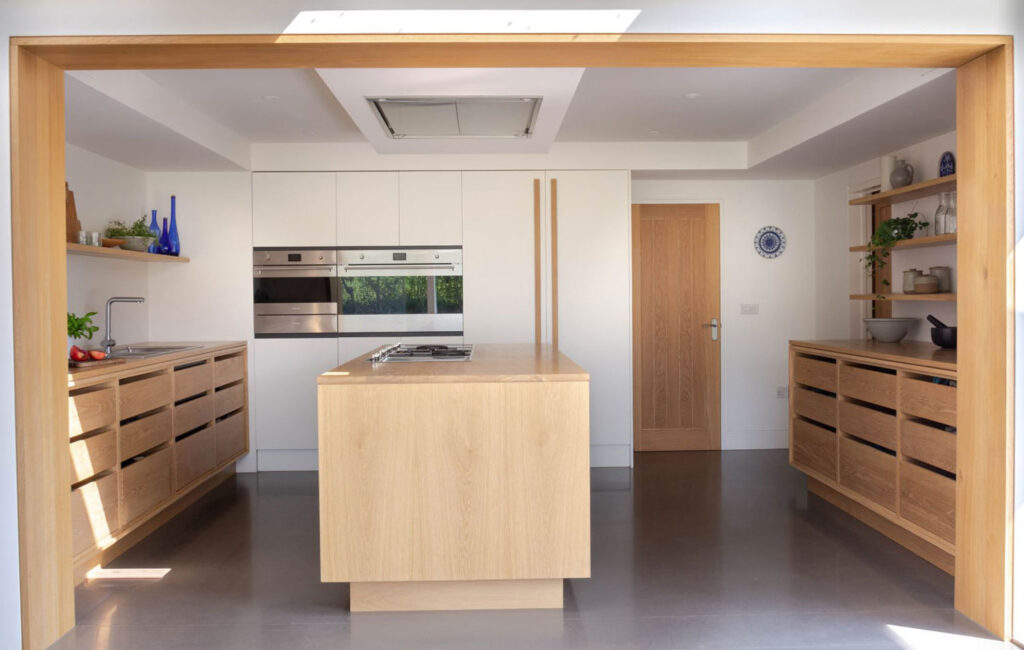
The finish does not need to look perfect. Slight variation can make each piece more interesting.
Joinery and construction details can also stand out when kept visible. A well-made drawer or a carefully finished edge can carry as much value as decorative items. These small elements show the quality of the build.
Accessories should reflect the same idea. Hand-formed ceramics or glass pieces with slight irregularities can sit on open shelves. Their shape and surface add interest in a quiet way.
This approach values how things are made, not just how they look at first glance. Over time, these materials develop more character, which adds depth to the kitchen in a lasting way.
Layer Your Lighting
Lighting in a Japandi kitchen should support how the space is used throughout the day. A single source rarely covers every need, so a mix of lighting types works better.
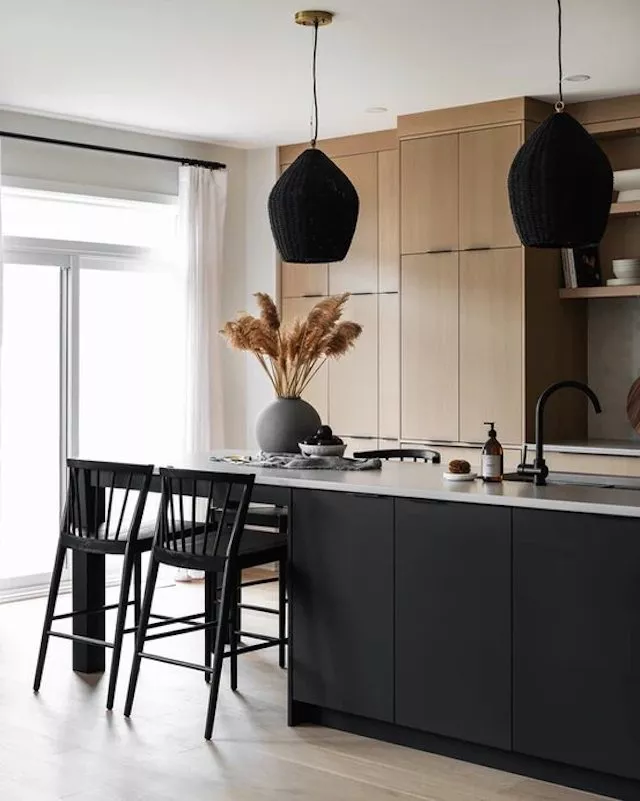
Ambient lighting sets the base. Recessed or track fixtures can provide general brightness across the room.
Task lighting then focuses on specific areas such as countertops or cooking zones. This improves function without adding clutter.
A pendant light over an island or dining area can act as a focal point. Its shape should stay simple, though the material can add interest. Wood, paper, or matte finishes work well in this setting.
Placement matters more than quantity. Each light should serve a clear role. Too many fixtures can make the space look crowded.
When arranged carefully, lighting defines different zones in the kitchen and supports both daily tasks and evening use.
Embrace Natural Materials Across the Kitchen
Natural materials shape the foundation of a Japandi kitchen. Wood often leads the design, especially in cabinetry or flooring.
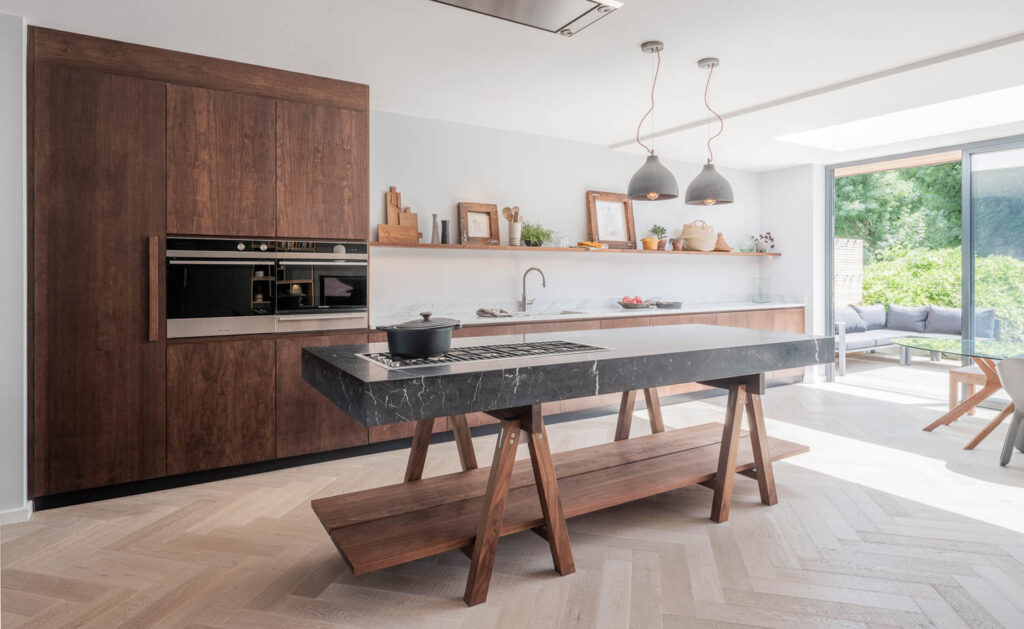
Oak and walnut bring depth through their grain, which adds interest without relying on bold color.
Stone surfaces can complement this. A countertop with a soft pattern or a matte finish can introduce variation. The goal is to keep surfaces tactile and grounded.
Other materials can support the main elements. Bamboo, rattan, or linen can appear in smaller details such as seating, storage, or textiles. These additions build layers across the space.
Texture should come from the materials themselves. This removes the need for heavy decoration. A woven rug or a simple fabric on a dining table can complete the setting.
This approach builds the kitchen through material choices alone. Each surface contributes to the overall design, creating a space that remains consistent.
Bring in Stone for Texture
Stone can shift the character of a Japandi kitchen through its surface alone. It introduces variation that flat finishes cannot provide.
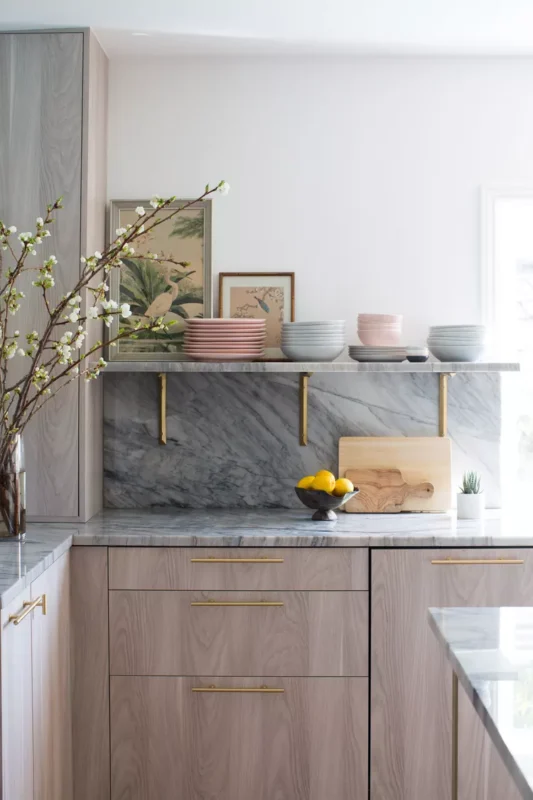
A countertop, backsplash, or even a feature wall can carry this material in a strong yet controlled way.
The type of stone matters. A softer pattern works better than something highly veined or busy.
Gentle movement across the surface keeps the look steady. It adds interest without pulling focus away from the overall layout.
Placement should feel intentional. Using stone in one main area often has more impact than spreading it across multiple surfaces. A single statement section can anchor the kitchen.
Edges and finishes also play a role. A honed or matte surface keeps the look grounded. Polished finishes can reflect too much light and shift the tone of the space.
Stone works best when paired with wood or neutral cabinetry. This combination builds contrast through material, not color, which keeps the kitchen easy to read.
Go Dramatic with All Black
An all-black Japandi kitchen offers a strong and defined look when handled with care.
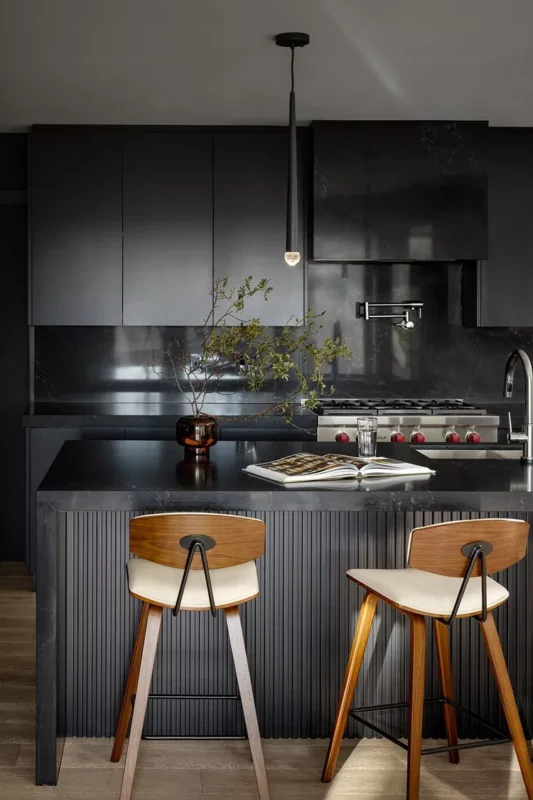
Dark cabinetry, matching surfaces, and deep-toned fixtures can create a unified appearance that stands out from lighter palettes.
Balance becomes essential in this setup. Clean lines and simple forms prevent the space from looking heavy. Flat-front cabinets and minimal detailing help maintain clarity across the design.
Lighting plays a major role here. Natural light can soften the depth of black surfaces during the day.
In the evening, well-placed fixtures can highlight key areas and prevent the room from appearing flat.
Texture should replace contrast. Matte finishes, wood accents, or stone elements can break up the uniform color. These details add variation through surface.
This approach suits those who prefer a bold direction. When planned carefully, it creates a kitchen that looks structured from every angle.
Introduce a Large Plant
A single large plant can transform the atmosphere of a Japandi kitchen. It brings scale and draws attention in a way smaller items cannot.
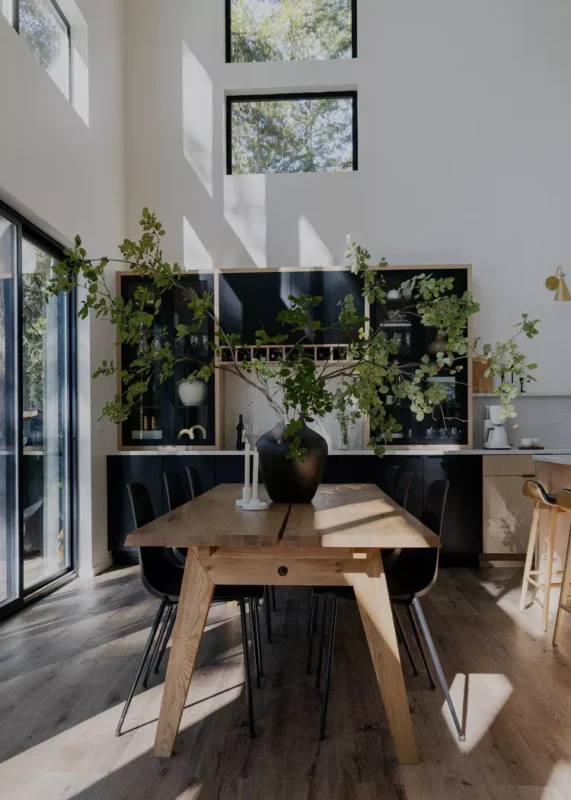
Placing it near a window allows it to connect with natural light, which strengthens its presence in the room.
Positioning matters. A corner or an open section near cabinetry works well where the plant can stand on its own. It should not compete with other elements for attention.
The shape of the plant can influence the overall look. Broad leaves or upright growth patterns align well with the clean structure of Japandi interiors.
These forms create contrast against straight lines found in cabinetry and surfaces.
The container should stay simple. Neutral ceramic or clay pots help keep the focus on the plant itself.
This addition introduces a natural element that shifts the balance of the room. It brings life into the space through scale and form.
Stick with Simple Lines
Simple lines form the backbone of a Japandi kitchen. Cabinet fronts, shelving, and surfaces should follow a clear direction with minimal interruption. This creates a layout that is easy to read at a glance.
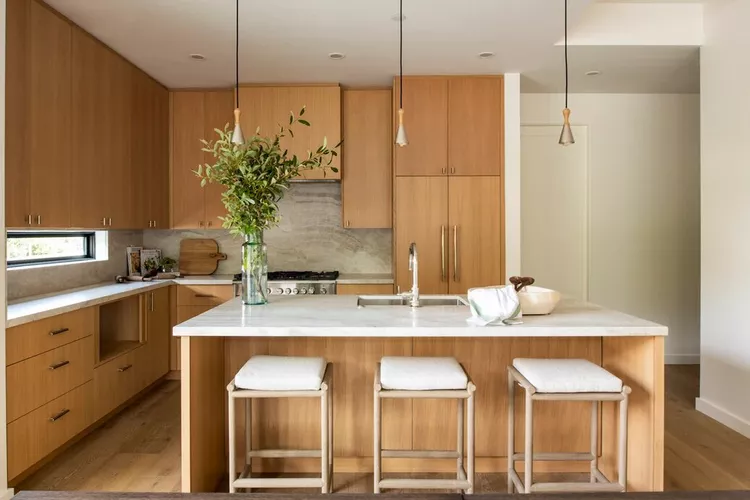
Flat panels and handleless designs help maintain this structure. They remove visual clutter and keep attention on the overall form of the kitchen.
Even small details like edge profiles can affect how clean the space appears.
Consistency matters across the room. Mixing too many styles can break the flow. Keeping lines aligned across cabinets, drawers, and countertops builds a sense of order.
Appliances can also follow this approach. Integrated designs help maintain a continuous surface. This prevents the layout from looking fragmented.
This method relies on precision. Each element fits into a clear framework, which gives the kitchen a strong and controlled appearance.
Use Symmetrical Tiles
Symmetry in tile layout can bring structure to a Japandi kitchen. A balanced arrangement creates a sense of order that supports the overall design. This performs in backsplashes or feature walls.
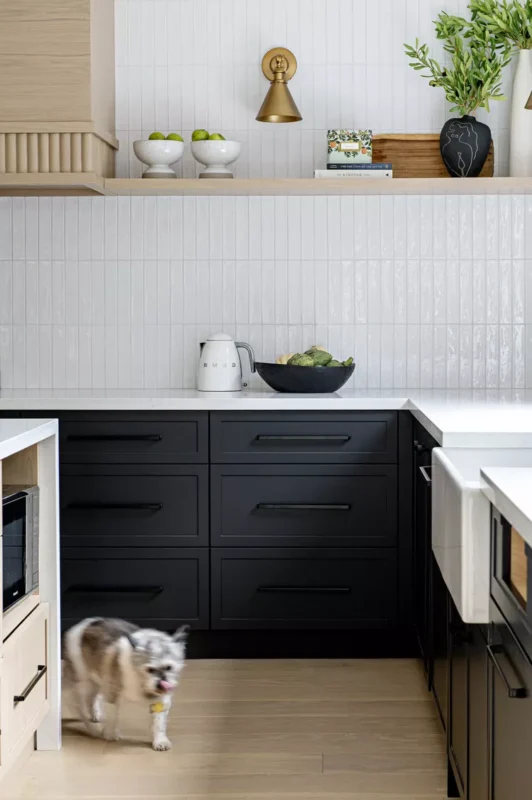
The tile shape should stay simple. Rectangular or square forms often work best because they align easily and maintain a steady rhythm. Complex patterns can disrupt the balance.
Spacing and alignment need careful planning. Even gaps and straight lines keep the pattern consistent across the surface. Small inconsistencies can stand out more in a symmetrical layout.
Color choice should remain controlled. Neutral tones allow the pattern to stand out through placement instead of contrast. This keeps the design cohesive.
This approach builds interest through precision. The repetition of form creates a clean and structured backdrop that supports the rest of the kitchen.
Match the Tone of Wood with Other Colors
When you bring wood into your kitchen, the tone you choose will guide the rest of the design. You want every element to relate back to it in a clear way.
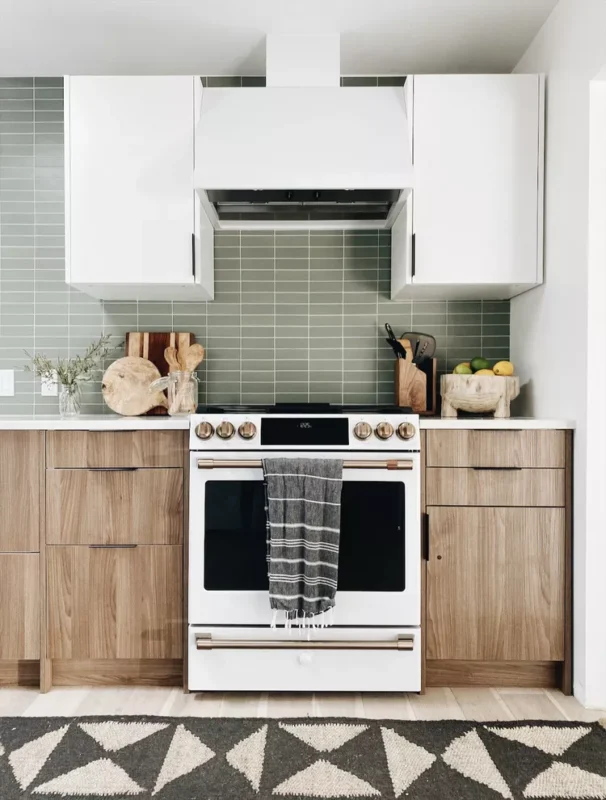
If your cabinets lean warm, then your walls, flooring, and smaller details should follow a similar direction. This keeps the space from looking disconnected.
You do not need everything to match exactly. Small shifts in shade can add depth, though the undertone should stay consistent.
A warm oak cabinet can sit well with soft beige walls or muted clay accents. On the other hand, cooler woods pair better with grey-based tones.
Pay attention to finishes around the room. Metal fixtures, tiles, and even textiles should support the wood instead of clashing with it. A mismatched tone can break the flow.
When you get this balance right, the kitchen starts to look more considered. The wood becomes a reference point that helps you make every other design decision with clarity.
Choose Sleek Light Fixtures
Lighting fixtures can shape how your kitchen looks just as much as cabinets or surfaces.
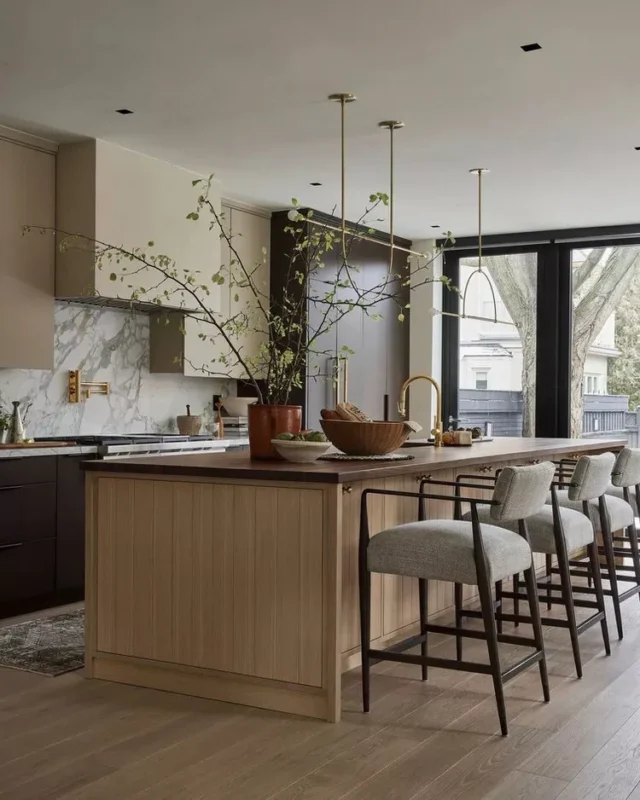
When you select them, focus on clean forms that align with the overall structure of the space. Simple silhouettes tend to work best here.
You might choose a pendant with a smooth finish or a narrow profile that does not draw too much attention.
The goal is to support the design, not compete with it. Placement also matters. A well-positioned fixture above an island or dining area can define that section clearly.
Material choice can add quiet variation. Matte metal, wood, or paper-based designs can introduce texture in a controlled way.
These details can shift the tone of the room without overwhelming it.
Think about how the light spreads as well. A soft, even glow can make the space more usable in the evening.
When each fixture serves a purpose, your kitchen will look more organized and easier to use.
Blend Angular and Fluid Shapes
A Japandi kitchen does not need to rely only on straight lines. You can create more interest by mixing angular forms with softer shapes. This contrast helps the space look less rigid.
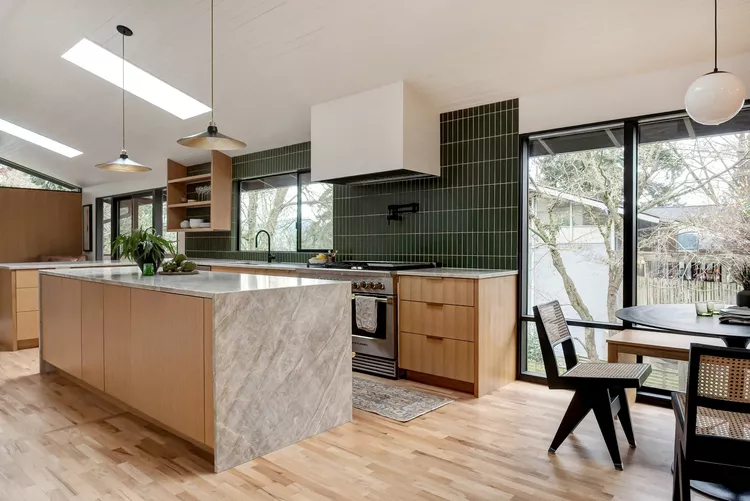
Start with the main structure. Cabinets, countertops, and shelving often follow straight lines. These elements give the kitchen its framework.
From there, you can introduce curved forms through smaller pieces. A round table, a soft-edged stool, or a curved light fixture can shift the overall look.
You do not need many curved elements to make an impact. Even one or two can change how the space reads.
The key is placement. Let these shapes stand out instead of hiding them among too many similar pieces.
Materials can help tie everything together. Keeping a consistent palette allows different shapes to work in the same space. When done well, this mix creates a kitchen that looks amazing.