13 Ways To Make Your Living Room Look Luxurious

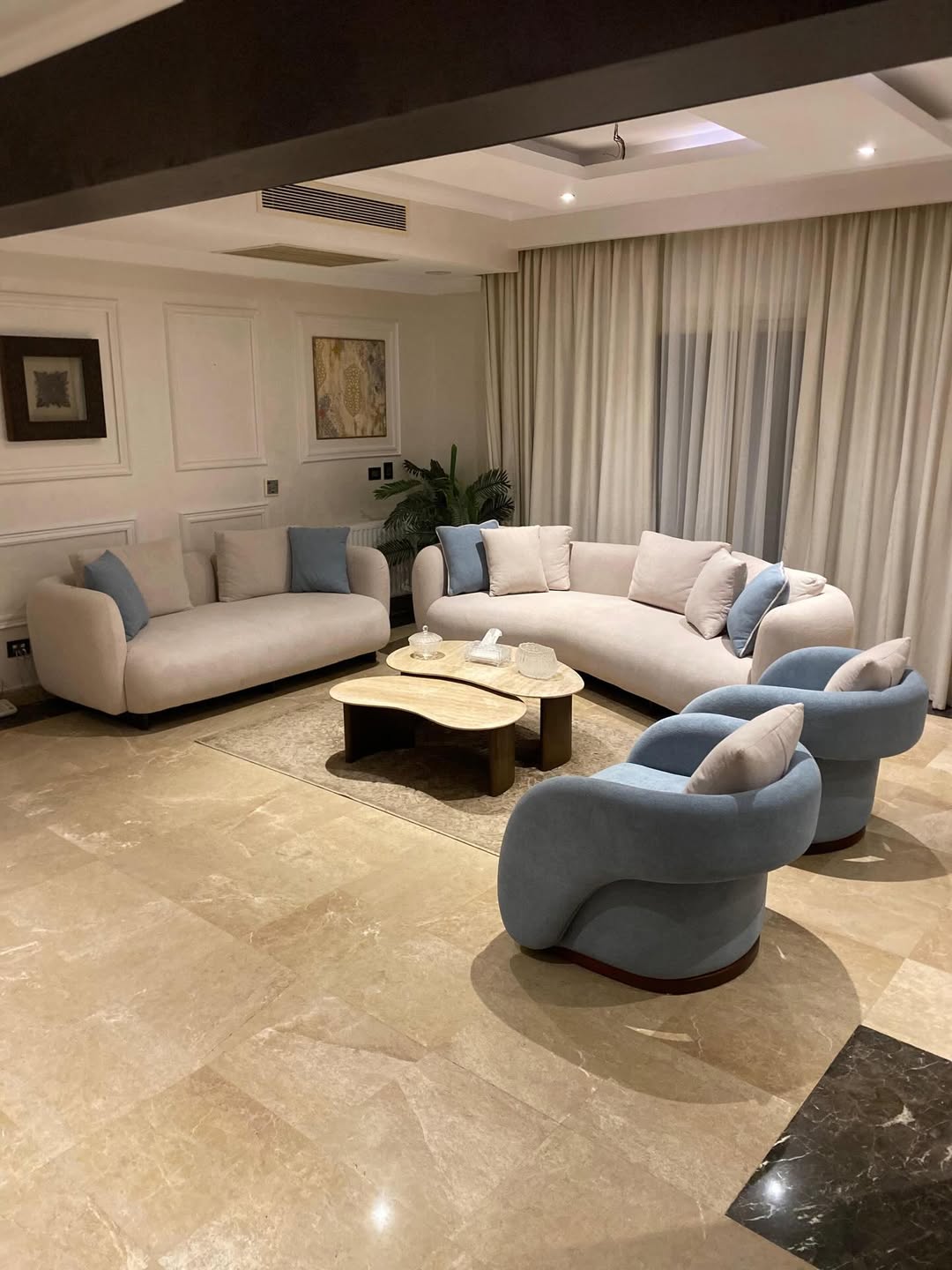
A luxury living room goes beyond expensive furniture. It’s about how every element comes together to shape a refined space.
You may think luxury meant filling a room with statement pieces, but that approach rarely delivers a balanced result.
Once layout, materials, and lighting align, the difference becomes clear. Small details start to carry more weight.
These ideas explore ways to elevate a living room through smart choices that create a well-structured interior.
13 Luxury Living Room Design Ideas
Incorporate Marble Touches
Marble has a way of shifting a living room into a more refined direction almost instantly.
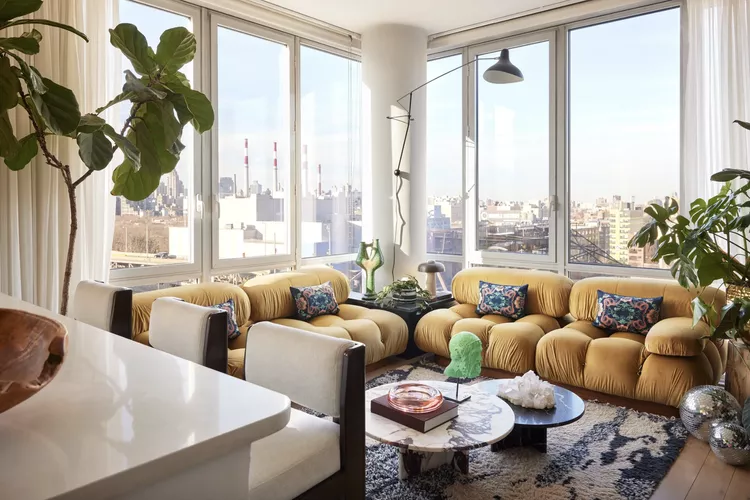
I’ve noticed even small additions such as a marble coffee table or side console can change how the entire space is perceived.
The natural veining introduces movement across a surface that would otherwise appear plain, giving the room a richer visual structure.
Pairing marble with softer materials like velvet or linen helps avoid a cold atmosphere. Wood accents also work well here, especially in warmer stains that balance the stone’s polished surface.
Lighting plays a major role too, since marble responds beautifully to natural light and soft artificial glow.
When I’ve worked with marble elements in interiors, I’ve found that restraint delivers better results than excess. One or two statement pieces usually carry the entire look.
Avoid this: Filling the room with multiple marble surfaces can make the space feel overly rigid and visually repetitive.
Maximize Natural Smart Lighting
Lighting can redefine how a luxury living room is experienced throughout the day.
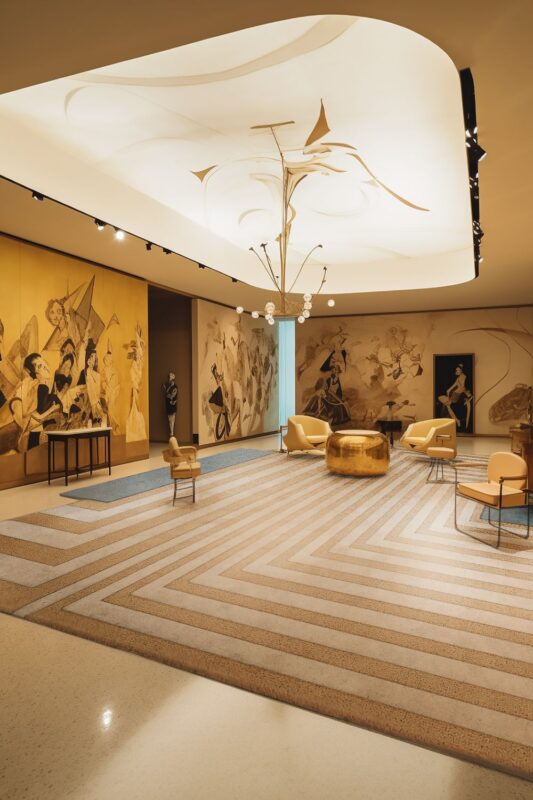
Large windows that allow daylight to move freely across the space often create a strong foundation for an upscale interior.
Many rooms transform simply by adjusting curtain weight or repositioning seating closer to natural light sources.
Smart lighting systems add another layer of control. Adjustable brightness and tone allow the room to shift from bright daytime clarity to a softer evening atmosphere.
This flexibility helps highlight different textures in furniture, walls, and décor.
Reflective surfaces such as glass tables or metallic décor can help distribute light more evenly.
Placement of mirrors also plays a subtle role in amplifying brightness across corners that would otherwise remain dim.
Avoid this: Relying too heavily on artificial lighting during the day can flatten the natural dimension of the room.
Use Wallpaper in the Room
Wallpaper can completely shift the tone of a luxury living room when chosen with intention.
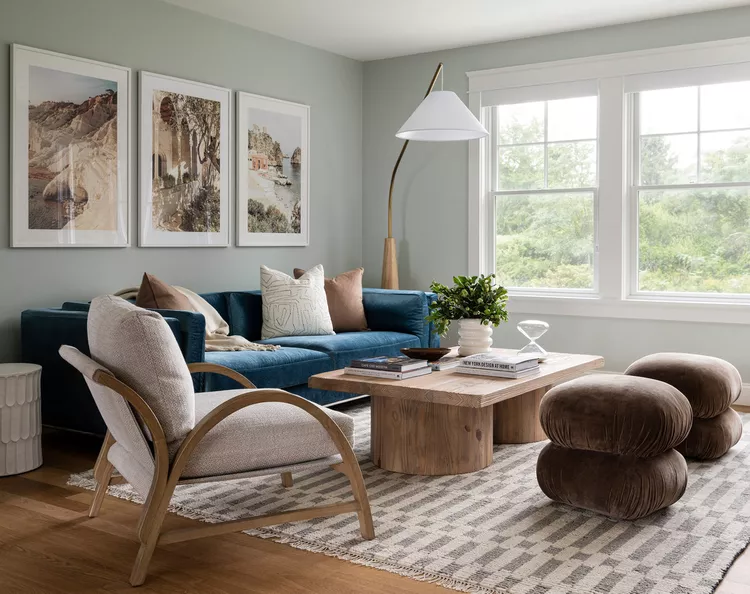
A single patterned wall usually creates more impact than covering every surface. Textured designs, metallic finishes, or subtle geometric patterns can introduce depth that paint alone rarely achieves.
The placement of wallpaper matters just as much as the design itself. Behind a sofa or along a main focal wall tends to work best since it naturally draws attention.
Pairing wallpaper with simple furniture helps maintain balance.
In some projects, I’ve combined muted wallpaper with bold furniture pieces to create contrast without visual overload.
The relationship between pattern and structure becomes the highlight rather than a single dominant element.
Avoid this: Covering all walls with heavy patterns can make the room visually dense and reduce its sense of openness.
Cut the Clutter
Luxury interiors often depend on clarity of space. Even well-designed rooms lose impact when too many items compete for attention.
Removing unnecessary objects allows furniture and architectural details to stand out more confidently.
Storage plays a quiet but important role here. Built-in cabinets, hidden compartments, or minimal shelving help maintain order without drawing focus.
Every piece placed in the room should serve a purpose or contribute visually.
When I work on layouts, I usually start by removing half of what initially seems necessary. That process often reveals a cleaner direction for the entire space.
Open surfaces such as coffee tables or consoles should stay visually calm. A few carefully chosen objects carry more presence than a crowded arrangement.
Avoid this: Filling every surface with décor reduces visual breathing space and weakens the overall design impact.
Strong Dark Tones
Dark tones can bring a strong sense of drama to a luxury living room. I’ve seen deep shades like charcoal, navy, or espresso completely reshape the atmosphere of a space when used with intention.
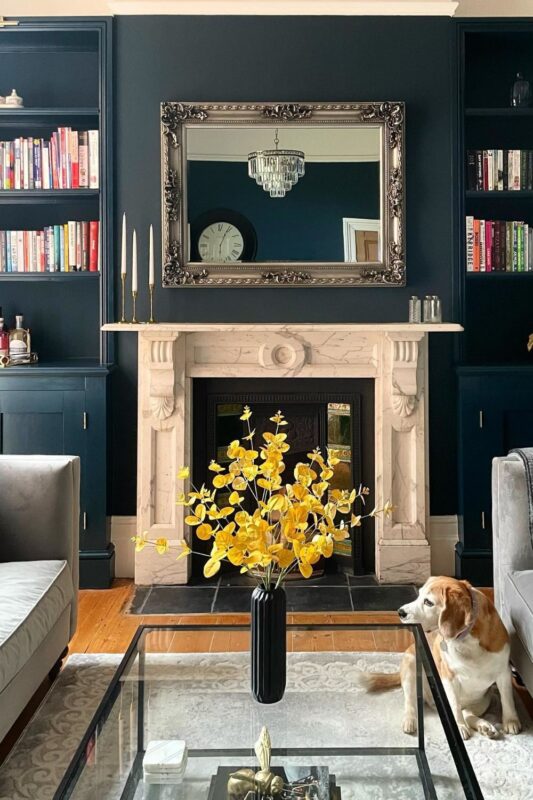
These colors work especially well when balanced with lighter accents or reflective surfaces.
Upholstery in darker fabrics, such as velvet or leather, often becomes the anchor of the room. Pairing these with metallic details like brass or gold introduces contrast that lifts the overall composition.
Lighting becomes especially important in darker interiors. Soft, layered illumination helps prevent the room from appearing too enclosed, allowing textures to remain visible even in low light.
Artwork also plays a strong role here, since lighter or colorful pieces stand out more clearly against dark backdrops.
Avoid this: Relying solely on dark shades across every surface can make the space feel visually heavy and reduce contrast.
Invest in a Large Area Rug
A large area rug has a way of pulling a luxury living room together by defining space in a clear, structured way.
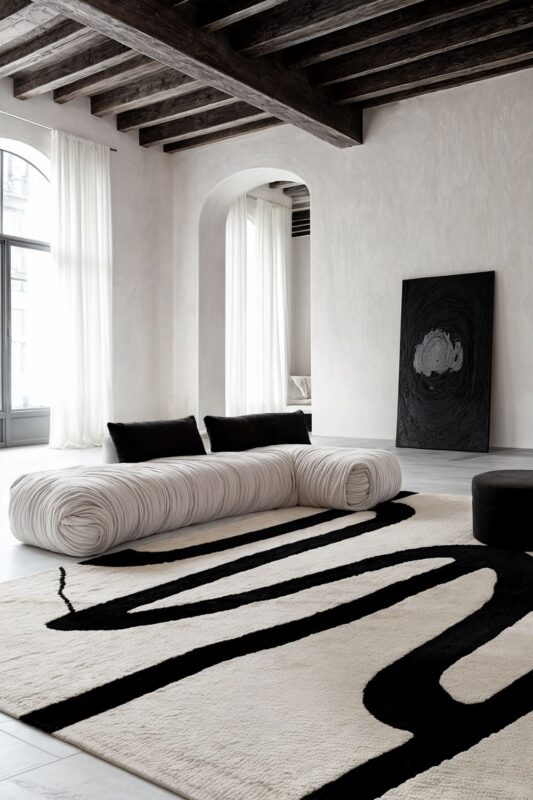
When a rug is properly sized, it anchors the seating area and prevents furniture from appearing scattered across the floor. It becomes the foundation that everything else builds around.
Texture plays a major role here. Wool, silk blends, or high-quality synthetic fibers can introduce a refined surface underfoot while also adding visual weight to the room.
Patterns can range from subtle tonal designs to more expressive layouts, depending on the direction of the interior.
Placement should allow all key furniture pieces to sit comfortably on or partially on the rug. This creates a sense of cohesion across the layout and avoids fragmented zones.
In larger rooms, a rug can also help separate living and dining areas without physical dividers.
Avoid this: Choosing a rug that is too small breaks the balance of the room and makes the furniture grouping look disconnected.
Incorporate a Fireplace
A fireplace often becomes the visual anchor of a luxury living room. In many layouts I’ve worked on, it sets the tone for the entire space.
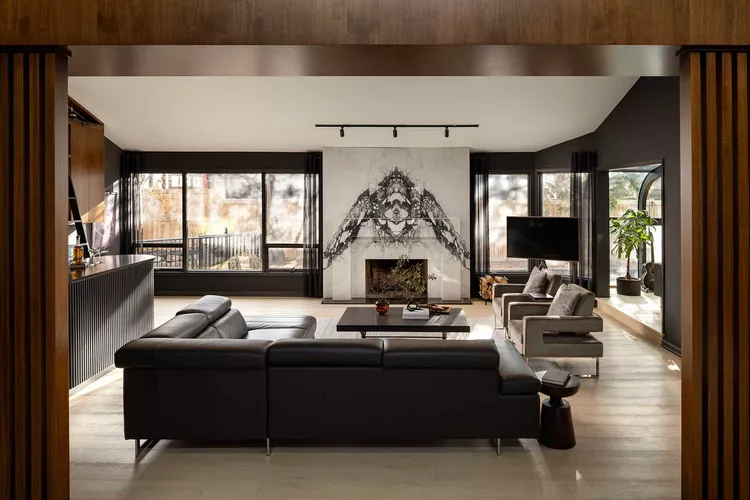
Whether traditional stone or a sleek modern installation, it introduces both structure and presence.
Material choice shapes the overall direction. Marble surrounds create a polished look, while textured stone brings a more grounded character.
Even minimalist designs can hold strong visual impact when framed correctly.
Seating usually orients around the fireplace, encouraging a natural flow within the room. This arrangement supports conversation.
Lighting around the fireplace should remain soft to enhance its natural glow during evening hours. Decorative elements placed on the mantel can be rotated seasonally to keep the space dynamic.
Avoid this: Overdecorating the mantel area can pull attention away from the fireplace itself and weaken its focal strength.
Sculpted Neutrals
Sculpted neutrals focus on shape and texture rather than color variation. I’ve found this approach creates a refined atmosphere where furniture becomes the main design statement.
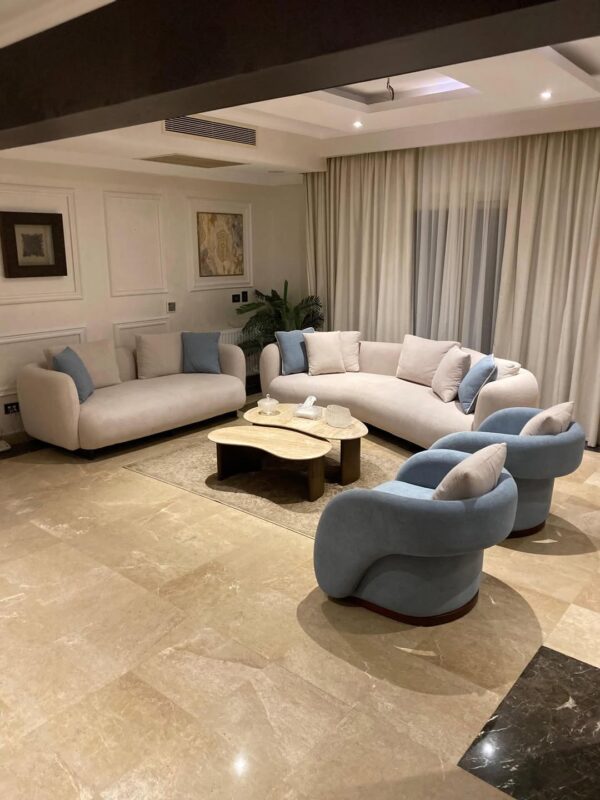
Think curved sofas, ribbed cabinetry, or layered plaster walls in soft neutral tones.
The strength of this style lies in surface detail. Even when the palette stays restrained, texture introduces movement across the room.
Bouclé fabric, matte finishes, and softly contoured furniture all contribute to this layered effect.
Lighting plays a quiet but important role here. Shadows cast across sculpted surfaces help define depth throughout the space, especially in the evening.
Artwork can stay minimal, often monochrome or abstract, to maintain focus on form rather than color.
Avoid this: Using flat, uniform surfaces throughout the room reduces the impact of sculpted design elements and flattens the overall composition.
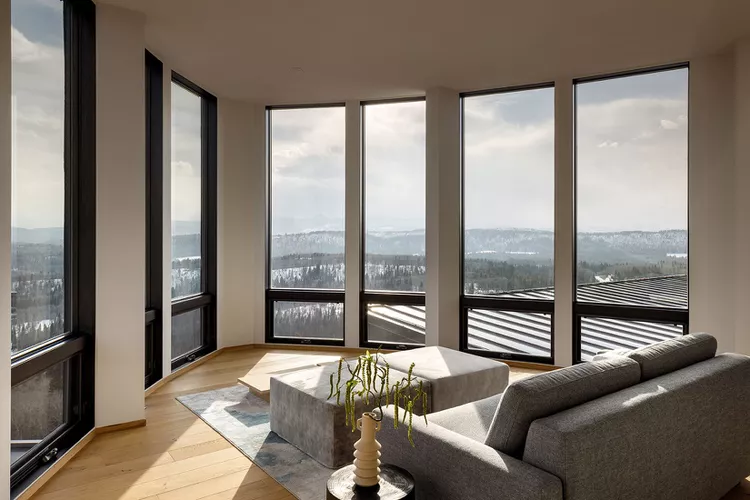
Maximize Your Views
A luxury living room gains a different level of presence when natural views become part of the design.
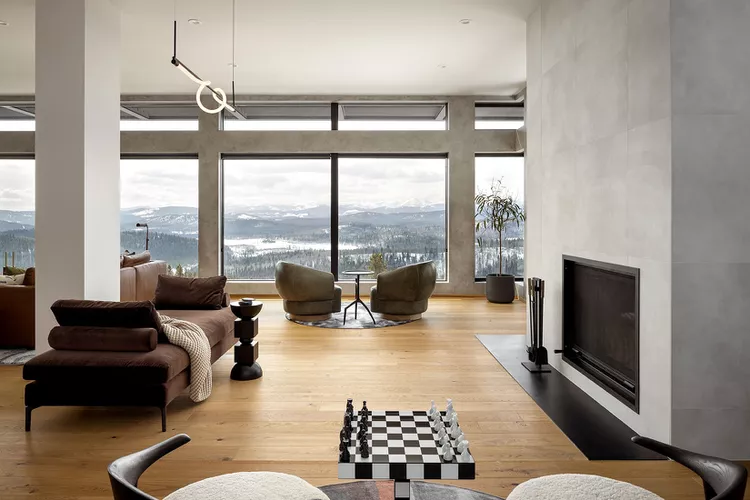
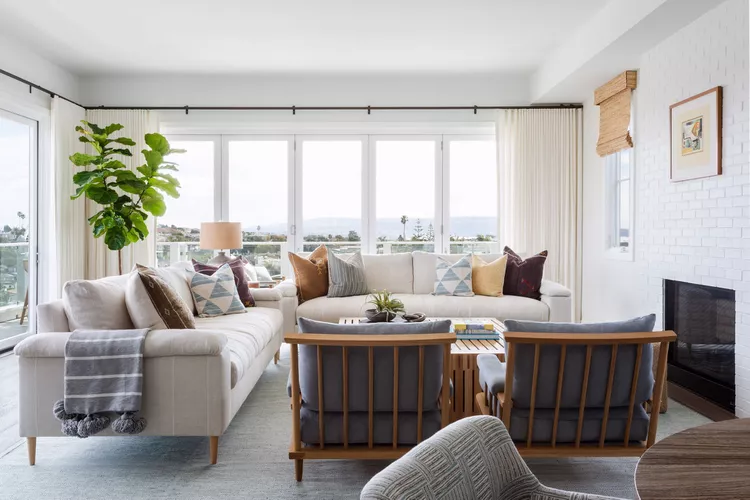
Orient furniture toward large windows or open landscapes to transform the space. The outside environment becomes an extension of the interior.
Window treatments should stay light and adjustable so they frame the view rather than block it. Sheer curtains or motorized blinds often work well for this purpose.
Furniture placement plays a key role. Seating should encourage engagement with the outside scenery while still supporting conversation inside the room. This balance keeps the layout functional.
Reflective surfaces like glass or polished stone can also help draw the eye outward by echoing natural light.
Avoid this: Placing heavy furniture directly in front of windows can interrupt sightlines and reduce the impact of the view.
Pick Luxe Chairs
Luxury living rooms often gain character through carefully selected chairs. Basically, a single well-designed chair can introduce visual strength into the space.
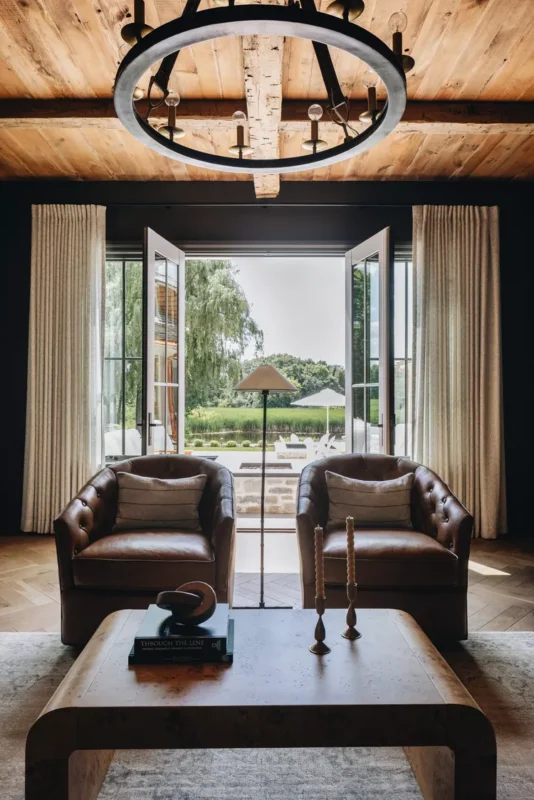
Sculptural silhouettes or high-end materials tend to stand out immediately.
Fabric choice plays a major role. Velvet, leather, or finely woven textiles can each shift the tone of the room in different directions.
The chair becomes more than seating; it acts as a design statement.
Pairing chairs with small side tables or accent lighting helps create intimate zones within a larger layout. This adds function without overcrowding the room.
Positioning matters as well. Chairs placed at angles often bring more movement to the design compared to rigid alignment.
Avoid this: Choosing chairs that match the sofa too closely can reduce visual contrast and make the seating area appear overly uniform.
Style Your Coffee Table
A coffee table often becomes the quiet center of a luxury living room, shaping how the surrounding seating area comes together.
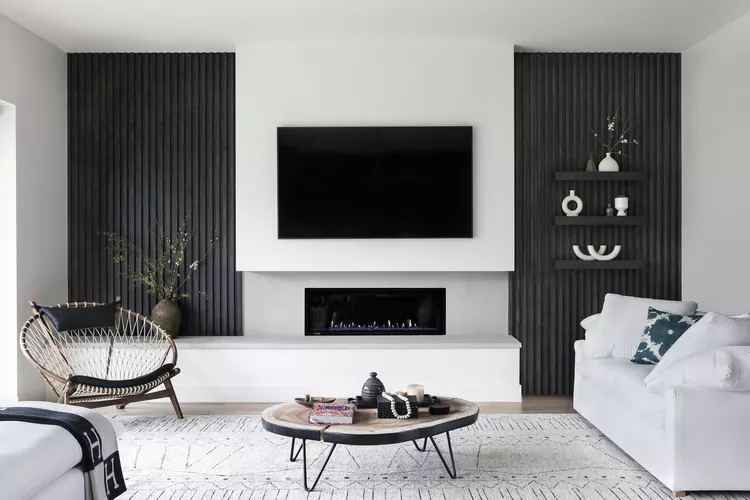
I’ve seen how even a simple arrangement can shift the entire look of a space when placed with intention.
A mix of sculptural objects, stacked books, and a single decorative piece usually brings balance without overcrowding the surface.
Material selection matters as well. Marble, glass, or polished wood each set a different tone.
A glass table keeps the room visually open, while stone introduces weight and presence. Wood brings warmth that softens sharper interior elements.
Spacing plays a subtle role. Leaving sections of the surface open allows the eye to rest and keeps the arrangement from appearing busy. Items should relate in height and proportion so the composition stays steady.
Avoid this: Filling the entire surface with décor reduces clarity and turns the table into visual noise instead of a focal point.
Choose Oversized Sofas
An oversized sofa can define the scale of a luxury living room. Larger seating pieces often create a stronger sense of presence in open layouts where furniture needs to anchor the space.
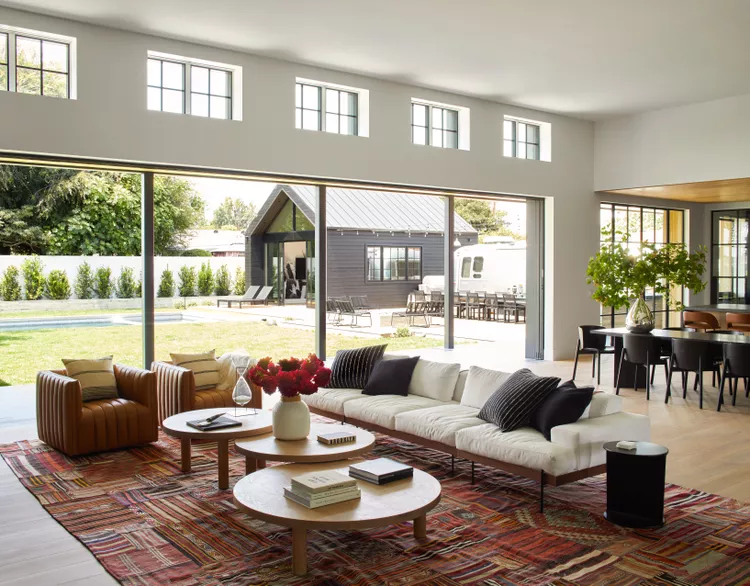
The silhouette alone can set the tone for everything around it.
Fabric selection plays a major role. Bouclé, velvet, or high-grade linen can shift the personality of the sofa depending on texture and finish.
Neutral shades tend to support long-term styling flexibility, while deeper tones add drama.
Placement should respect circulation paths while allowing the sofa to remain the central focus.
Pairing it with a low-profile coffee table helps maintain visual balance across the room.
Accent cushions can introduce contrast through color or texture without disrupting the main design direction.
Avoid this: Placing oversized seating in a tight room disrupts flow and makes the layout feel compressed.
Buy Luxury Curtains
Luxury curtains bring height, softness, and structure into a living room at the same time.
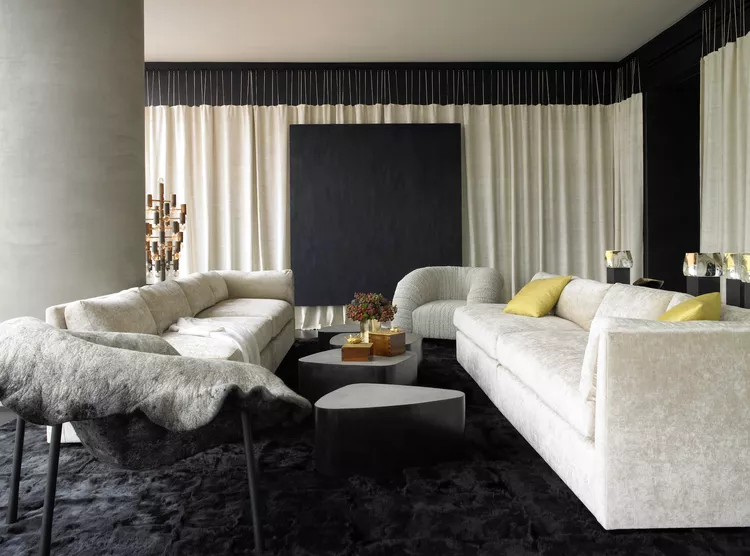
Floor-to-ceiling drapery changes the perception of ceiling height and frames windows in a more deliberate way.
Fabric choice defines the overall effect. Silk, velvet, or heavy linen each carries a different level of presence.
Silk reflects light softly, velvet adds richness, while linen keeps the look understated yet refined.
Color coordination with the rest of the room helps maintain visual consistency. Curtains can either blend into the walls or act as a contrasting feature that frames the space.
Hanging position plays a crucial role. Mounting rods closer to the ceiling creates a taller appearance, while wider curtain panels allow fabric to fall in clean folds.
Avoid this: Short curtains that stop above the window line interrupt vertical flow and weaken the sense of scale in the room.