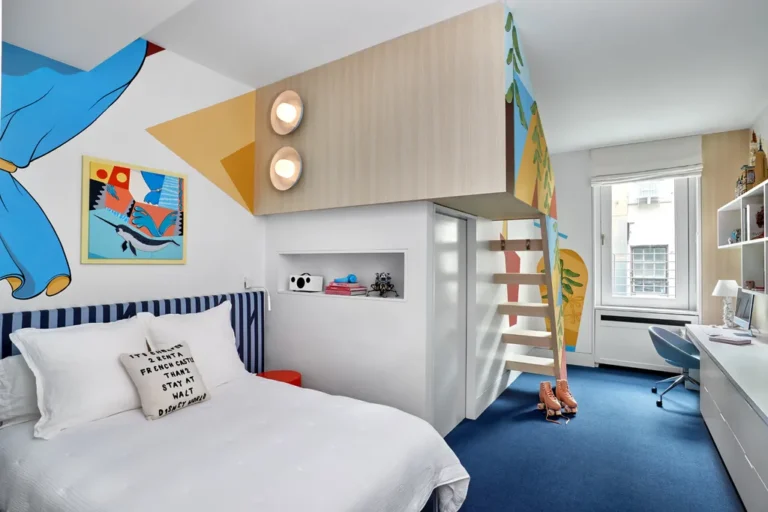
13 Modern Eclectic Living Room Design Ideas

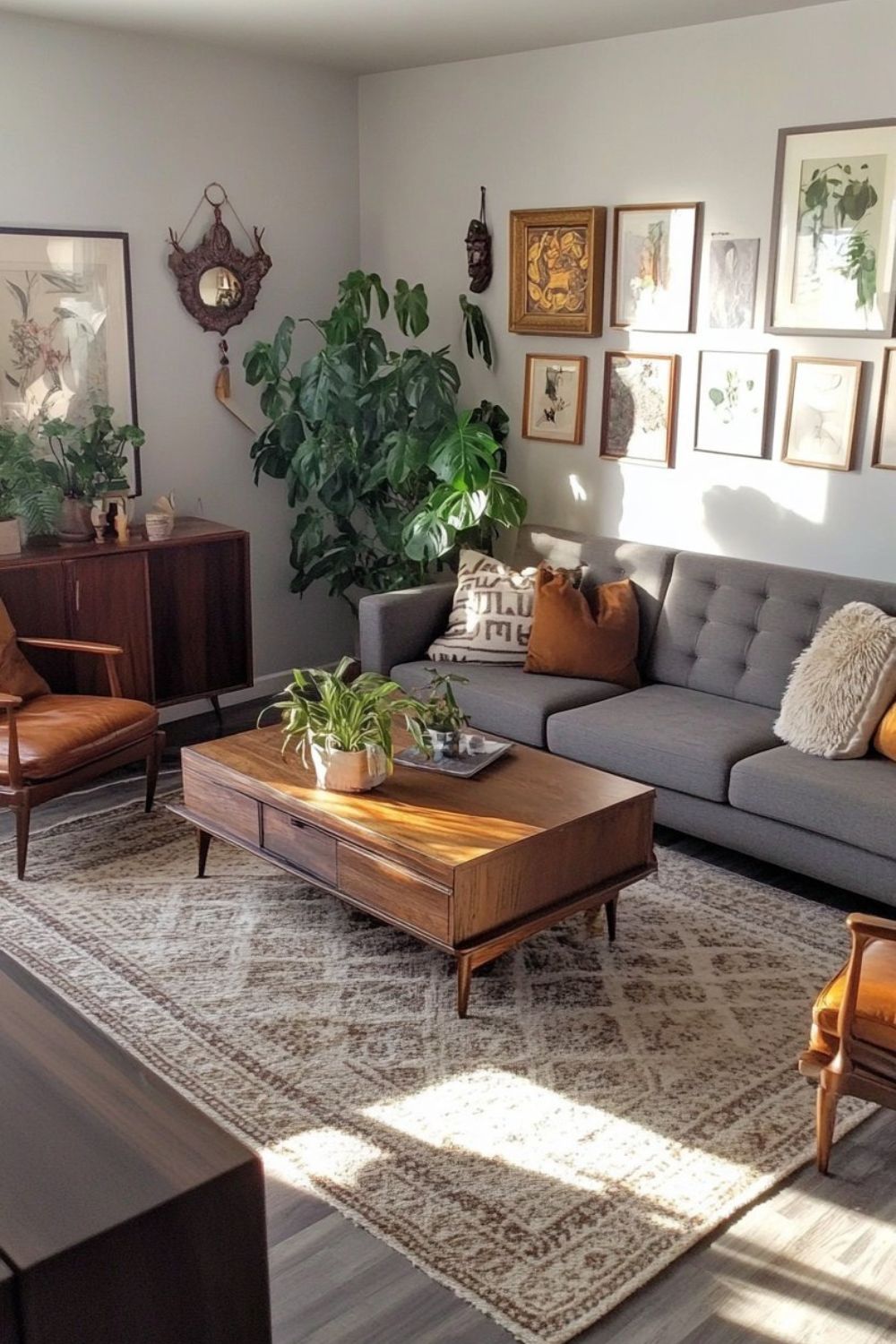
Eclectic living rooms have always caught my attention because they break the usual design rules.
I used to think mixing styles would look messy if not done carefully.
After trying it out, I admit that they can actually bring a space to life in a very personal way.
Different textures, colors, and pieces can work together when there’s a clear direction.
Read these 13 ideas to explore how to combine elements that creates a space full of visual interest.
5 Items You Need For The Room:
- A bold statement rug that acts as the anchor of a living room (Lahome Modern Abstract Washable 5×7 Area Rugs – on Amazon).
- Artistic throw pillows to introduce layers of style in an eclectic space (Topfinel Decorative Throw Pillow Covers Cushion Cases – on Amazon).
- Mixed-material coffee table to enhance visual interest (CAJCA Coffee Table for Living Room Mid Century Modern Center Table on Amazon).
- Oversized wall art that makes an impressive statement (Large Framed Neutral Abstract Wall Art on Amazon).
- Accent lighting fixture to improves ambience (RUIYEY Modern Chandelier Ceiling Light Fixture on Amazon).
Eclectic Living Room Ideas
Combine Natural Materials with Sleek Finishes
An eclectic living room thrives on contrast, so pairing raw materials with refined surfaces can create a striking balance.
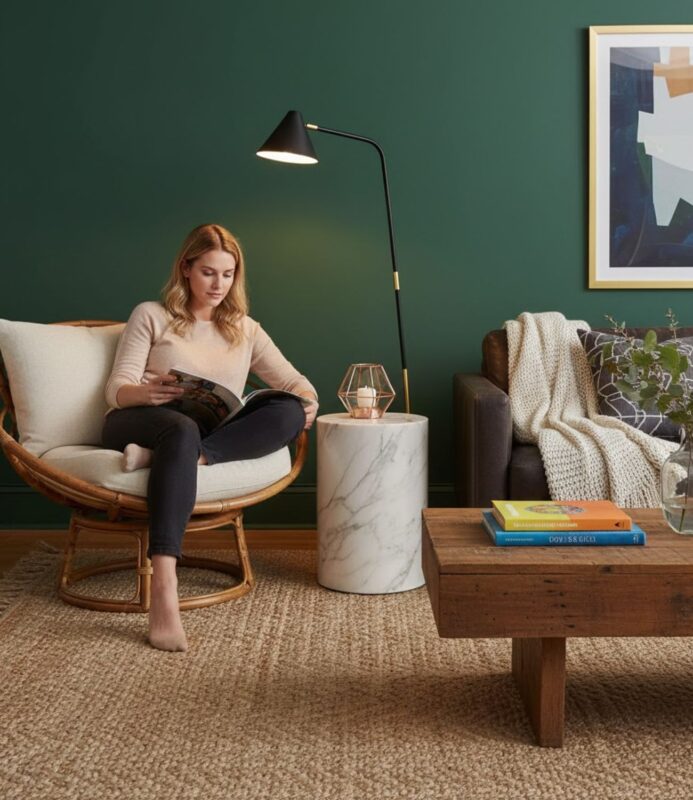
Think of a space where a solid wood coffee table sits beside a polished metal floor lamp, or a stone accent wall meets a smooth lacquered console.
This mix introduces variety that keeps the room visually engaging.
Start with a few anchor pieces. A natural wood element can set the tone, then bring in sleek finishes through lighting, décor, or smaller furniture.
Spread these elements across the room so one side does not feel heavier than the other.
Color also plays a role. Earthy tones from natural materials can be paired with cooler shades found in modern finishes. This contrast helps each piece stand out in its own way.
Keep lines clean for the sleeker items so they complement the irregular textures of natural materials.
Pro Tip: Repeat one material at least twice in the room to create a sense of connection across different elements.
Avoid This: Don’t cluster all natural textures in one area, as it can make the layout uneven.
Vibrant Boho with Jewel Tones
A jewel-toned palette can bring richness into an eclectic living room, especially when paired with boho-inspired décor.
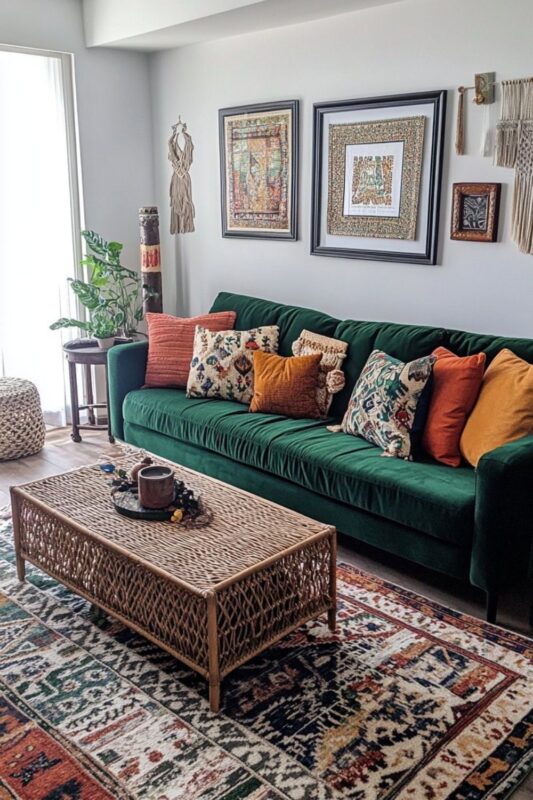
Deep emerald, sapphire, or burgundy can serve as focal colors that energize the space.
Start with one dominant tone, such as a velvet sofa or large rug. Then layer in complementary shades through cushions, throws, or artwork.
This builds a cohesive color story without making the room look scattered.
Textures is vital. Woven fabrics, embroidered textiles, or patterned rugs can introduce variation across the room. These details help break up solid colors.
Furniture can stay simple in shape so the colors and textiles take center stage. Wooden or rattan pieces can soften the intensity of jewel tones.
Lighting with warm bulbs can enhance these colors, giving them a richer appearance during evening hours.
Pro Tip: Choose one jewel tone as the main focus, then use smaller accents to support it across the room.
Avoid This: It’s not recommended to use too many bold colors in equal amounts, as it can create visual competition.
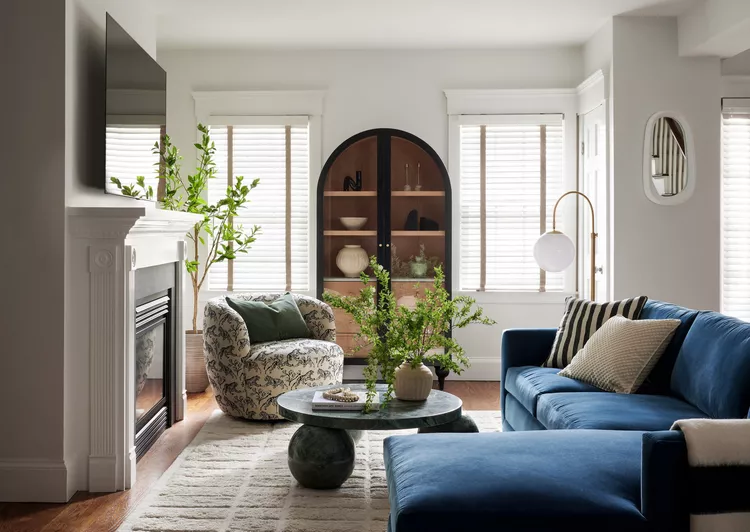
Choose a Unique Sofa Shape
A distinctive sofa shape can set the tone for an eclectic living room. Instead of a standard rectangular design, consider curved silhouettes, asymmetrical layouts, or modular pieces that shift the visual flow of the room.
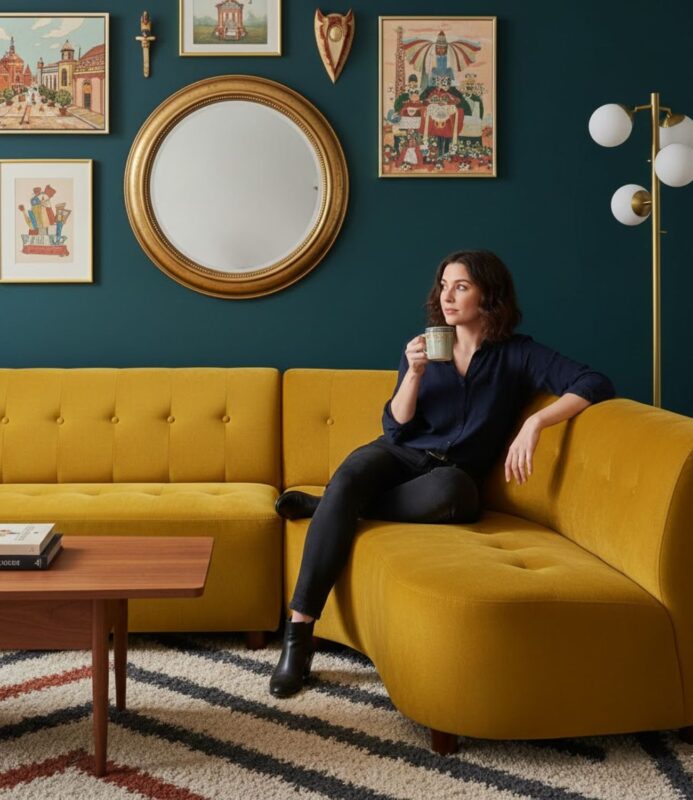
A curved sofa can soften sharp architectural lines, creating a more dynamic arrangement. Modular seating allows flexibility, giving you the option to rearrange based on the layout or occasion.
Once the sofa is in place, build the rest of the room around it. Coffee tables, rugs, and lighting should complement its form rather than compete with it. This keeps the overall design balanced.
A neutral tone can highlight the shape, while a bold color can turn the sofa into a statement piece.
Spacing is key. Leave enough room around the sofa so its shape can be appreciated from different angles.
Pro Tip: Use a round or irregular rug to echo the sofa’s shape and reinforce the design direction.
Avoid This: Don’t place bulky furniture too close to the sofa, as it can hide its unique form.
Layer Textures for Depth and Warmth
Texture plays a major role in creating an eclectic living room that is complete. Mixing materials such as wool, leather, cotton, or woven fibers adds variation that keeps the space visually engaging.
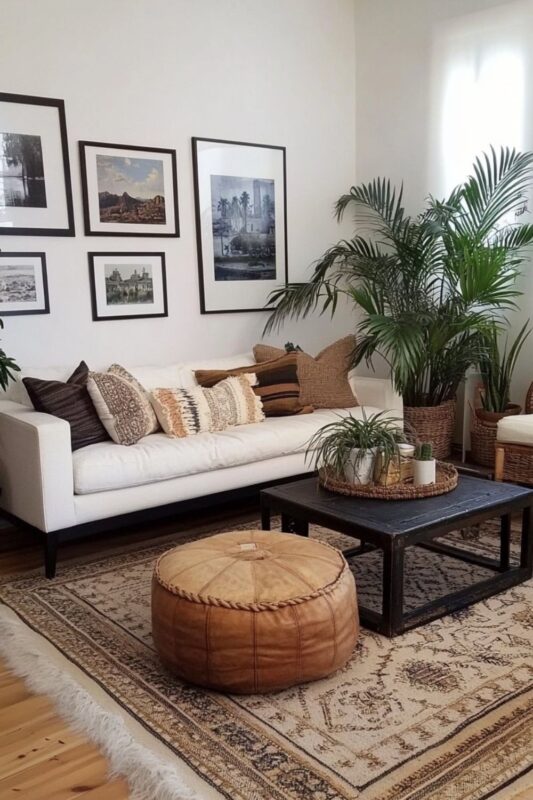
Start with larger elements like rugs or upholstery. A textured rug underfoot can anchor the room, while a leather chair or fabric sofa adds contrast.
Smaller details such as cushions or throws can build on this foundation.
Wall treatments can also contribute. A textured wall panel or fabric hanging can introduce another layer of interest. Even simple elements like curtains can add softness and variation.
The key is to create a mix that feels intentional. Each texture should have its place within the room.
Lighting can enhance these materials by casting shadows that highlight their surfaces.
Pro Tip: Combine at least three different textures to create a balanced and dynamic look.
Avoid This: Avoid using too many similar textures, as it can make the room look flat.
Use Gallery Walls for Personal Expression
A gallery wall can bring personality into an eclectic living room by showcasing art, photos, or collected pieces. This approach allows the space to reflect individual style through a curated arrangement.
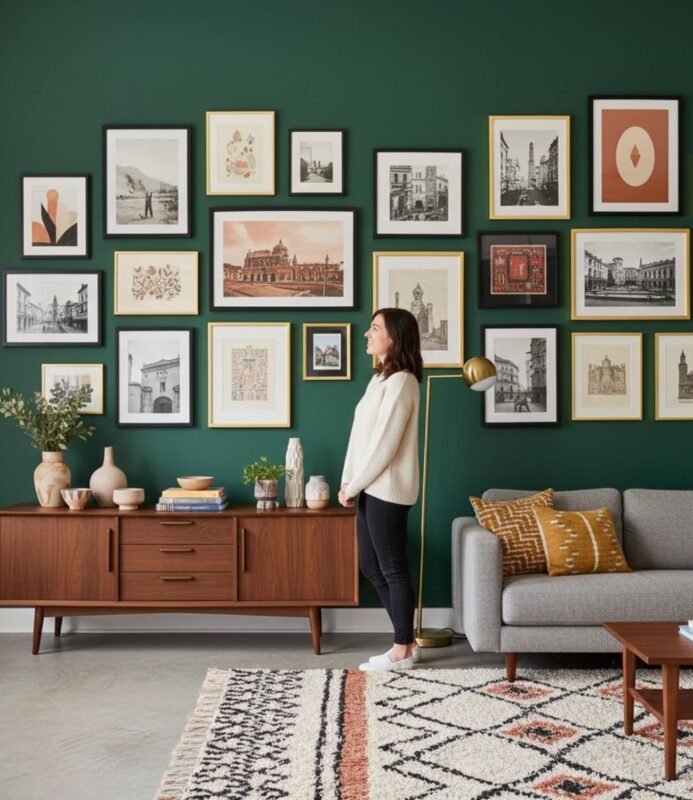
Start by selecting a mix of artwork that shares a loose connection, such as color palette or theme. Frames can vary in style, though keeping a consistent tone helps maintain balance.
Arrangement is important. Lay out the pieces on the floor first to find a composition that feels right before hanging them. Spacing between frames should remain even to keep the display organized.
The gallery wall can serve as a focal point, especially when placed above a sofa or along a main wall.
This idea works well for those who enjoy mixing styles and showcasing personal collections.
Pro Tip: Start with a central piece, then build outward to create a balanced layout.
Avoid This: Don’t place frames too close together, as it can make the arrangement look cluttered.
Incorporate Greenery Across the Room
Plants can shift an eclectic living room from static to lively by introducing organic shapes that contrast with structured furniture.
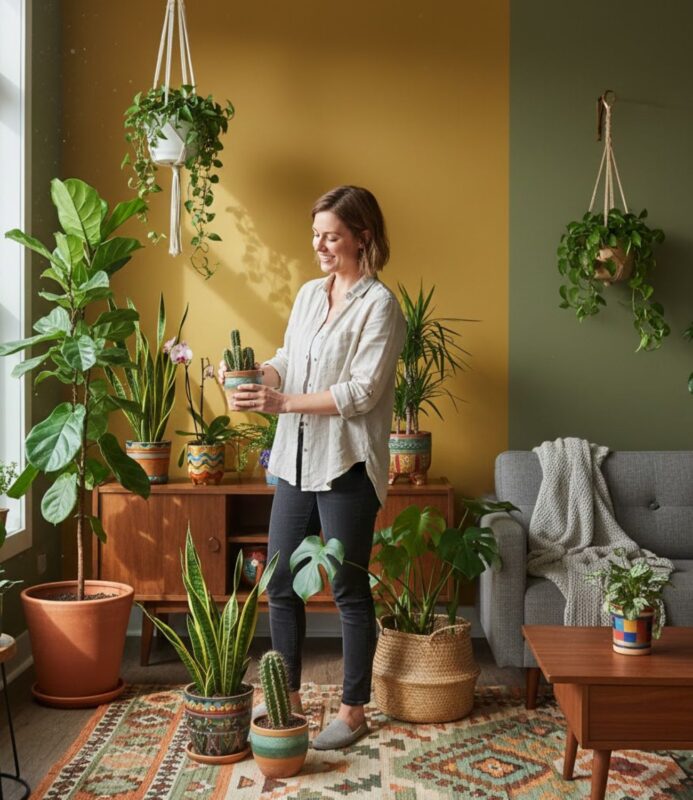
Large leafy plants placed near seating areas create a strong visual anchor, especially when paired with mixed décor styles.
Smaller plants on shelves, side tables, or window ledges help carry that natural element across the space.
Different plant types bring variation. A tall fiddle-leaf fig adds height, trailing ivy softens edges, and compact succulents fill smaller gaps. The mix keeps the room visually active without relying on heavy décor.
Planters also contribute to the overall look. Ceramic pots, woven baskets, or even metal containers can echo other materials used in the room.
Placement should not be random, so the greenery connects the layout instead of disrupting it.
Light plays a role too. Position plants where they can thrive, which also helps them look vibrant.
Pro Tip: Group plants in odd numbers to create a balanced yet natural arrangement.
Avoid This: Too many plants clustered in one corner can make that area look visually heavy.
Bring In a Vintage Hero Piece
A vintage hero piece can anchor an eclectic living room by adding history and character. This could be an antique cabinet, a retro armchair, or a reclaimed wooden table.
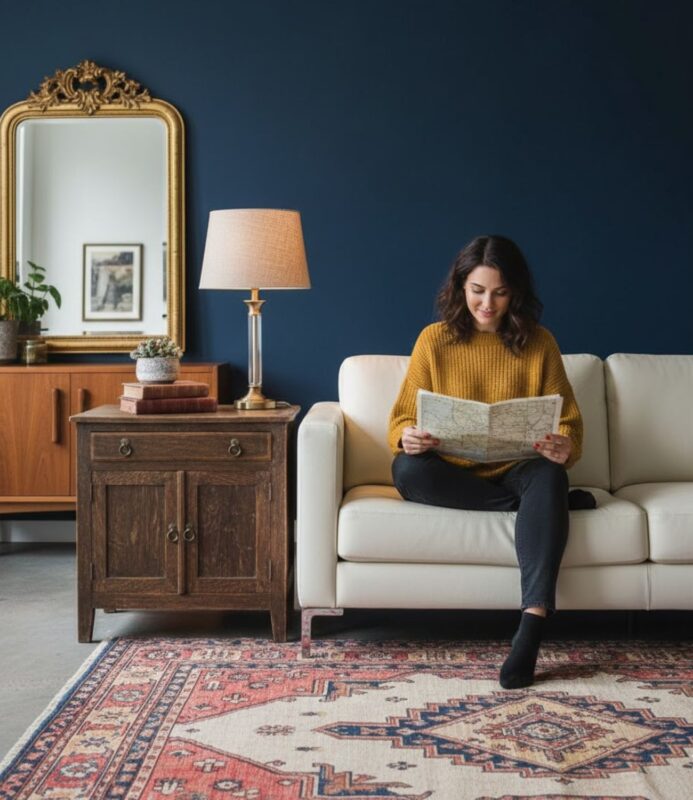
One standout item with age or craftsmanship can shape the direction of the entire space.
The key is contrast. Pairing a vintage item with modern elements creates tension that defines eclectic style. A worn leather chair next to a sleek metal lamp introduces that contrast clearly.
Placement matters. The piece should sit where it can draw attention naturally, such as near the center of the room or along a focal wall. Supporting décor should complement it rather than compete.
Color can also tie things together. Pull tones from the vintage item into cushions, rugs, or artwork to create continuity across the space.
Pro Tip: Let one vintage item lead the design, then build around its tone and texture.
Avoid This: Filling the room with too many vintage pieces can blur the focal point and reduce impact.
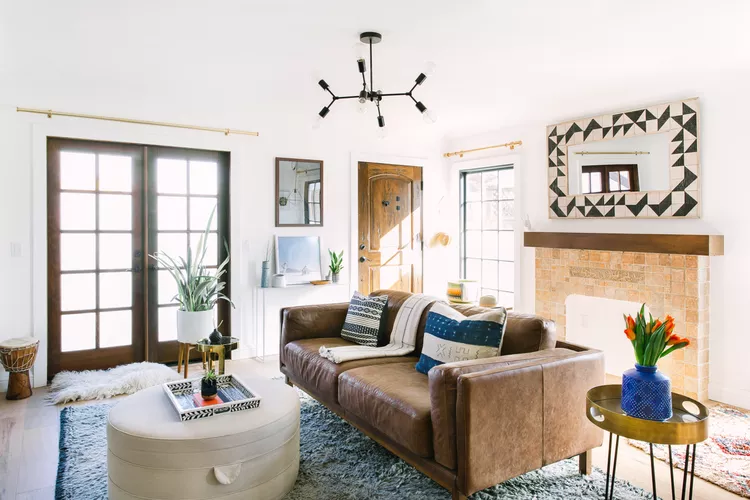
Use Mirrors to Expand the Space
Mirrors can reshape how an eclectic living room is perceived by reflecting light and extending sightlines.
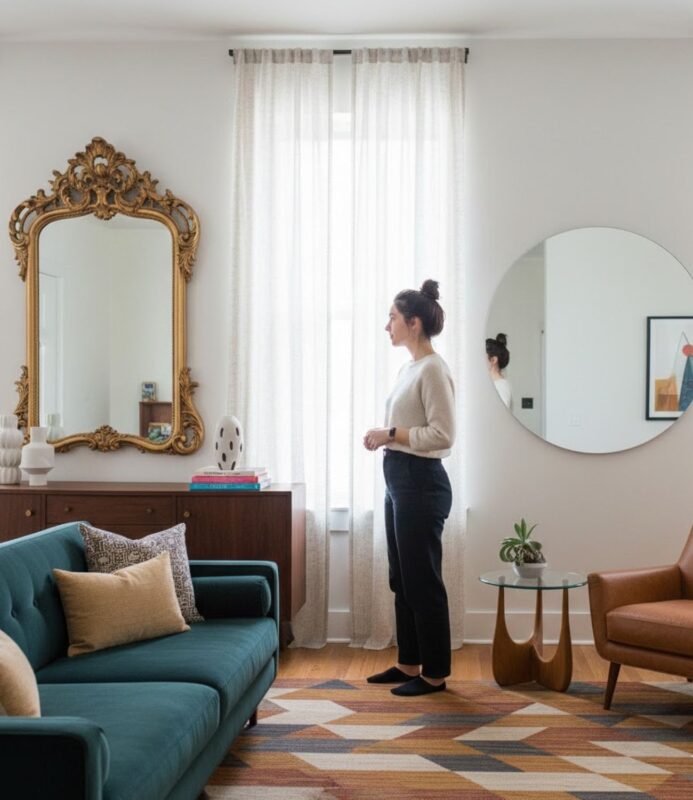
A well-placed mirror can make the room appear larger and brighter without adding new furniture.
Placing a mirror opposite a window helps bounce natural light across the room. Larger mirrors can act as statement pieces, especially when framed in wood, metal, or decorative finishes.
Shape also plays a role. Round mirrors soften sharp lines, while rectangular ones reinforce structure.
Mixing shapes within the room can add variety, though balance should remain consistent.
Mirrors can also reflect artwork or décor, adding another layer to the overall design. This helps amplify existing elements rather than introducing new ones.
Pro Tip: Choose a mirror frame that connects with other materials in the room for a cohesive look.
Avoid This: Placing mirrors where they reflect clutter can double visual distractions instead of improving the space.
Playful Patterns and Bold Colors
An eclectic living room thrives on variety, and bold patterns can bring that energy to life.
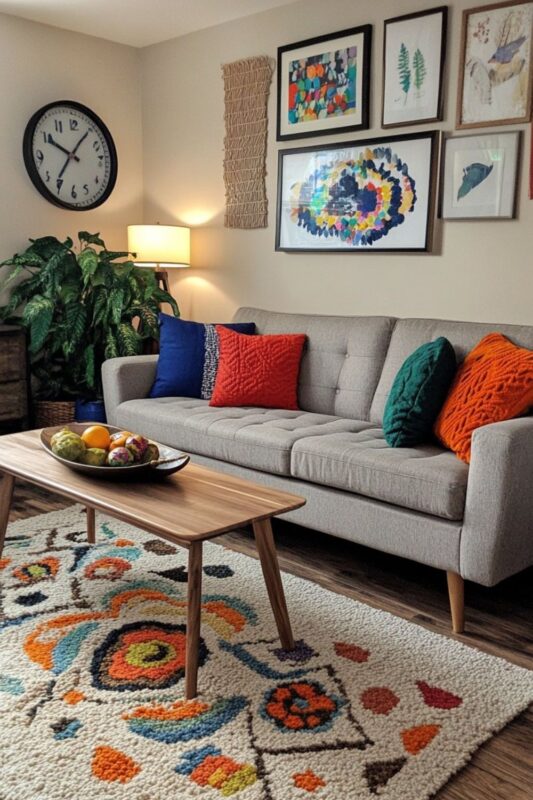
Geometric prints, florals, or abstract designs can appear across rugs, cushions, or upholstery to create movement throughout the space.
Color selection should follow a loose direction. Bright tones like mustard, teal, or coral can work together when balanced carefully.
Patterns do not need to match, but they should share some connection in tone or scale.
Furniture can act as a canvas for these patterns. A patterned chair or rug can anchor the room, while smaller accents carry the theme across different areas.
Spacing becomes important here. Each patterned piece should have room to be noticed. Overlapping too many strong designs in one area can reduce clarity.
Pro Tip: Combine large-scale patterns with smaller ones to create contrast and rhythm.
Avoid This: Mixing patterns with no shared color or theme can make the room appear disjointed.
Bohemian Style with Green Velvet
Green velvet can bring richness into an eclectic living room, especially when paired with bohemian-inspired décor.
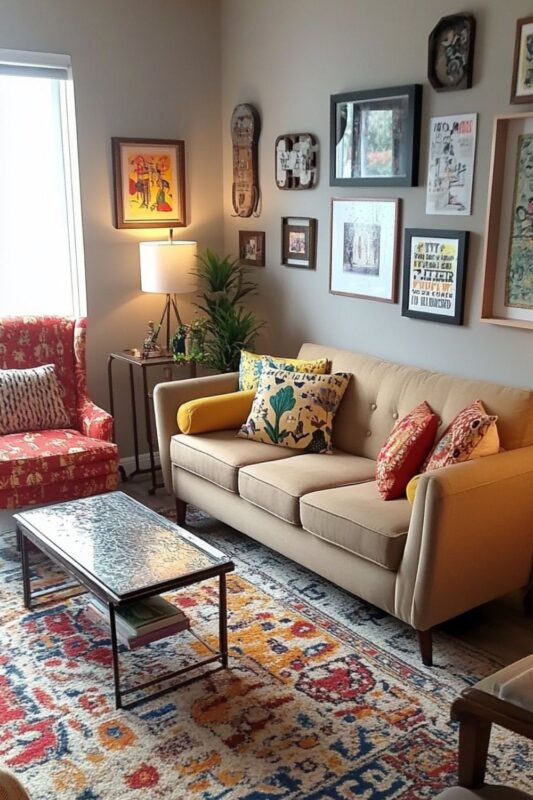
The fabric adds a soft sheen that contrasts with woven textures, wood finishes, and layered textiles.
A green velvet sofa or chair can act as the centerpiece. Surround it with patterned rugs, textured cushions, and handcrafted accessories to build a relaxed yet curated look.
Warm-toned accents such as brass or aged wood can complement the green upholstery. These materials help create a balanced palette that is connected across the room.
Wall décor can include woven hangings, framed prints, or collected pieces that reflect personal style. Each element contributes to the layered look typical of bohemian spaces.
Lighting with warm tones can enhance the richness of the velvet, especially during evening hours.
Pro Tip: Pair green velvet with natural materials like wood or rattan to create contrast in texture.
Avoid This: Overloading the space with heavy fabrics can make the room look dense and limit visual flow.
Cozy Mid-Century Inspired Living Room
Mid-century design brings structure through clean lines, yet an eclectic approach adds softness through layered décor.
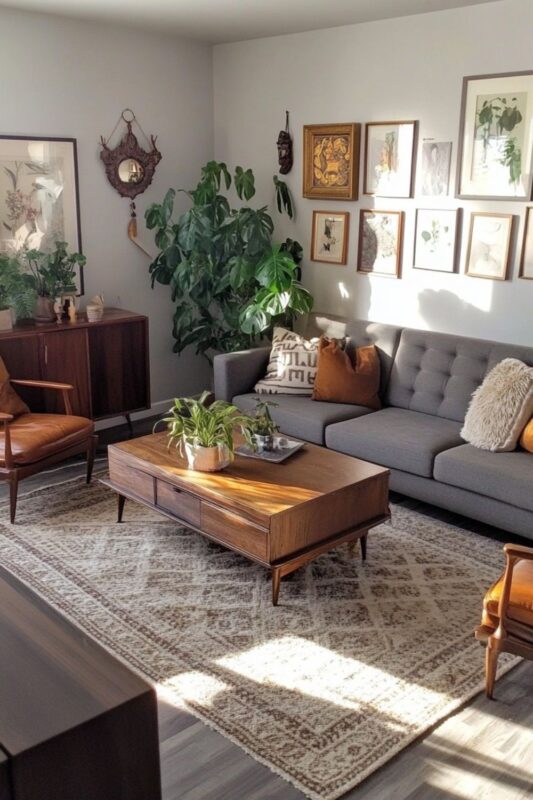
A low-profile sofa with tapered wooden legs can anchor the room, setting a clear mid-century direction.
Around it, introduce mixed elements such as patterned cushions, textured throws, or a vintage rug that adds contrast to the structured furniture.
Wood plays a strong role in this setup. Walnut or teak finishes on tables, shelving, or chairs help establish that mid-century influence.
Pair those with modern lighting fixtures or abstract artwork to shift the space away from a strict period look.
Color can stay within warm tones such as mustard, olive, or muted orange, then balanced with neutral walls or flooring. This keeps the palette connected while still allowing variation.
Layout matters too. Furniture should be arranged in a way that encourages conversation, keeping the space practical as well as styled.
Pro Tip: Choose one standout mid-century piece, then layer in contrasting décor to keep the room dynamic.
Avoid This: Repeating the same era across every item can make the space look staged rather than collected.
Rustic Style with Natural Elements
Rustic elements can bring warmth into an eclectic living room through raw textures and earthy materials.
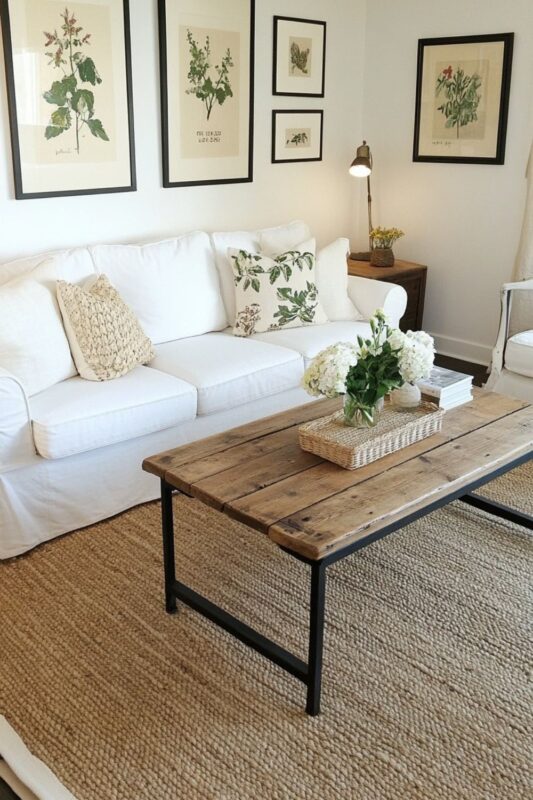
A reclaimed wood coffee table or a stone accent wall can act as a strong base, giving the room a grounded presence.
Pair these materials with softer elements to create contrast. Linen upholstery, woven baskets, or cotton throws can balance the heavier textures.
This combination prevents the space from leaning too heavily into one style.
Color choices should stay within natural ranges such as warm browns, soft greens, or muted creams. These tones help unify different materials across the room.
Lighting also plays a role. Warm-toned bulbs in simple fixtures can highlight wood grain and natural textures, adding dimension to the space.
Décor can include handcrafted items, pottery, or pieces that show slight imperfections, reinforcing the rustic direction.
Pro Tip: Let natural materials take center stage, then keep surrounding décor simple to support them.
Avoid This: Overusing dark wood or heavy textures can make the room appear visually dense.
Play With Pattern Across the Space
Patterns can transform an eclectic living room by adding movement and variety across different surfaces. Rugs, cushions, curtains, or upholstered furniture can each carry a distinct design that contributes to the overall composition.
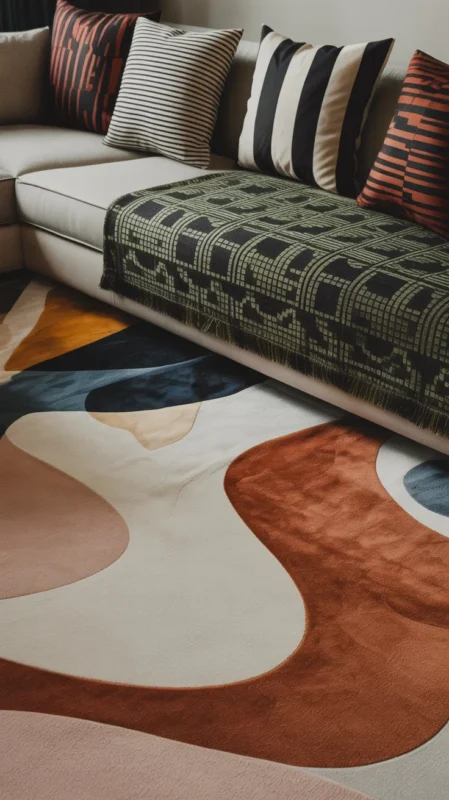
Start with one dominant pattern, such as a bold rug or statement chair. From there, introduce smaller patterns that share a similar color direction.
Scale matters when combining patterns. Larger prints can anchor the room, while smaller ones fill in details. This variation helps maintain balance and prevents visual overload.
Placement also plays a role. Spreading patterns across the room rather than grouping them in one spot keeps the layout balanced.
Solid colors can act as breaks between patterned pieces, giving the eye a place to rest.
Pro Tip: Stick to a consistent color palette when mixing patterns to keep the room cohesive.
Avoid This: Using patterns of the same scale throughout can flatten the design and reduce contrast.