15 Bathroom Tile Ideas To Add Functionality to Your Space

A bathroom can feel inviting with the right tiles. They completely change the look and feel.
Big tiles, patterned designs, or textured surfaces can completely change the room without a full renovation.
Even small changes on walls or floors create a noticeable impact.
Explore these bathroom file ideas to create a bathroom that’s both functional and stylish.
How To Style Your Bathroom With Tiles
1. Mix Materials and Textures
If your bathroom looks flat, the issue often comes from using one surface everywhere. You can change that by combining different materials across the room.
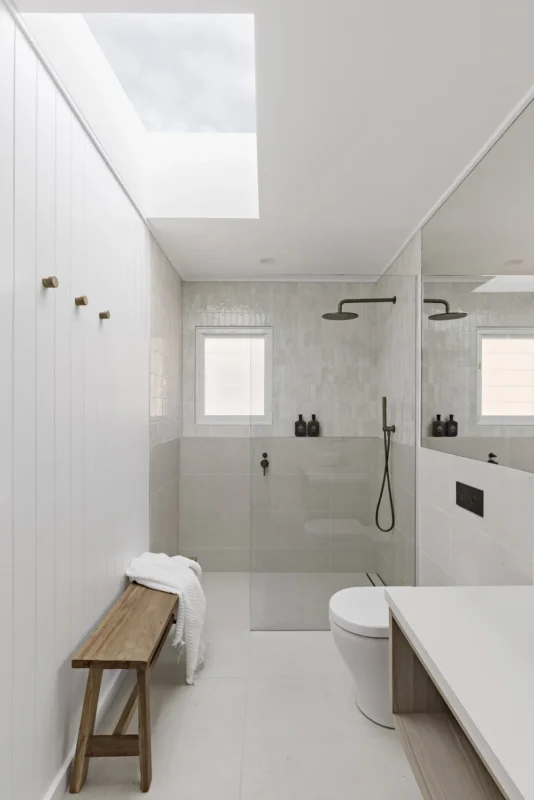
Start with a main tile that sets the tone. Then introduce a second material in a smaller area.
A textured wall tile paired with a smoother floor can create contrast that feels awesome.
You can also vary the finish. Matte tiles absorb light, which helps ground the space.
Glossy surfaces reflect light, which adds movement. Placing them in different zones can define each area more clearly.
Think about how each surface interacts with the others. Rough textures next to polished ones create a stronger visual shift. It works well in showers or behind vanities.
Keep the palette controlled so the mix does not look scattered. When materials differ but tones stay aligned, the bathroom looks layered instead of busy.
This method lets you build interest through surface choice alone. It changes how the room is experienced.
2. Incorporate Natural and Earthy Tones
Color can shape the entire mood of your bathroom. If you want a grounded look, start with tones inspired by nature.
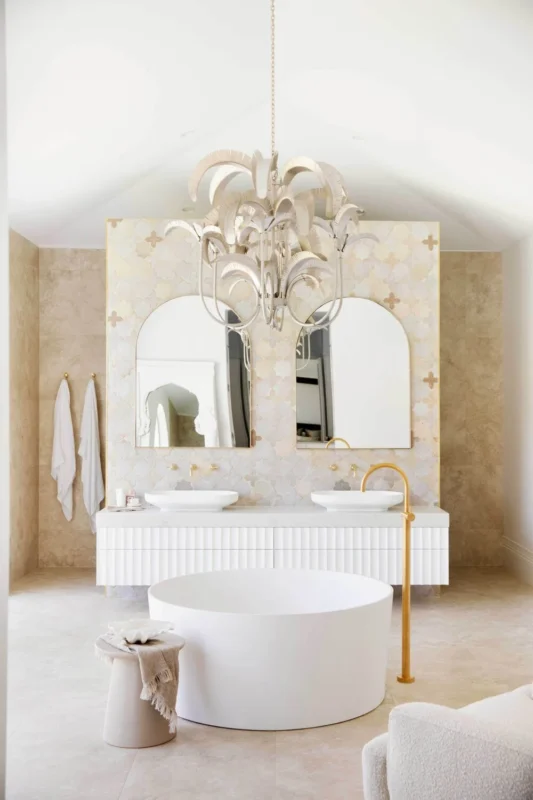
Shades like sand, clay, olive, or soft brown can bring a steady base into the space.
You do not need to use many colors to make this work. A small range of related tones often looks more refined. Walls, floors, and even smaller details can stay within that same direction.
Tiles with slight variation in color can add depth. A stone-look tile or a softly shaded ceramic surface prevents the room from looking flat. These shifts keep the design interesting.
Pair these tones with simple fixtures. White or muted finishes can help balance the palette. This keeps the focus on the tile instead of spreading attention across too many elements.
Lighting can enhance these colors. Warmer light tends to bring out the richness in earthy tones in the evening.
With this approach, your bathroom gains a steady look that stays consistent over time.
3. Subway Tiles with a Twist
Subway tiles are a classic choice, though you can push them further by changing how they are used. Instead of the standard layout, try a different pattern to shift the entire look.
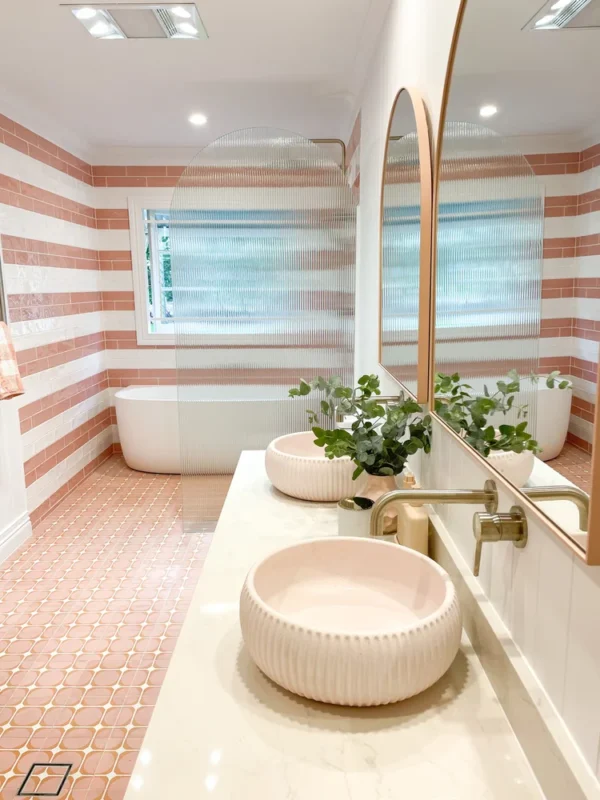
A vertical stack can make the ceiling appear taller. A herringbone layout can introduce movement across the wall. Even a slight offset creates a more updated result.
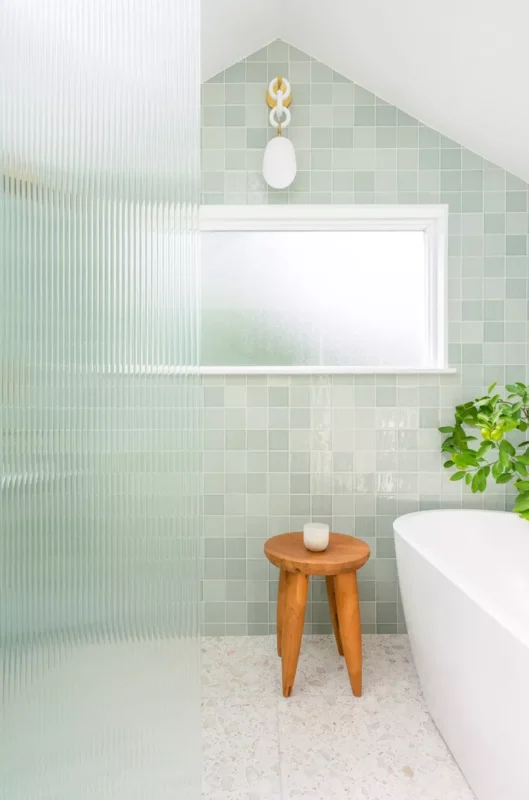
Color can also change the impact. You can move beyond plain white and choose a soft tone that fits your overall palette.
Muted greens, warm neutrals, or even darker shades can give subway tiles a new direction.
Grout choice matters more than most expect. A contrasting grout line can highlight the pattern, while a matching one keeps the surface more uniform.
You can limit this style to one area, such as a shower wall or backsplash. This keeps the feature controlled and prevents repetition across the room.
By adjusting layout, color, and detail, you can take a familiar tile and make it look fresh.
4. Large Format Porcelain Tiles
If you want a cleaner look, large format tiles can make a big difference. Fewer grout lines mean the surface appears more continuous to make even a smaller bathroom look more open.
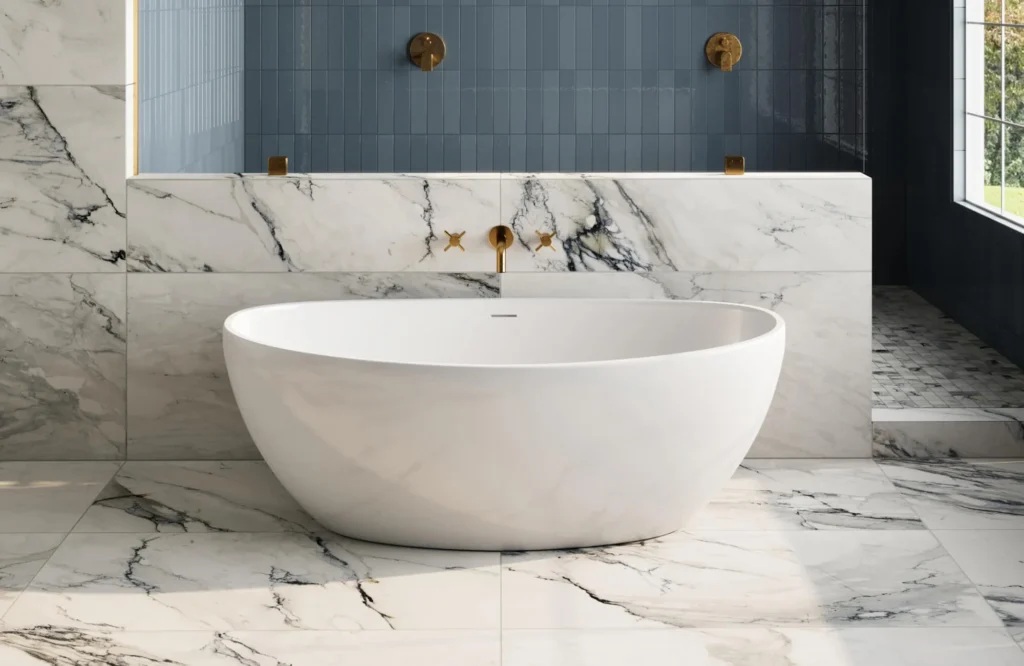
These tiles work well on both walls and floors. When you extend the same tile across multiple surfaces, the room starts to feel more connected.
Installation requires careful planning. Larger tiles need proper alignment to maintain straight lines across the space. When done well, the result looks precise.
You can choose a finish that suits your style. A matte surface gives a softer look, while a slight sheen can reflect light to brighten the room.
Patterns should stay controlled. Stone or concrete effects tend to work better than bold designs in larger formats.
This option focuses on scale. It changes how the room reads at first glance.
5. Chic Marble Finishes
Marble tiles can bring a refined look into your bathroom through their natural pattern. Each piece carries its own variation, which adds depth across the surface.
You can use marble in different ways depending on the effect you want.
A full wall can create a strong feature, while a smaller section can act as an accent. Placement should feel deliberate.
The type of marble also matters. Lighter varieties can open up the space, especially in smaller bathrooms. Darker tones can create a more dramatic result when paired with simple fixtures.
Keep surrounding elements controlled so the marble stands out. Too many competing patterns can reduce its impact. Clean lines in cabinetry or fixtures can support the look.
Maintenance should also be considered. Sealing the surface helps protect it over time. This keeps the finish looking consistent.
When used carefully, marble becomes more than just a surface. It shapes the entire tone of the bathroom through its natural pattern.
6. Terrazzo Tile Designs
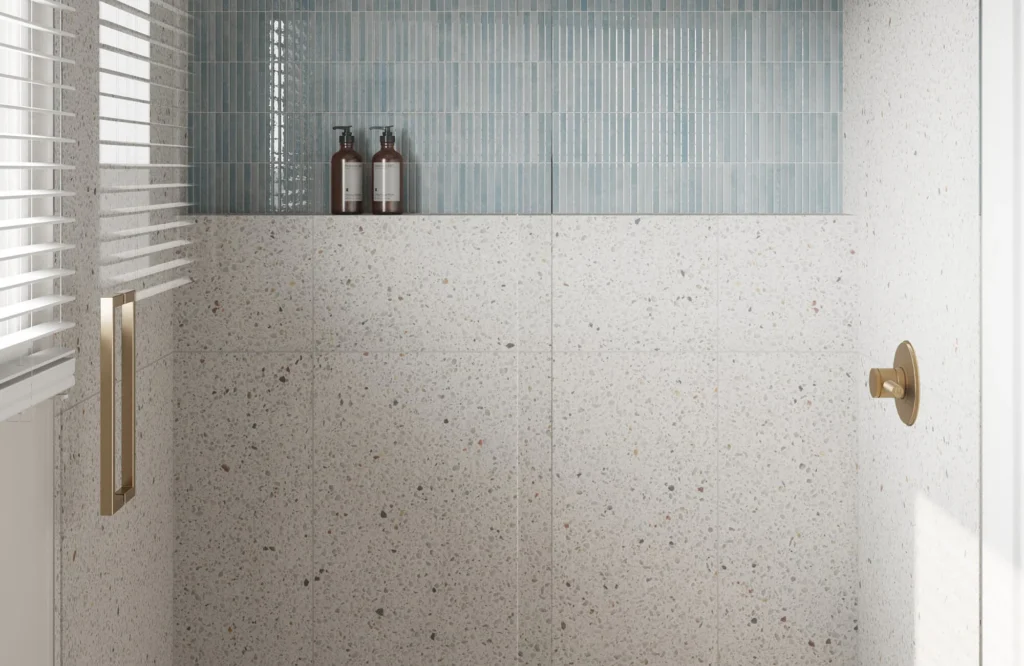
Terrazzo tiles are a bold choice that brings instant character to any bathroom. You can use them on the floor for a playful effect to make a statement.
The mix of marble, quartz, and glass chips in each tile gives the surface a lively texture that draws the eye.
Think about how colors interact in your space. Soft pastels can make the room feel calm, while richer tones give energy.
You can also combine terrazzo tiles with plain tiles to prevent the room from looking too busy.
Using terrazzo allows you to explore patterns without complicated layouts. Consider a border for a more crafted look.
You can pair these tiles with simple fittings and natural woods to balance the style.
The beauty of terrazzo is that no two tiles are identical. You’ll enjoy a bathroom that feels dynamic, while still maintaining a cohesive style.
7. Consider Flooring Patterns
Bathroom flooring sets the tone for the entire space. You can play with geometric shapes like chevrons or herringbone to create movement across the room. Large square tiles keep it minimal.
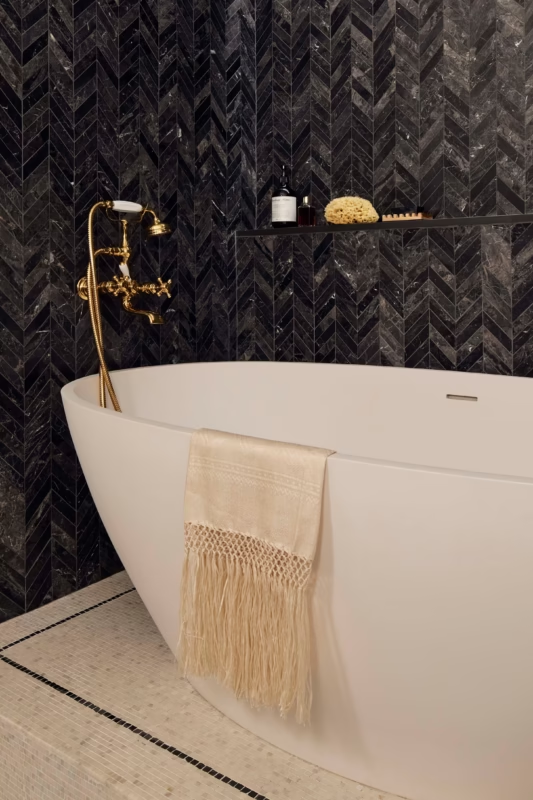
Patterns allow you to highlight specific zones. For example, you could use a bold tile behind the vanity to make it stand out or run a strip across the shower floor as a subtle feature.
Think about scale. Larger patterns make small bathrooms feel more spacious, while smaller repeating patterns bring intimacy to a larger space. You can also mix textures for extra interest.
Flooring patterns give you flexibility. You can coordinate with wall tiles or contrast for a playful effect.
When you step into your bathroom, patterned floors become the first thing you notice, giving the space a sense of character that lasts.
8. Go More Monochrome
A monochrome tile scheme can feel calm. Choose one color and explore its different shades for walls and floors.
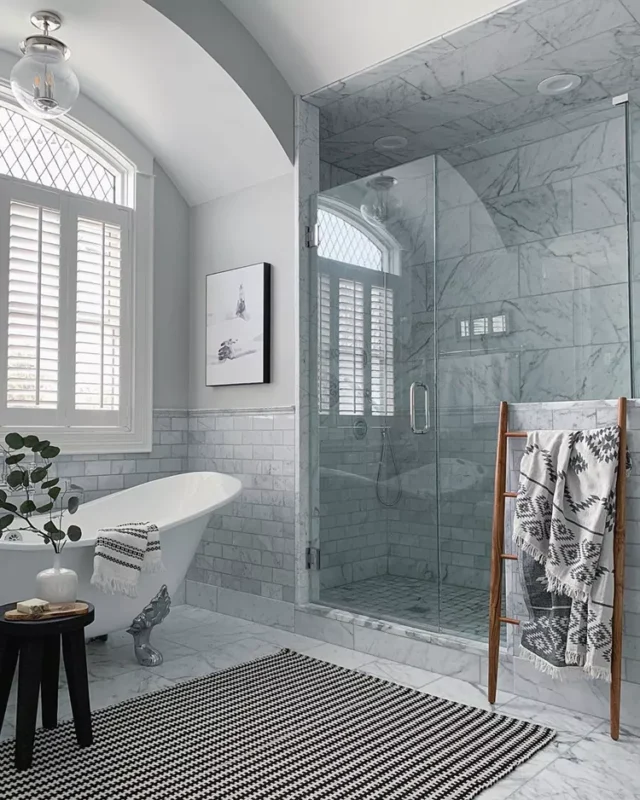
Lighter shades can expand the room, while darker tones make it feel cozy.
Monochrome does not have to be boring. Try alternating matte and glossy finishes to catch the light differently.
You can also vary tile shapes, like combining rectangular and square tiles, to keep interest high.
This approach works especially well if your fittings are simple. A sleek mirror, minimalist vanity, or black fixtures will shine.
A single-color scheme makes it easy to refresh your bathroom later. Adding a plant or a brightly colored towel instantly updates the look. You can create a space that is easy to style over the years.
9. Match Your Decorations
Your tile choice should complement the other elements in your bathroom. Look at your vanity, towel rails, and even the shower curtain for inspiration.
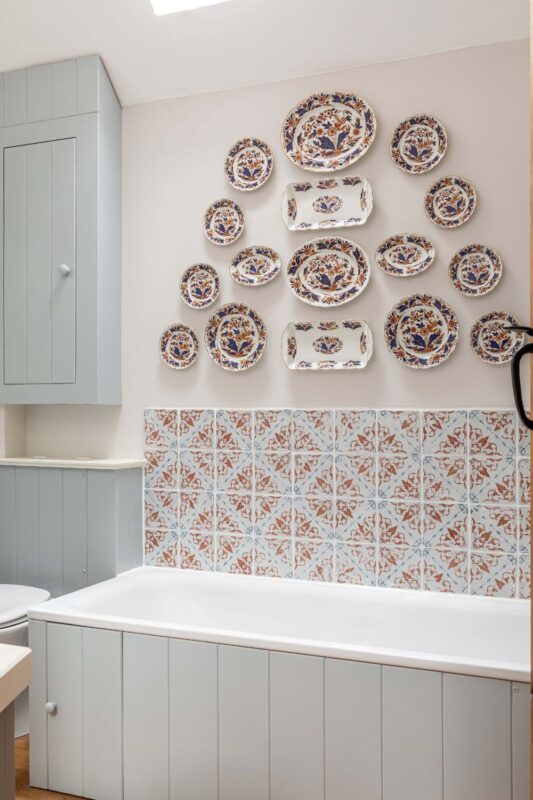
Harmonizing these items with your tiles creates a cohesive space.
For example, soft beige tiles pair beautifully with wooden vanities, while gray tiles can complement black fittings and metallic accessories.
Think about repeating colors in small details like soap dishes or bath mats.
You can also use tiles to highlight decorative features. A patterned backsplash behind the sink or around the bathtub can accentuate a mirror or artwork.
Matching tiles to the rest of the room doesn’t mean everything is the same. Consider contrast through texture.
When the pieces work together, the bathroom feels organized, even with a bold tile choice.
10. Colorful Checkerboard Tiles
Checkerboard tiles bring energy and playfulness to the bathroom. You can keep it classic with black and white, or try softer pastels for a modern twist.
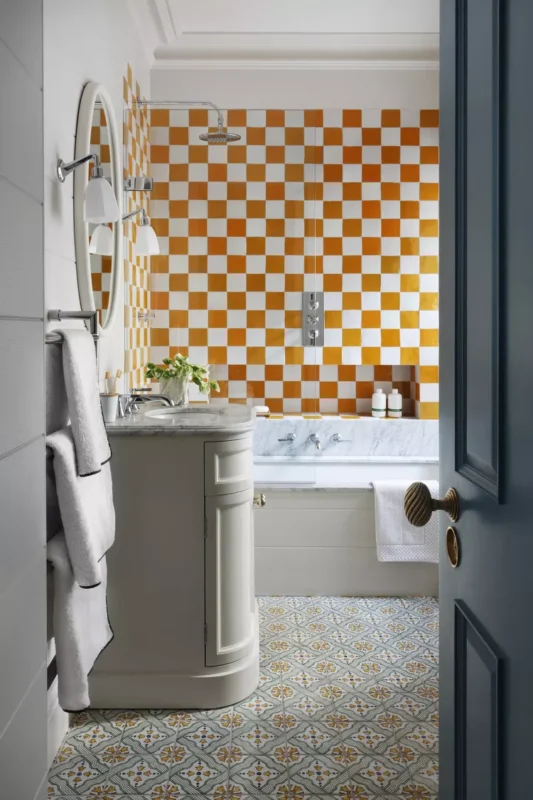
Small squares work in a compact bathroom, while larger squares make a big impact in a spacious area.
Think about placement. You could cover the entire floor or create a feature zone, such as around the bathtub.
Combining two colors gives you flexibility in matching walls, fixtures, and decorations.
This pattern creates a sense of rhythm. You can vary the size of the squares to break up uniformity, or combine a matte finish with glossy for texture.
Checkerboard tiles are a great way to introduce color and pattern without overwhelming the room.
When paired with simple, clean fittings, the design stands out and makes the bathroom feel considered.
11. Blue Patterned Tiles
If you want your bathroom to capture personality, blue patterned tiles are a bold choice. These tiles immediately draw the eye and give the space character.
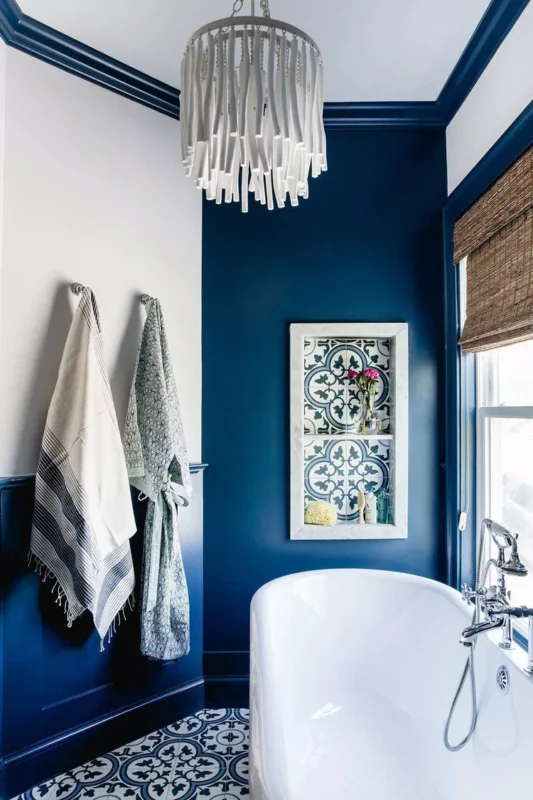
You can use them on the floor, backsplash, or even as a feature wall behind the vanity.
Pair them with neutral walls so the blue doesn’t dominate, but instead becomes a highlight. Add minimal fixtures in matte black or brushed brass to balance the pattern’s energy.
Blue tiles can work in both modern and classic bathrooms. Consider soft, washed-out tones for a calm, coastal-inspired room, or vibrant cobalt for a statement that sparks interest each time you enter.
Experiment with patterns too. Floral, Moroccan-inspired, or abstract geometric prints all offer different moods. Stagger them in a grid depending on how structured you want the space.
Finally, use accessories in soft creams to tie the room together. A few towels in coordinating shades can make the tile feel like part of a cohesive design.
12. Geometric Circle Floor Tiles
Circle-shaped tiles are perfect if you want to break away from traditional square formats.
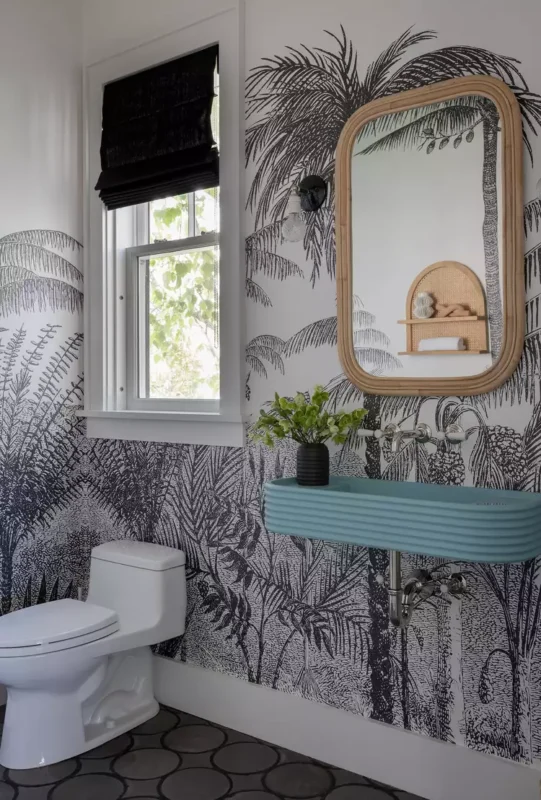
Lay them across the bathroom floor for an instant focal point that adds movement to the room.
Keep the color palette simple to prevent the pattern from overwhelming the space. Monochrome tiles in black, white, or gray work well with clean cabinetry and minimal fixtures.
This design suits both large and small bathrooms. In smaller rooms, use lighter tones so the pattern doesn’t dominate.
In larger spaces, darker circles can anchor the floor and create a dramatic base for your design.
You can mix circle tiles with neutral wall finishes or pair them with a subtle hex or square border to frame the floor.
Accessories in similar shapes, like round mirrors will echo the design without looking overdone.
A geometric floor adds character. It allows you to create a visually engaging space that balances form, giving your bathroom a modern edge.
13. Black-and-White Tile
Black-and-white tiles are timeless, instantly giving your bathroom a polished look. You can use them on floors, walls, or even as a half-wall accent.
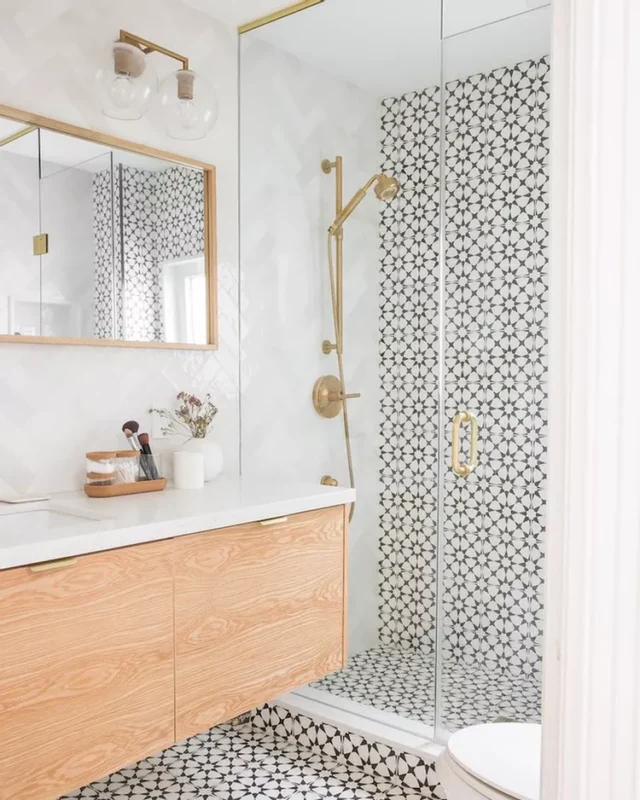
Consider checkerboard patterns for a retro feel for a more modern approach. The contrast does greatly with neutral paint, metallic fixtures, or natural wood vanities.
For smaller bathrooms, white tiles keep the room feeling open, while black tiles define areas.
You can also experiment with large-scale tiles for a bold statement or small mosaics for a textured effect.
Combine the tiles with minimalist décor to keep the look fresh. Small potted plants or wooden accents counteract the stark contrast of black and white.
The monochrome scheme provides endless flexibility. You can always update the room’s style with towels, rugs, or shower curtains in seasonal colors.
14. Black Hex Floor Tiles
Hexagonal tiles offer a unique texture to the bathroom floor. Black hex tiles are versatile, working in modern, industrial, and traditional designs.
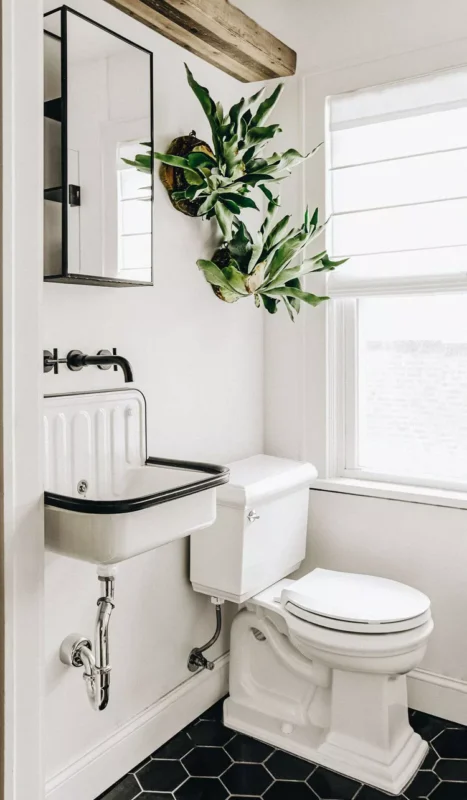
Place them across the floor like the shower area. Pair them with light walls to create a strong contrast that highlights the floor’s shape.
You can introduce grout in white, gray, or black to change the visual impact. Lighter grout outlines each tile, emphasizing the honeycomb pattern, while black grout creates a graphic look.
Combine the tiles with minimalist fixtures or natural wood vanities for a bold aesthetic.
Hex floors are ideal for bathrooms where you want a signature element that doesn’t feel fussy.
Add a few simple textures through towels or rugs to complement the geometric design. The contrast between the black tiles and softer accents ensures the space remains approachable.
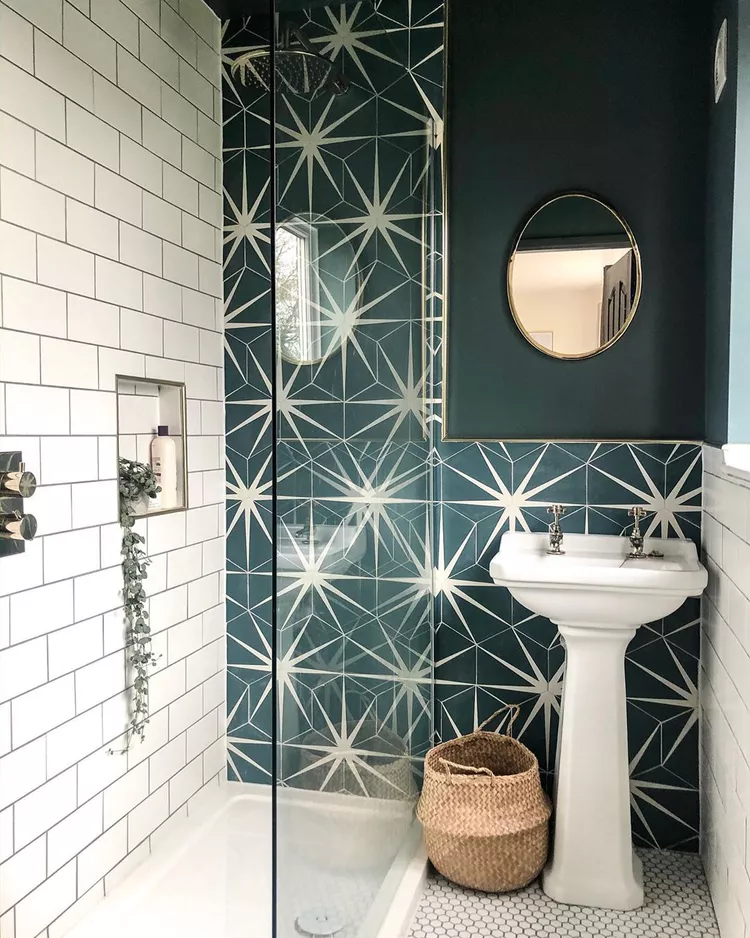
15. Starburst Wall Tile
A starburst tile pattern adds drama to a wall in a way few designs can. Place it behind the vanity, around a mirror, or as a shower feature to create a focal point.
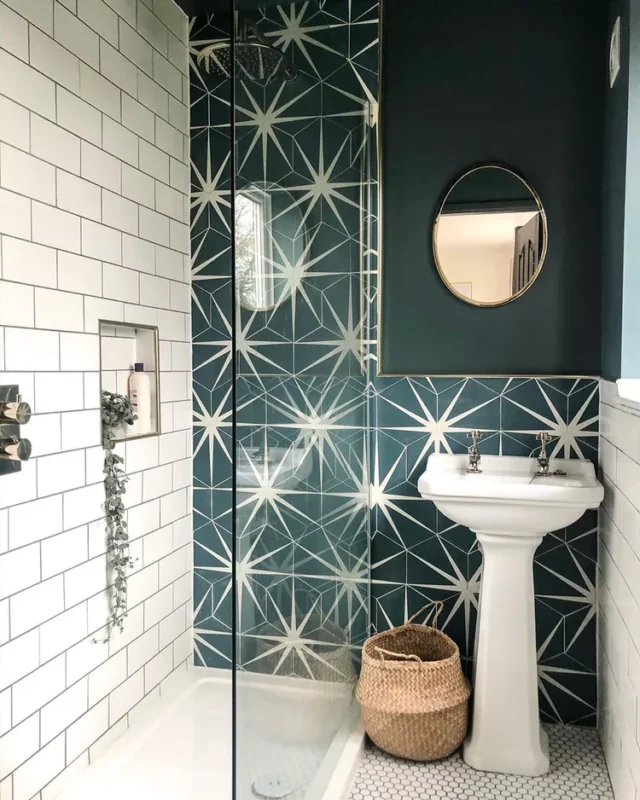
The radiating design draws the eye upward, giving the illusion of height in smaller bathrooms. You can choose glossy finishes to reflect light or matte surfaces for a more understated effect.
Pair starburst tiles with simple fixtures. Avoid overly decorative accessories, as the pattern itself is the centerpiece. Minimalist faucets and clear glass shower screens maintain balance.
Colors can be muted for elegance or bold for a statement look. A combination of soft neutrals with metallic accents adds interest without competing with the pattern.
Layer subtle textures in towels, mats, or wooden shelving to keep the room cohesive. Starburst tiles let you add personality while maintaining a sense of order in your bathroom design.