15+ British Colonial Interior Designs To Bring Island Elegance Home

British Colonial interior design grew from a period of global travel and expansion.
As British settlers moved across tropical regions, they adapted their homes to new climates and materials.
Dark hardwood furniture met light walls, woven textures softened structured layouts, and handcrafted pieces reflected local influence.
Today, this style blends history with practicality. You will notice airy rooms anchored by solid wood, layered textiles, and collected objects that hint at distant places.
If you appreciate interiors shaped by travel and craftsmanship, these British Colonial interior designs offer a distinctive direction for your home.
15 Ways To Bring Your Home A Little British Colonial Style
Creating Warm Ambience with Lighting
British Colonial interiors rely heavily on atmosphere, and much of that mood comes from the balance between soft lighting and light-reflective wall colors.
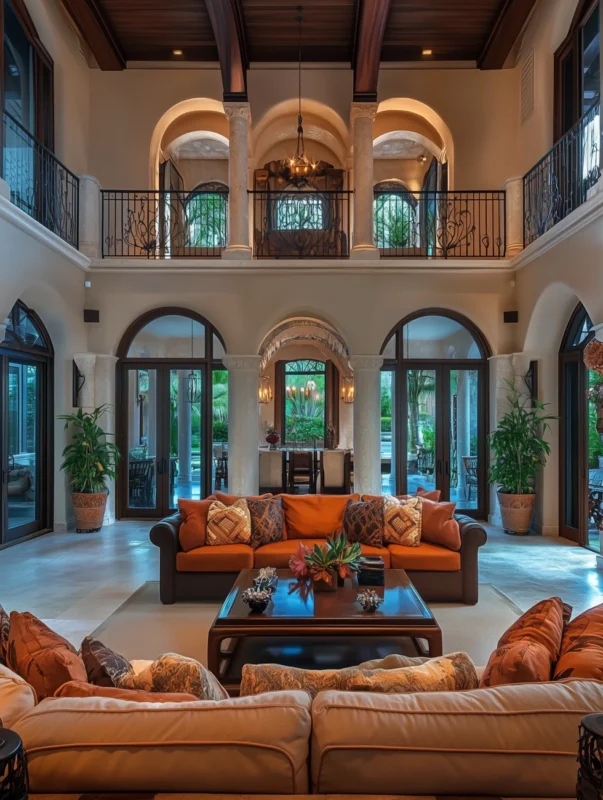
Instead of stark white, choose shades like cream, pale sand, or muted ivory to create a sun-washed foundation that mirrors tropical climates once associated with colonial homes.
Lighting should feel layered rather than harsh. Table lamps with linen shades, woven pendant fixtures, and warm-toned bulbs help cast a gentle glow across the room during evening hours.
Daylight also plays an essential role, so keep window treatments light and breathable to allow natural brightness to filter through.
When walls remain airy, darker wood furniture such as mahogany or teak stands out with clarity.
The contrast between light surroundings and deeper wood tones defines the character of this style.
Focusing on subtle color palettes and intentional lighting placement establish a setting that reflects the relaxed elegance rooted in British Colonial tradition.
2. Incorporating Contemporary Elements
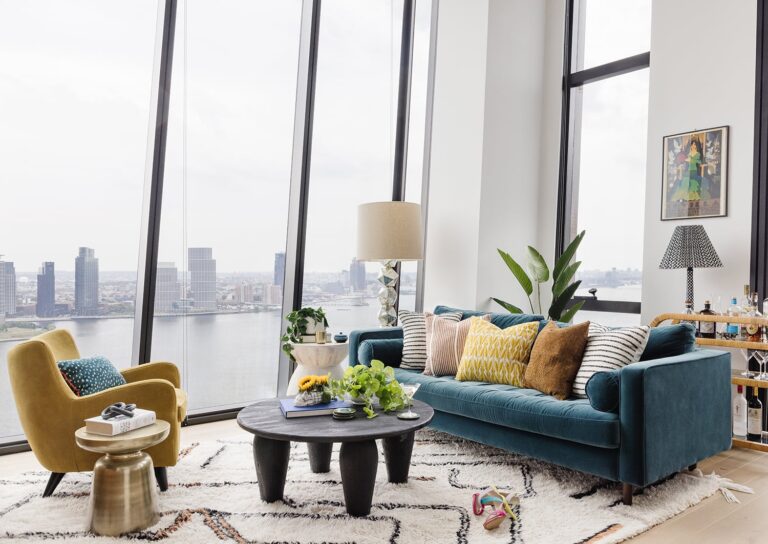
British Colonial design does not need to feel frozen in history. Introducing contemporary elements allows the space to feel relevant while still honoring its heritage.
Clean-lined sofas, streamlined coffee tables, or modern lighting fixtures can sit comfortably alongside traditional plantation-style furniture.
The key lies in restraint. Instead of replacing classic pieces, integrate modern accents that complement the existing palette and materials.
For example, a minimalist metal floor lamp can stand beside a carved wooden armchair without disrupting cohesion.
Neutral upholstery on contemporary seating helps bridge the gap between old and new.
Smooth finishes paired with textured wood create contrast that feels curated.
This blending of eras reflects how many historic homes evolve naturally over time.
When combined, contemporary touches highlight the depth of British Colonial interiors while preventing the room from appearing overly themed.
3. Lightweight and Eclectic Fabrics
Textiles in British Colonial interiors serve both practical and decorative purposes.
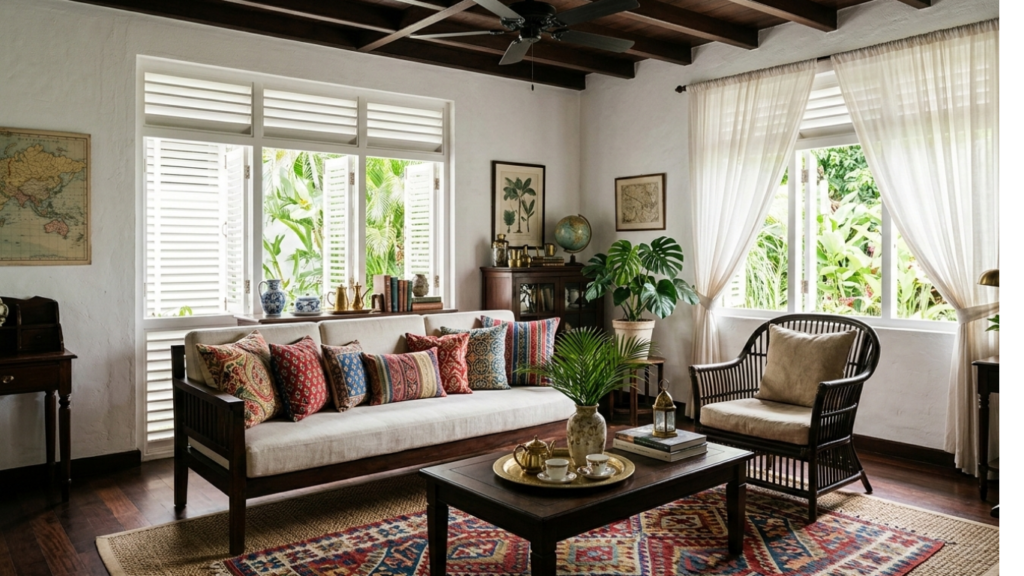
Historically, homes in tropical regions relied on breathable fabrics such as cotton and linen to encourage airflow. Today, these materials still define the look.
Opt for lightweight drapery panels that move gently with circulating air. Upholstery in soft neutrals enhances the relaxed character of the space.
Layering cushions in batik, ikat, or botanical patterns introduces global influence that reflects colonial trade routes.
Rattan and cane furniture pair especially well with these fabrics, reinforcing the breezy quality that defines the style.
Avoid heavy, overly ornate textiles that weigh down the room visually.
By selecting fabrics that feel light and layered, you preserve the easygoing structure of British Colonial interiors while introducing visual depth through pattern and texture.
4. Adding Classic Wall Art
Artwork in a British Colonial interior often reflects travel, exploration, and cultural exchange.
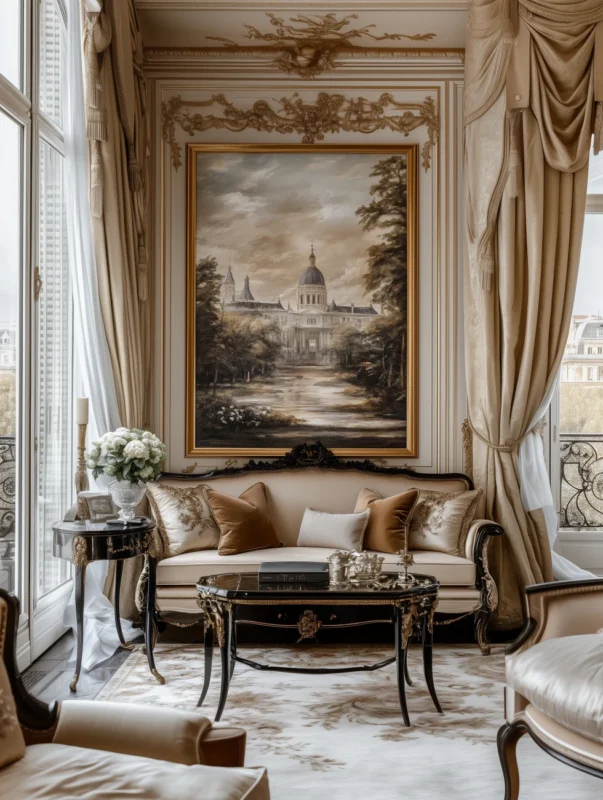
Framed botanical prints, antique maps, or wildlife sketches contribute historical reference while maintaining sophistication.
Gallery walls can feature symmetrical arrangements for a more traditional approach.
Alternatively, a single oversized vintage map placed above a console table creates a striking focal point.
Wood or brass frames reinforce the material palette commonly associated with the style. Keep spacing intentional to avoid overcrowding the walls.
Artwork should enhance the room’s narrative rather than dominate it.
When chosen carefully, these pieces reference the global influences that shaped British Colonial design
Moreso, the pieces give the space a sense of heritage grounded in history.
5. Showcasing Antique Accessories
Antique accessories provide authenticity within British Colonial interiors.
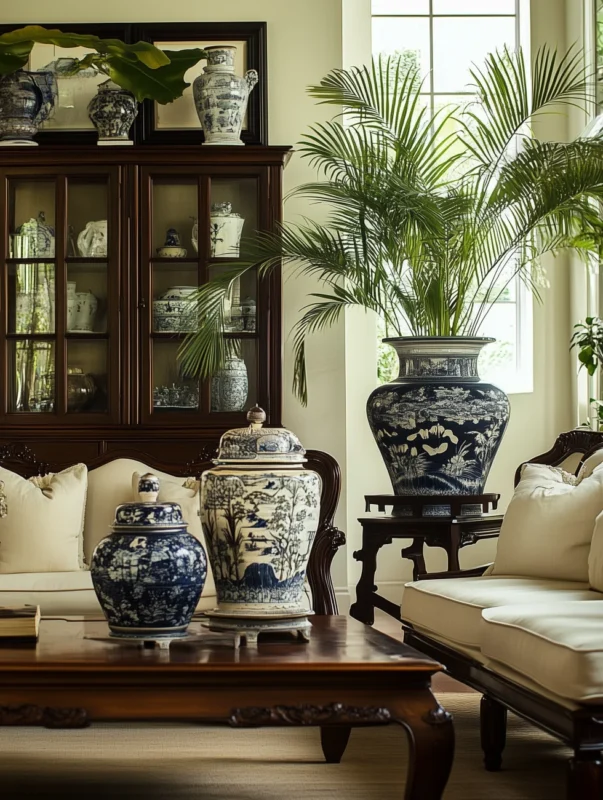
Trunks, brass telescopes, carved wooden boxes, and ceramic vessels contribute layers of visual interest that feel collected over time.
Display these items thoughtfully instead of clustering them in excess.
A vintage trunk can function as a coffee table, while a pair of candlesticks placed on a sideboard adds refinement without clutter.
Natural materials such as aged leather, woven baskets, and weathered wood strengthen the room’s connection to craftsmanship.
Each accessory should feel purposeful rather than decorative filler.
The beauty of this approach lies in restraint. When antiques are placed with intention, they elevate the room’s character.
As well, they quietly reference the historical journeys that inspired British Colonial interiors.
6. Tropical Inspired Colonial Furnishings
British Colonial interiors draw strong influence from tropical regions where many historic homes were established.
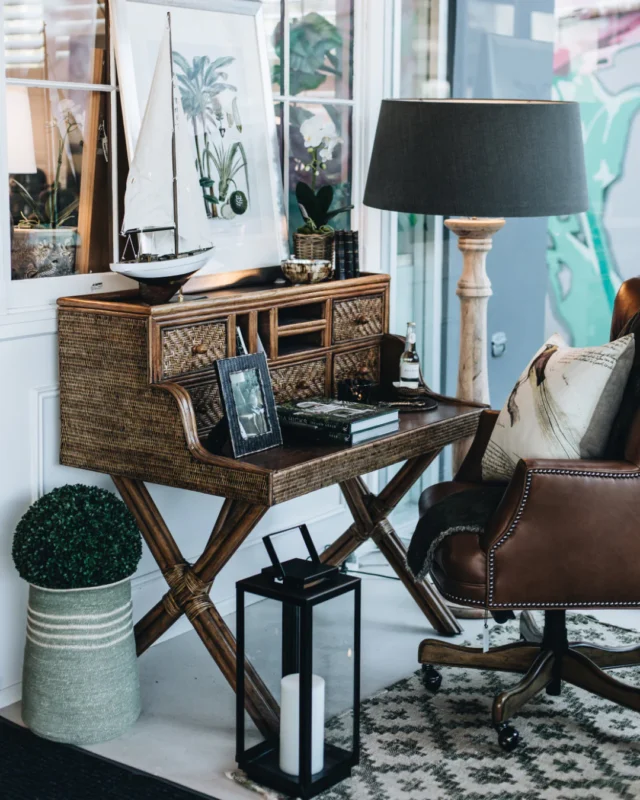
Furniture in this style often features dark hardwoods such as teak, chosen for durability in humid climates and admired for their deep tone. These substantial wooden pieces create contrast against light walls and breezy textiles.
Plantation chairs with wide arms, louvered cabinets, and four-poster beds reflect practical craftsmanship shaped by climate.
Woven cane panels inserted into cabinet doors introduce ventilation while adding visual texture. The combination of solid frames and breathable detailing defines much of the aesthetic.
You can also incorporate rattan loungers or bamboo side tables to reference coastal surroundings.
Balance remains important, so select a few standout furnishings instead of crowding the space with themed pieces.
Tropical-inspired furniture establishes the structural backbone of a British Colonial interior while honoring its geographic roots.
7. Integrating Rich Textiles
Textiles play a central role in shaping the layered look of British Colonial interiors. While the overall palette may remain neutral, fabrics often introduce depth through pattern and texture.
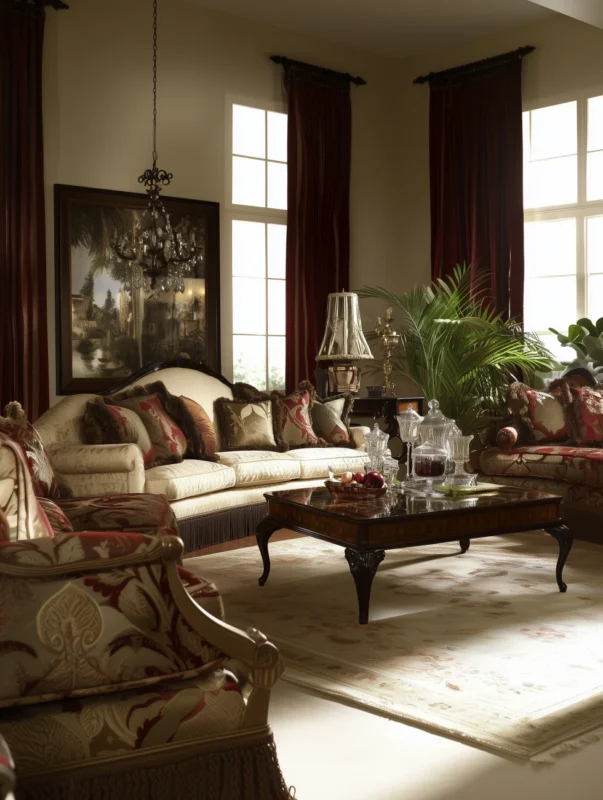
Think embroidered cushions, woven throws, or block-printed fabrics that reflect global craftsmanship.
Heavier materials such as velvet can appear in accent pieces like decorative pillows, providing contrast to lighter cotton.
This interplay between substantial and breathable fabrics gives the room dimension.
Area rugs also contribute to the layered effect. Persian or hand-knotted rugs with intricate motifs anchor seating arrangements and introduce subtle color variation across dark wood flooring.
When selecting textiles, aim for variety in weave and finish rather than excessive color shifts.
This approach maintains cohesion while building visual richness. The final composition reflects a home shaped by travel, trade, and curated selections collected over time.
8. Mixing Modern Comfort with Colonial Style
Blending modern comfort into a British Colonial setting allows the home to function for contemporary living without losing historical reference.
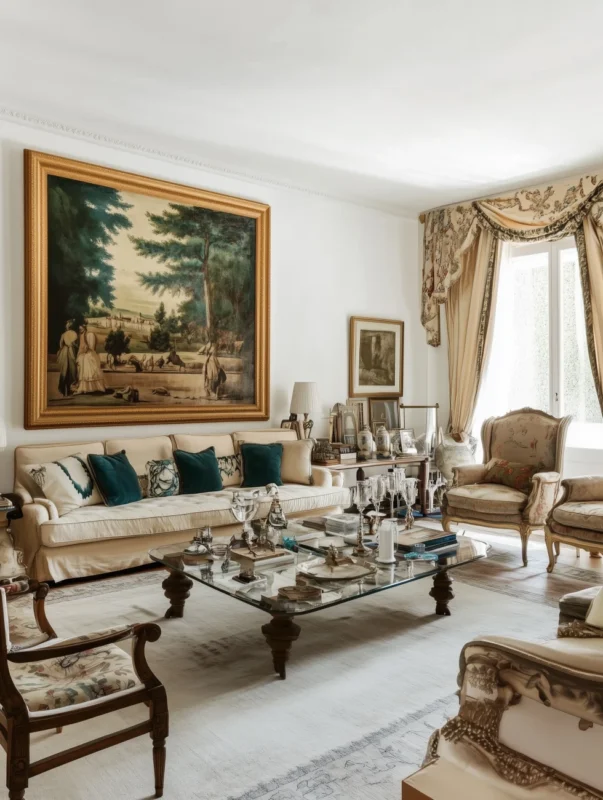
Start with traditional wooden furniture as the foundation, then introduce updated upholstery with deeper cushions.
A streamlined sectional in a neutral fabric can sit comfortably beside a carved wooden coffee table.
Modern lighting fixtures with simple silhouettes complement antique accessories when materials remain consistent. Brushed brass finishes often integrate smoothly into the existing palette.
Technology can also be incorporated discreetly. Conceal media equipment within classic cabinetry to maintain the room’s integrity.
Keep decorative accents minimal so the contrast between old and new appears intentional.
This balance ensures the space supports everyday life while preserving the architectural character that defines British Colonial interiors.
The result reflects evolution through careful selection.
9. Seat Arrangement for Conversation
British Colonial living rooms traditionally prioritize social interaction. Seating arrangements often center around conversation rather than television placement, encouraging face-to-face engagement.
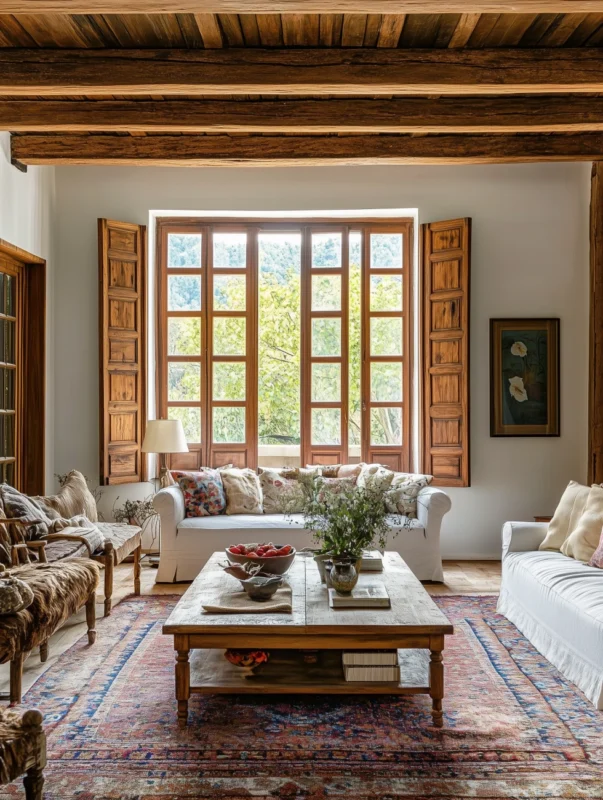
Position sofas and armchairs opposite one another to create a defined gathering area.
Place a sturdy wooden coffee table or trunk at the center to anchor the layout. Side tables within arm’s reach provide practicality while maintaining symmetry.
Spacing between pieces should allow easy movement across the room.
Layering rugs beneath the seating group defines boundaries, especially in larger spaces with open floor plans.
Table lamps positioned on either side of the arrangement offer balanced lighting during evening gatherings.
The focus remains on proportion and accessibility. By organizing seating with intention, you create an environment that supports discussion, shared meals, and quiet reading moments within a structured yet relaxed setting.
10. Flooring with Rich Brown to Black Tones
Dark timber flooring forms a defining feature of British Colonial interiors. Teak, mahogany, or similarly toned hardwoods establish a strong visual base that contrasts with light walls and airy textiles. The depth of these floors enhances the richness of surrounding furniture.
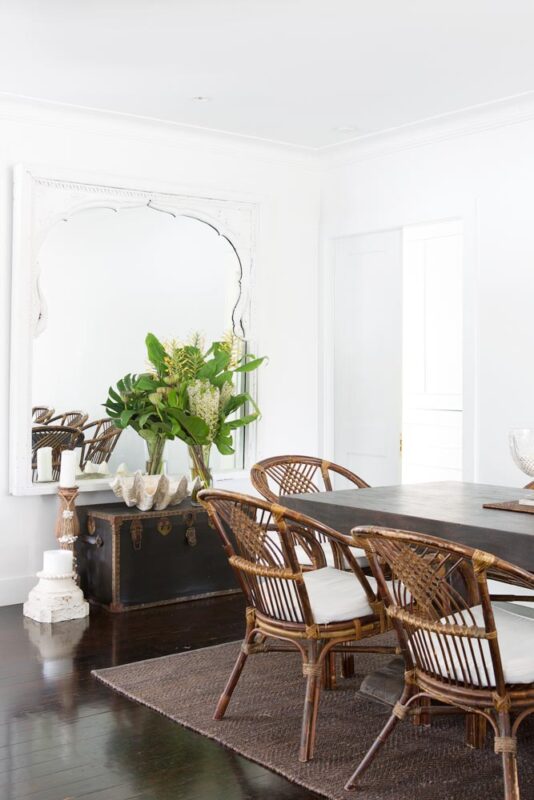
Mid-brown to near-black finishes complements substantial wooden pieces such as sideboards and dining tables. Bamboo-style mouldings add subtle detail that references tropical craftsmanship.
To prevent the floor from appearing overly heavy, layer woven rugs or natural fiber runners across key areas. These additions introduce texture while breaking up expanses of dark wood.
Maintaining the flooring’s finish is essential, as polished surfaces reflect light and highlight the grain.
When paired with the correct furnishings, rich timber flooring grounds the entire room. It reinforces the heritage embedded within British Colonial design.
11. Mismatched Collectables for a Travel-Inspired Interior
British Colonial interiors often reflect a history of exploration, trade, and cultural exchange.
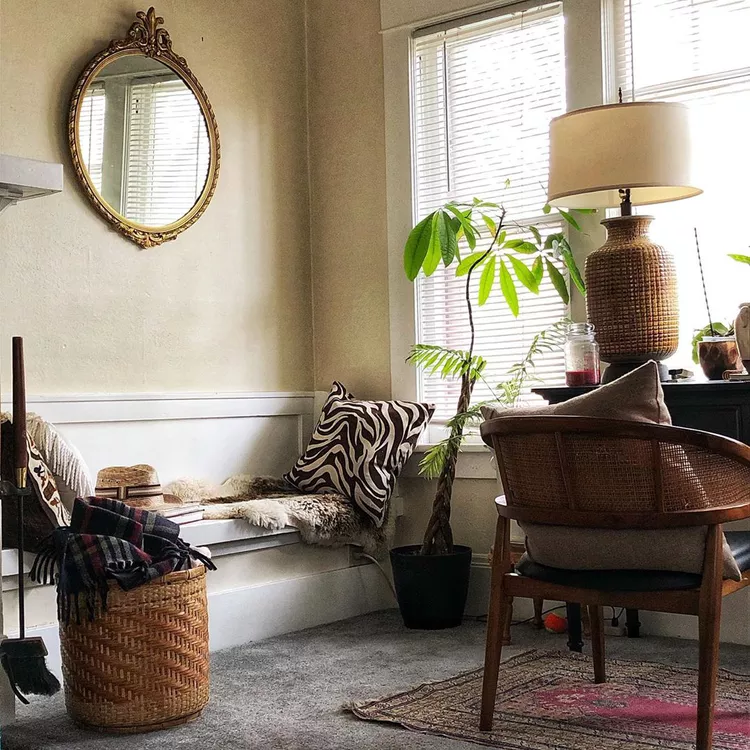
One of the most distinctive ways to capture this spirit is through a curated mix of old and new collectables displayed throughout the room.
Instead of matching decor pieces, combine objects that appear gathered over time.
Style shelves or console tables with coral fragments, sea shells, and vintage books stacked horizontally.
Add magnifying glasses, brass candlesticks, aged photo frames, and small trophies to introduce variety in material.
Glass votives placed among these pieces reflect candlelight during the evening and add subtle sparkle.
The key is arrangement. Leave breathing space between items so each object stands out on its own. Group pieces in odd numbers to maintain balance without rigid symmetry.
When styled with intention, mismatched collectables tell a visual story. They transform the room into a layered environment shaped by travel, curiosity, and appreciation for craftsmanship across different regions.
12. Soft White Paint for Walls and Window Treatments
Soft white walls provide a clean backdrop that allows darker woods and layered textiles to stand out clearly.
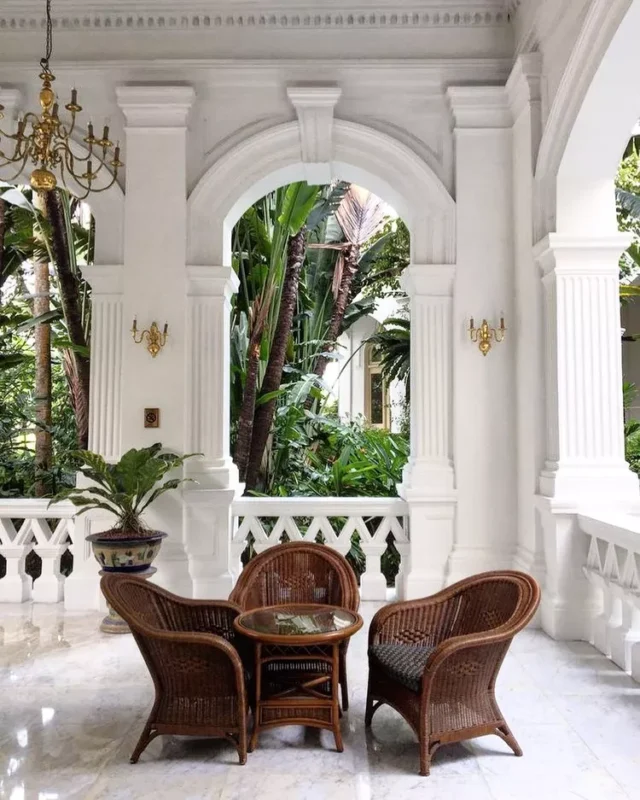
In British Colonial interiors, this lighter foundation mirrors sunlit climates while creating contrast against mahogany furniture.
Choose shades with warm undertones to avoid starkness. Cream-infused whites reflect natural light effectively and help maintain brightness throughout the day. This approach prevents the room from appearing overly formal.
Window treatments should align with this palette. Linen drapes or light cotton panels in similar soft white tones preserve cohesion while allowing daylight to filter through.
Keeping fabrics breathable enhances airflow and reinforces the relaxed architectural influence associated with colonial homes.
When walls and window dressings share a harmonious tone, the room gains clarity.
Dark furnishings, woven accents, and antique accessories then become focal points against a calm.
13. Traditional Wooden Window Shutters
Wooden shutters remain one of the most recognizable features in British Colonial design.
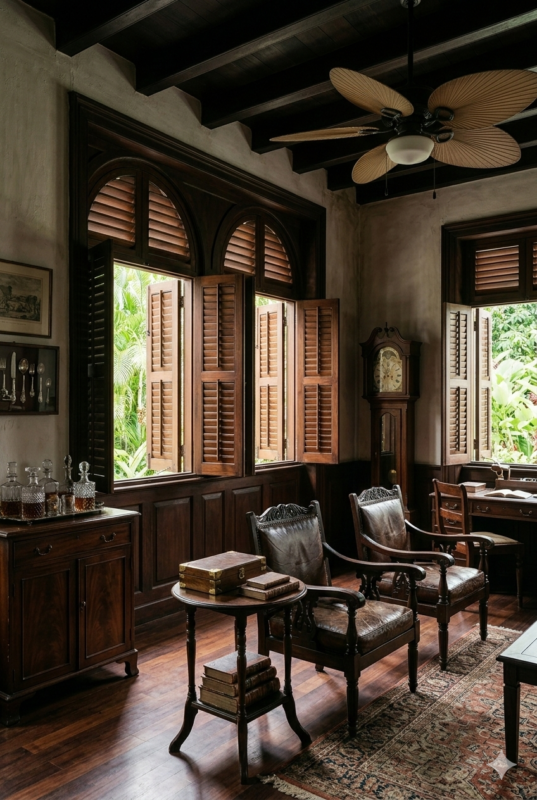
Originally used for ventilation and protection from strong sunlight, they now serve decorative purposes.
Install shutters in rich timber finishes such as stained oak to complement darker furniture pieces. The horizontal slats introduce strong linear detail that reinforces architectural structure within the room.
Shutters allow you to control light throughout the day by adjusting the angle of the panels.
This flexibility creates shifting patterns of shadow that add depth across walls and floors. They also provide privacy without requiring heavy curtains.
When paired with light wall colors and natural fabrics, wooden shutters frame the windows with clarity.
Their structured presence contributes to the historical authenticity that defines British Colonial interiors.
14. Embrace Patterned Pillows
Patterned pillows offer an accessible way to introduce global influence into a British Colonial living room.
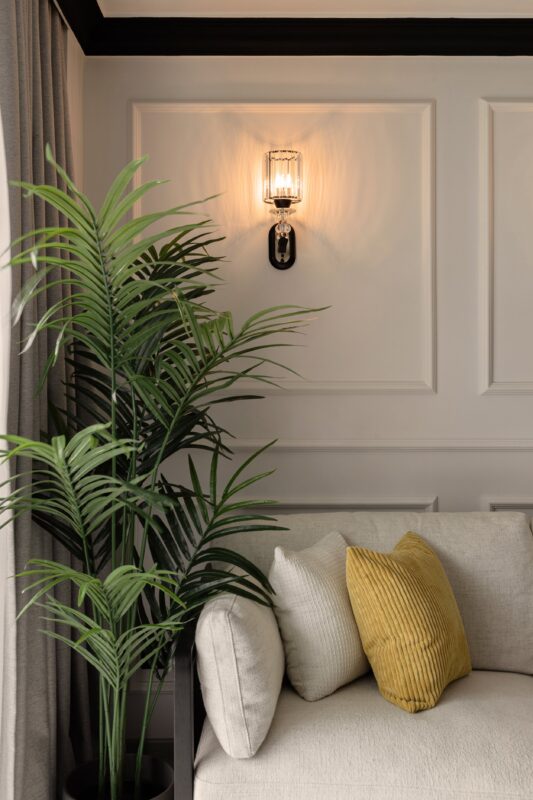
Botanical prints, ikat motifs, and subtle stripes reference textile traditions connected to colonial trade routes.
Use these cushions to add variation across neutral sofas or rattan seating. Select patterns that share a similar color base to maintain cohesion across the arrangement.
Vary the scale of the designs so the composition appears layered rather than repetitive.
Incorporating different textures, such as embroidered details or woven finishes, enhances visual interest across the seating area. Limit the overall quantity to prevent the room from becoming cluttered.
When thoughtfully selected, patterned pillows provide controlled bursts of detail.
They strengthen the room’s historical narrative while offering flexibility to refresh the look over time through simple textile updates.
15. Accent Chairs and Armchairs as Statement Pieces
Accent chairs play a central role in British Colonial interiors by adding structure and visual weight to seating arrangements.
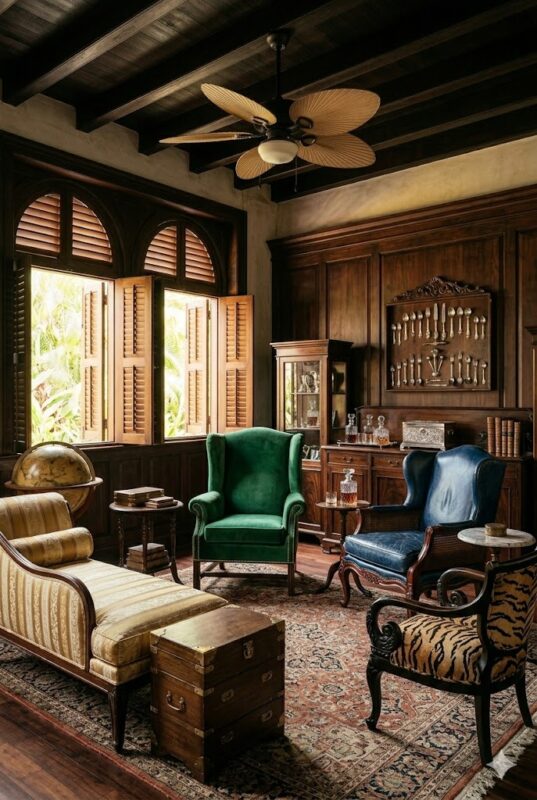
Plantation-style armchairs with carved wood frames contribute authenticity while supporting comfort.
Position these chairs opposite a sofa to encourage conversation and maintain symmetry within the layout.
Upholster them in neutral fabrics to preserve balance against darker wood finishes.
Wingback silhouettes or sling chairs introduce variety in shape without disrupting the cohesive palette.
Adding a small side table beside each chair enhances practicality and supports the social function of the room.
When selected with care, accent chairs serve as more than additional seating. They strengthen the architectural rhythm of the space.
16. Go for Neutral and Natural Color Palettes
Neutral and natural color palettes anchor British Colonial interiors in understated elegance.
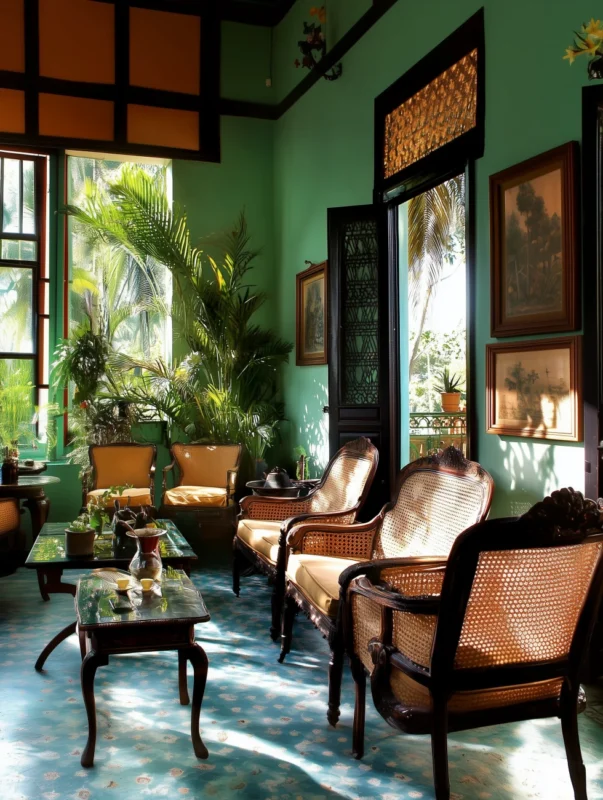
Shades such as ivory, sand, muted olive, and warm brown reflect landscapes found in tropical regions.
These tones complement dark hardwood furniture while allowing woven textures and antique accessories to stand out clearly.
The balance between lighter walls and deeper wood finishes creates contrast that defines the style.
Introduce subtle color through textiles or ceramics instead of repainting large surfaces. This approach maintains cohesion while offering flexibility for seasonal updates.
Natural materials such as jute rugs, linen upholstery, and bamboo accents reinforce the palette and connect the room to organic surroundings.
When colors remain grounded in earth-inspired tones, the entire interior achieves harmony rooted in material authenticity.
What Is British Colonial Style?
British Colonial style is an interior design approach that developed during the height of the British Empire.
When settlers moved to tropical regions such as India, the Caribbean, and parts of Africa, they combined traditional British furnishings with locally sourced materials.
Homes featured dark teak or mahogany furniture, woven cane, linen fabrics, and wide plantation shutters to manage heat and humidity.
The look centers on balance. Light walls offset heavy wood pieces, while natural textures soften the structure of formal layouts.
Collected objects, travel-inspired decor, and handcrafted details complete the space, giving British Colonial interiors their layered, lived-in character.