7 Must-Know Things About Greek Villa Sherwin Williams Walls

Greek Villa by Sherwin-Williams is often chosen for its soft, adaptable look.
It works across different rooms without creating sharp contrast or drawing too much attention.
The color shifts gently depending on light, which adds depth. From living areas to kitchens, it provides a steady backdrop that supports a range of materials and styles.
Knowing where it works best can help you use it more effectively throughout your home.
Let see 7 things you need to know about Greek Villa Sherwin Williams on walls.
Where To Use Greek Villa?
Greek Villa in Living and Dining Rooms
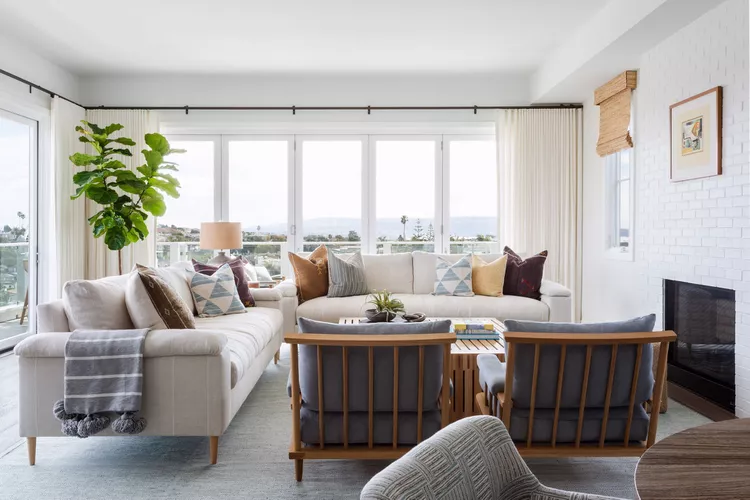
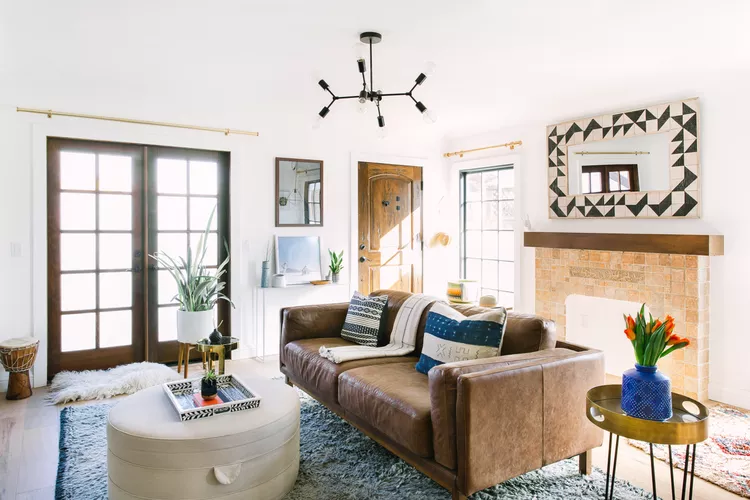
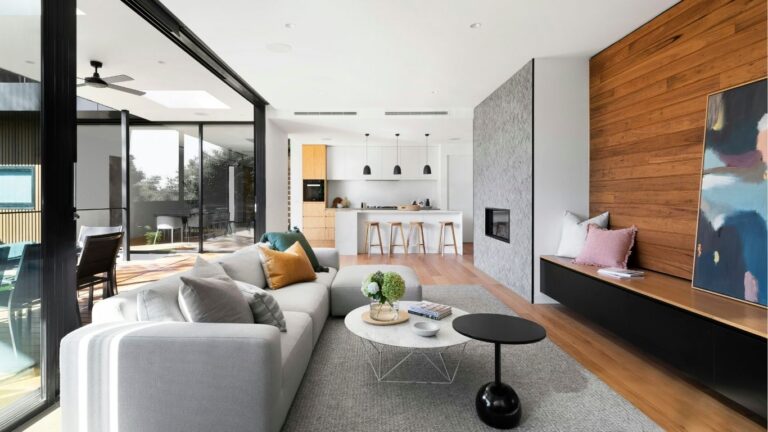
Greek Villa works well in spaces used throughout the day. In living rooms, it softens the look of large furniture and keeps the space from appearing too stark.
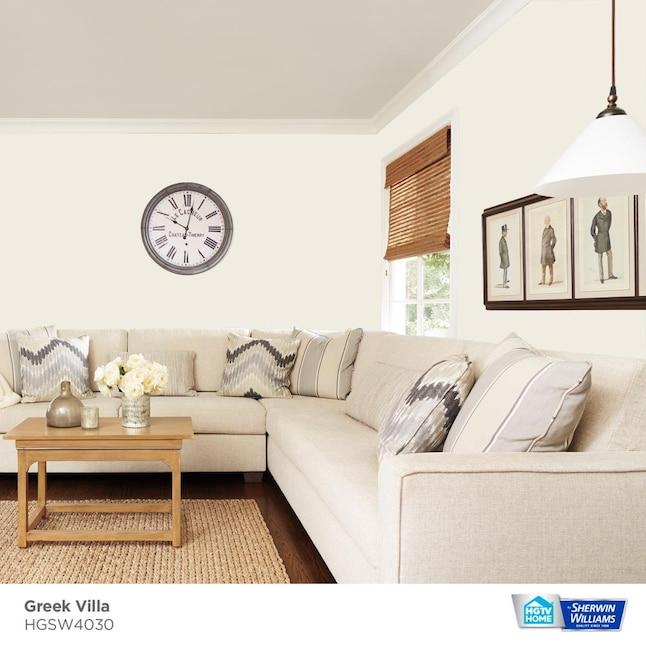
The color sits quietly in the background, which allows decor and textures to stand out more naturally.
In dining areas, it provides a steady backdrop for tables and lighting. The tone stays consistent even as decor changes. This makes the room easier to style over time.
Open layouts benefit from this shade. It connects living and dining areas without visual breaks, helping the entire space read as one continuous and balanced environment.
Using in Bedrooms and Bathrooms
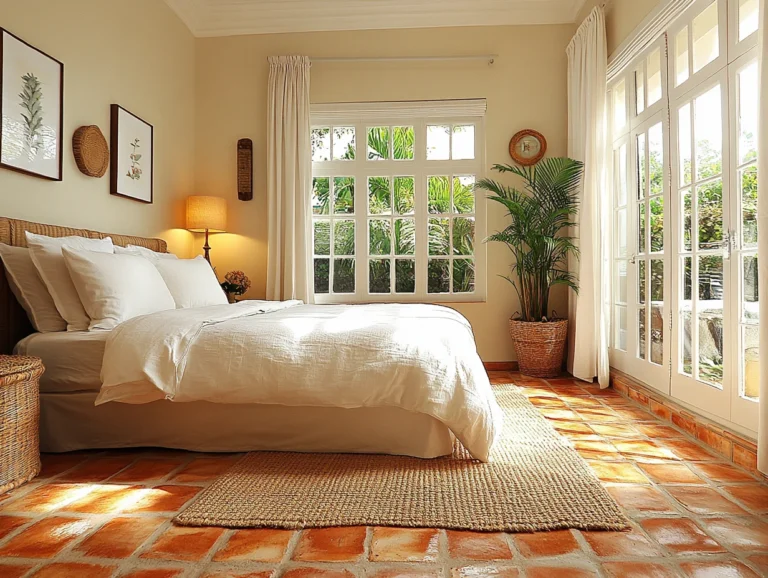
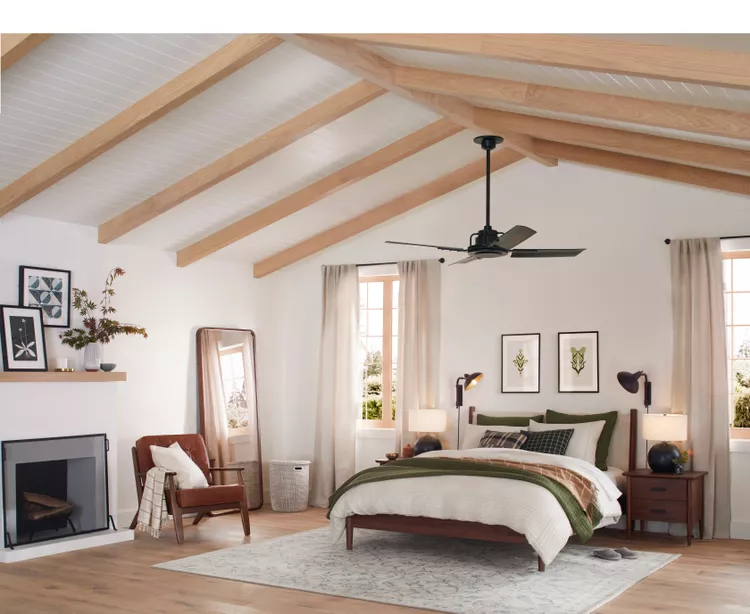
Greek Villa suits bedrooms where a softer setting is preferred. It works well with layered bedding and simple furniture, creating a space that does not rely on strong contrast.
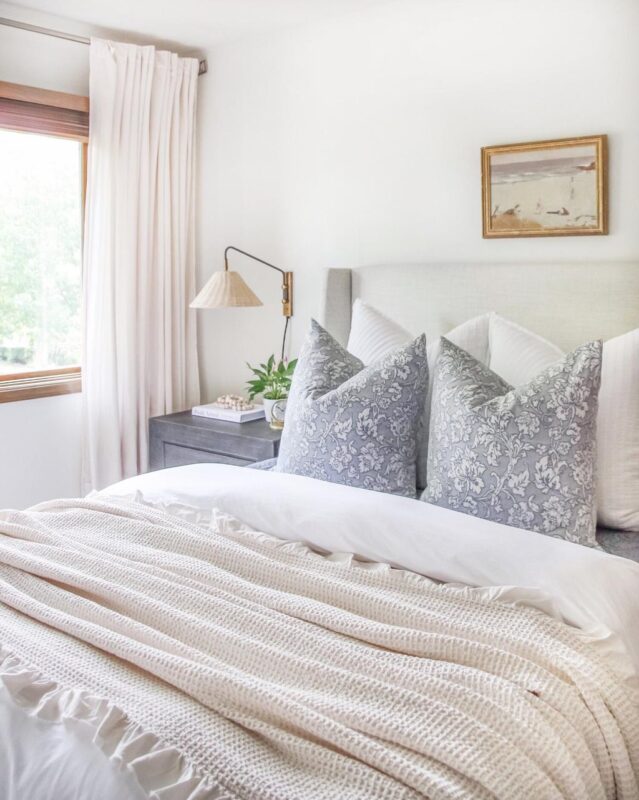
The color shifts slightly with natural light, which keeps the room from looking flat during the day.
At night, it appears more muted under lamps, which supports a calm atmosphere. The walls do not reflect light too sharply, making the space more comfortable.
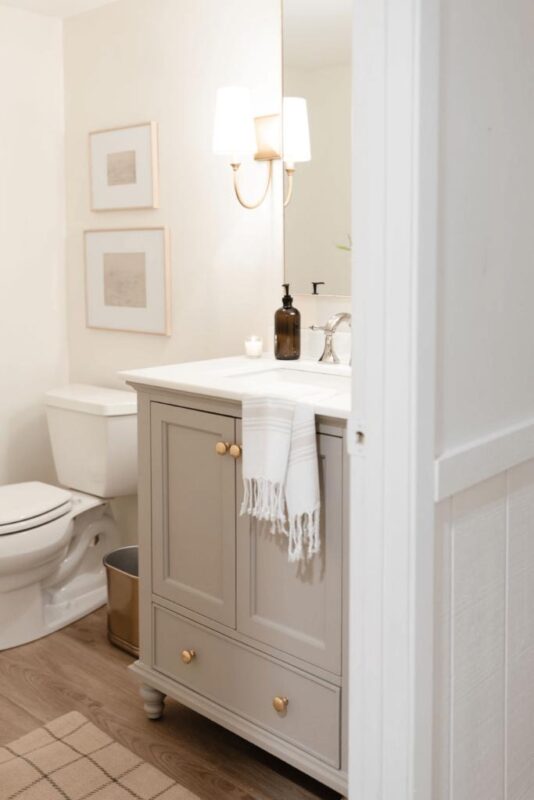
In bathrooms, it pairs easily with tile and metal finishes. It keeps the space light without looking overly bright, which helps both small and larger bathrooms maintain a clean, balanced look.
Greek Villa in Kitchens with Cabinets
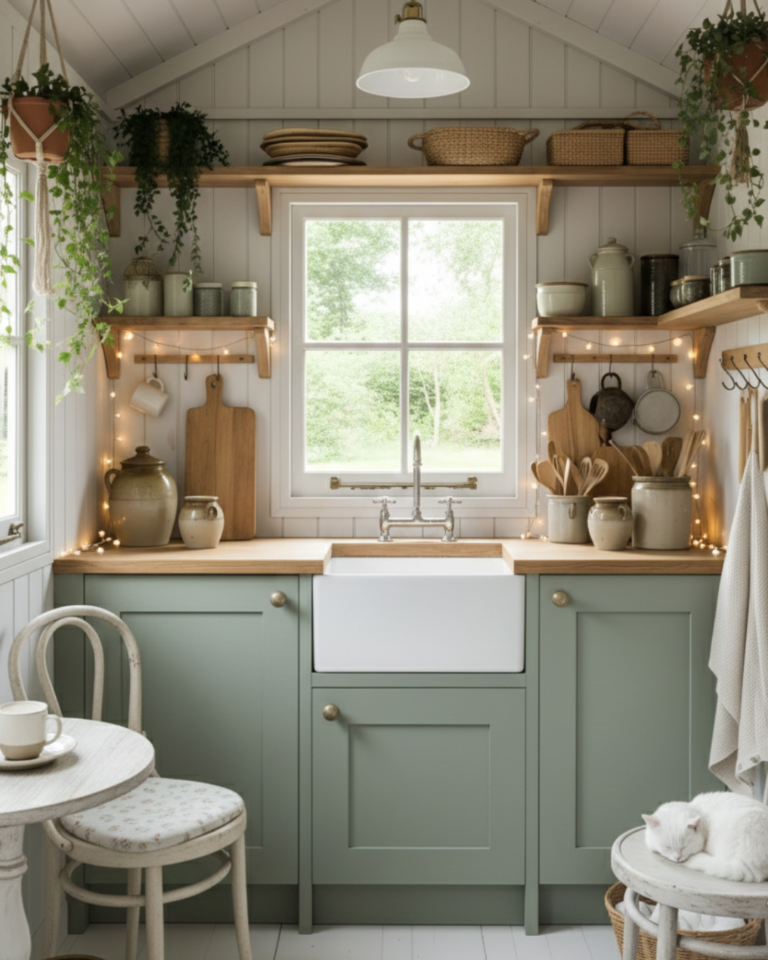
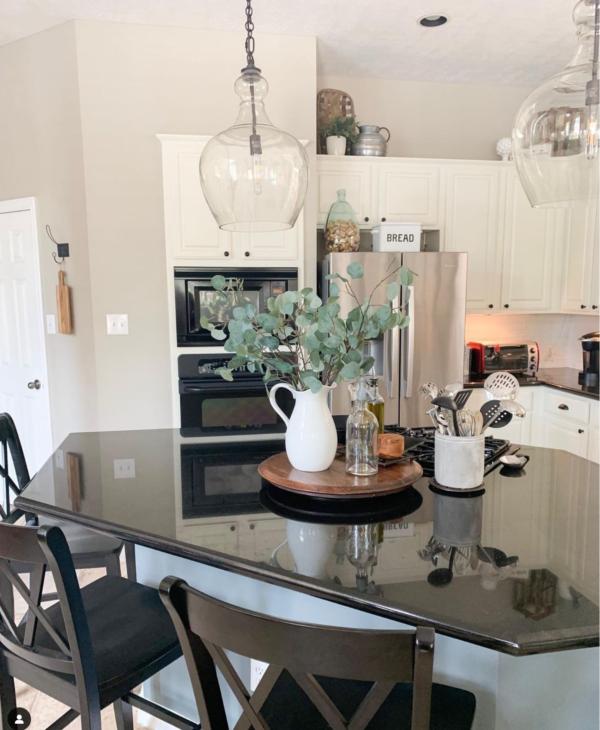
Greek Villa works well on kitchen walls because it supports many materials at once.
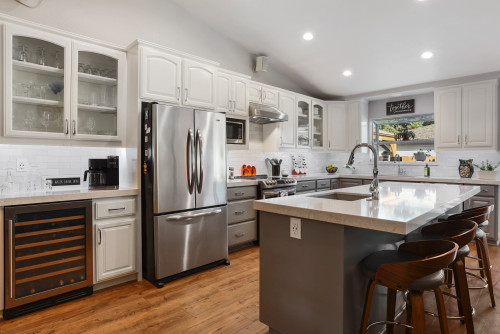
Cabinets, countertops, and fixtures sit comfortably against it, which makes planning easier. The color does not compete with stronger elements in the room.
Light plays a big role here. Morning light brings out a warmer tone, while evening light softens it. This adds depth across the day without changing the color itself.
It also works well with open shelving or tiled areas. The walls stay consistent, which helps the kitchen look organized even when several finishes are present.
Use on Exteriors
Greek Villa also works well on exterior walls. It reads as a soft white in daylight, not too bright and not dull. This balance helps the house stand out in a quiet way.

On stucco or brick, the color shows a gentle warmth. It pairs easily with natural materials such as wood or stone. Roof tones and landscaping also sit comfortably against it.
In strong sun, it avoids the harsh glare that some whites create. During cloudy weather, it keeps enough depth to prevent a flat look.
Trim and shutters can shift the overall style. Dark accents create contrast. Lighter tones keep everything more blended. This flexibility makes it a reliable option for many exterior styles.
Things To Know About Greek Villa Sherwin Williams On Walls
1. It’s Not a Pure White – It Has Warm Depth
Greek Villa sits in that in-between space where it looks clean but never sharp. It carries a soft warmth that gives walls more presence compared to a flat white.
This difference becomes obvious once it covers a full room. The color holds its own instead of fading into the background.
That slight warmth helps reduce the harsh contrast you often get with bright whites, especially against flooring or furniture.
It softens edges across the room, which can make everything look more settled. Walls don’t appear cold, even in spaces with minimal decor.
This makes it easier to work with over time. Furniture changes, textiles get swapped out, but the walls continue to support the space without clashing. The color doesn’t demand attention, though it never looks plain either.
For anyone trying to avoid that sterile, gallery-style white, this shade offers a more relaxed alternative that still keeps the room light and open.
2. Lighting Changes Everything
Greek Villa does not stay fixed throughout the day. It responds to light in a way that can surprise you if you only test a small swatch.
In rooms with strong daylight, especially from large windows, the warmth becomes more noticeable. The walls take on a softer glow that leans slightly creamy.
In lower light conditions, the same color pulls back. It looks quieter and more neutral, almost closer to a traditional off-white.
This shift can work in your favor if you want a room that changes tone naturally from morning to evening.
Artificial lighting also plays a role. Warm bulbs push the color further into that creamy range, while cooler bulbs keep it more restrained.
The difference may seem small at first, though across full walls it becomes clear.
Because of this, it helps to test larger patches on different walls. A color like this reveals itself fully only when it interacts with real lighting conditions in your home.
3. The Undertones Stay Subtle but Still Matter
Greek Villa carries a gentle mix of yellow and beige undertones. They are not strong enough to dominate the room, though they do influence how everything else appears next to it.
These undertones help the paint sit comfortably with natural materials and softer color palettes.
When paired with cool tones like gray or blue, the warmth becomes more noticeable. It doesn’t clash, though the contrast becomes clearer.
In rooms filled with warmer elements like wood or linen, the color blends more easily and creates a steady backdrop.
This balance is what makes it versatile. It does not lock you into one style or palette.
You can shift your decor over time, and the walls continue to work with those changes.
Understanding these undertones helps avoid surprises. Once you know how it reacts with surrounding colors, it becomes much easier to plan the rest of the room with confidence.
4. It Reflects Light Really Well
Greek Villa has a high light reflectance, which means it helps distribute light across the space instead of absorbing it.
This makes rooms appear brighter, though not in a sharp or glaring way. The effect feels more diffused, which works well in everyday living spaces.
In smaller rooms, this can make a noticeable difference. Walls appear more open, and corners don’t feel as enclosed.
Even in larger rooms, the paint helps maintain a consistent level of brightness throughout the day.
The reflection also interacts with surrounding surfaces. Floors, furniture, and decor subtly influence how the light bounces back.
This creates a layered effect where the room gains depth without needing bold color.
Because of this, the paint supports the overall environment rather than standing out as the main feature.
It enhances what is already there, making it a reliable choice for spaces that rely on light to define their atmosphere.
5. It Works on More Than Just Walls
Greek Villa holds up well when used across full walls instead of just small sections.
Covering an entire room in one color creates a continuous flow, which helps the space feel more connected. There are no abrupt breaks or shifts that interrupt the layout.
This approach also reduces the challenge of matching multiple whites. Mixing shades often highlights differences in undertones, which can make one color look off next to another.
Using a single tone keeps everything consistent and easier to manage.
It can extend beyond walls as well. Some choose to carry it onto trim or ceilings using a different finish.
This creates a subtle variation in texture rather than color, which keeps the room visually interesting without adding contrast.
The result is a space that feels complete. The color becomes part of the structure rather than a decorative layer added later.
6. It Pairs Well with Natural Materials
Greek Villa works particularly well with materials that have visible texture.
Wood grain, woven fibers, stone surfaces, and ceramics all sit comfortably against it. The warmth in the paint supports these materials instead of competing with them.
This makes it a strong base for spaces that rely on texture rather than bold color.
A room filled with layered fabrics, natural finishes, and simple decor gains depth through contrast in surface.
The paint also helps tie these elements together. Different materials can sometimes feel disconnected, though a consistent wall color brings them into the same visual space.
It acts as a backdrop that holds everything in place.
Because of this, the room develops a more cohesive look over time. As new pieces are added, they tend to fit in more easily, since the foundation remains steady.
7. It’s a Timeless, Widely Used Neutral
Greek Villa continues to be used because it does not rely on strong trends.
It sits comfortably within a range of styles and adapts as interiors change. This makes it a practical choice for anyone who prefers not to repaint often.
Over time, furniture may shift, decor may evolve, and layouts may change. A color like this continues to support those updates without becoming outdated. It does not lock the room into one specific direction.
Its strength comes from consistency. It offers enough character to avoid looking plain, though it never dominates the space.
That balance allows it to remain relevant even as design preferences shift.
For long-term use, this kind of reliability matters. It gives you freedom to adjust the rest of the room without needing to rethink the walls each time something changes.