13+ Beige Couch Living Room Ideas

A beige couch offers endless possibilities for a living room.
It provides a calm base that lets you explore textures, materials, and subtle color shifts without the design feeling forced.
You can use it to anchor a cozy corner, highlight natural light, or pair it with darker furniture for contrast.
Over time, small details like rugs, cushions, and lighting can transform the space, giving it warmth.
With a few thoughtful touches, your beige sofa becomes the heart of the room. Let us take a look at these beige couch living room ideas.
Living Room with Beige Couch Ideas
Layer Neutral Textures Around the Couch
A beige couch gives you a calm and versatile base to work with. Using textures around it helps the room feel complete without relying on bold colors.
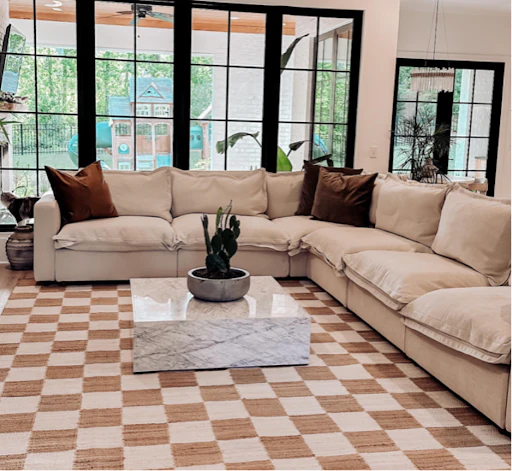
Think chunky knit throws draped over the sofa. They add warmth and comfort and invite you to sink in.
A low-pile jute or wool rug underfoot adds grounding and introduces natural patterns. These textures contrast nicely with smooth upholstery and soft cushions.
Pillows in cotton, linen, or velvet create subtle variations that keep the seating area from feeling flat.
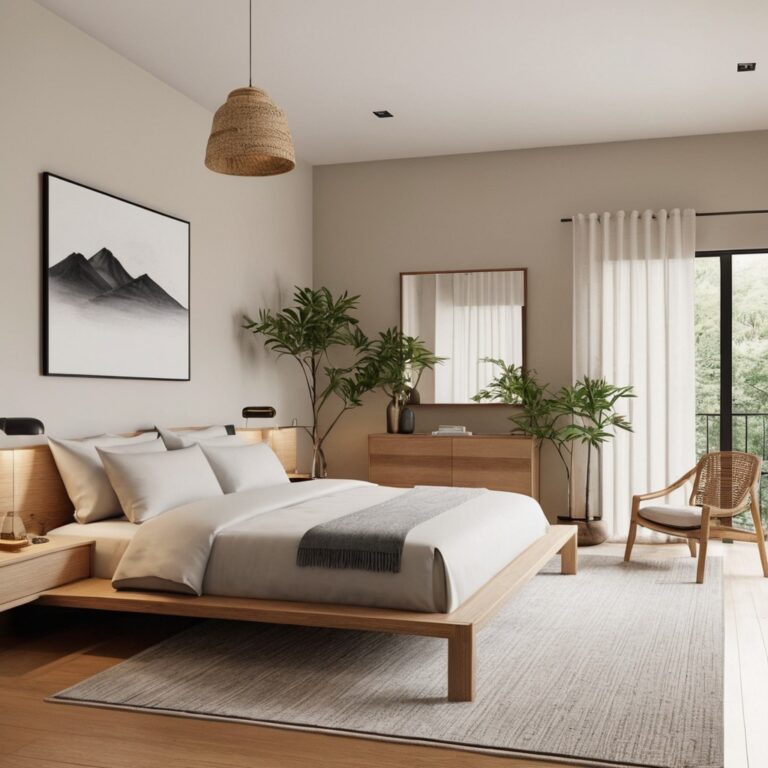
Wood furniture enhances the organic look. A coffee table or side table in oak or walnut adds natural grains that echo the neutral palette.
You can place small décor objects like ceramic bowls or woven baskets to bring character into the space.
This layered approach makes the beige couch central to the room without dominating it. The textures introduce interest while keeping the environment relaxed and calm.
It’s a timeless way to make the living area feel lived-in.
Include Warm Metallic Accents
Metal accents add subtle energy around a beige couch. Brass or copper table lamps catch the light and create soft highlights across the seating area.
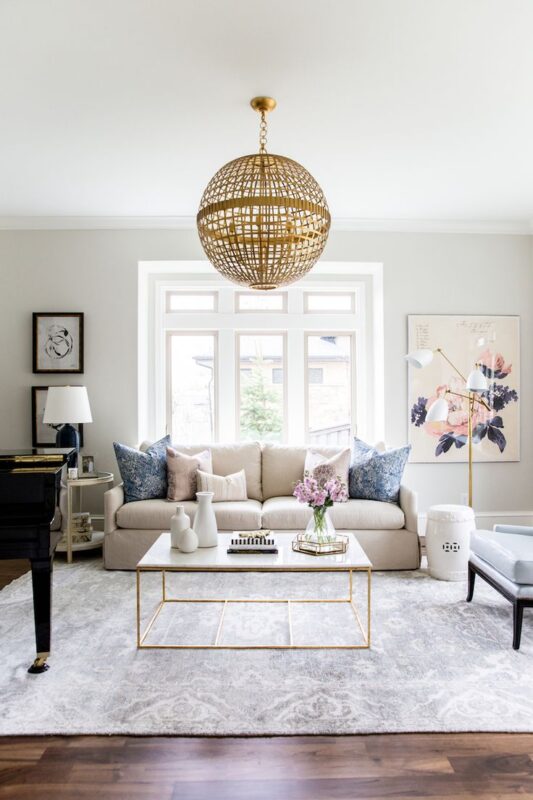
A coffee table with a thin metal frame introduces structure while still feeling light. Smaller accents, like picture frames or candleholders, echo the metallic tones.
These touches prevent the room from looking too plain while blending naturally with the neutral couch.
If the sofa sits on a soft beige or cream rug, the metal elements stand out in a controlled way. Pairing them with wood furniture strengthens warmth and balances the cooler shine of brass or copper.
Even lighting can complement these details. Lamps with warm-toned bulbs emphasize the natural hue of the sofa and enhance the reflective quality of metal.
In the end, metallic accents give a beige couch setting sophistication. The overall effect is comfortable enough for everyday use, creating a space that draws attention.
Pair with Earthy Green Elements
Earthy greens complement beige tones naturally. They bring life to a neutral sofa while creating a sense of calm in the room.
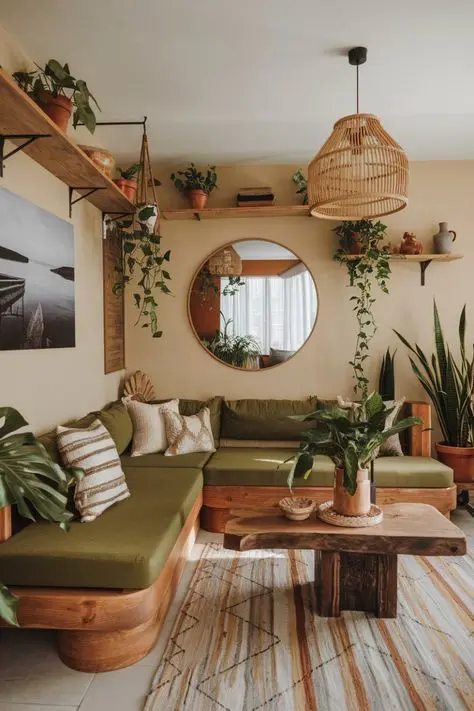
Start with large plants in corners, like a fiddle-leaf fig or rubber plant. Their foliage introduces height and texture. Smaller potted plants on side tables continue the green accents and add variety.
Cushions in muted green or olive shades work alongside the sofa to balance its neutral tone. The combination of soft upholstery and natural elements creates a room that is connected to the outdoors.
Wood furniture integrates seamlessly into this palette. An oak coffee table or walnut console reinforces the organic feel. You can also add woven baskets or rattan trays to layer texture.
Artwork depicting botanical prints or landscape photography ties the room together. It draws the eye across the space, connecting the sofa and plants.
This approach makes the beige couch the anchor of a natural, grounded living area that feels fresh.
Use Geometric Patterns for Energy
Geometric patterns bring energy to a neutral sofa setup. Rugs with diamonds, chevrons, or angular designs help define the seating area and provide visual rhythm.
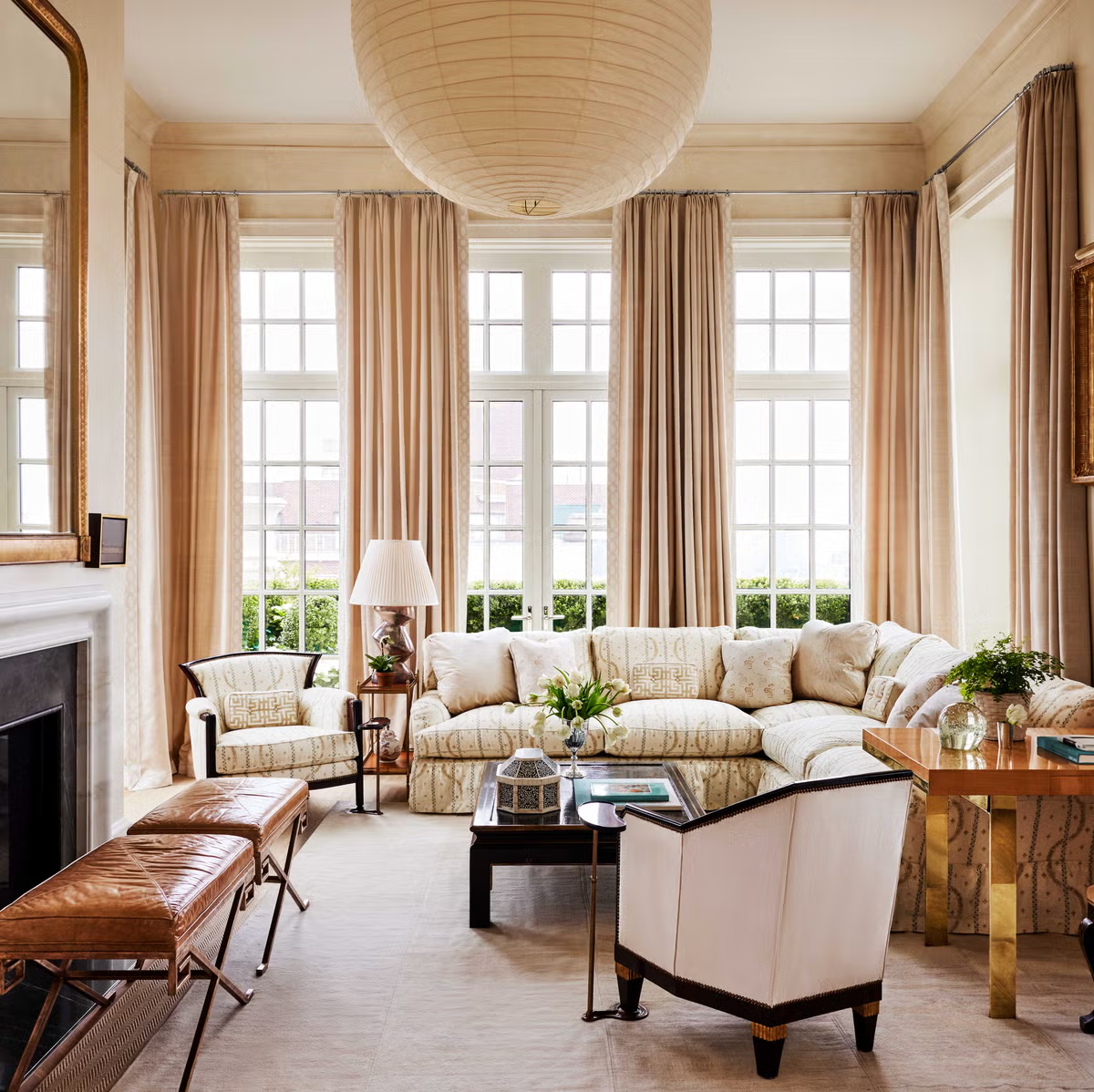
Pillows with stripes, triangles, or patterns add depth across the couch. They break up the plain surface of the upholstery and create an interesting contrast.
Wall art with geometric motifs can reinforce the theme. Simple frames or minimalistic designs keep the focus on the sofa around it.
Even small touches, such as patterned trays or floor cushions, help carry the design throughout the room. Combining different patterns works best when the color palette relates to the beige couch.
The result is a modern, structured living area where the sofa remains central but the space is lively. Patterns add character without overwhelming the neutral foundation, giving the room a balanced personality.
Highlight the Couch with Warm Wood Furniture
Warm wood tones enhance a beige couch naturally. A walnut coffee table or oak side table introduces a tactile, grounded element. The grain and warmth of the wood complement the sofa.
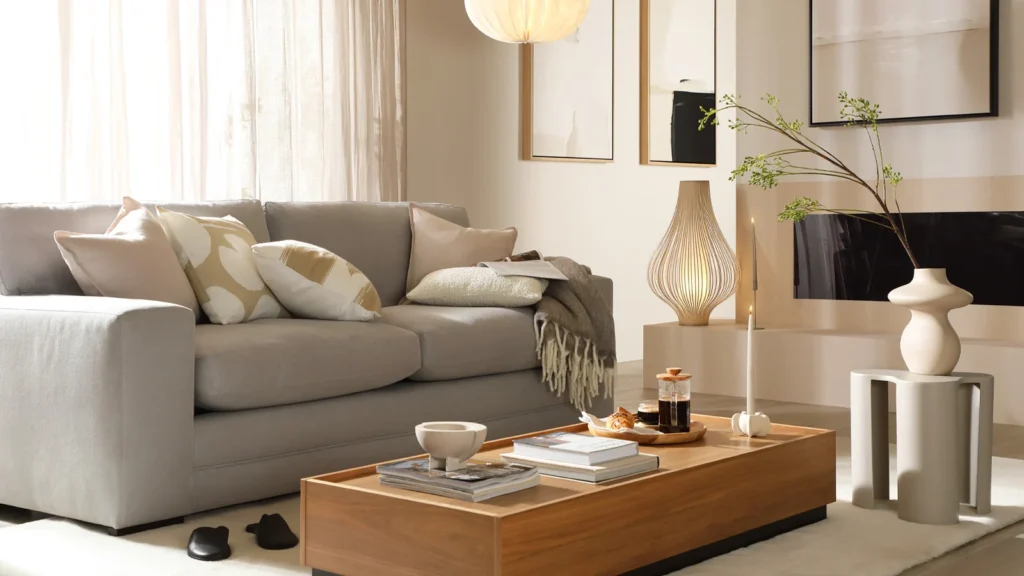
Matching shelving or media consoles expand the wood throughout the room. They provide practical storage while emphasizing natural textures.
Layered décor, like vases, small sculptures, or books, softens the wood and creates a more lived-in feel. Rugs in muted tones tie the furniture and sofa together.
Even in larger living rooms, wood furniture helps organize the seating area. The beige couch sits comfortably within this structure, becoming part of a cohesive ensemble instead of a standalone piece.
This combination gives the living room warmth. It ensures the space is composed, with each element supporting the sofa’s neutral tone.
Add Warm Leather Accents
Pairing a beige couch with leather accents introduces texture. A leather armchair nearby echoes the warmth of the sofa and adds contrast through its smooth, polished surface.
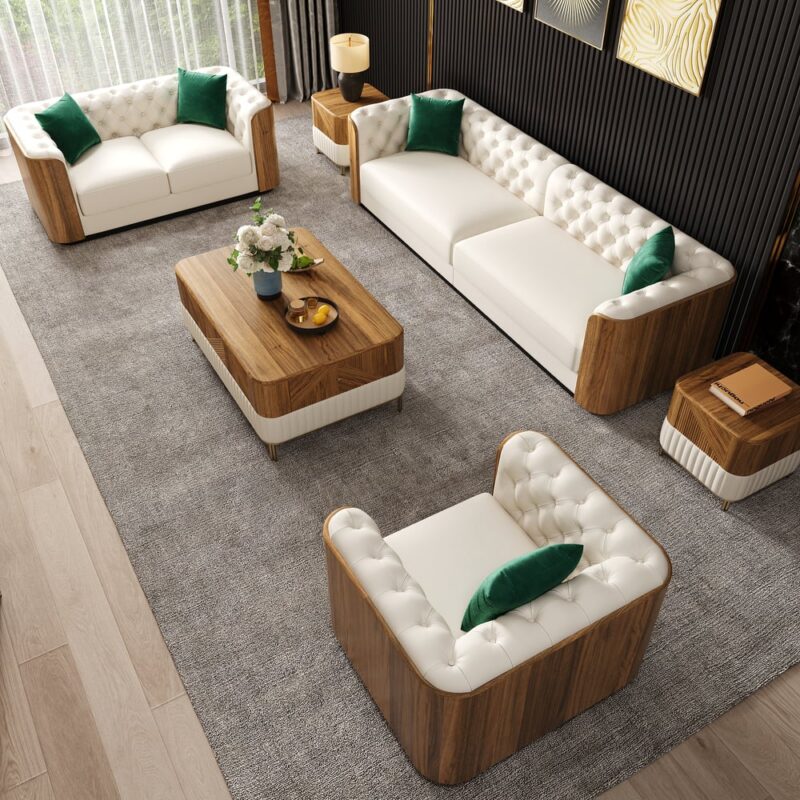
Accessories in leather, such as a pouf, ottoman, or decorative trays, can bring richness to the seating area.
The natural variations in leather tones like tan, chestnut, or cognac blend with neutral upholstery, to provide a layering effect.
Wooden furniture completes the combination. A low coffee table with a live-edge finish or walnut side tables reinforces natural materials in the space. These elements work together to create a sophisticated environment.
Rugs in natural fibers, like jute or sisal, complement the leather and sofa textures, creating visual continuity.
Small touches, such as a leather-bound journal or a basket, add functional style that carries through the room.
This setup gives the beige couch a strong presence in the room. The mix of materials ensures the space remains warm and composed.
Prioritize Monochromatic Tones
Creating a monochromatic palette emphasizes the understated elegance of a beige couch. Layering shades of cream, ivory, and soft taupe across walls, furniture, and textiles adds depth.
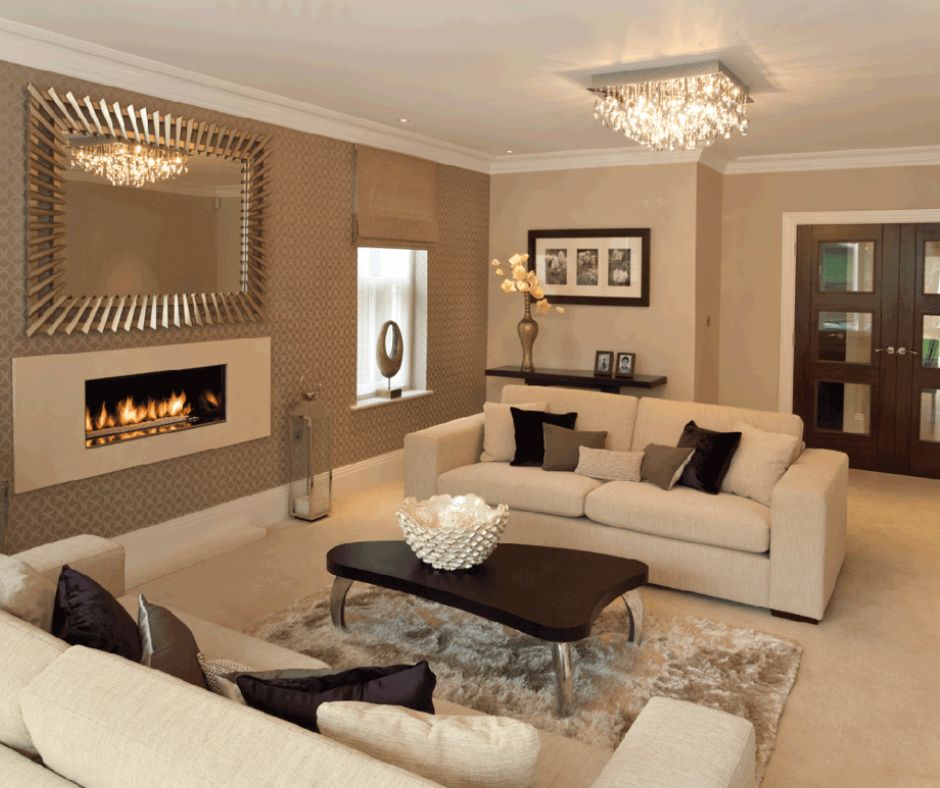
Textured fabrics, like linen or boucle pillows, break up flat surfaces and introduce subtle variation. A wool throw over the couch creates dimension.
Flooring plays an important role in a monochrome scheme. A rug in a slightly darker or lighter tone helps anchor the seating area.
Wooden furniture in light oak or natural beech reinforces warmth.
Decor can remain minimal but strategic. Framed line drawings or ceramic vases echo the neutral palette.
Lighting, such as table lamps with cream shades, enhances the warmth and creates a soft ambiance.
Monochromatic styling allows the beige couch to take center stage. This approach emphasizes form, texture, and balance over color.
Incorporate Bold Artwork
A beige couch provides a neutral base that pairs well with bold wall art. Large, expressive paintings or prints above the sofa can instantly define the room.
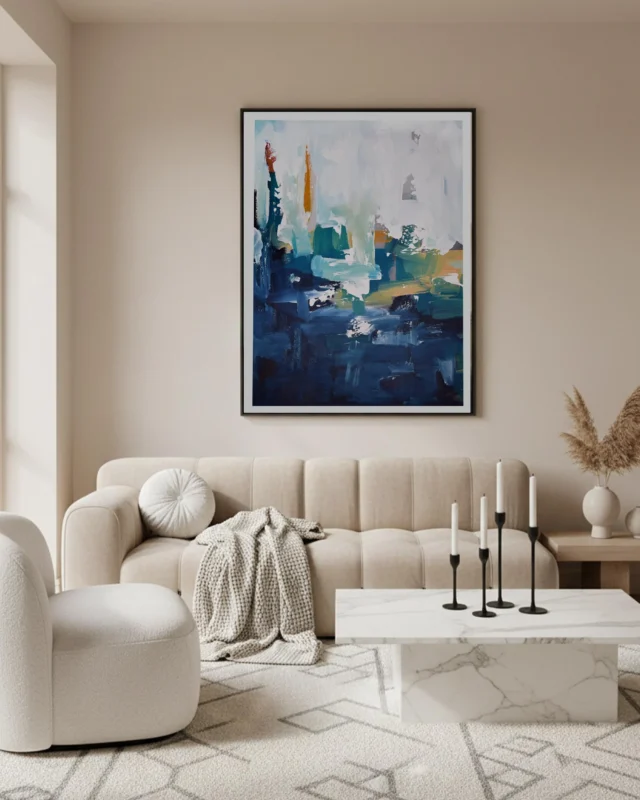
Abstract or geometric pieces add movement, while artwork featuring rich hues like navy, deep red, or emerald introduces contrast.
The size of the piece matters a lot. A single large canvas works better than several small frames in maintaining focus.
Decor around the sofa can echo tones from the artwork. A rug, throw, or a few pillows that reflect subtle colors in the painting tie the room together.
Lighting is essential for highlighting the artwork. Adjustable wall-mounted lights or floor lamps positioned nearby illuminate the piece and enhance the textures and colors in the painting.
This approach allows the beige sofa to remain understated. The surrounding elements, on the other hand, inject character. It transforms a simple seating area into a striking layered composition.
Create a Cozy Reading Nook
Transforming the area around a beige couch into a reading nook adds functionality.
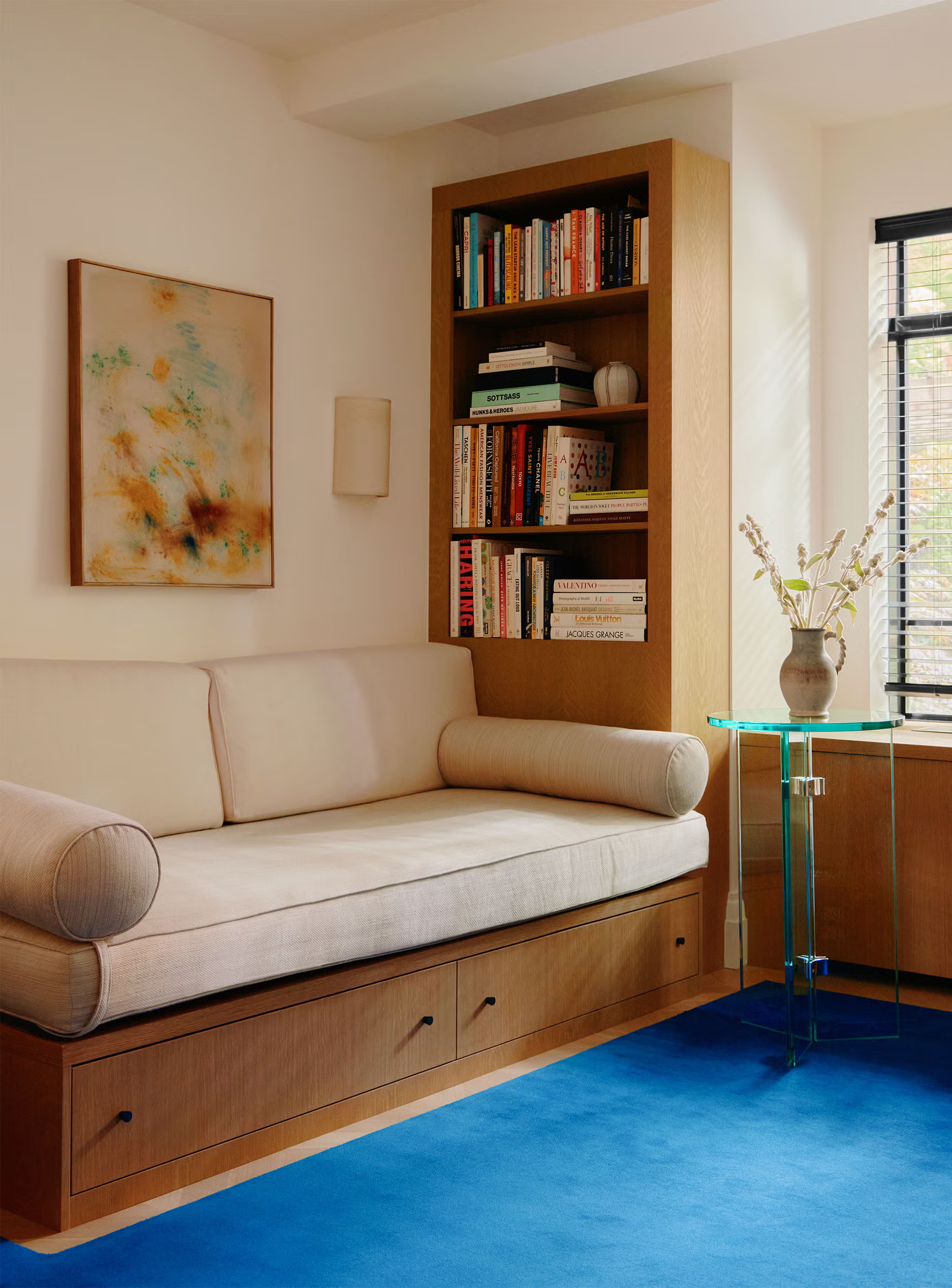
A comfortable floor lamp beside the sofa illuminates your favorite books, while a soft throw on the couch encourages quiet moments.
A small side table provides a spot for tea, glasses, or notebooks, keeping essentials within reach. Adding a textured rug underfoot defines the space. It creates an intimate zone within a larger living room.
Tall shelving or a bookcase nearby organizes literature while introducing vertical interest. Framed prints on the shelves make the corner feel personal.
Adding a single accent chair or pouf can offer additional seating and make the nook more inviting. Cushions in muted tones complement the beige sofa, tying the design together.
This arrangement turns the couch from simple seating into a practical retreat. It emphasizes organization while integrating seamlessly with the rest of the room.
Introduce Soft Pastel Accents
Pastel accents add gentle color to a beige couch setup. Throw pillows in soft pink, mint, or powder blue introduce freshness and lift the neutral foundation.
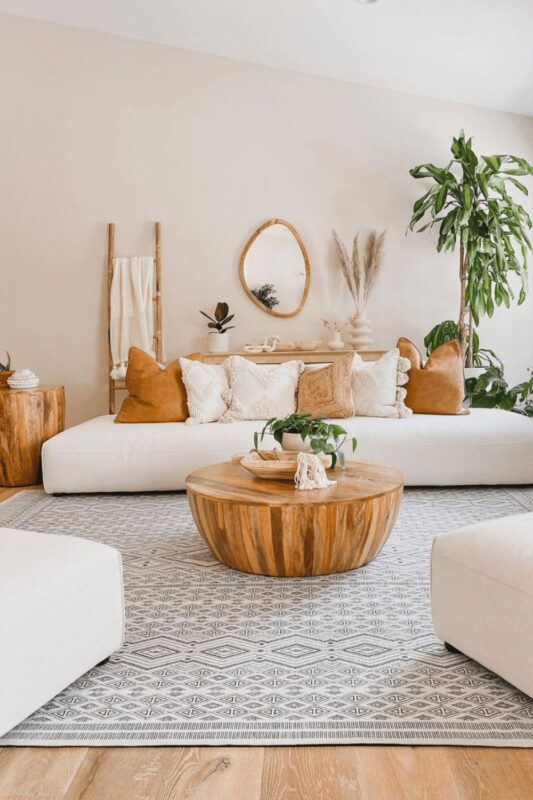
A pastel-colored rug or small upholstered bench can extend the palette across the floor, creating continuity. Artwork featuring light tones reinforces this soft color story while keeping the focus on the sofa.
Furniture in light woods complements the pastels. A pale oak coffee table or side tables creates a soft framework for the seating area and allows the couch to remain central.
Lampshades pastel hues continue the theme subtly. Small decorative objects in muted tones add charm and never distract from the neutral base.
This combination produces a living room that is airy. The beige couch acts as the calm core.
Place Sofa Near Natural Light
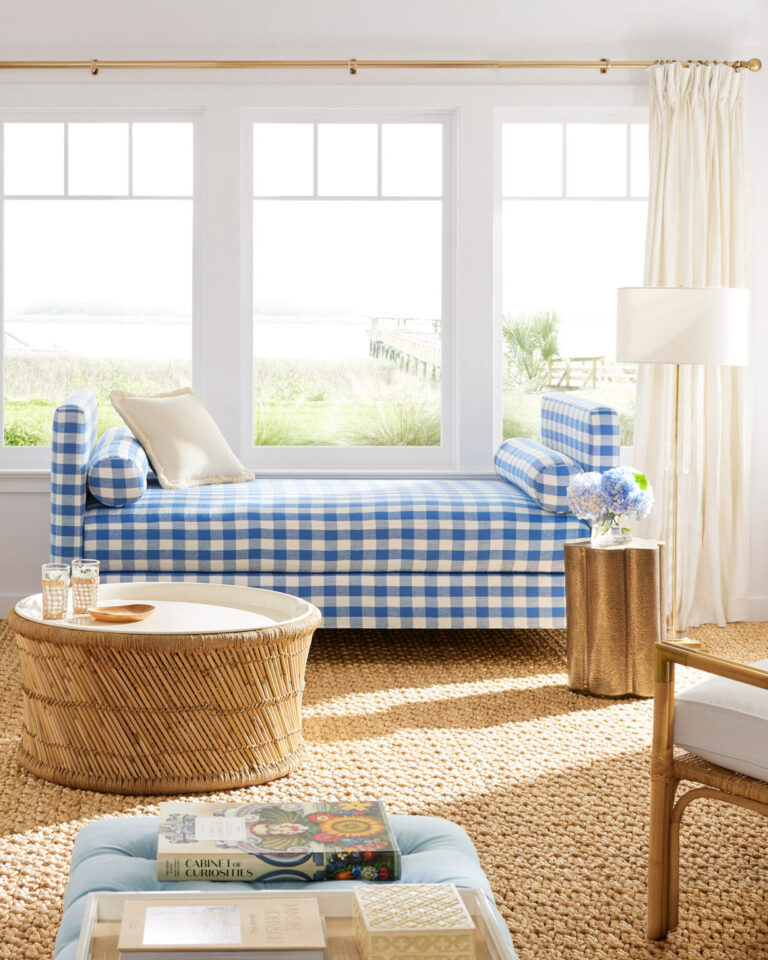
Placing a beige couch near large windows takes advantage of natural light to brighten the living room.

Sunlight enhances the warmth of the upholstery and makes the space feel more dynamic during the day.
Light curtains in sheer fabrics diffuse sunlight gently across the room, creating a soft glow over the sofa and adjacent seating areas. Window treatments in linen or cotton maintain a natural, airy appearance.
Position a coffee table or side tables in front of the couch to catch light reflections from metallic décor pieces. Simple pottery, vases, or tabletop plants add visual interest.
Flooring choices also contribute. Light wood or pale tile helps reflect light across the space, complementing the neutral tones of the sofa.
By prioritizing natural light, the beige couch becomes a centerpiece in a bright, open room.
This setup emphasizes livability while maintaining an elegant atmosphere that invites activity.
Integrate Subtle Textured Walls
Textured walls can enrich the setting around a beige couch, adding dimension to an otherwise neutral backdrop.
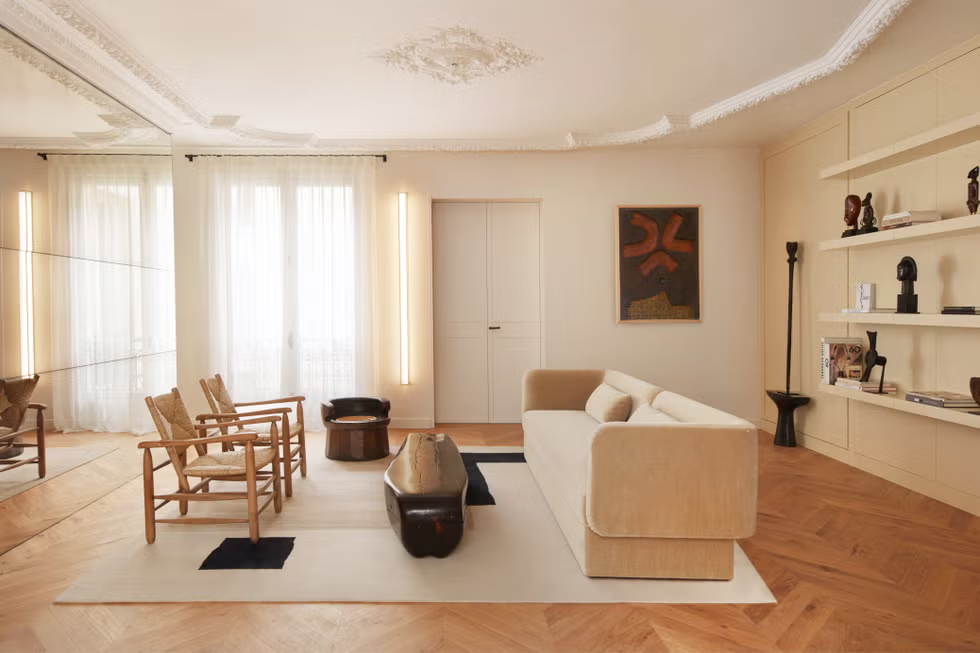
Plaster finishes, wood paneling, or stone veneers introduce tactile interest that draws attention across the room.
An accent wall behind the sofa can serve as a visual anchor. Earth-toned textures like sandy plaster highlight the couch.
Decorative shelves on the textured wall maintain balance. Small framed prints or ceramics spaced strategically allow the surface to remain prominent without cluttering the area.
Complementary lighting helps emphasize the wall’s texture. Floor lamps placed at angles create soft shadows that enhance the relief of the material.
Textured walls transform a beige couch setting into a layered engaging space. The sofa retains prominence all through.
Combine with Dark Accent Furniture
Pairing a beige couch with dark accent furniture creates a dramatic effect. A deep brown coffee table provides a strong focal point, contrasting the neutral sofa.
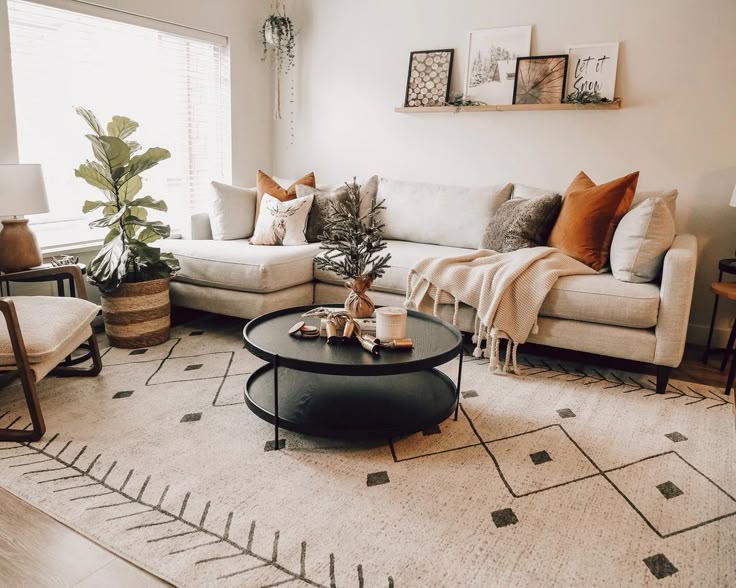
Side tables, media consoles, or shelving in darker wood tones enhance the visual balance across the living room. These pieces anchor the seating area and give structure to open spaces.
Textiles such as cushions can tie the dark furniture back to the beige sofa. Motifs in charcoal or deep mahogany introduce rhythm across the floor and seating surfaces.
Lighting choices complement the darker tones. Lamps with slack shades accentuate the furniture while illuminating the space efficiently.
This combination strengthens the presence of the sofa in the room. The contrast emphasizes form, resulting in a living room with sophistication that remains approachable.
Curved Furniture Pieces Around
Curved furniture around a beige couch softens the lines of a neutral seating area.
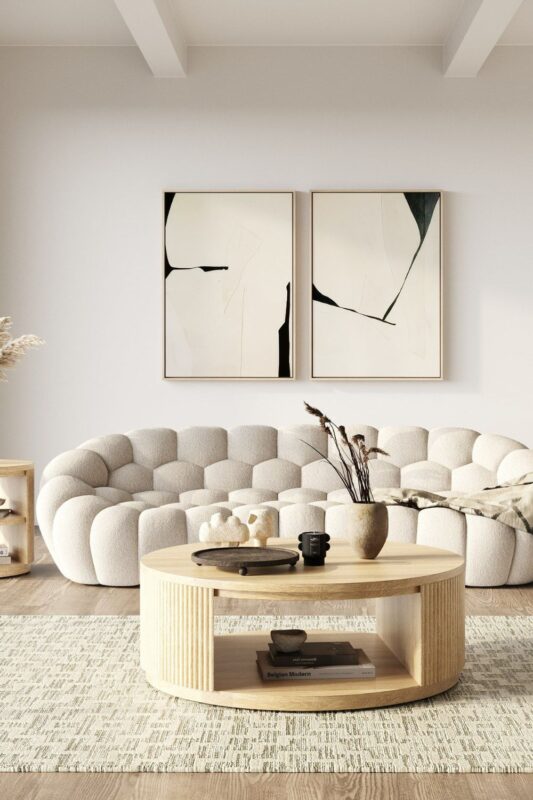
A rounded coffee table, arched armchairs, or semicircular ottomans can create a more dynamic flow across the room.
Curved silhouettes break the rigidity of straight-lined furniture, making circulation easier and giving the living area a more relaxed rhythm. A plush pouf echoes the neutral palette of the sofa.
Rugs with circular patterns or rounded edges complement the curves and define the seating zone visually. Lighting, such as arched floor lamps, follows similar shapes to maintain harmony.
The room gains movement while keeping a unified, natural tone that feels considered.