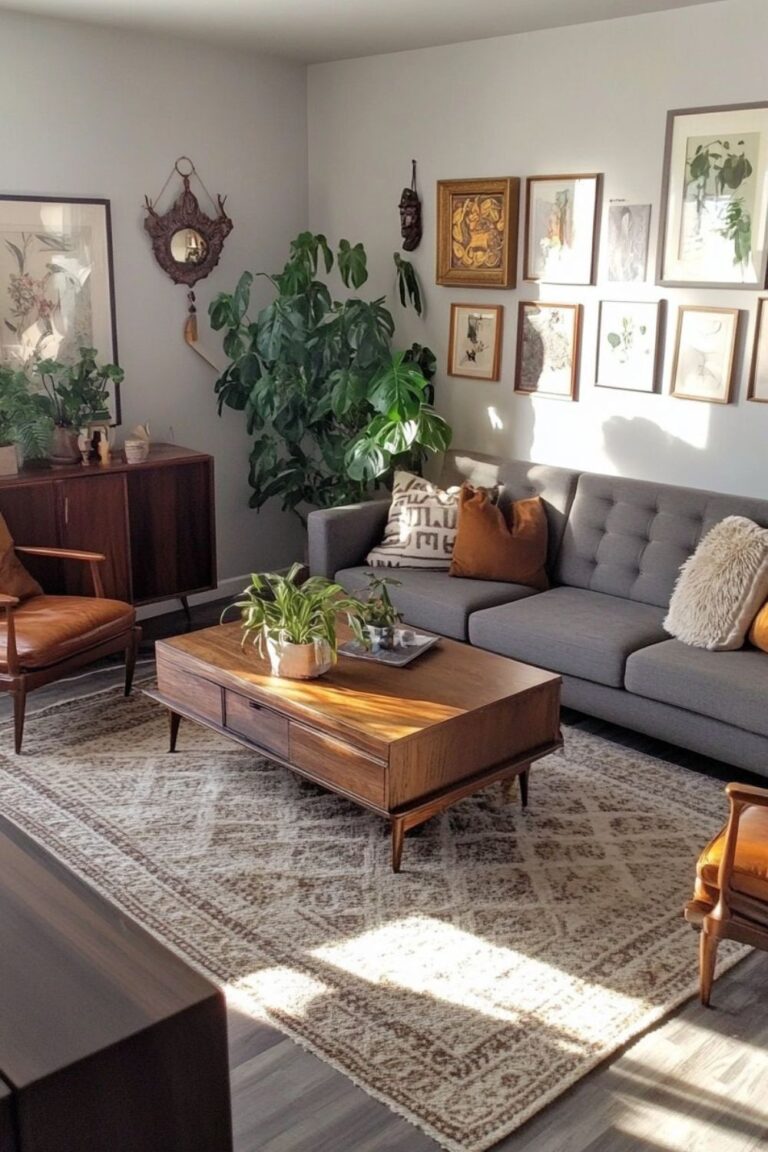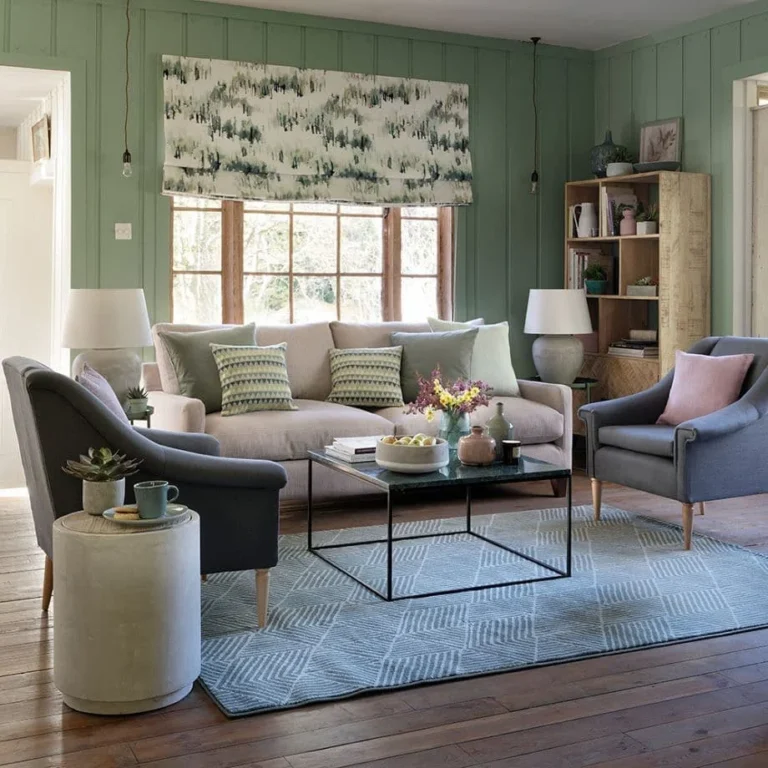
11 Eye-Catching Tan Couch Living Room Ideas

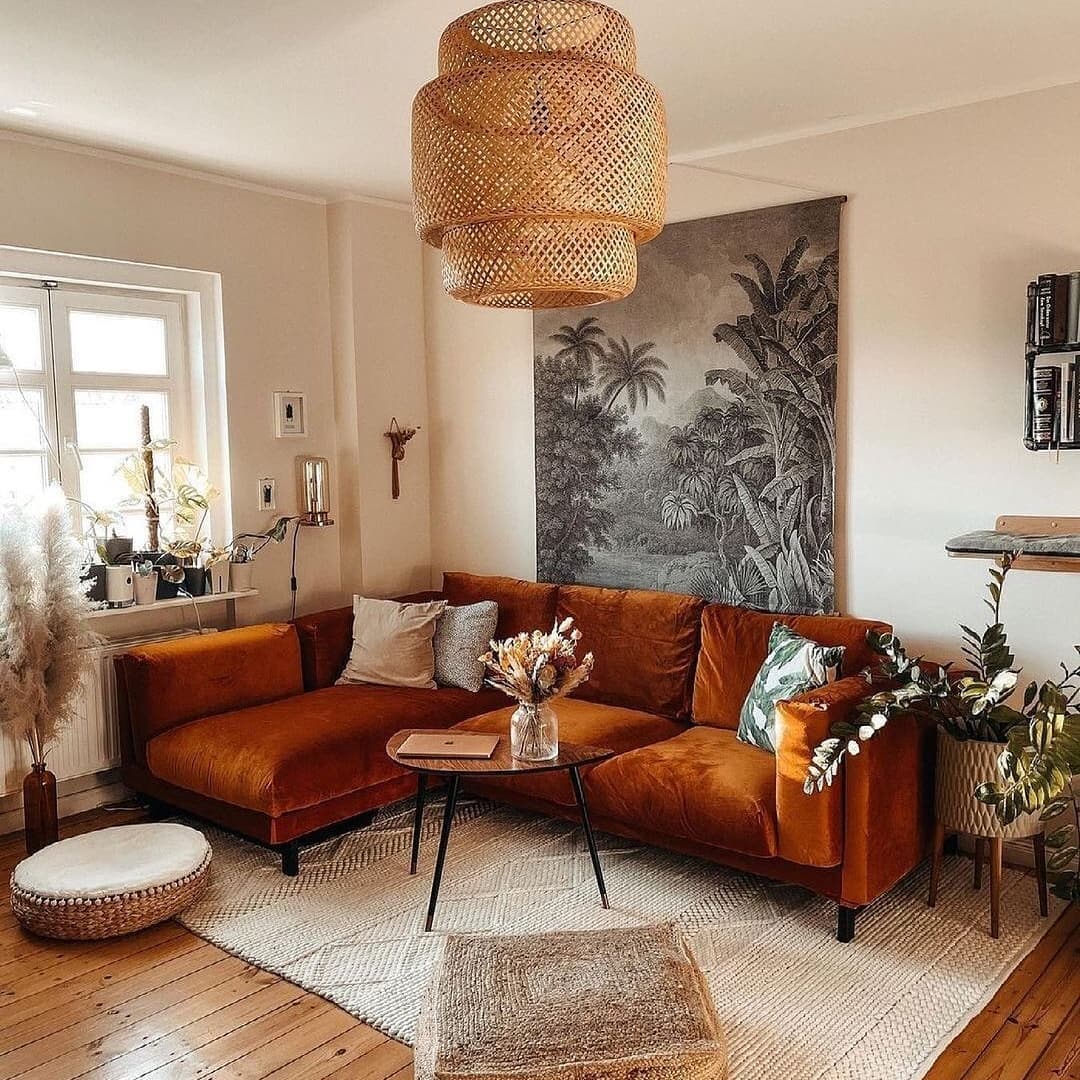
A tan couch has always been one of those pieces that quietly shapes a living room.
At first, I used to wonder if it would end up looking too plain once placed in a space.
Once styling begins, that concern fades quickly. It works with warm tones, cool shades, textured layers, and bold accents in a way that keeps things flexible.
These 11 ideas explore practical ways to style a tan couch so the living room gains structure, warmth, and visual interest.
Ideas For A Living Room Featuring Tan Couches
Use Vertical Space with Warm-Toned Details
A tan couch sets a soft, grounded base, so building upward can help the room feel more complete.
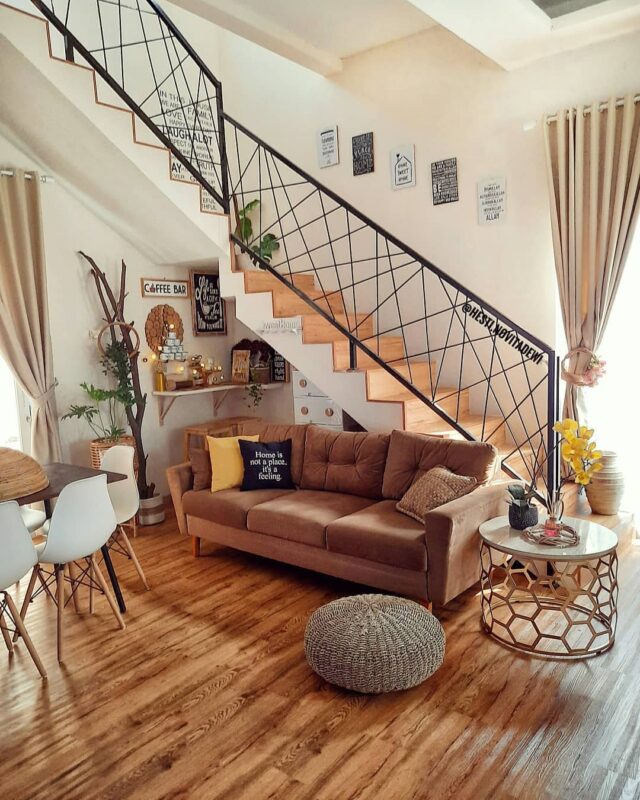
When floor space is limited or already occupied, the walls become your best tool.
Tall shelving, stacked artwork, or vertical panels can draw the eye higher and give the room better balance.
Warm tones pair naturally with a tan couch. Think terracotta, muted rust, or soft amber accents placed through wall décor, cushions, or small accessories.
These tones create a cohesive look that feels intentional without needing bold contrast.
You can also hang long curtains closer to the ceiling to extend the height visually. This simple adjustment changes how the room is perceived.
Lighting placed higher up, such as wall sconces, can also help distribute light evenly across the room.
Avoid This: Avoid placing all décor at mid-wall height, as it can make the room look flat and limit visual movement.
Bring in Greenery for a Fresh Touch
A tan couch pairs naturally with greenery, creating a living room that is connected to nature. Plants introduce color in a subtle way, breaking up the neutral tones and adding life to the space.
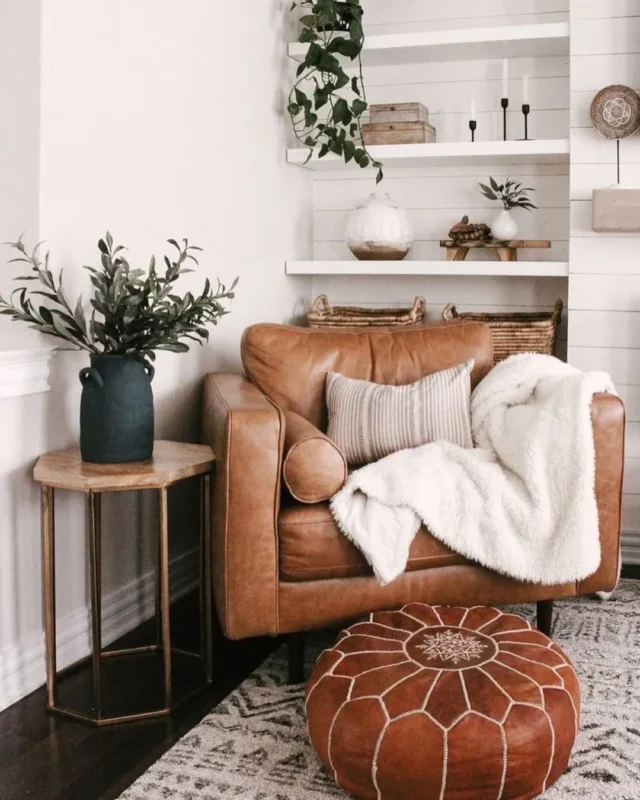
Start with a few well-placed plants rather than filling every corner. A tall plant beside the couch can anchor the seating area, while smaller ones on shelves create variation.
Different leaf shapes can add interest. Broad leaves, trailing vines, or structured plants each bring a unique look.
Mixing them carefully can create a layered effect that feels thoughtful.
Planters also play a role. Neutral pots keep things calm, while textured or woven options can add character.
This approach works well in both small and large rooms, offering a simple way to enhance the space.
Avoid This: Avoid clustering too many plants in one spot, as it can make the area look unbalanced.
Create a Boho-Inspired Living Room
A tan couch fits perfectly into a boho-inspired space, where texture take center stage.
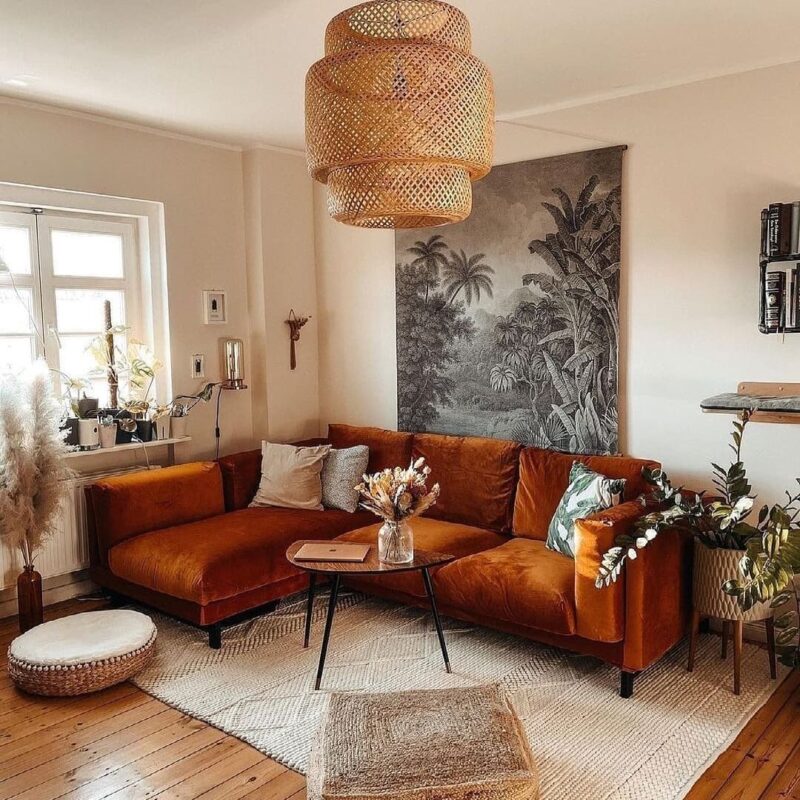
This look relies on layering different materials and patterns to create a expressive setting.
Start with textiles. Add patterned cushions, woven throws, and a textured rug to build visual interest. Each layer adds something new without needing bold colors.
Furniture can stay simple, but materials matter. Rattan, wood, and woven pieces help reinforce the overall style. A low coffee table or pouf can complete the setup.
Wall décor can include macramé, framed prints, or handmade pieces. These details bring personality and make the space feel curated.
Lighting with soft tones, such as a warm lamp or lantern, can help tie everything together.
Avoid This: Avoid overloading the room with too many patterns, as it can make the design look chaotic.
Keep It Minimal with Warm Accents
A tan couch works well in a minimalist living room, especially when paired with warm accents that add character without clutter. The goal is to keep the layout clean.
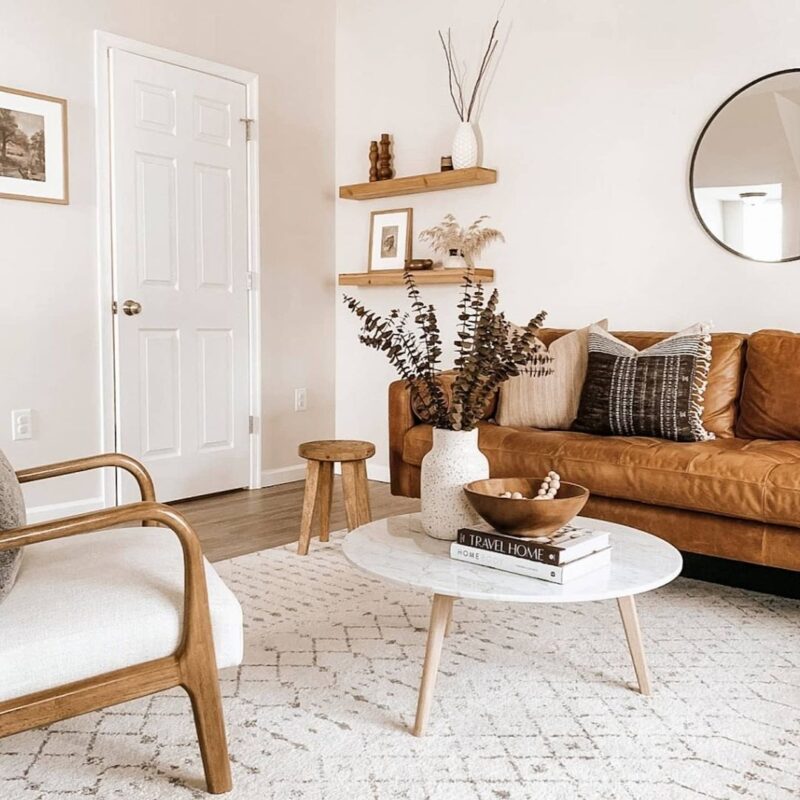
Start with a neutral base. Light walls and simple flooring can create a calm backdrop.
Then introduce warmth through small details like a wooden table, a soft-toned rug, or a few carefully chosen cushions.
Furniture should have clean lines and simple shapes. This helps maintain a clear and organized look. Each piece should serve a purpose, which keeps the room from feeling busy.
Lighting can also contribute. A single floor lamp or table lamp with a warm glow can add comfort.
This approach creates a space that looks thoughtful and easy to maintain.
Avoid This: Avoid adding too many decorative items, as it can disrupt the clean layout.
Add Artwork to Personalize the Space
Artwork can transform a living room with a tan couch by adding color and personality. It helps define the space and gives it a clear focal point.
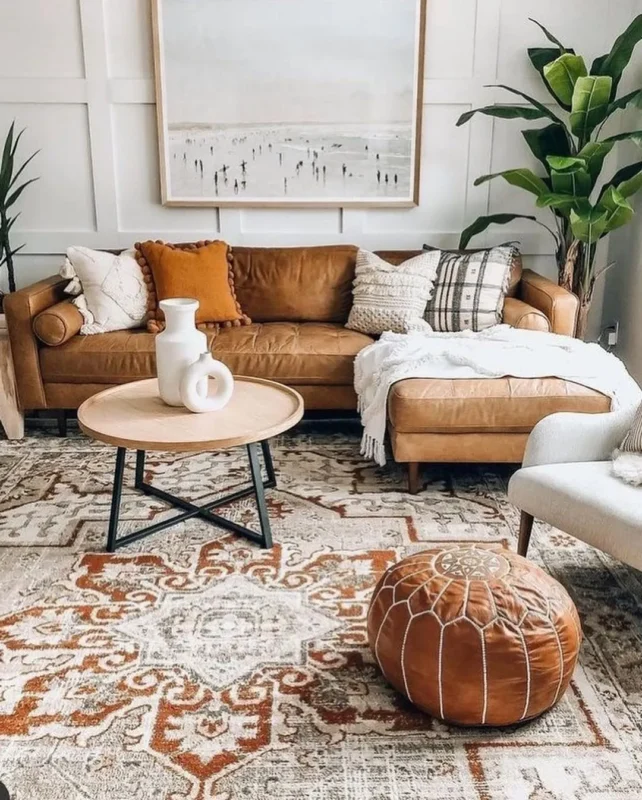
A large piece above the couch can anchor the seating area and draw attention.
Alternatively, a gallery wall can create a more dynamic display. Keeping a consistent frame style can help the arrangement look organized.
Color selection matters. Artwork that includes warm tones can connect with the couch and tie the room together.
Placement is key. Hanging artwork at the right height ensures it feels connected to the furniture instead of floating above it.
This addition allows you to express your style and make the room feel complete.
Avoid This: Avoid hanging artwork too high, as it can make the layout look disconnected.
Add Personality with Art and Lighting
A tan couch gives a neutral base that works well with expressive wall art and layered lighting choices.
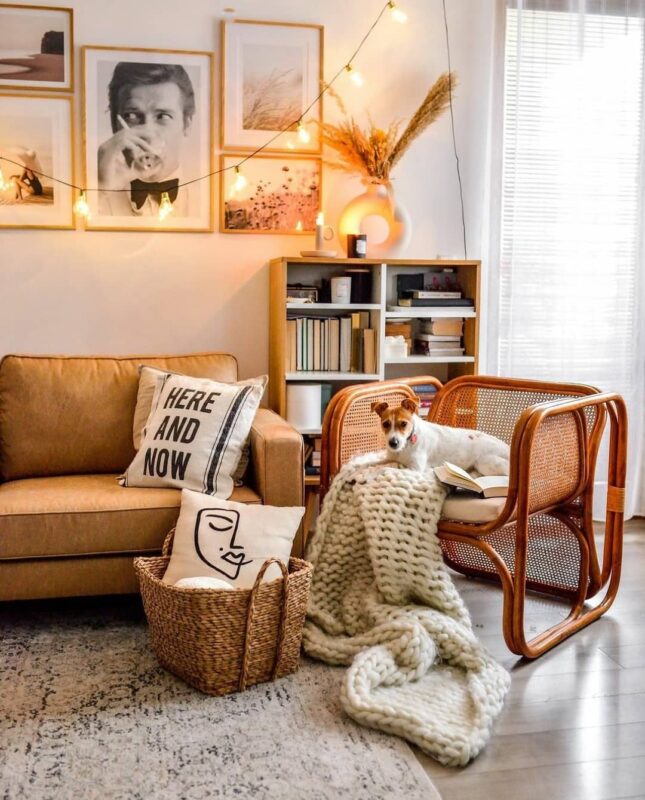
Artwork can set the direction of the entire room when placed near the seating area. Large pieces create a strong focal point, while smaller grouped frames build a more detailed arrangement.
Lighting plays an equal role in shaping the atmosphere of the space. Floor lamps with sculptural bases or wall-mounted fixtures can introduce character beyond basic illumination.
Warm-toned bulbs tend to highlight the tan upholstery in a natural way, giving the room a balanced glow during evening hours.
Mixing different light sources helps avoid flatness. A table lamp, overhead fixture, and accent light can each serve a different purpose within the same room.
Keep wall spacing intentional so artwork and lighting do not compete for attention.
Avoid This: Avoid hanging artwork at inconsistent heights, as it disrupts visual alignment and breaks the flow across the wall.
Blend Rustic Elements
A tan couch pairs naturally with rustic design elements due to its earthy tone. Wood surfaces, raw textures, and aged finishes can shape a living room that carries warmth.
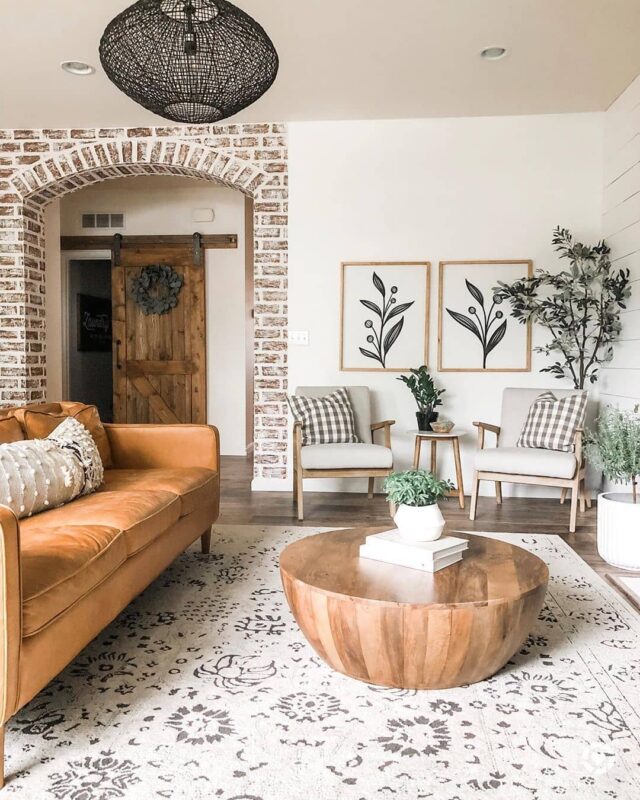
Start with wooden furniture such as coffee tables. Reclaimed or distressed finishes is a good choice since they introduce variation in tone and texture.
Stone or metal accents can also contribute to the rustic direction without overpowering the space.
Textiles play a supporting role. Linen cushions, woven throws, or jute rugs help tie the materials together while maintaining a grounded palette.
Balance matters here. Too many heavy rustic pieces can dominate the room, so it helps to alternate between solid and lighter elements.
This combination works especially well in open living spaces where materials can breathe and interact across the room.
Avoid This: Avoid polished or glossy furniture finishes, as they clash with the natural textures central to rustic styling.
Play with Patterns
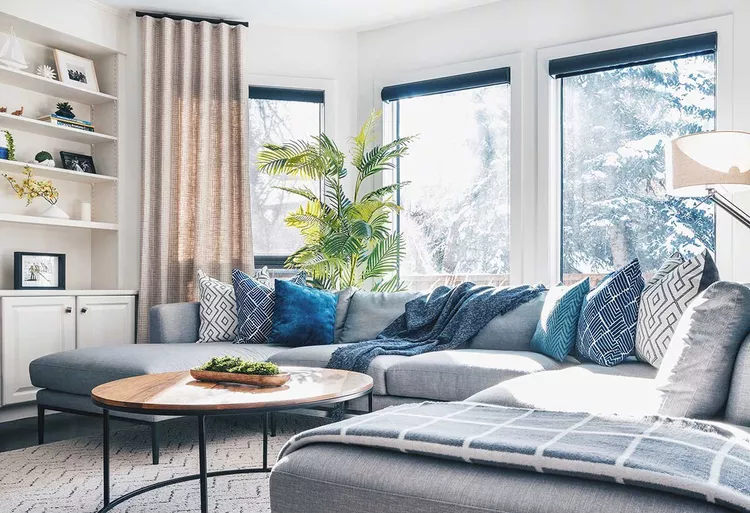
A tan couch provides a steady backdrop for introducing patterns across a living room. This opens the door to visual variety without overwhelming the main seating piece.
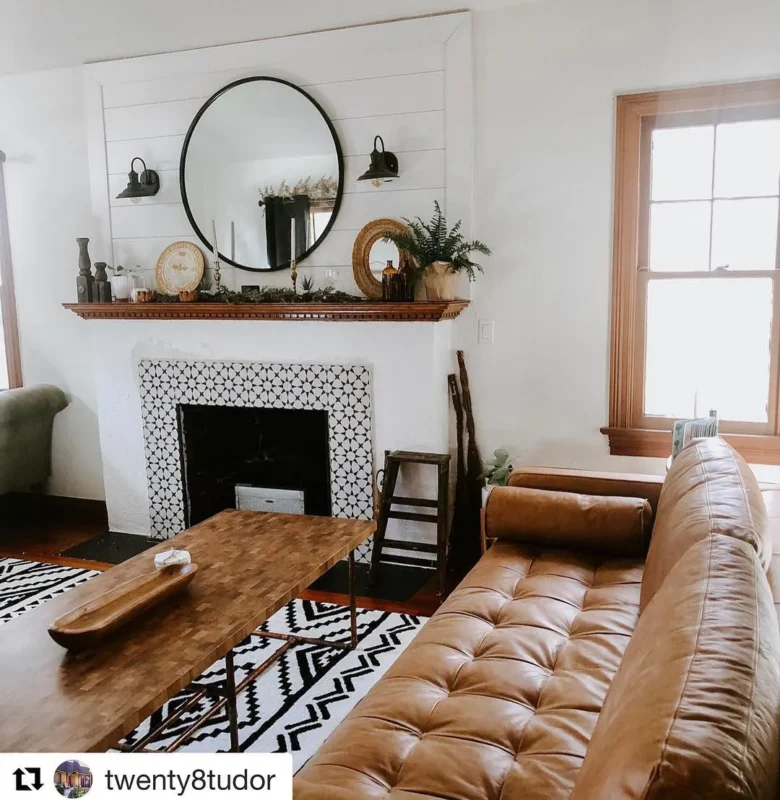
Start with cushions or throws that carry geometric, striped, or abstract designs. These smaller additions allow experimentation without committing to large-scale changes.
A patterned rug can also anchor the space and connect different elements together.
Mixing patterns requires balance. Stick to a shared color direction so the combinations remain connected rather than scattered.
Earth tones, muted blues, or warm neutrals tend to pair well with tan upholstery.
Wall art can extend the pattern theme further. Prints or framed textiles can echo shapes found in fabrics below.
Spacing matters as well. Allow each patterned piece to have its own presence rather than clustering everything in one area.
Avoid This: Avoid combining multiple bold patterns with no shared color link, as it disrupts visual harmony across the room.
Add a Statement Rug
A statement rug can redefine a living room built around a tan couch. Since the sofa carries a neutral tone, the rug becomes an opportunity to introduce color, shape, and pattern in one central element.
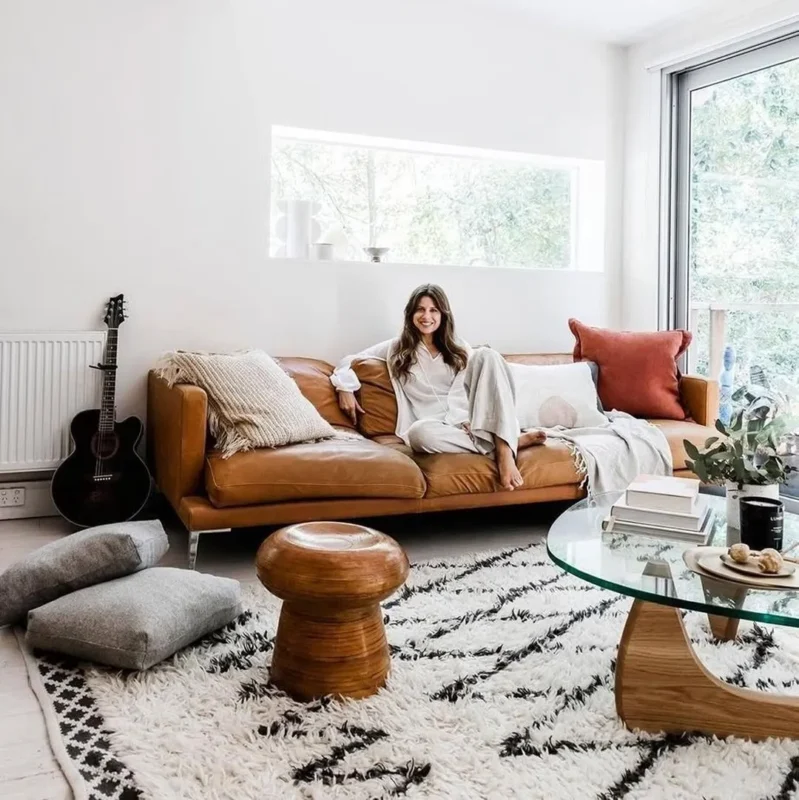
Choose a rug with a strong design presence. This could include bold geometric shapes, abstract prints, or rich traditional patterns.
The goal is to ground the seating area while adding visual interest beneath it.
Size plays an important role. A rug that extends beyond the couch helps anchor the entire arrangement and connects surrounding furniture pieces.
Other décor should support the rug rather than compete with it. Keeping nearby accessories more restrained allows the flooring element to take focus.
This approach works especially well in open-plan spaces where the rug helps define the living zone.
Avoid This: Avoid selecting a rug that is too small for the seating area, as it can make the layout appear disconnected.
Accessorize with Throw Pillows
Throw pillows offer one of the simplest ways to shift the look of a tan couch. They introduce color, texture, and pattern without changing larger furniture pieces.
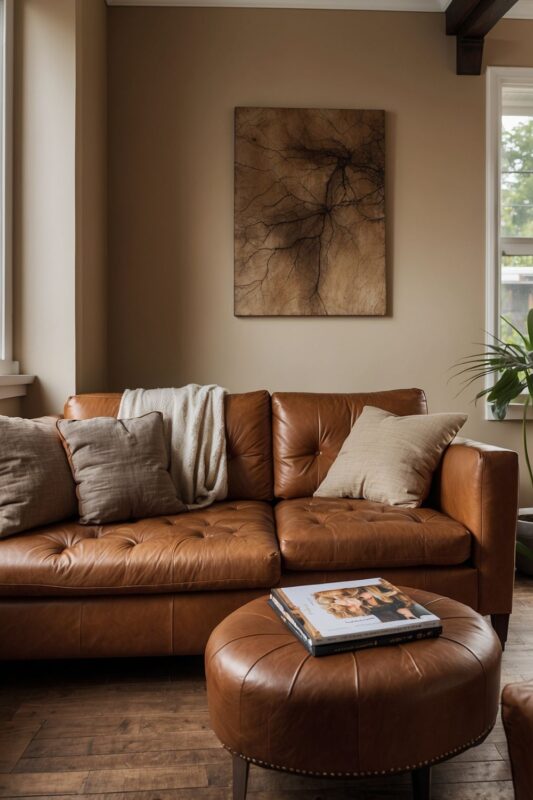
Start by choosing a mix of materials. Linen, velvet, or knitted fabrics each bring a different surface quality that adds variation across the sofa. Layering these textures creates a richer visual effect.
Color selection can range from earthy tones to muted jewel shades, depending on the direction of the room. Repeating one or two tones across different pillows helps tie the look together.
Arrangement also matters. Grouping pillows by size and spacing them evenly across the couch keeps the setup organized.
This approach allows seasonal updates as well, since pillow covers can be swapped easily when a change is desired.
Avoid This: Avoid using too many competing colors at once, as it weakens the connection between the sofa and surrounding décor.
Complement Color Palettes
A tan couch works best when the surrounding colors are chosen with intention. Since tan sits in a neutral range, it adapts easily to both warm and cool palettes.
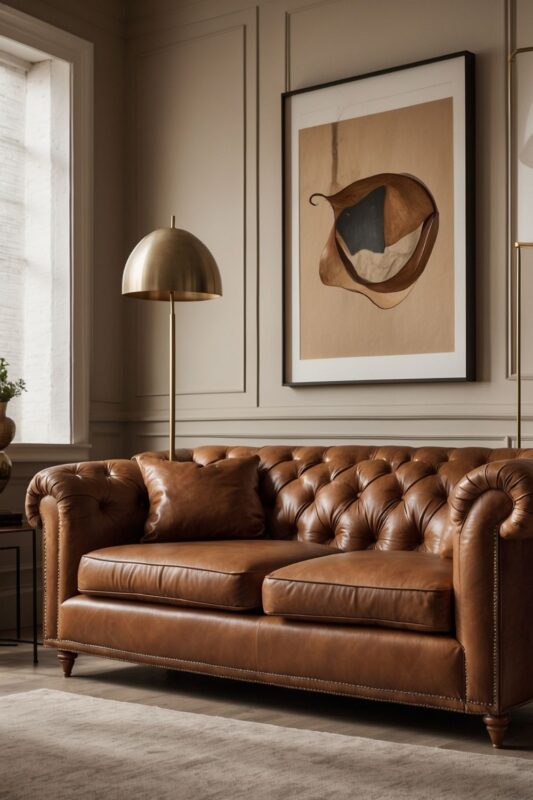
Earth tones such as terracotta, olive, and soft browns reinforce its natural base. Cooler shades like muted blues introduce contrast while still maintaining balance across the room.
Walls, rugs, and décor should follow a consistent direction. Repeating a small group of colors across different elements helps the space look unified.
Furniture finishes also play a role. Wood, matte metal, and fabric tones should align with the chosen palette to avoid visual conflict.
This approach allows the tan couch to act as a stabilizing anchor within the room’s overall color story.
Avoid This: Avoid mixing too many unrelated color families, as it breaks continuity and makes the design appear fragmented.