9 DIY Bedroom Ideas For Small Rooms

A small bedroom can be tricky to set up when space runs out fast.
The good news is you don’t need a full makeover to make it work better.
A few smart DIY changes can open up the room and improve how it functions day to day.
Simple adjustments can help you store items, arrange furniture, and use every corner wisely.
The following 13 DIY ideas will show you how to make a small bedroom look better and organized.
DIY Ideas For Small Bedrooms
Go Big with Curtains
In a small bedroom, curtains can do much more than cover a window. When used correctly, they can change how tall the room appears.
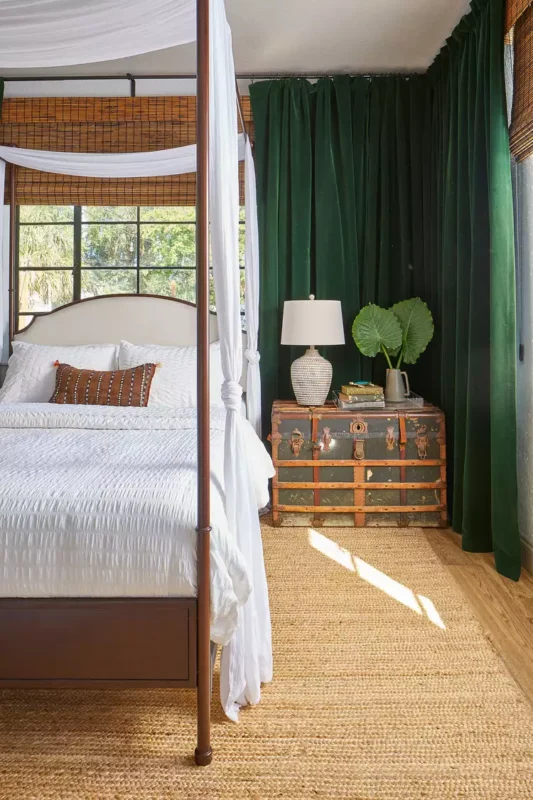
Don’t stop at the top of the window frame, take your curtain rod closer to the ceiling. This draws the eye upward and gives the illusion of height.
Choose curtains that extend all the way to the floor. This creates a continuous vertical line that helps the room look less cramped.
Light fabrics such as cotton or linen allow natural light to pass through, which keeps the space bright during the day.
Color also plays a role. Soft tones that blend with the wall color can make the room appear larger. If you want a bit of contrast, keep it subtle so the curtains do not dominate the space.
This simple adjustment can shift the proportions of the room and make it appear more open.
Avoid This: Avoid short or heavy curtains that stop midway, as they can make the ceiling appear lower and the room smaller.
Add Floating Furniture
Floating furniture can make a small bedroom easier to navigate. By lifting key pieces off the floor, you create the impression of extra space and improve movement within the room.
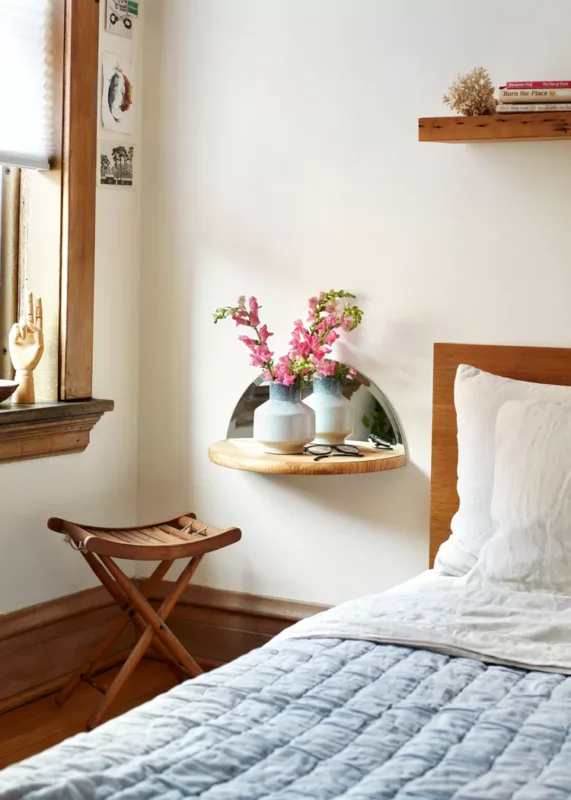
Wall-mounted nightstands or desks are a great place to start. They provide function without taking up valuable floor area.
You can also install floating shelves to store books or display small décor items.
This approach keeps the layout clean and allows the eye to move freely across the room. The visible floor space underneath each piece helps the room appear less crowded.
Placement matters. Keep floating furniture at a comfortable height and ensure it aligns with the rest of your layout.
You do not need to replace everything at once. Even one or two floating elements can make a noticeable difference.
Avoid This: Avoid overloading floating shelves with too many items, as it can make the space look cluttered.
Include Twin Beds
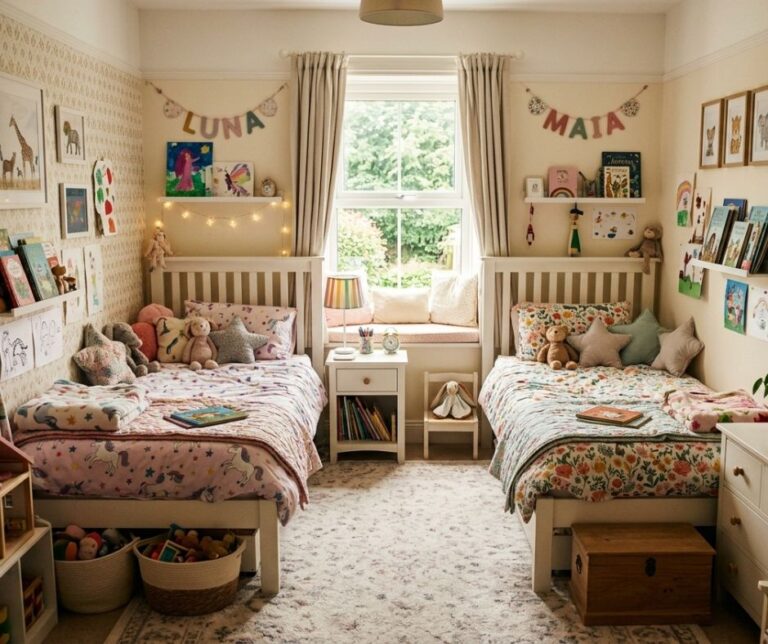
Twin beds can be a smart solution for small bedrooms, especially in shared spaces. They allow you to maximize sleeping arrangements while keeping the room organized.
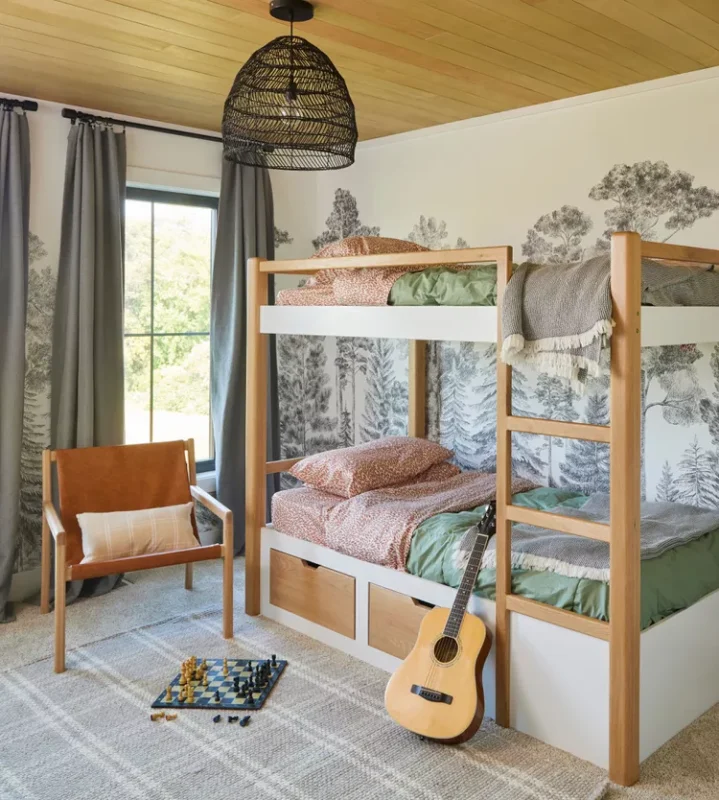
Placing two twin beds side by side or along opposite walls can create a balanced layout. This setup leaves room for a small table or storage unit between them.
Keeping the bedding simple helps maintain a clean look. Neutral tones or matching sets can tie the space together and prevent visual clutter.
Under-bed storage can add extra function. Use drawers or bins to store items and keep the room tidy.
This arrangement works well for guest rooms, kids’ bedrooms, or shared spaces where flexibility matters.
Avoid This: Avoid bulky bed frames that take up too much space, as they can make the room feel tight.
Install a Custom Low Headboard
A low headboard can make a small bedroom look more open by reducing visual height near the bed. It keeps the space from feeling crowded and allows the wall above to remain visible.
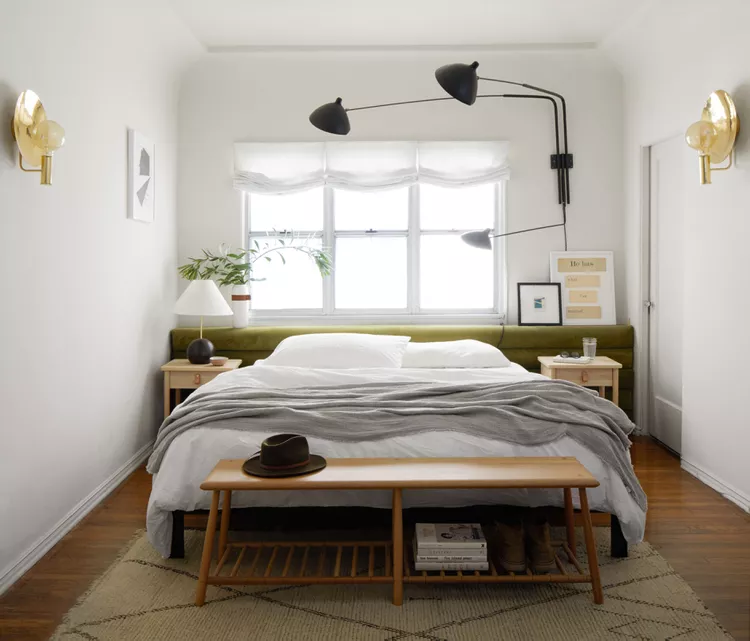
A custom design gives you the chance to fit the headboard perfectly within your layout. You can extend it across the wall or keep it simple with a clean, minimal shape.
Materials such as wood can add texture. Keeping the design simple helps maintain a balanced look.
You can also integrate small shelves or ledges into the headboard for added function. This removes the need for extra furniture.
This approach keeps the bed area practical while maintaining an open layout.
Avoid This: Avoid tall or bulky headboards that take up too much visual space and make the room feel smaller.
Use Flush-Mount Overhead Lighting
Lighting plays a key role in small bedrooms, and flush-mount fixtures are a practical choice. They sit close to the ceiling, which helps preserve headroom and keeps the space from feeling tight.
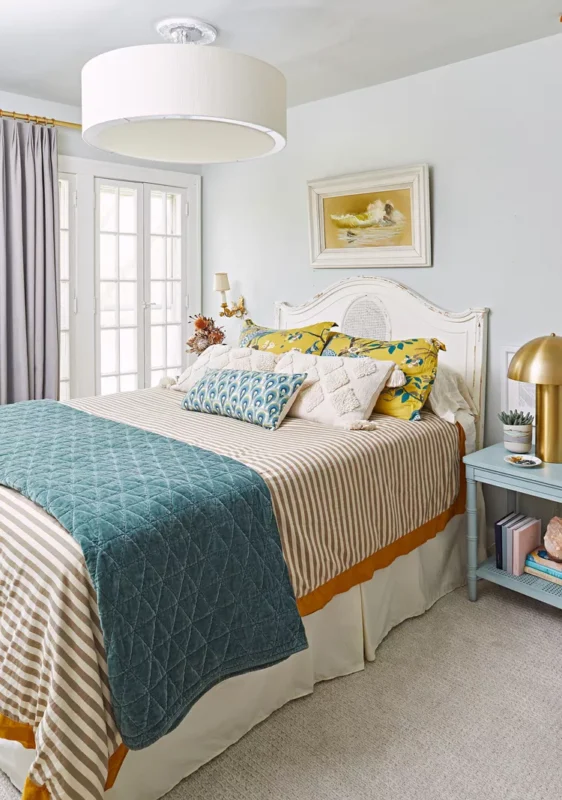
Unlike hanging fixtures, flush-mount lights do not interrupt sightlines. This makes the ceiling appear higher and the room more open.
Choose a design that complements your room style. Simple fixtures with clean lines work well in small spaces.
Layering light can improve the overall setup. Pair the overhead fixture with wall lights or bedside lamps to create a balanced lighting plan.
A well-lit room appears larger and more functional, making it easier to use the space throughout the day.
Avoid This: Avoid oversized or hanging light fixtures that can make the ceiling feel lower and the room more confined.
Choose a Low Bed Frame
A low bed frame can shift the entire look of a small bedroom by opening up the upper portion of the room.
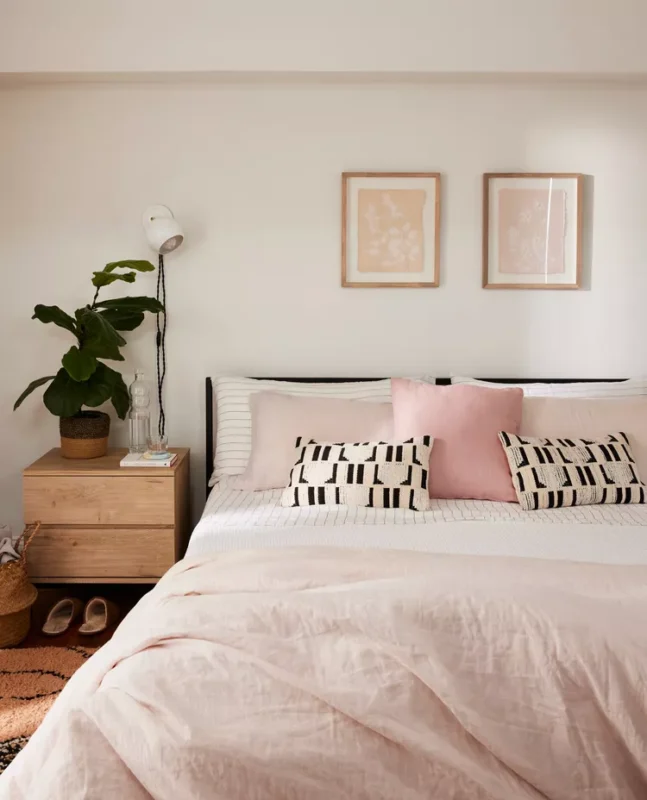
When the bed sits closer to the floor, the ceiling appears higher, which helps the space look less confined.
This approach fits rooms with limited square footage. A lower profile reduces visual bulk. It also allows other elements, such as artwork or lighting, to win more clearly on the walls.
Pair the bed with simple bedding to keep the focus clean. Light colors or soft textures can help maintain a balanced look.
If you want to add storage, consider low drawers that slide underneath without adding height.
A low frame also pairs well with minimal furniture, helping the room stay organized.
Avoid This: Avoid pairing a low bed with tall, heavy furniture, as it can throw off the balance of the room.
Use Vertical Space for Decoration
In a small bedroom, wall space becomes just as important as floor space. Decorating vertically allows you to make use of areas that often go unused.
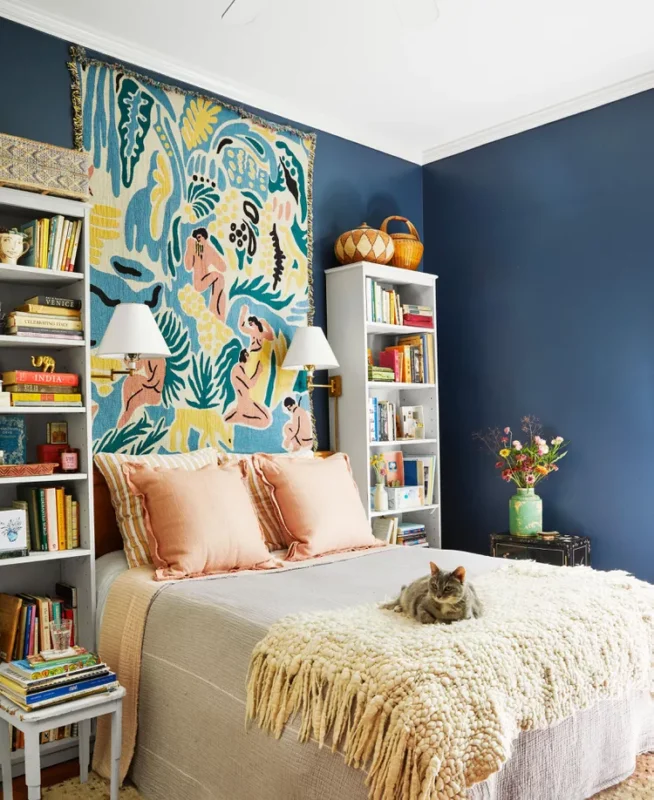
Tall shelves, stacked artwork, or vertical panels can draw the eye upward. This helps change how the room is perceived and makes it appear taller.
Even simple additions like a column of framed prints can create this effect.
Storage can also follow this approach. Slim wall-mounted units or tall bookcases can hold essentials without spreading out across the room.
Keep spacing consistent so the arrangement looks organized. Too many scattered elements can break the visual flow.
This method helps you add personality to the room while keeping the floor clear and functional.
Avoid This: Avoid placing all décor at eye level, as it can make the room feel more compressed.
Hang Accent Wallpaper
Accent wallpaper can bring character into a small bedroom. It focus on one section to create a focal point.
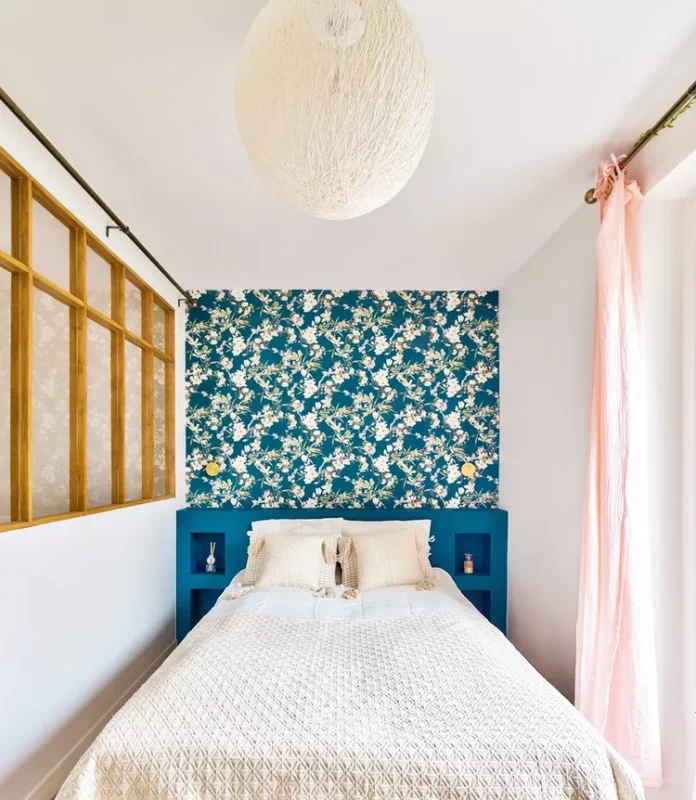
Behind the bed is a common choice. This placement frames the sleeping area and adds visual interest right where it matters most.
Patterns can range from subtle textures to bold prints, depending on your style.
Choosing the right scale is important. Smaller patterns can keep the space from looking busy, while larger designs can make a strong statement when used carefully.
Keep surrounding walls simple to allow the wallpaper to stand out. This prevents the room from feeling crowded.
This idea allows you to add personality and depth without taking up physical space.
Avoid This: Avoid using overly dark or dense patterns on all walls, as it can make the room feel enclosed.
Brighten the Room with Textiles
Textiles can transform a small bedroom by adding softness and light. Bedding, curtains, and rugs all contribute to how the room functions.
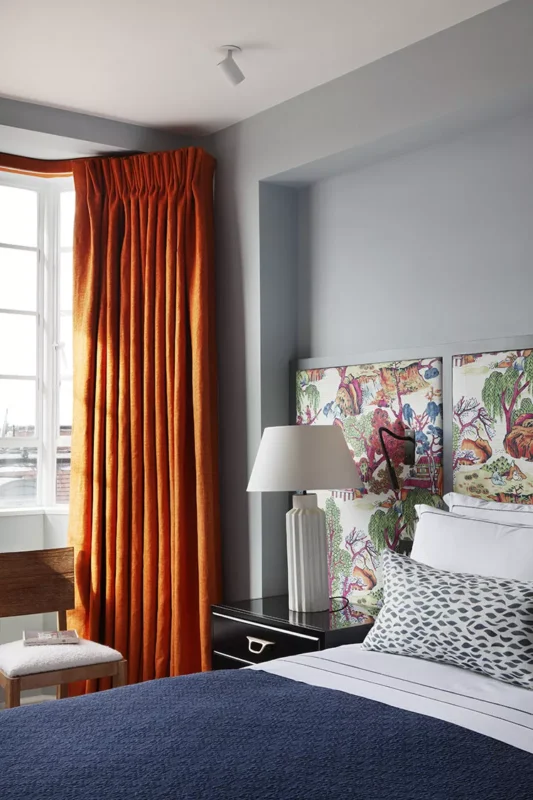
Start with bedding in light or neutral tones to reflect natural light. This helps the room appear brighter throughout the day.
Adding a textured throw or a few cushions can introduce variety without clutter.
Curtains made from light fabrics allow sunlight to filter through while maintaining privacy. A simple rug can define the bed area.
Layering textiles can create interest, but it should stay controlled. Each piece should serve a purpose and fit within the overall color scheme.
This approach makes the room look complete while keeping it practical.
Avoid This: Avoid using too many heavy fabrics, as they can make the room look dense and reduce light.
Opt for a Daybed
A daybed can serve multiple purposes in a small bedroom, making it a practical choice for limited space.
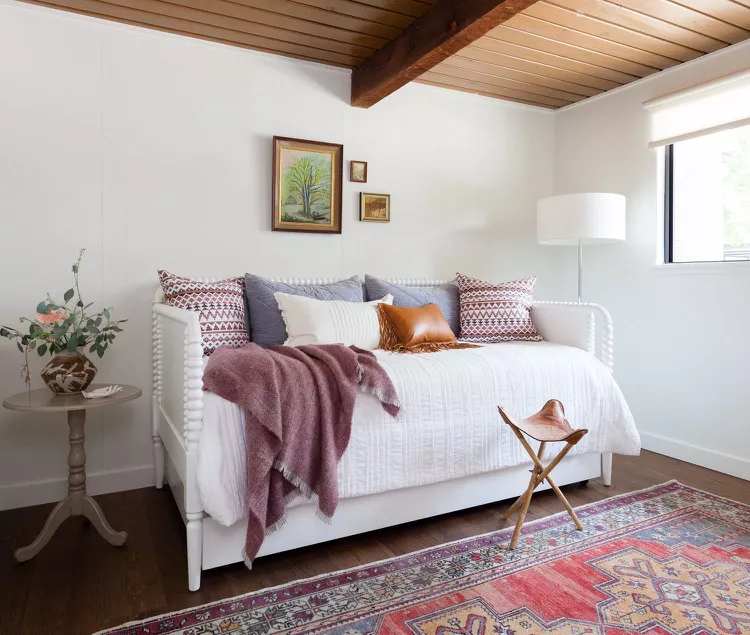
It functions as both a bed and a seating area, which helps reduce the need for extra furniture.
Placed against a wall, a daybed opens up the center of the room and creates a flexible layout.
During the day, it can act as a sofa, and at night, it easily converts into a sleeping space.
Storage options can be added underneath, making it even more efficient. Drawers or bins can hold bedding, clothes, or other items.
Styling also matters. Layering pillows can help it look more like a seating area, while simple bedding keeps it ready for use.
This setup works well in guest rooms, studio spaces, or bedrooms where versatility is key.
Avoid This: Avoid overcrowding the daybed with too many pillows, as it can reduce its functionality.
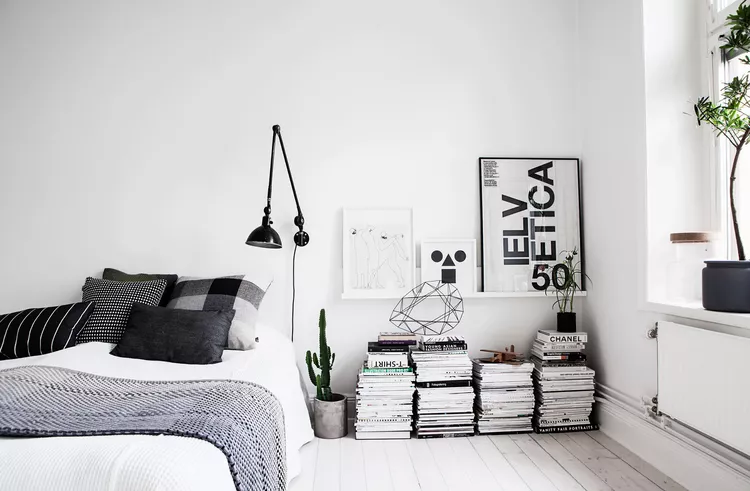
Organize a Collection into Stacks
Small bedrooms often end up with items scattered across surfaces when storage is limited. One simple DIY approach is to gather similar items and arrange them into neat stacks. Things like books, magazines, or even folded linens.
Stacking creates order and gives the room a sense of structure. A small pile of books on the floor beside the bed can double as a makeshift side table.
Folded blankets stacked at the foot of the bed can also serve a practical purpose while adding texture.
This idea does not require extra furniture, which makes it useful for tight spaces. It also allows you to display items you enjoy in a way that looks considered.
Keep the stacks balanced and aligned so they look intentional. Mixing heights can add interest, but the arrangement should still appear organized.
This approach helps manage belongings while keeping the room visually tidy.
Avoid This: Avoid stacking items too high, as it can make the space look unstable and harder to maintain.
Maximize Vertical Space
In a small bedroom, the walls offer valuable storage and design opportunities. Using vertical space allows you to store items and add personality without taking up floor area.
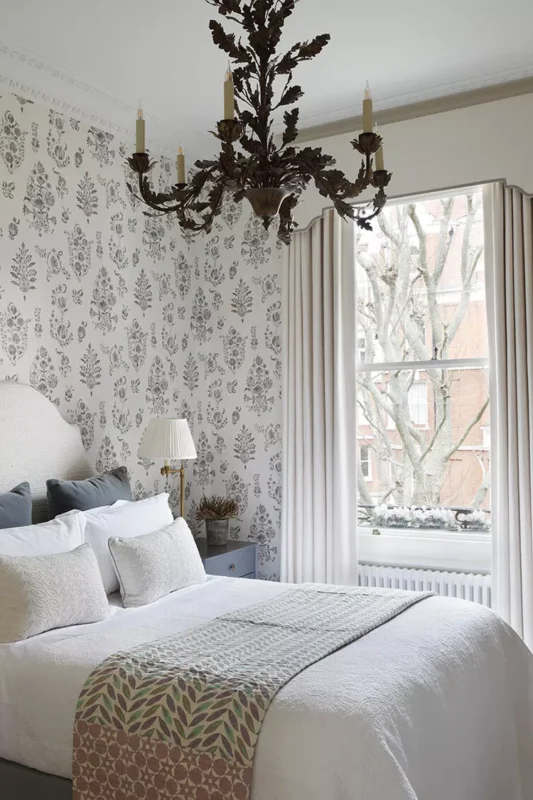
Tall shelving units can hold books, décor, or everyday essentials. Wall-mounted hooks can keep bags, hats, or accessories within reach.
Even a pegboard can provide flexible storage that adapts to your needs.
Arranging items from lower to higher points can guide the eye upward, giving the room a taller appearance. This simple shift can change how the space is perceived.
Keep the layout clean by grouping similar items together. This creates a sense of order and prevents the wall from looking cluttered.
Lighting can also play a role. Wall-mounted fixtures free up surface space and keep the room functional.
Avoid This: Avoid filling every inch of wall space, as it can make the room look busy and unbalanced.
Skip the Nightstands
Traditional nightstands can take up valuable floor space in a small bedroom. Skipping them altogether can open up the layout.
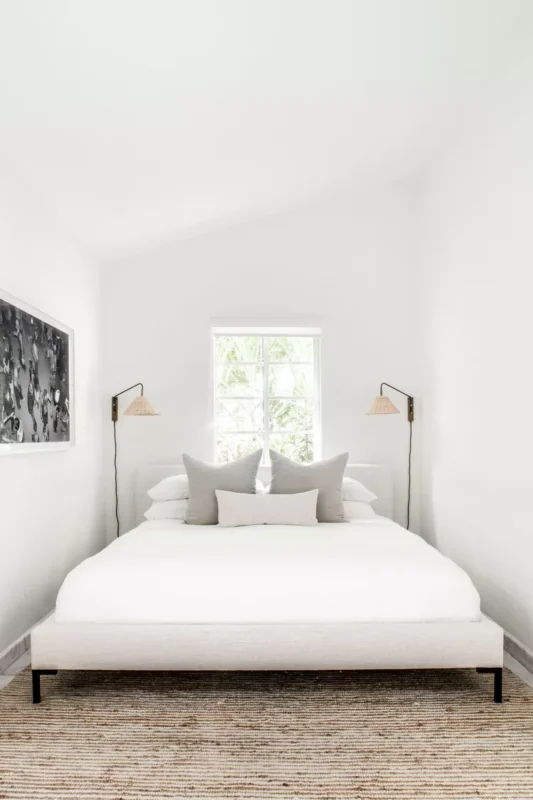
You can replace them with wall-mounted shelves or a narrow ledge placed beside the bed. These options provide just enough surface for essentials like a lamp, book, or phone.
Another option is to use a small stool or stack of books as a temporary surface. This keeps the setup flexible and easy to adjust.
Lighting can be handled with wall-mounted lamps or sconces, which free up space and keep the area functional.
This approach works well for anyone looking to simplify their bedroom and create a more open layout.
Avoid This: Avoid placing items directly on the floor next to the bed, as it can make the space look messy and harder to navigate.