
9 Dress Code Mistakes To Avoid On A Cruise


Packing for a cruise seems simple until you step on board and realize that what looked perfect at home doesn’t always work at sea.
A dress that felt comfortable during a quick fitting can become out of place after a few hours on a busy excursion.
That’s why knowing what not to pack can be just as important as knowing what to bring.
This guide highlights the 9 dress code mistakes that catch many travelers by surprise and how to avoid them before your suitcase is zipped shut.
What Not To Wear On A Cruise
Here is what not to dress:
1. Bodycon dresses that are too tight
Bodycon dresses that sit too tight create more discomfort than confidence during a cruise.

The constant movement between decks, stairs, and dining areas makes restrictive clothing harder to manage over long hours.
Instead of adapting to the body, overly tight fabric tends to shift in ways that become noticeable during walking or sitting.
Cruise environments also bring heat, humidity, and sudden breezes, which amplify any discomfort from clingy material.
In dining settings, these dresses can feel limiting when sitting for extended meals. Even on casual evenings, the lack of ease in movement can distract from the experience.
The main issue is not shape, but rigidity. When fabric cannot move with the body, it becomes impractical for a full day at sea where comfort needs to stay consistent from morning activities to late-night events.
What to wear instead: Choose a softly fitted midi dress with light stretch that follows the body. Wrap styles or A-line silhouettes work well since they allow movement across the ship. Look for breathable fabrics that hold shape but still feel easy during long days.
2. Inappropriate Prints or camouflage clothing
Bold prints can work on a cruise, but certain patterns like leopard prints overly harsh graphics seems out of place in a resort setting.

Cruise environments focus on relaxed elegance, especially in shared dining spaces and evening events where dress codes guide what feels appropriate.
Camouflage patterns also tend to clash with the softer, coastal aesthetic of most cruise settings.
Instead of blending with the atmosphere, they create a visual disconnect that is too casual or overly rugged for onboard styling.
Another issue comes from how strong prints behave in photos and lighting. Under bright evening lighting, aggressive patterns can overpower the rest of the outfit and reduce balance in the overall look.
The goal on a cruise is cohesion with the environment, not distraction from it.
What to wear instead: Opt for soft florals, subtle stripes, or solid tones that reflect a relaxed resort mood. Lightweight prints with gentle contrast work better for both daytime decks and evening dinners. Neutral bases with small pattern accents keep the look polished.
3. Worn-out, wrinkled or too short skirts
Skirts that are overly worn-out, heavily wrinkled, or too short often struggle in cruise settings where movement matter throughout the day.

Wrinkles become more visible after sitting on deck chairs or traveling between activities, which can make the outfit look less intentional.
Very short skirts also create practical issues on windy decks or during stair movement around the ship. Constant adjustment takes away from comfort.
Worn fabric adds another concern since cruise outfits tend to shift between casual and slightly formal moments, especially during evening dining.
The main challenge is appearance under constant use. Cruise days are long and varied, so clothing needs to maintain structure from morning excursions to night events while maintaining neatness.
What to wear instead: Choose midi skirts in structured or wrinkle-resistant fabrics that hold shape through the day. A-line styles offer movement without constant adjustment. Length that sits below the knee works well for comfort, coverage, and ease when moving across decks.
4. Pajamas and robes outside your cabin
Wearing pajamas or a robe outside your cabin often clashes with the shared atmosphere of a cruise ship.
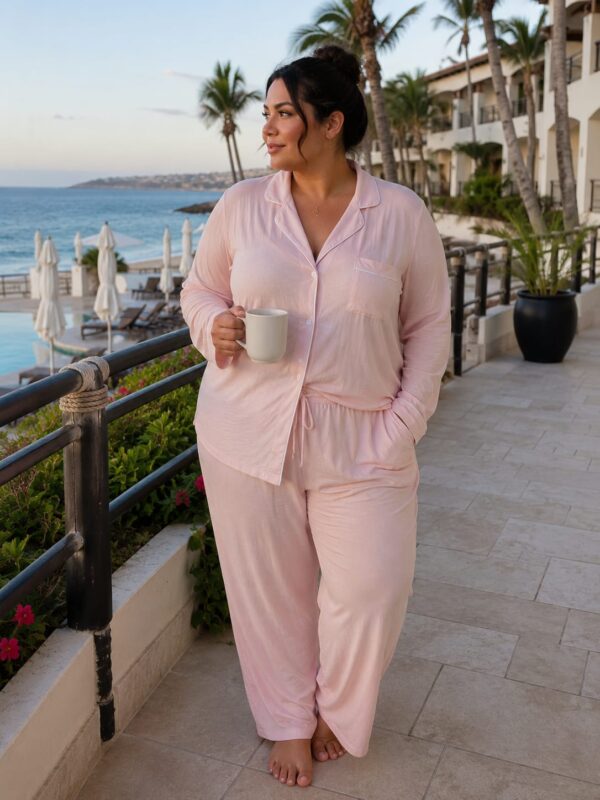
Public areas such as dining halls, lounges, and corridors maintain a general expectation of presentable attire throughout the day.
Loungewear that belongs indoors can appear out of place in these spaces during peak hours when guests move between meals, activities, and entertainment.
There is also a practical side to consider. Robes and sleepwear are designed for rest, not for navigating windy decks, elevators, or busy walkways.
Loose fabrics can shift awkwardly, and slippers offer little support for long distances across the ship. Even quick trips for coffee can turn uncomfortable when clothing is not suited for movement.
Cruise environments blend leisure with shared social spaces, so outfit choices naturally carry a sense of readiness beyond the cabin door.
What to wear instead: I prefer light resort wear such as cotton dresses, linen sets, or casual shorts paired with a neat top. These pieces keep comfort intact while still looking appropriate in public areas. Simple sandals complete the look for easy movement across dining spaces.
5. Going topless or nude on a cruise
Cruise ships operate under clear public conduct expectations, and nudity or topless sunbathing outside designated areas does not align with onboard rules.

While pool decks and private suites offer spaces for swimwear, public visibility requires appropriate coverage at all times.
Beyond policy, there is also the shared nature of cruise environments to consider. Guests from different cultures, age groups, and comfort levels use the same spaces throughout the day.
Maintaining appropriate dress ensures a comfortable experience for everyone on board.
Even in sunny destinations, cruise settings are not the same as isolated beaches. Movement between decks, dining areas, and entertainment venues makes full coverage a consistent requirement across most of the ship.
Respecting these boundaries helps maintain a smooth experience and avoids unnecessary interruptions during travel.
What to wear instead: Go with a well-fitted swimwear such as one-piece suits, bikinis with supportive cover, or tankinis paired with a lightweight cover-up. These options suit pool areas while staying appropriate for shared cruise environments. A breathable wrap adds easy coverage when moving between ship locations.
6. Theme dresses or costumes
Theme dresses and full costumes often stand out in cruise settings where most guests lean toward resort-style clothing.

While themed nights exist on some ships, overly elaborate outfits can feel disconnected during regular daytime activities or standard dining hours.
Large props, heavy accessories, or full character-style costumes also create practical challenges.
Moving through tight corridors becomes inconvenient when outfits are bulky or attention-heavy.
They can also limit comfort during longer evenings of entertainment or walking across different decks.
Cruise style generally favors polished casual wear that transitions easily between settings. Outfits that rely too heavily on costume elements tend to lose that flexibility to one specific moment.
What to wear instead: Choose subtle themed touches instead of full costumes, such as color-based outfits that match event nights. A stylish dress in coordinated tones keeps you aligned with the occasion while still allowing easy movement across all cruise activities.
7. Offensive Graphic T-Shirts
Graphic T-shirts with offensive language, images, or slogans often create discomfort in shared cruise spaces where guests come from many different backgrounds.

Cruise ships function like floating communities, so clothing that carries strong messaging stands out quickly in dining areas, lounges, and entertainment venues.
These shirts also limit where you can comfortably move throughout the day. What might seem casual in everyday life becomes inappropriate in formal dining rooms where a more neutral dress code applies.
The issue is not casual clothing itself, but messaging that disrupts the shared atmosphere.
Cruise travel is built around social harmony, so outfits that draw negative attention tend to work against that environment.
What to wear instead: A plain cotton tee in a neutral tone keeps the look casual. Pair it with denim or relaxed trousers for daytime activities on board. This keeps movement easy while staying suitable for casual entertainment spaces.
8. Swimwear and bikini in restaurants

Swimwear in restaurant areas breaks the expected dress standard on most cruise ships. Dining spaces maintain a clear separation from pool decks, and guests are generally required to change before entering these areas.
The issue comes down to shared comfort and hygiene expectations. Wet fabrics, exposed swimwear, or minimal coverage can feel out of place where food service take place.
It also disrupts the atmosphere of meals that are designed to be relaxed but still presentable.
Cruise schedules often move quickly from pool time to dining reservations, so awareness of transitions matters throughout the day.
What to wear instead: A light sundress or linen set offers an easy transition from poolside to dining areas. These pieces provide coverage, dry comfort, and a neat appearance suitable for seated meals. Simple sandals keep movement smooth between different parts of the ship.
9. Sundresses and shoulder tops in dining room
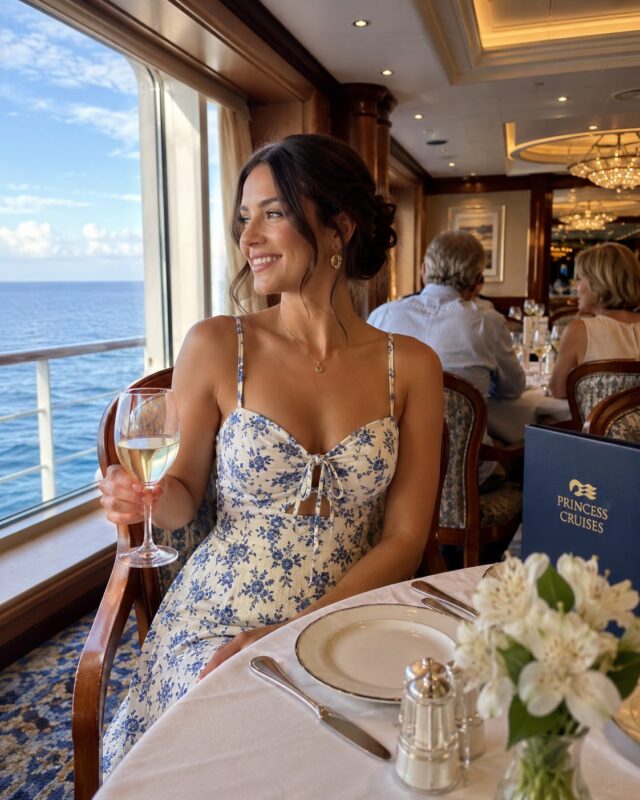
Sundresses and shoulder-baring tops can feel too casual for certain cruise dining rooms smart casual evenings. These spaces expect a slightly cute presentation compared to daytime deck wear.
The concern is not the design itself, but the level of exposure in environments designed for seated dining and evening service.
Some cruise lines maintain specific dress codes that encourage more structured silhouettes during dinner hours.
Wearing overly relaxed pieces in these settings can place you out of sync with the atmosphere and make the outfit feel underdressed compared to surrounding guests.
What to wear instead: A midi dress with wider straps fits dining room expectations and most importantly keep comfort intact. It maintains coverage suitable for evening settings. It pairs easily with low heels for a polished cruise dinner appearance, too.
Final Thoughts
Cruise dressing is less about rules and more about understanding the rhythm of life at sea.
Each day shifts between sun decks, casual walks, and evening dining, so clothing choices need to keep up with that movement.
Avoiding common outfit missteps helps every moment feel more comfortable on board.
The right pieces support confidence across every setting. And this makes the entire cruise experience smoother from departure to the final night at sea.