11 Neutral Living Rooms With Pop Of Color

Neutral living rooms give you a calm starting point, but it doesn’t have to look plain.
A small touch of color can shift the entire mood, bringing the space to life.
It could be something simple that stands out right away.
The key is knowing where to add it and how to keep the balance right.
These ideas will help you introduce color in a way that feels natural.
Ways To Add a Pop of Color To a Neutral Living Room
Modern Neutrals
A mix of cool gray and crisp white builds a clean foundation for a modern neutral living room.
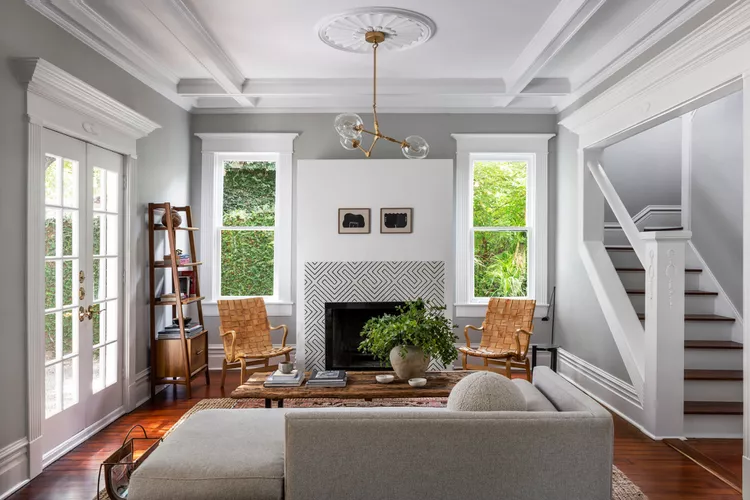
The pairing keeps the space sharp and uncluttered, giving it a structured look that works well in both small and large layouts.
To prevent the palette from leaning too cold, richly stained wood floors step in as a grounding element. The deeper tones introduce warmth that balances the lighter surfaces above.
Wood furniture pieces also play a key role here. A coffee table, media console, or accent chair in natural finishes helps soften the contrast between gray and white.
The result is a living room that stays visually calm but never flat. Each material adds its own layer, creating quiet variation across the space.
This approach works especially well when you want a modern base that still carries comfort.
Pro Tip: Mix at least two wood tones in the room so the space is layered.
Contrasting Neutrals
Contrasting neutrals bring interest into a living room without stepping into bold color territory.
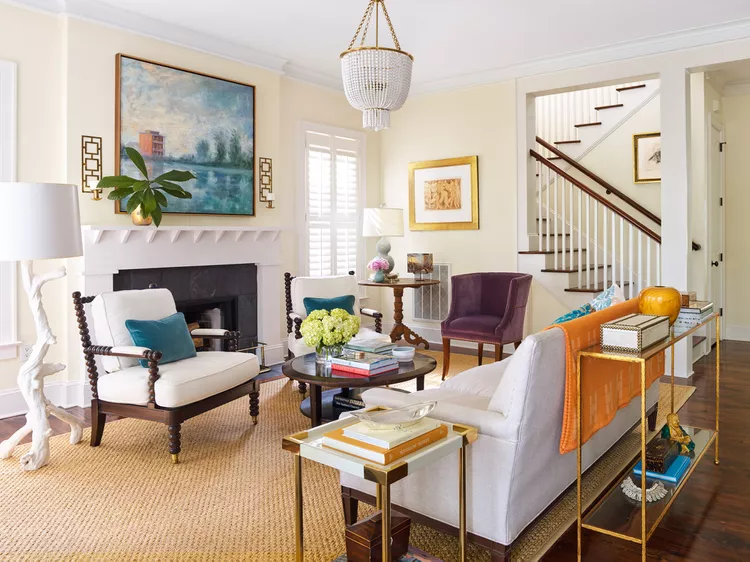
Instead of relying on a single shade family, this approach blends light and dark neutrals to create balance.
Soft beige walls can sit alongside charcoal seating, while cream textiles lighten the overall composition.
The contrast between tones helps define different parts of the room.
Texture becomes important in this setup. Linen cushions, woven rugs, and matte finishes help break up smooth surfaces and add quiet variation.
Furniture placement also plays a role. Grouping lighter pieces together while anchoring darker elements in key areas creates a natural flow across the room.
This style keeps things refined but not flat, offering enough contrast to hold attention.
Pro Tip: Repeat each neutral tone at least twice in different parts of the room so the design feels intentional.
Black and White Contrast
A black and white living room built on neutral design brings strong visual structure. The contrast between the two shades creates a clear and defined layout.
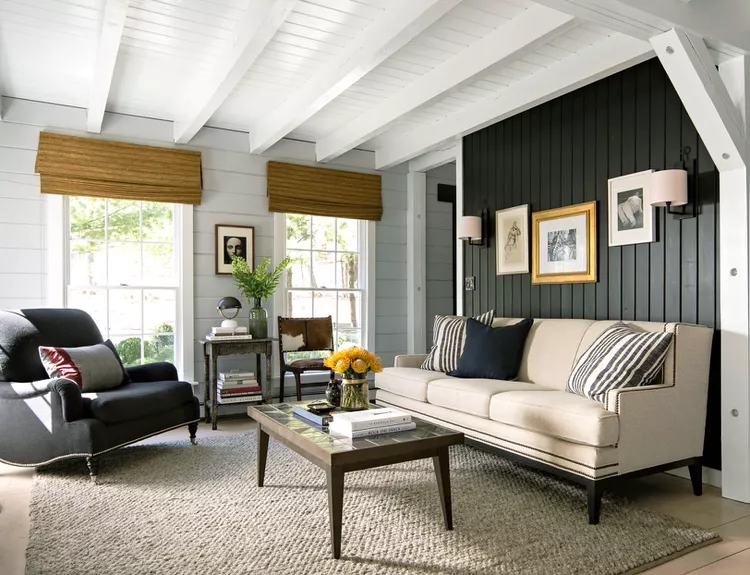
White walls or large surfaces open up the space, while black furniture or accents introduce sharp definition. This balance keeps the room looking deliberate.
Soft elements like rugs, cushions, or curtains help bridge the gap between the two extremes. They introduce texture so the contrast does not appear too harsh.
Artwork also works well in this setup. Monochrome prints or simple framed pieces reinforce the theme.
The result is a space that looks intentional and structured while still staying within a neutral palette.
Pro Tip: Use soft gray as a transition tone between black and white to smooth out the contrast across the room.
Neutral but Glam
A neutral living room can still carry a polished, glamorous edge when the right materials are introduced. The key lies in combining soft tones with reflective finishes.
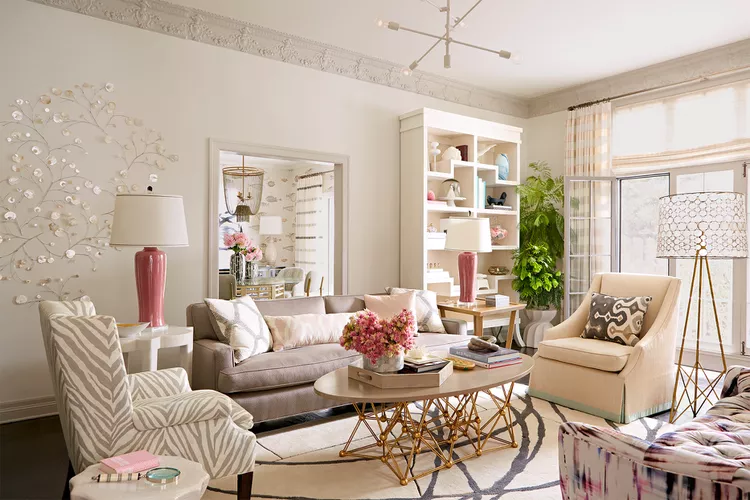
Cream, beige, and soft gray set the base, while metallic accents like champagne silver introduce a refined touch.
Velvet cushions or a statement chair can add depth through texture without disrupting the neutral foundation.
Lighting also plays a big role. A sculptural chandelier or modern table lamps can bring subtle drama while staying within the neutral palette.
The overall space stays calm but gains a refined presence through carefully chosen accents.
Pro Tip: Limit metallic finishes to one or two tones so the space maintains a consistent and controlled look.
Neutral Plus One Color
A neutral living room becomes more expressive when one accent color is introduced. The base remains soft, while a single shade adds personality.
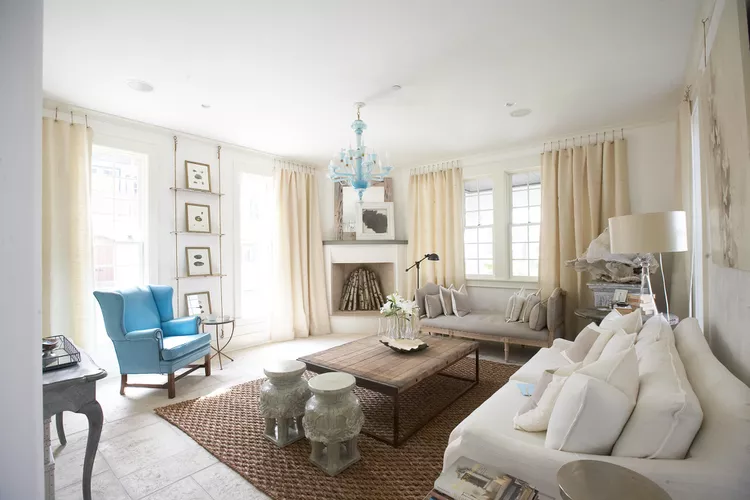
Beige, white, and gray usually form the foundation. From there, one color such as olive green, rust, or navy can be layered through décor pieces.
Cushions, artwork, or a rug are ideal places to introduce this accent. Keeping it limited prevents the space from being scattered.
The neutral backdrop ensures the color stands out clearly. This approach gives flexibility, since the accent color can be updated over time.
Pro Tip: Repeat the chosen accent color in at least three small areas so it feels consistent rather than accidental.
Brown Wood Neutral
Brown wood brings a steady, grounded presence to a neutral living room. It adds depth through tone and grain, giving the space a sense of structure that lighter palettes sometimes lack.
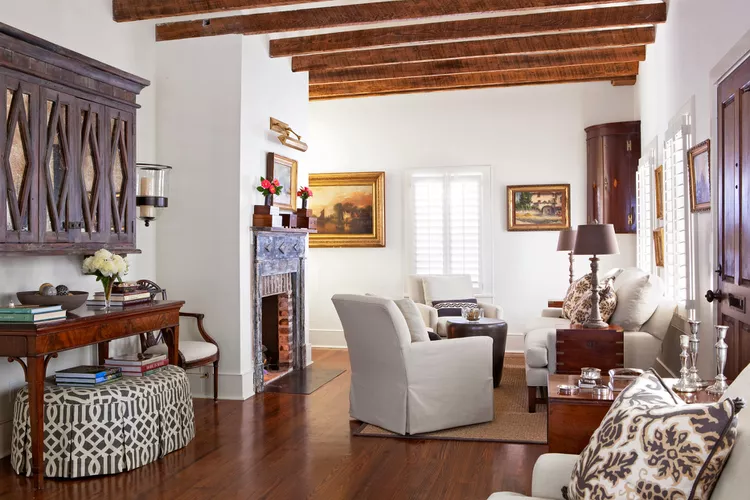
Start with a base of soft neutrals like beige or off-white on the walls. Then introduce brown wood through key pieces such as a coffee table, shelving, or a media unit.
Different finishes can shift the mood. A deep walnut leans richer, while a lighter oak keeps things airy.
Mixing them carefully can add interest, as long as the tones relate to one another.
Textiles should stay simple to let the wood stand out. A neutral rug or plain upholstery keeps the focus on the materials.
This setup builds a calm environment that still carries visual weight through its natural elements.
Pro Tip: Pair brown wood with soft lighting to highlight the grain and bring out its natural variation.
Incorporate Colorful Wall Art
Wall art offers a simple way to introduce color into a neutral living room. It adds personality without requiring major changes to furniture or layout.
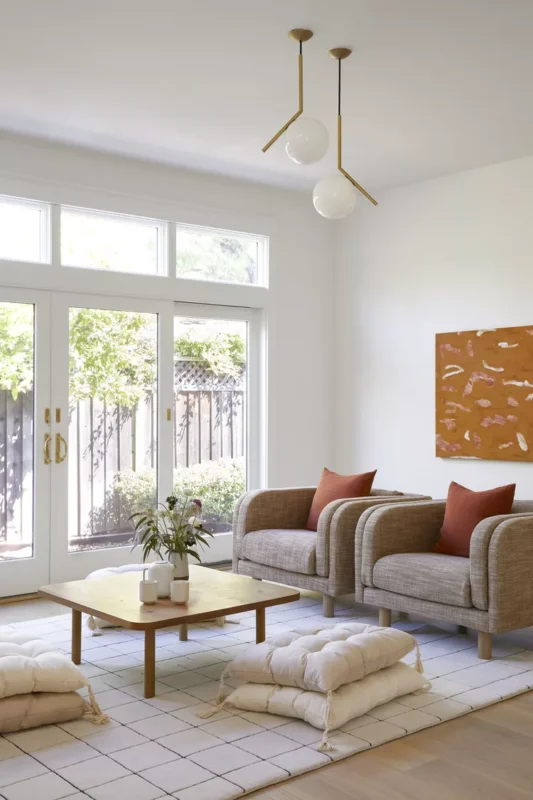
A large piece above the sofa can anchor the room and draw attention immediately. Smaller pieces can also work when arranged as a gallery, creating a more casual display.
Color choice should connect with the rest of the room. Even in a neutral setting, repeating a tone from the artwork in small décor pieces can tie everything together.
Frame selection matters as well. Black, wood, or metallic frames can shift how the artwork interacts with the space.
This approach allows you to refresh the room over time by swapping out art instead of redesigning the entire space.
Pro Tip: Choose artwork that includes at least one tone already present in the room to keep the look cohesive.
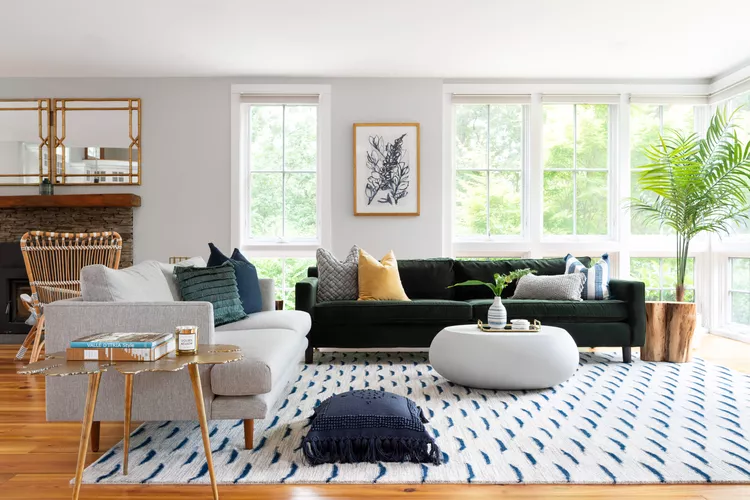
Go Bold with a Sofa
A bold sofa can become the main statement in a neutral living room. It shifts attention directly to the seating area and gives the space a clear focal point.
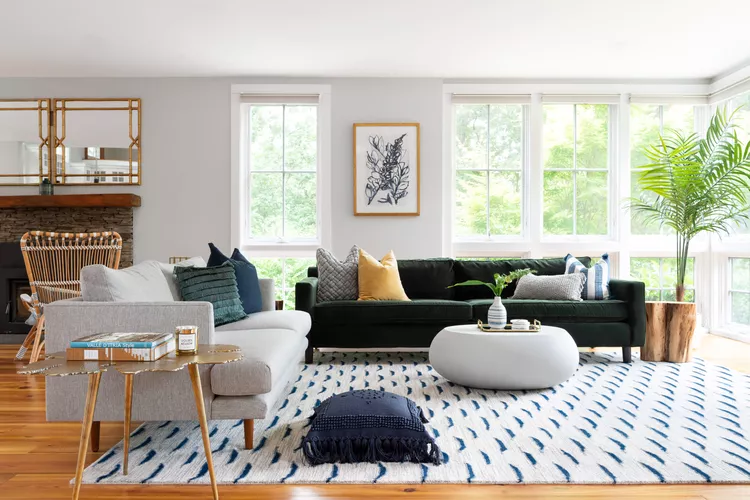
Deep tones like navy, forest green, or rust work well against a neutral backdrop. These shades stand out but still blend with softer surroundings.
The rest of the room should stay restrained so the sofa remains the highlight. Neutral walls, simple rugs, and minimal décor help maintain balance.
Shape and fabric also play a role. A structured sofa adds a modern edge, while a softer silhouette creates a more relaxed setting.
This idea works well when you want one strong element to define the room.
Pro Tip: Keep surrounding décor understated so the sofa holds attention.
Go with Colorful Furniture
Colorful furniture offers another way to break up a neutral living room. Instead of focusing on one large piece, you can introduce color through smaller items.
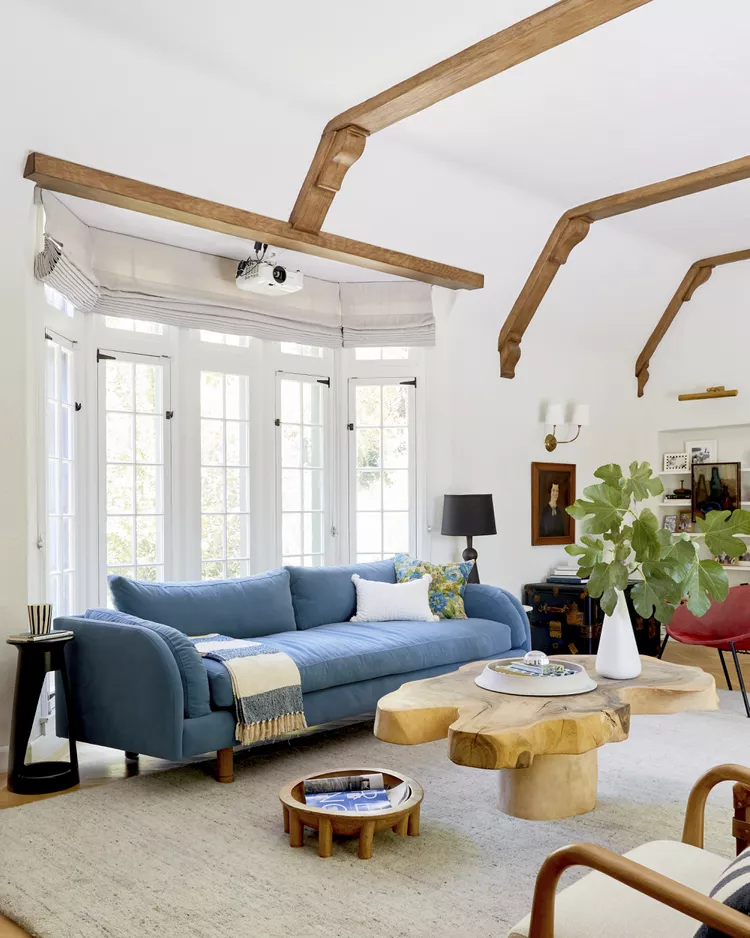
Accent chairs, ottomans, or side tables can bring in fresh tones. This allows you to experiment with color in a more flexible way.
Placement should stay intentional. Position these pieces where they can stand out, such as near the sofa or in a reading corner.
Balancing color across the room helps avoid a scattered look. Repeating a tone in two or three areas creates a stronger connection.
This method adds personality while keeping the neutral base intact.
Pro Tip: Start with one colorful furniture piece, then build around it with smaller matching accents.
Choose an Unexpected Color
An unexpected color can shift a neutral living room in a surprising direction. It brings energy into the space and creates a point of interest that stands out.
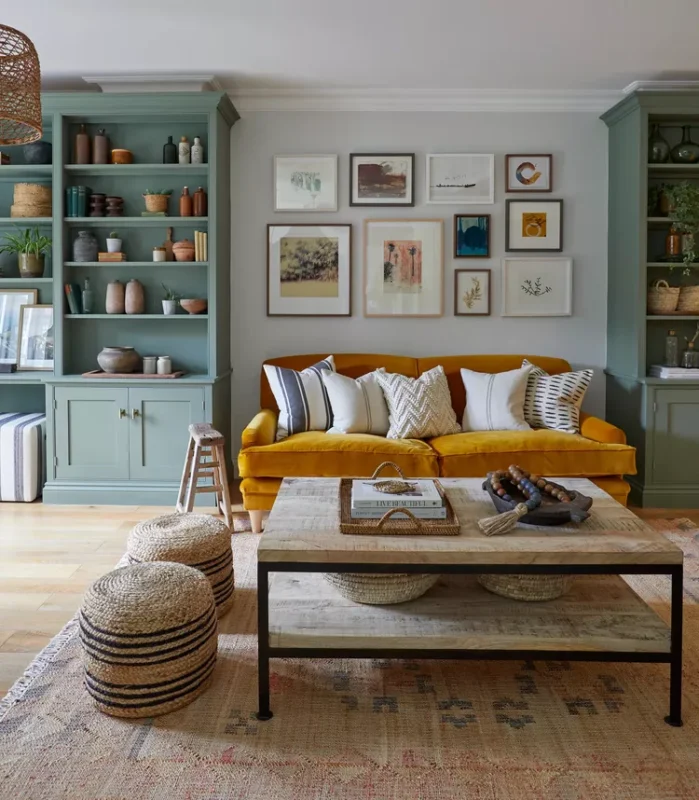
Instead of common choices, consider shades like dusty lavender, muted coral, or deep teal. These tones add character while still working with a neutral base.
Introduce the color in controlled amounts. A chair, a set of cushions, or a single decorative piece can be enough to make an impact.
The key is placement. Position the color where it naturally draws attention, such as near the center of the seating area.
This approach keeps the room interesting and prevents it from blending into a predictable neutral scheme.
Pro Tip: Test your chosen color in small accents first before committing to larger pieces.
Add Color with Fabric
Fabric offers one of the easiest ways to introduce color into a neutral living room. It allows you to shift the look of the space.
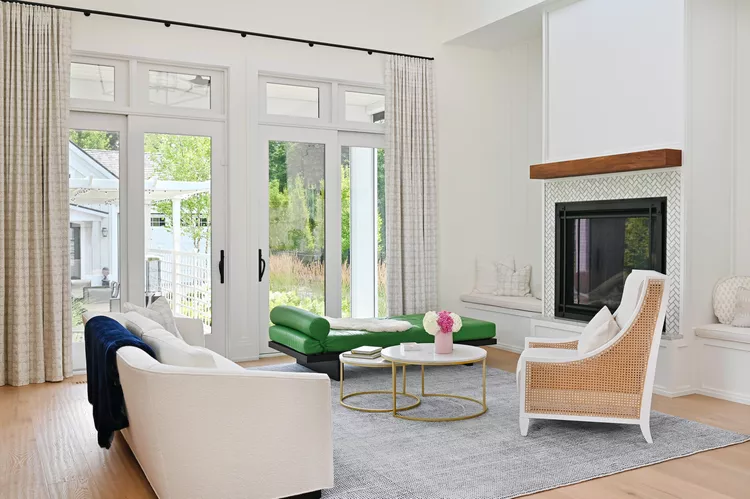
Start with cushions, throws, or curtains. These pieces sit close to eye level, so even a small amount of color can make a noticeable difference.
A soft rust throw or patterned cushions can instantly lift a neutral sofa.
Layering different fabrics can also bring variety. A mix of cotton, linen, or wool adds subtle contrast through texture and tone. This keeps the room from looking flat.
Rugs can also play a role here. A patterned or slightly colorful rug can anchor the seating area and connect the palette across the room.
The beauty of using fabric lies in flexibility. You can swap pieces seasonally or whenever you want a change, keeping the room fresh over time.
Pro Tip: Choose one color direction and repeat it across different fabric pieces to create a cohesive look.