Style Doesn’t Expire: 9 Plus-Size Summer Outfits For Women Over 60

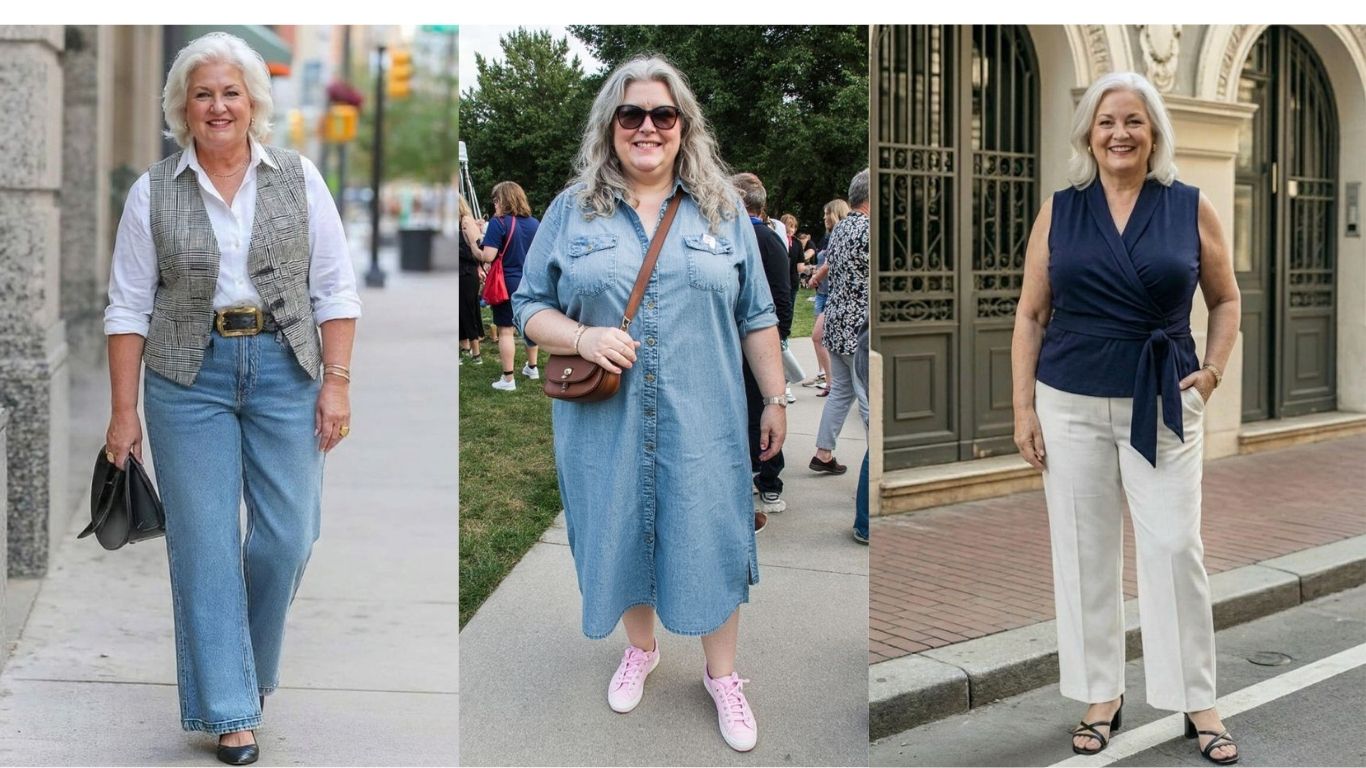
One of the best things about getting older is no longer standing in front of a closet wondering if something is “age appropriate.”
By 60, most women know what they like, what they don’t, and what deserves a place in their wardrobe.
I love seeing women who dress for themselves instead of chasing every trend that appears online.
A great outfit about walking out the door knowing everything fits well, feels comfortable, and reflects who you are today.
The following plus-size outfits for women over 60 celebrate exactly that: timeless style that never depends on a number.
Summer Outfits For Plus-Size Women Over 60
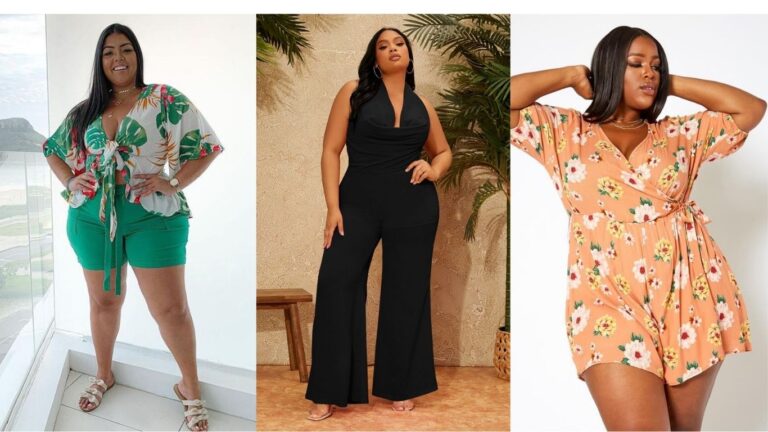
Flowy Maxi Dress
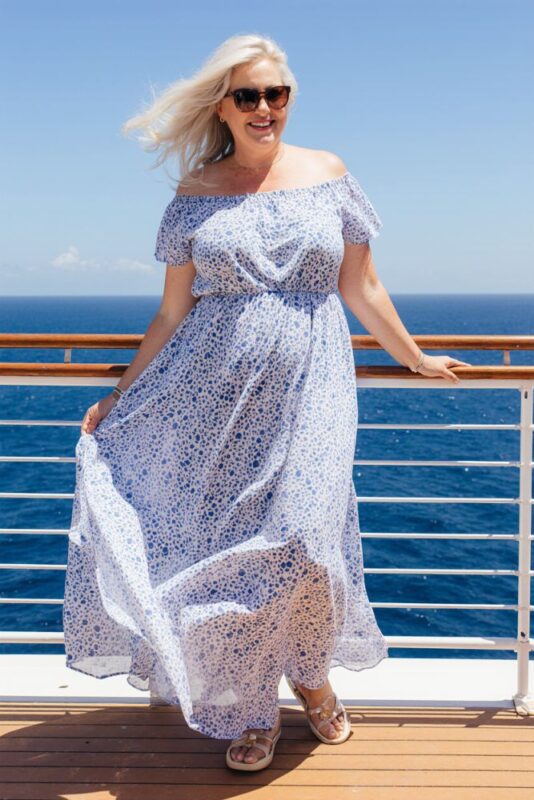
There’s a reason some women reach for the same dress every time a lunch invitation appears in the group chat.
A flowy maxi dress takes the guesswork out of getting dressed. It covers enough, moves comfortably through the day, and never looks like it was chosen in a rush.
The longer length brings a sense of ease that shorter styles can’t always offer. It works just as naturally at a family gathering as it does during an afternoon spent browsing local shops.
Prints can completely change the personality of the dress. Small florals bring a softer appearance, while larger patterns create a bolder presence.
Lightweight materials skim the body and allow the dress to move naturally during walking, sitting, and everyday activities.
The beauty of a maxi dress isn’t tied to trends. Decades pass, and it still earns a place in wardrobes because it simply does its job well.
Styling Tip: A woven handbag and simple sandals keep the outfit relaxed. Skip bulky jackets that hide the graceful line of the dress.
The Wrap Dress and Wrap Top
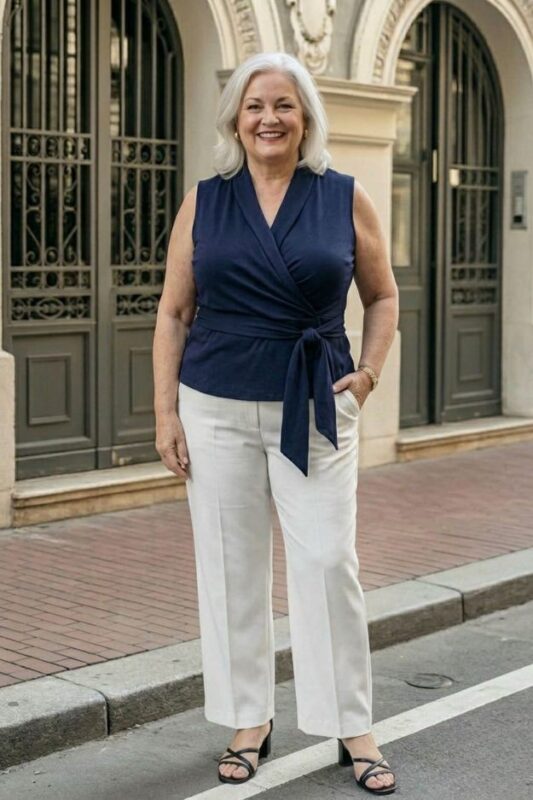
Some clothing pieces have survived every fashion era for a good reason.
The wrap design remains one of them. A wrap dress introduces shape through its construction, using fabric placement instead of complicated tailoring.
The neckline draws the eye upward, creating a clean frame around the face. The tie detail also allows adjustments throughout the day, which many women appreciate during long outings.
Wrap tops offer the same advantage. Paired with trousers, straight-leg jeans, or a midi skirt, they create an outfit that looks thoughtfully assembled with little effort.
The overlapping front adds dimension that plain tops rarely achieve.
This style has remained popular across generations because it adapts easily to different wardrobes and personal preferences.
Styling Tip: Choose wrap pieces with secure inner ties or hidden snaps so everything stays comfortably in place throughout the day.
Chambray Dress
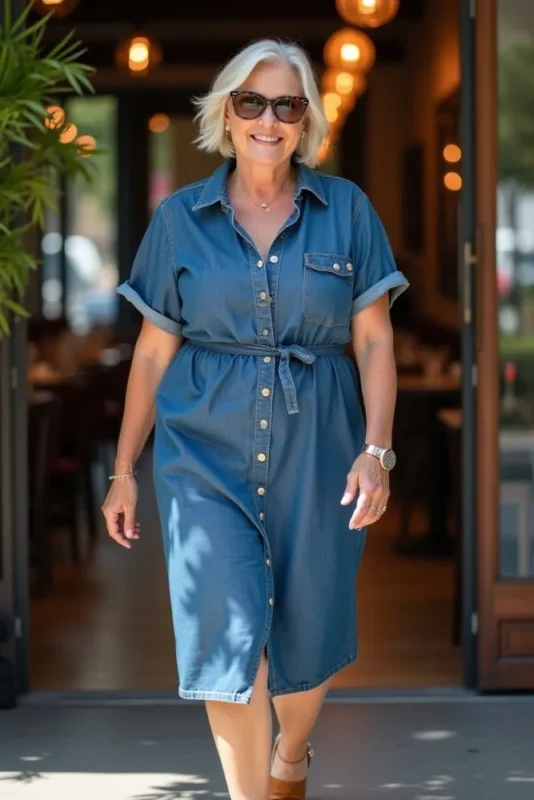
The charm of a chambray dress starts before any accessories are added.
Its denim-inspired appearance gives it character, but the fabric feels much lighter than traditional denim.
That difference becomes noticeable during long days spent outdoors or running errands around town.
A chambray dress carries a relaxed confidence. It doesn’t demand attention, yet people notice it because it looks approachable and easy to wear.
Button-front versions bring a touch of structure. Shirt-dress styles offer another direction, creating a neat appearance that is comfortable.
The blue tones pair naturally with many accessories already sitting in most wardrobes. Tan sandals, white sneakers, woven bags, and simple jewelry all fit easily into the picture.
Few dresses bridge casual and polished as naturally as chambray.
Styling Tip: Roll the sleeves slightly if your dress has long sleeves. That small adjustment adds character and prevents the look from appearing too rigid.
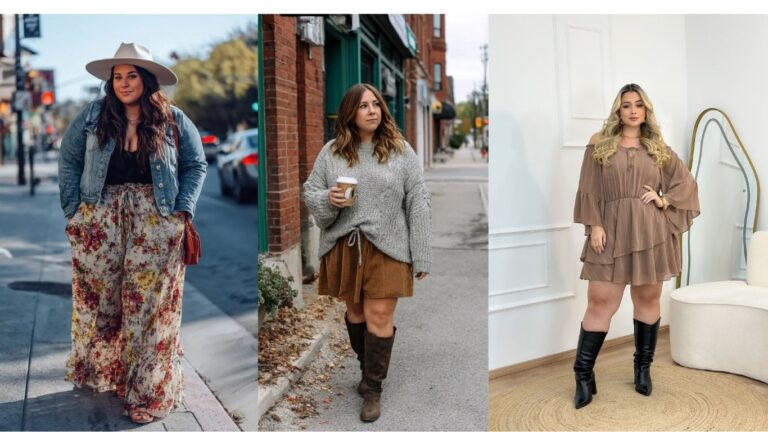
A-Line Skirt and Dress
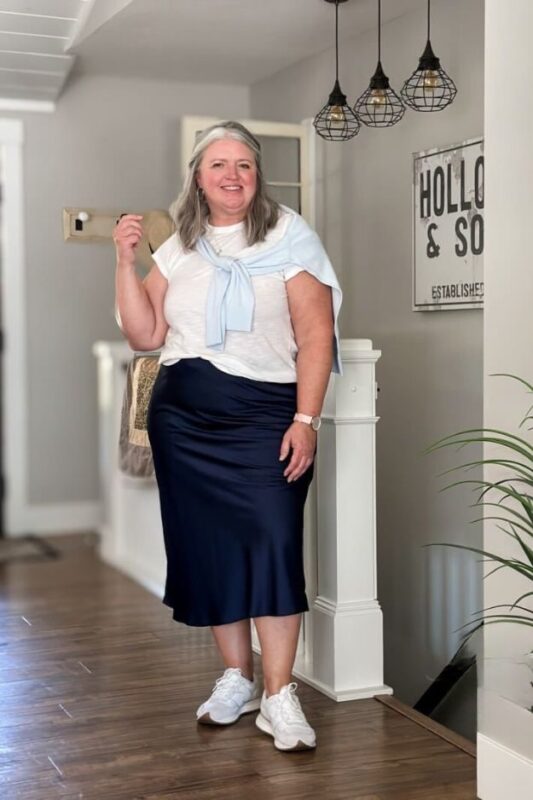
One glance in a fitting-room mirror usually explains why A-line silhouettes have remained popular for generations.
The shape begins closer to the body near the waist and gradually widens toward the hem. This simple structure creates a clean outline that never relies on passing trends.
A-line skirts offer endless outfit combinations. Pair one with a lightweight sweater, blouse, or button-down shirt and the outfit immediately feels complete.
The same principle applies to A-line dresses. The silhouette creates gentle structure without clinging to every curve.
That balance makes these pieces easy to wear across many occasions, from family celebrations to weekend lunches.
Patterns, solids, bright colors, and neutrals all work nicely within this shape because the cut itself carries much of the visual interest.
Styling Tip: Tuck tops neatly into A-line skirts to highlight the waistline and maintain the shape that makes this silhouette so appealing.
Soft Cotton Dress
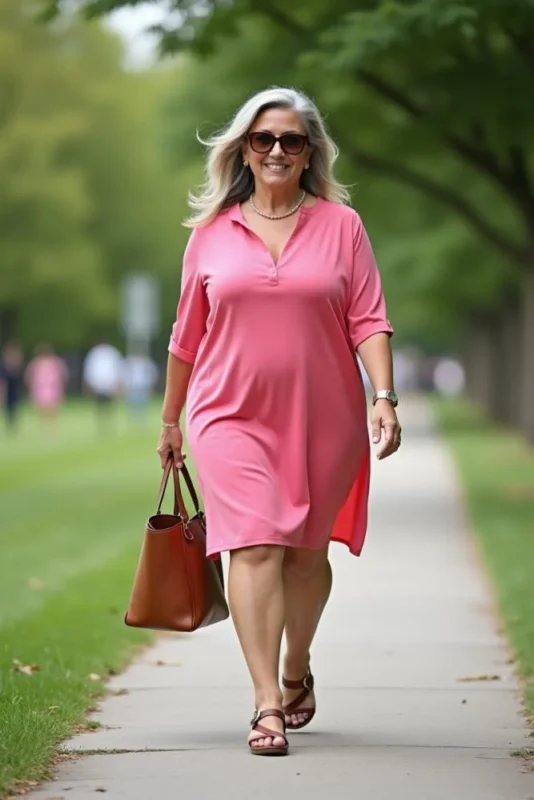
Some dresses become favorites because of how they look.
Others earn that title because you genuinely enjoy wearing them. A soft cotton dress belongs firmly in the second category.
Cotton sits gently against the skin and remains comfortable during long days that involve walking, driving, shopping, or spending time outdoors.
The fabric also handles warmer temperatures far better than many synthetic alternatives.
Simple cotton dresses come in countless styles, from shirt dresses to tiered designs and midi lengths.
That variety allows women to choose cuts that fit their personal preferences instead of following a single formula.
Add a cardigan on cooler days or wear the dress on its own when temperatures rise.
The result is a wardrobe piece that earns frequent use because it makes everyday dressing easier.
Styling Tip: Look for cotton dresses with pockets. They add practicality and quickly become one of the most appreciated details in daily wear.
Striped Blouse, Dark Denim Jeans, and Sweater
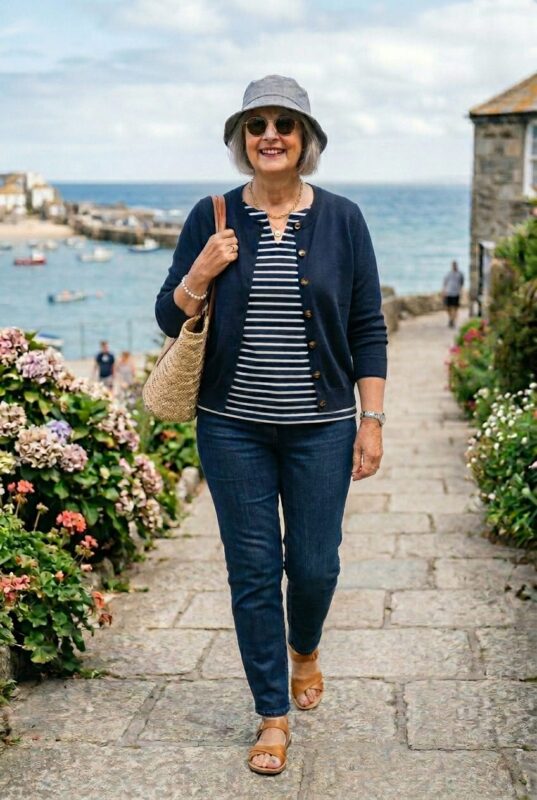
The outfits that get worn the most are rarely the loudest ones in the closet.
A striped blouse, dark denim jeans, and a sweater create the kind of combination many women return to again and again.
Each piece serves a purpose, and together they look put together without appearing overdressed.
The striped blouse introduces pattern in a smart way. It breaks up solid colors and gives the eye something interesting to follow.
Dark denim brings a polished appearance that lighter washes don’t always achieve. The deeper color also makes the outfit suitable for everyday errands.
The sweater can rest over the shoulders, tie loosely around the neck, or come out when temperatures drop.
Those small styling choices change the entire mood of the outfit.
What makes this combination appealing is its familiarity. Most women already have these pieces hanging in their wardrobe.
Styling Tip: Choose narrow stripes instead of oversized ones if you want the blouse to pair easily with different sweaters throughout the year.
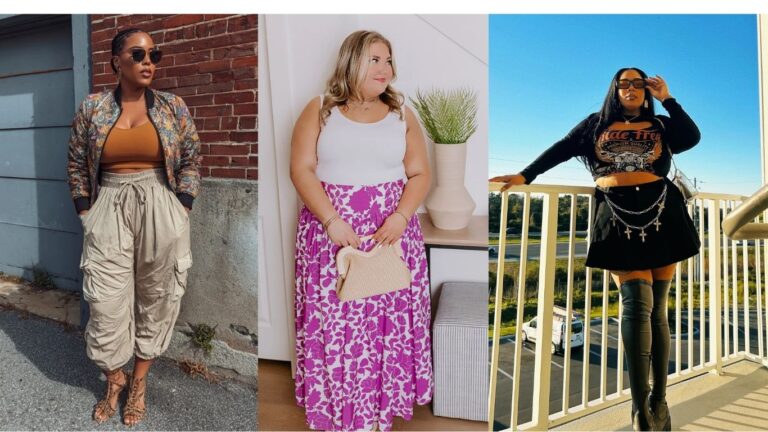
Tie-Waist Jumpsuit
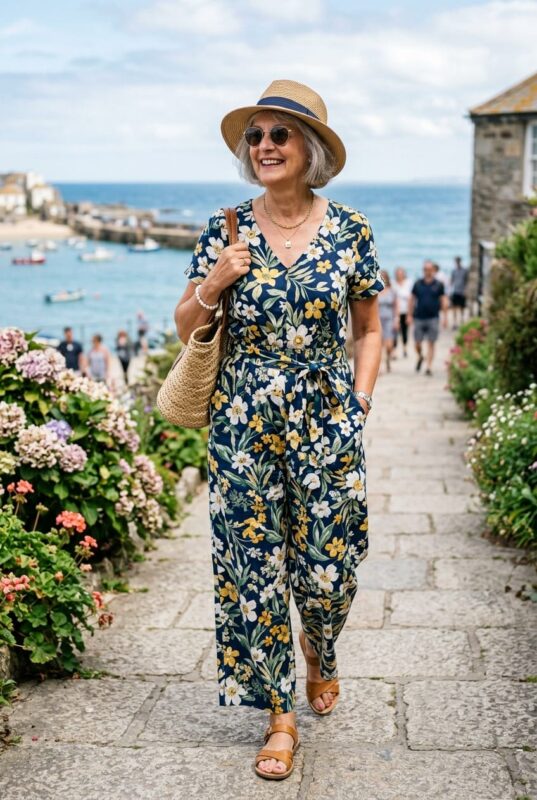
Few wardrobe pieces make getting dressed as simple as a jumpsuit.
You pull it on, add shoes, and most of the work is already done. The tie-waist detail introduces definition through a simple fabric belt helping the outfit look futuristic from top to bottom.
The beauty of this style comes from its clean silhouette.
There are no separate pieces competing for attention. The eye travels smoothly from the neckline down through the legs to create a streamlined appearance.
Fabric choice changes everything here. Soft jersey creates a relaxed daytime look, while linen blends and woven fabrics bring a slightly dressier direction.
Sleeves, necklines, and leg widths can also shift the personality of the outfit dramatically.
This is the kind of piece that works for lunch outings, travel days, family celebrations, and casual dinners.
Styling Tip: Keep accessories simple. The jumpsuit already carries enough visual presence on its own.
Denim Dress
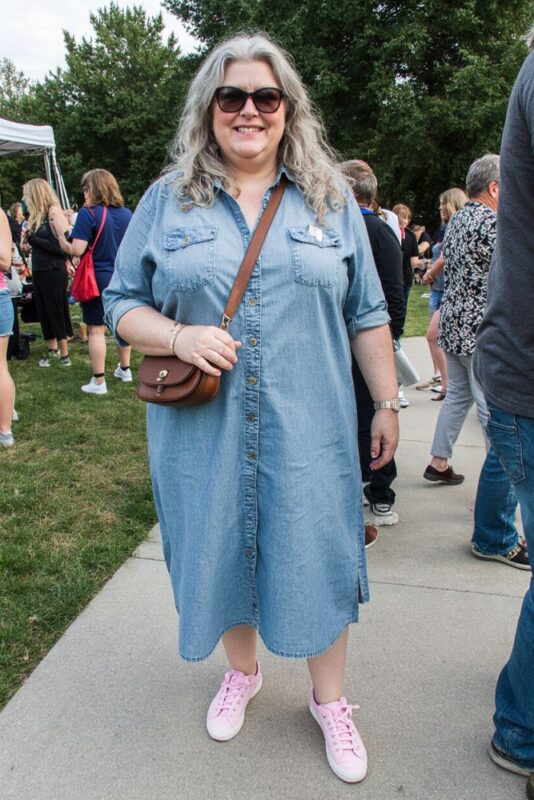
A denim dress has a way of looking familiar the moment you put it on.
It carries some of the same qualities people love about their favorite pair of jeans, but with far less effort.
One piece replaces the need to coordinate tops and bottoms.
Button-front styles remain popular because they bring structure. Shirt-dress versions create another direction, offering a neat appearance.
The fabric itself does much of the heavy lifting.
Denim carries texture, depth, and visual interest before any accessories are added. Lighter washes give off a relaxed daytime mood, while darker shades look a touch refined.
A denim dress also adapts easily through the seasons.
Add a cardigan, lightweight scarf, or simple jewelry, and it takes on a completely different personality.
Styling Tip: Avoid pairing a denim dress with heavy denim jackets. Too much of the same fabric can make the outfit look weighed down.
Straight-Leg Trouser, Tucked-In Blouse, and a Structured Blazer
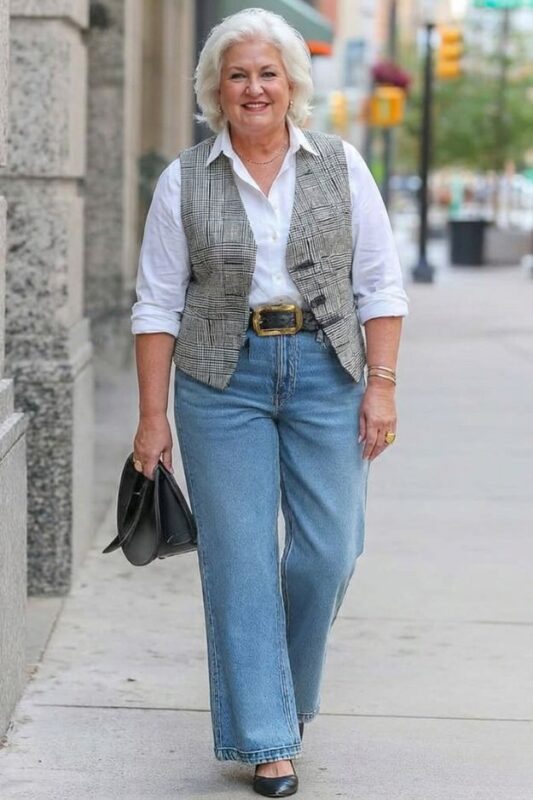
Some outfits instantly communicate confidence before a single word is spoken.
Straight-leg trousers, a tucked-in blouse, and a structured blazer create exactly that effect.
The combination has been trusted for decades because each piece contributes something important.
The trousers provide clean lines through the lower half. The blouse softens the look and introduces color, texture, or print depending on your choice.
Then comes the blazer. It sharpens the entire outfit and gives it a sense of purpose.
Even simple trousers and a plain blouse take on a different character once a well-cut blazer enters the picture.
This outfit fits naturally into office environments, business lunches, community events, and occasions where a slightly elevated appearance is appropriate.
Styling Tip: Pay close attention to blazer fit through the shoulders. A good shoulder fit makes the entire outfit look comfortable.
What To Avoid When You’re Over 60?
1. Pieces That Don’t Match Your Personal Style
Clothes that try to copy trends from much younger styles can feel disconnected from personal identity.
At this stage, dressing works better when it reflects lived experience instead of chasing newer fashion directions.
Outfits that don’t align with comfort, taste, or daily routine often sit unused in the wardrobe.
2. Sheer Fabrics Without Proper Lining
Light, see-through fabrics can create challenges when they lack proper underlayers. Transparency without structure may limit where and how the piece can be worn.
Layered styling brings coverage and makes the outfit usable in everyday settings, from errands to social visits.
3. Oversized Pieces with No Shape
Clothing that hangs without any definition can remove structure from an outfit. Loose silhouettes still work, but some shaping around shoulders, waist, or hem helps maintain balance.
Completely shapeless design looks unfinished and can make styling difficult for daily wear or gatherings.
4. Extremely Tiny Print Patterns
Very small prints can blur together from a distance, creating a busy or unclear look. Medium-scale patterns tend to read better on the body and show detail clearly.
Scale matters more than color here when choosing dresses or blouses for regular use.
5. Shoes That Cause Discomfort
Footwear that pinches, rubs, or lacks support can affect movement throughout the day. Even the best outfit loses value when walking becomes difficult.
Cushioned soles, stable heels, or supportive flats offer better practicality for daily routines, social outings, and longer periods on your feet.
6. Dressing Based on Rules Instead of Preference
Style choices based only on external expectations can limit personal expression. At this stage, clothing decisions work better when guided by comfort, lifestyle, and individual taste.
Rules that no longer fit daily reality create unnecessary restrictions in building a usable, enjoyable wardrobe.