13 Inspiring Sage Green Living Room Ideas For Your Home

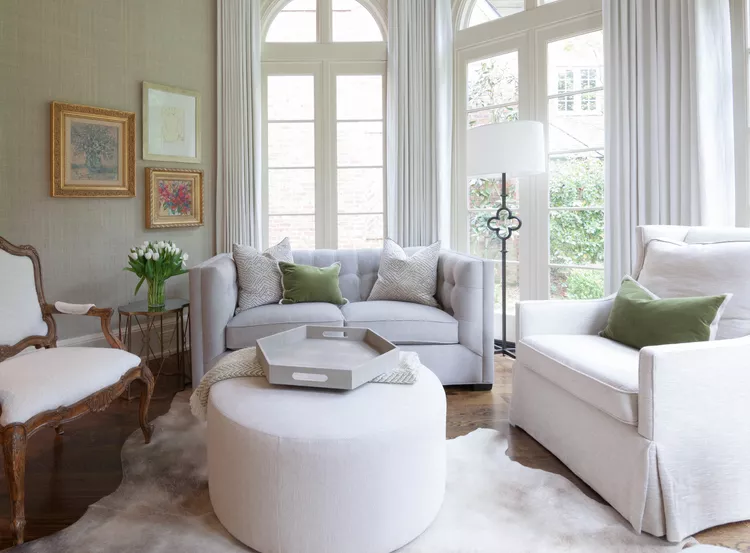
I’ve always found sage green interesting because it can completely change its character depending on what surrounds it.
In one living room, it brings to mind an old countryside cottage. In another, it looks right at home beside clean lines and modern furniture.
Trust me, it never demands attention, yet the color rarely fades into the background either.
In this write-up, you’ll see various sage green living room ideas that can shape a room into a statement-making space.
Why Sage Green Is Preferred in Living Room?
Sage green is preferred in living rooms because it brings a calm, natural tone that pairs easily with both modern and traditional interiors.
It also works as a flexible base color that supports a wide range of furniture styles and accent choices without overwhelming the space.
Here are the sage green living room decor ideas:
Sage Green Living Room Mantel

Guests rarely notice a mantel when it blends into the wall, but that changes quickly once sage green enters the picture.
Painting the mantel in this muted shade draws attention to one of the room’s most important architectural features.
The fireplace instantly becomes a destination instead of a background element. Even on days when the fire is not lit, the mantel continues to anchor the space.
The contrast can be surprisingly striking. A sage green mantel surrounded by lighter walls introduces definition.
Framed artwork, stacked books, and a few carefully chosen decorative pieces suddenly look curated because they sit against a backdrop with character.
The color also changes throughout the day. Morning light may highlight the softer side of the paint, while evening lamps reveal deeper undertones.
That constant shift keeps the mantel interesting from sunrise to sunset.
One painted feature can sometimes accomplish what an entire room makeover cannot.
It gives the eye somewhere to land and introduces a fresh perspective on a part of the living room that goes overlooked.
Pro Tip: If you have built-in shelves beside the fireplace, paint only the mantel first. You may discover that single change is all the room needs.
Pop Against White
Some color combinations never seem to lose their appeal.
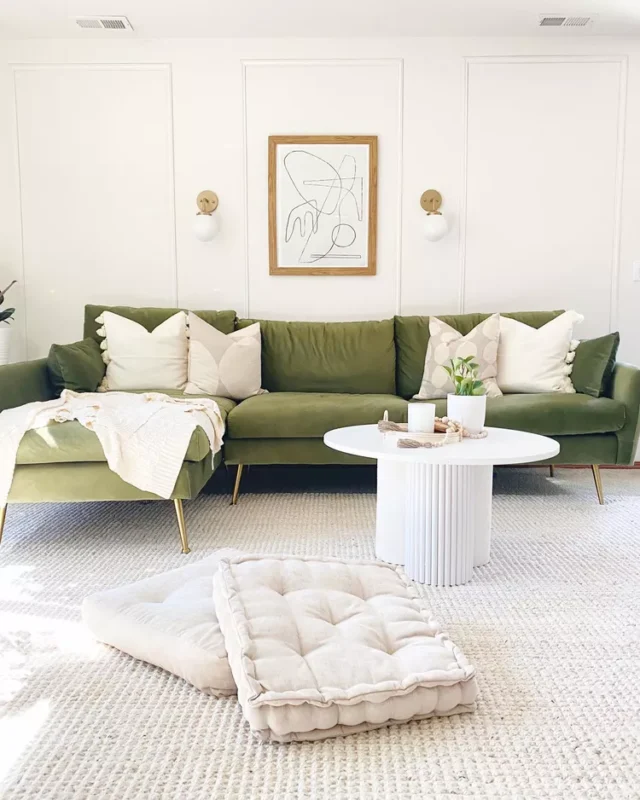
Sage green paired with crisp white brings a fresh, clean look that instantly brightens a living room. The contrast is noticeable, though it never comes across as harsh.
White walls provide a blank canvas. Against that backdrop, sage green furniture, cabinetry, or accent pieces command attention.
A green armchair tucked into a corner suddenly becomes a focal point. A painted console table appears far more intentional.
The combination also highlights architectural details beautifully.
White trim stands out sharply against green surfaces, giving windows, moldings, and built-ins a tailored appearance.
There is a simplicity to this pairing that makes it easy to personalize. Artwork, books, and collected treasures all find their place because the color palette remains clear and uncomplicated.
The overall impression is bright, fresh, and thoughtfully assembled.
Pro Tip: Bring in natural wood through a coffee table or side table to keep the room from looking too stark.
Play With Sage Green Patterns
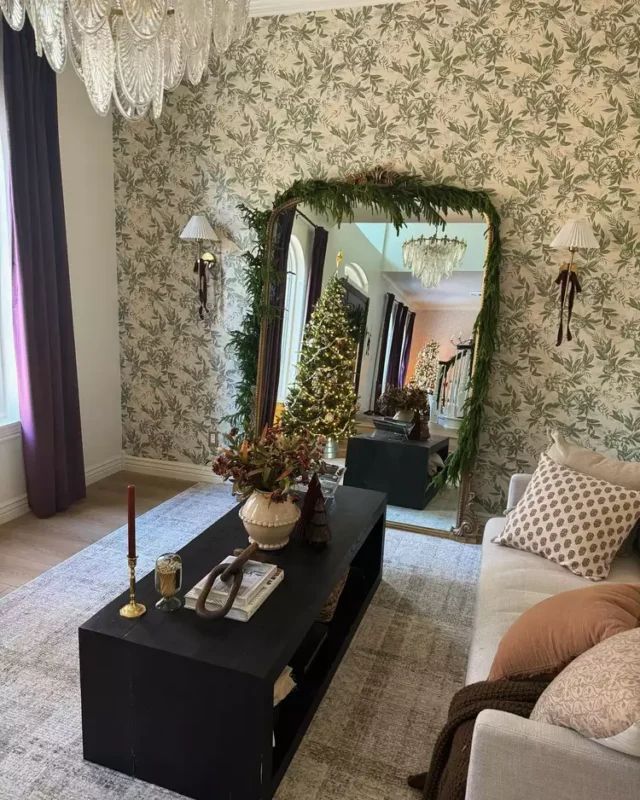
Solid colors have their place, but patterns bring an entirely different energy into a room.
Sage green becomes far more interesting when it appears in unexpected forms.
Floral prints, striped upholstery, botanical wallpaper, or patterned curtains introduce movement and detail that draw people closer.
A patterned element often becomes the thing guests remember.
Perhaps it is an accent chair upholstered in a green botanical print. Maybe it is a wallpapered alcove that quietly steals attention from the rest of the room.
These details create layers that reveal themselves gradually.
Patterns also help break up large areas of color. Instead of one uninterrupted block of green, the eye encounters variation and texture. The room gains depth through repetition, scale, and contrast.
The key lies in choosing one dominant patterned feature and allowing it room to shine. When every surface competes for attention, the impact disappears.
A single bold pattern often leaves a stronger impression than an entire room filled with competing designs.
Pro Tip: If you’re nervous about pattern, start with throw pillows. They are easy to swap out and can help you discover what scale and style you enjoy most.
Standout Green Couch
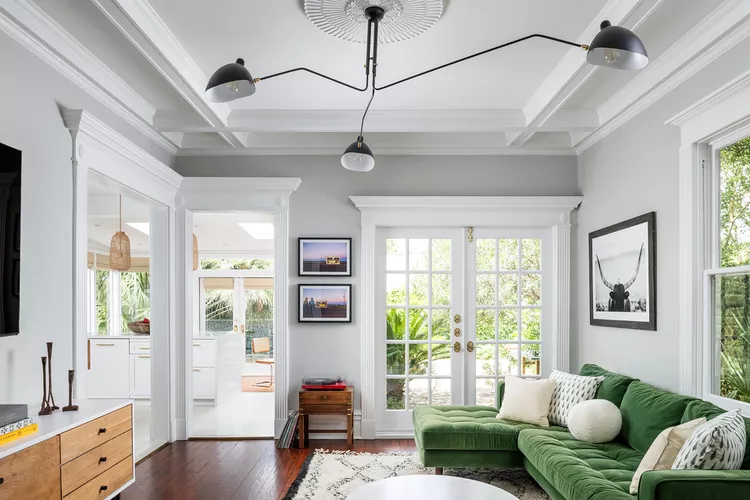
A green couch has a way of changing the conversation before anyone even sits down.
Most living rooms rely on neutral seating, which makes a sage green sofa instantly memorable.
It introduces color at a larger scale and establishes the tone for everything around it.
The sofa naturally becomes the centerpiece. Coffee tables, rugs, artwork, and lighting all work in support of it.
That makes decorating surprisingly straightforward because one major decision already guides the rest of the room.
There is also something refreshing about seeing color used on a piece of furniture people interact with every day.
The sofa is not hidden away on a shelf or confined to an accent piece. It occupies the heart of the room and shapes the experience of the space.
Depending on the upholstery, the look can shift dramatically. A linen sofa leans casual. Velvet introduces richness.
Either way, the couch brings character that neutral seating rarely delivers.
Pro Tip: Before purchasing a green sofa, bring home paint samples or fabric swatches. Sage green can shift noticeably under different lighting conditions.
Accent Chair and Throw Pillows
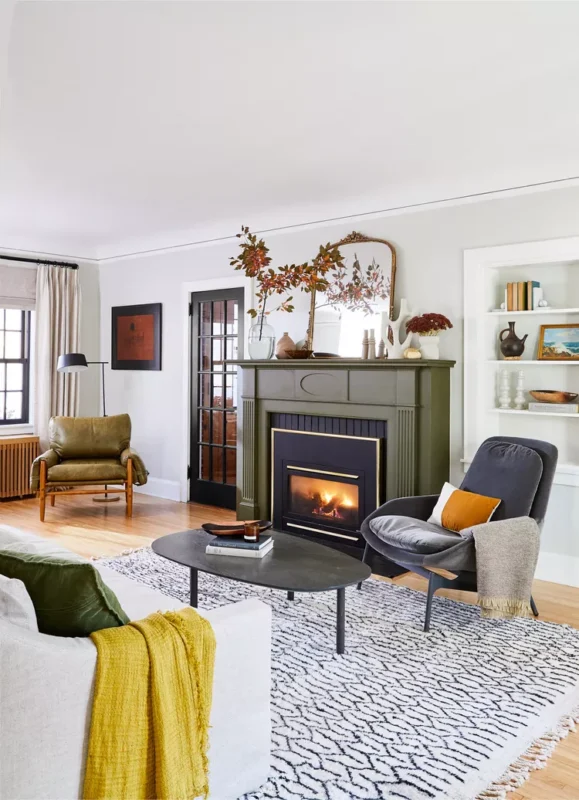
Not every living room transformation requires a paintbrush. Sometimes the entire room shifts because of one chair placed in exactly the right spot.
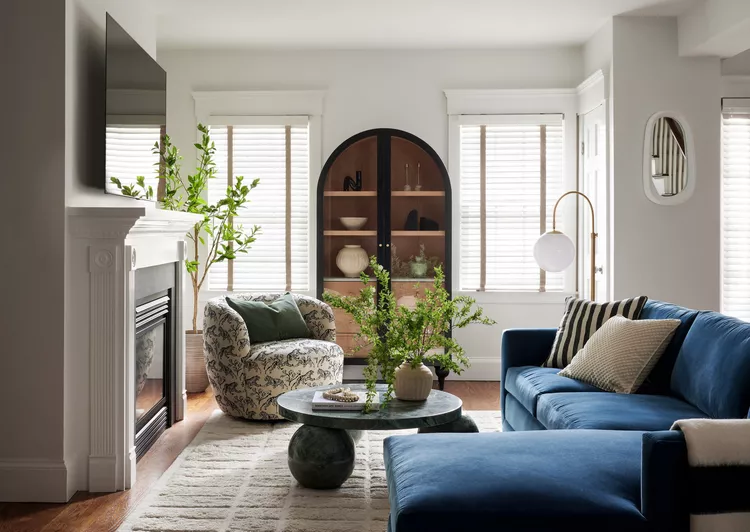
A sage green accent chair tucked beside a window can break up a sea of neutral furniture and introduce color in a way that feels intentional from day one.
The chair becomes a destination. It is where someone settles down with a book, enjoys a quiet morning coffee, or simply takes a moment away from the busier parts of the house.
Once that green tone appears, matching throw pillows can quietly repeat the color across the room.
This approach works particularly well for homeowners who enjoy changing décor throughout the year.
Pillows can move, covers can be swapped, and the room evolves without requiring major updates.
What makes this combination successful is its flexibility. The color appears in enough places to look cohesive, but it never dominates the entire space.
The eye catches small connections from one side of the room to the other, creating a collected look.
Pro Tip: Choose pillows with texture instead of bold graphics. The room will look richer and less busy.
Sage Green Wall Panels
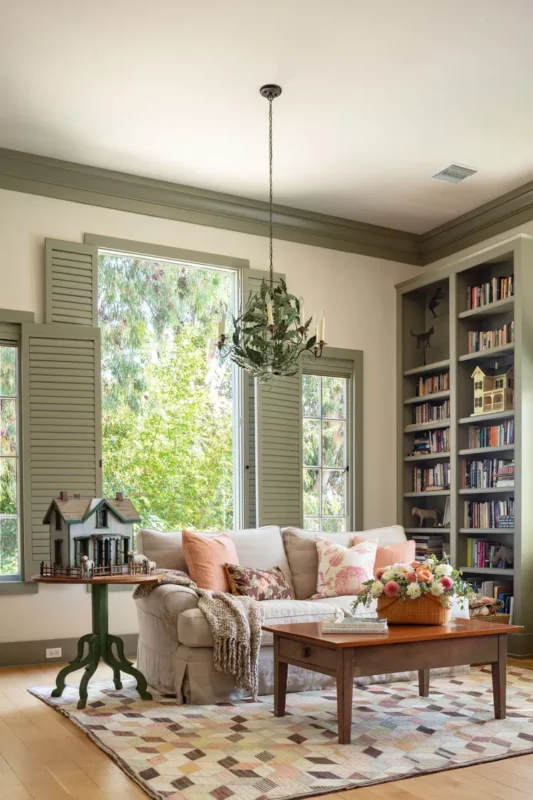
A plain wall can become one of the most impressive features in the room.
Sage green wall panels bring depth and structure that standard painted walls simply cannot achieve.
The moment sunlight hits the grooves and trim, the entire surface comes alive through shadow and dimension.
The real star is the craftsmanship. Rectangular molding, vertical battens, or decorative paneling give the wall a custom appearance that immediately elevates the room.
A sofa placed against this backdrop requires very little styling. The architectural detail already carries so much interest that even simple furniture feels intentional.
Artwork can be kept minimal because the wall itself functions as part of the design.
This idea works beautifully in older homes, though it can also introduce character into newer properties that lack architectural details.
You don’t have to rely on accessories to create interest because the walls become part of the story, giving the room a sense of care.
Pro Tip: Paint the trim and paneling the same shade of sage green for a polished, seamless appearance.
Vintage Sage Character
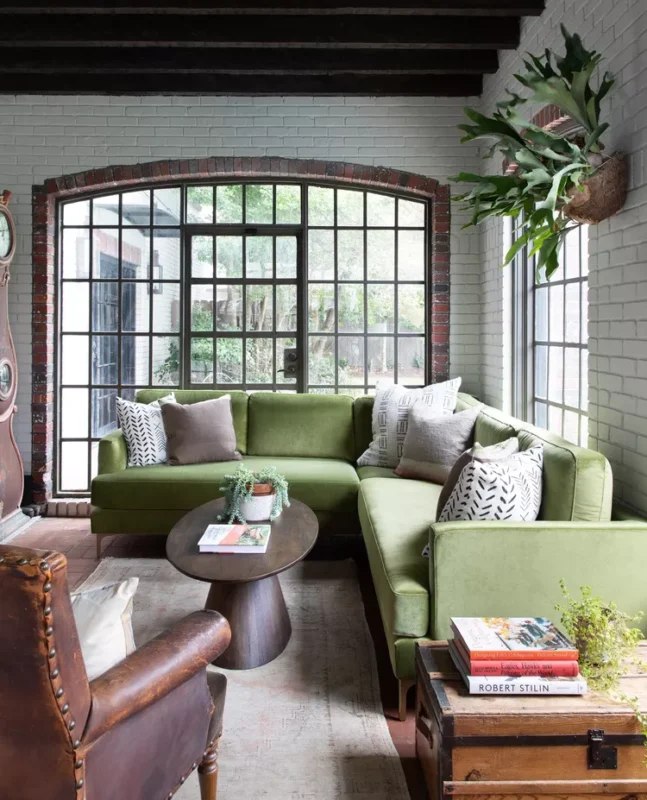
Some living rooms look like they have collected stories over several decades.
Sage green fits naturally into spaces filled with vintage charm. The color pairs beautifully with aged wood, antique mirrors, worn books, and furniture that carries a little history in its finish.
A vintage-inspired living room does not need to resemble a museum.
The goal is to create a space that looks gathered over time. A weathered coffee table, a brass lamp discovered at a flea market, and an old framed landscape can all contribute to the atmosphere.
Sage green ties these elements together beautifully. It softens darker woods and allows older pieces to shine.
The room develops a richness that cannot be purchased all at once.
Visitors often notice details gradually. A carved frame here, a vintage vase there, a stack of well-loved books nearby.
Those discoveries make the room memorable long after they leave.
Pro Tip: Mix vintage finds from different eras. A room with varied pieces often looks more authentic than one built around a single period.
Fresh Natural Retreat
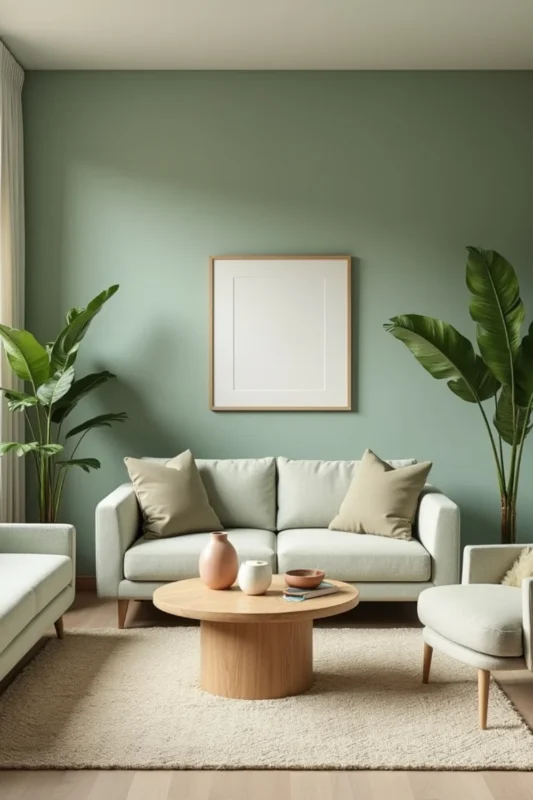
The busiest days seem a little easier when the living room brings the outdoors inside.
Sage green works beautifully in spaces inspired by nature because it already carries connections to gardens, leaves, and open landscapes.
Pair it with natural materials and the room begins to take on an entirely different character.
A large leafy plant in the corner immediately changes the mood.
Nearby, woven baskets and a wooden coffee table reinforce the connection to natural textures.
The room becomes a place where technology fades into the background and organic elements take center stage.
Large windows strengthen the effect. Sunlight highlights the green tones throughout the day, while views of trees or outdoor greenery help blur the line between indoors and outdoors.
The appeal of this style comes from its simplicity.
There is no need for excessive decoration. The materials themselves provide enough interest.
Wood grain, plant leaves, and natural fibers all contribute to the room’s overall charm.
Pro Tip: One oversized plant usually has a stronger impact than several smaller plants scattered around the room.
Sage With Contrast
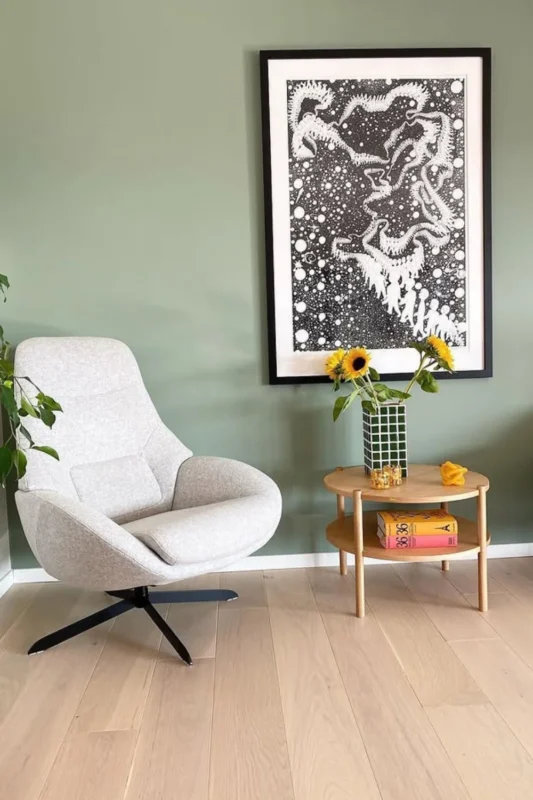
The first thing people notice is the artwork.
Black-framed pieces mounted against a sage green wall create a striking contrast that immediately commands attention.
The dark frames appear crisp and defined, turning even simple artwork into a focal point.
The combination works because each element strengthens the other.
The green wall softens the boldness of the black frames, while the black introduces clarity against the painted backdrop. Together, they create a living room that is composed.
Light wood flooring completes the picture. Its warm tones prevent the palette from becoming too heavy and provide balance beneath the stronger contrast happening above. The floor introduces brightness.
This design approach proves that color does not always need to dominate.
Oftentimes the relationship between color, artwork, and materials creates the strongest impact.
The room becomes curated from floor to ceiling, with every element contributing to the final composition.
Pro Tip: Leave enough space between artwork frames. The sage green wall deserves room to be seen and appreciated.
Built-in Green Shelves
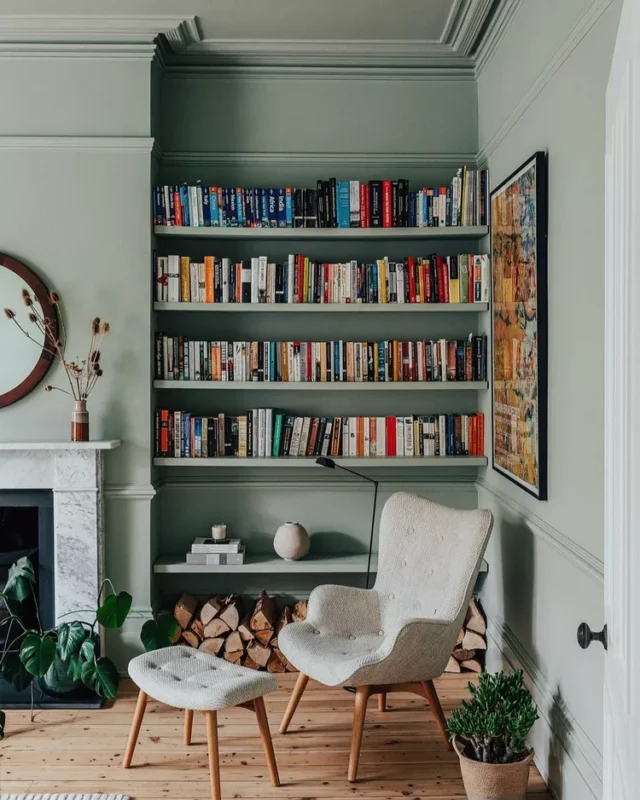
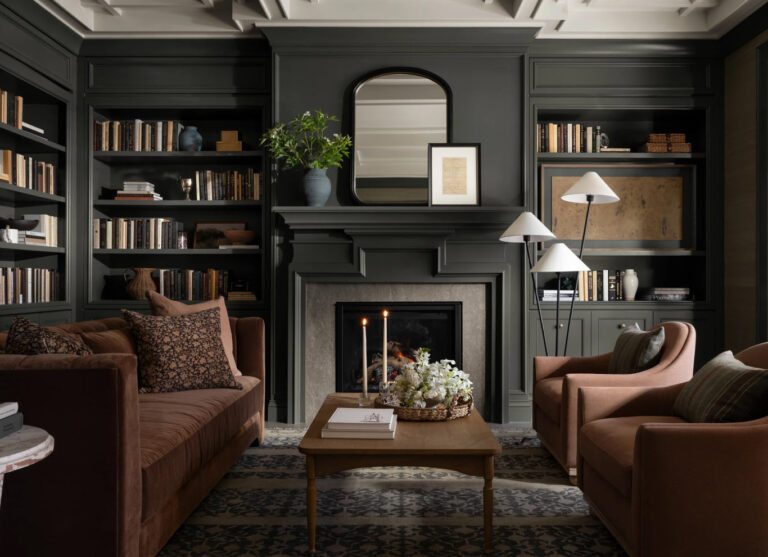
Built-in shelves painted in sage green turn storage into part of the architecture.
Instead of sitting quietly in the background, the shelving becomes a feature wall that frames books, ceramics, and collected pieces. The color gives structure to the entire display, guiding the eye across each level.
Lighting changes the experience completely.
During the day, natural light reveals the depth between shelves and the items placed within them.
At night, small lamps or hidden LEDs create pockets of glow that highlight specific objects and leave others in soft shadow.
What makes this setup interesting is the layering it encourages. Books can sit both upright and stacked. Decorative objects can overlap slightly. Artwork can lean against the back panel instead of hanging rigidly.
The result is a wall that looks curated over time rather than arranged in a single moment. The sage green backdrop keeps everything visually connected, even when the objects vary in shape, color, or material.
Pro Tip: Mix books with decorative items in every shelf section to avoid a storage-only look.
Layer Your Windows
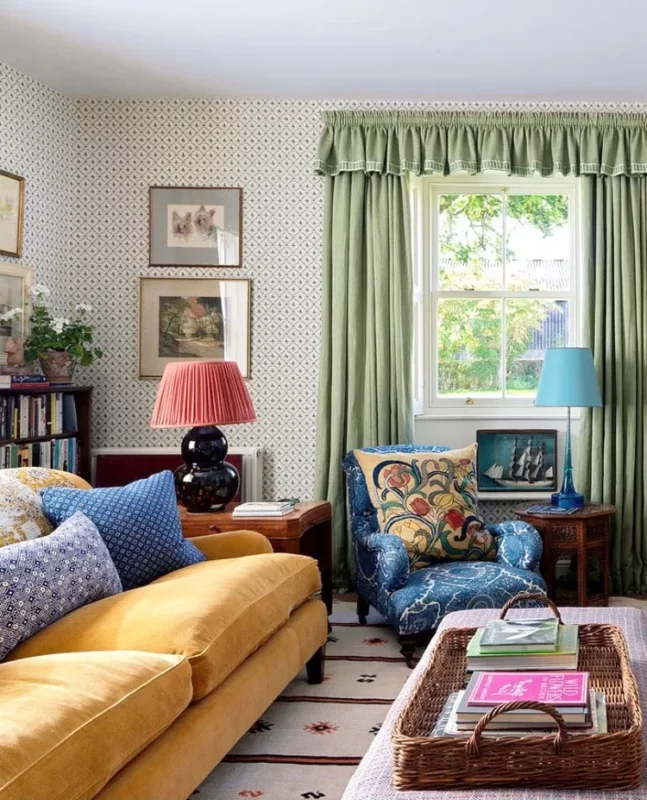
Windows stop being plain openings once layers start building around them.
Sage green living rooms gain depth when curtains, blinds, and sheer panels work together. Each layer adds a different level of softness and control, changing how light enters the space throughout the day.
Sheer fabrics catch sunlight first. They soften the brightness before it reaches the rest of the room. Heavier curtains then frame the window, giving it presence even when closed.
The sage green backdrop enhances this effect, especially when neutral or warm-toned fabrics are used.
The window becomes a styled focal point rather than just a functional feature.
Even small adjustments in fabric texture shift the mood. Linen introduces a relaxed surface. Velvet adds weight and structure. Cotton keeps the look simple and clean.
This layered approach also changes how the room transitions from day to evening. Morning light filters gently through multiple materials, while nighttime brings a more enclosed, intimate setting.
Pro Tip: Hang curtain rods higher than the window frame to make the ceiling appear taller.
Match Your Accents
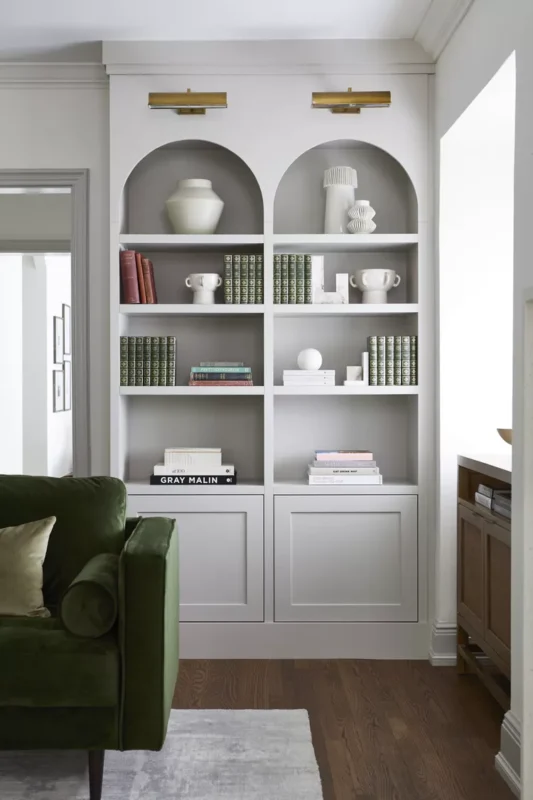
A room starts to make sense when small details begin speaking the same design language.
Matching accents in a sage green living room create that quiet sense of connection across different corners of the space.
It might be the repeat of brass in lamp bases and photo frames, or the use of black metal across furniture legs and shelving.
These connections do not need to be obvious.
In fact, the strongest effect often comes from subtle repetition that the eye picks up gradually.
A vase on the coffee table echoes the finish of a floor lamp. A cushion repeats the tone of a nearby artwork frame.
Sage green acts as the grounding base for these details.
It allows accents to stand out without clashing, helping the room feel more intentional. Even when furniture styles differ, shared accent tones bring order to the overall composition.
The space starts to read as a single story instead of separate pieces placed side by side.
Pro Tip: Pick two accent materials only, such as wood and metal, and repeat them throughout the room for a cleaner result.
A Vaulted Green Ceiling
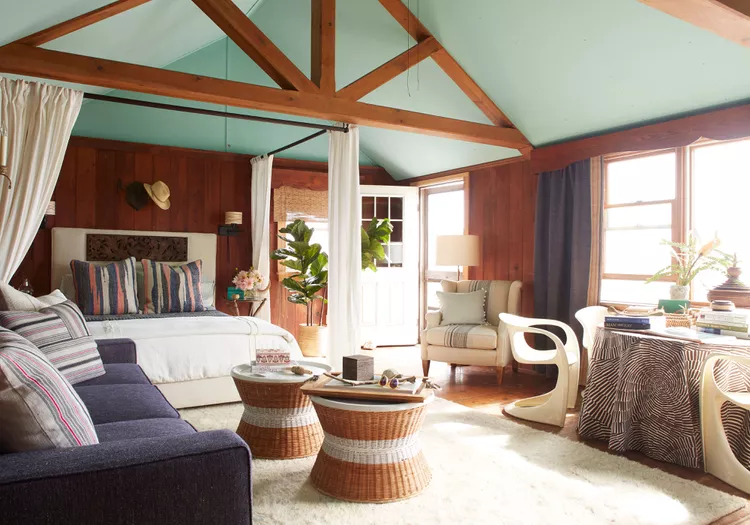
Most living rooms ask you to look straight ahead. This one encourages you to look up.
A vaulted ceiling already brings drama through height and scale. Covering that expansive surface in sage green takes the architecture a step further by turning the ceiling into a design feature of its own.
The effect becomes apparent the moment you walk into the room.
Instead of disappearing into the background, the ceiling participates in the design. The green draws attention to beams, angles, and structural details that might otherwise go unnoticed.
Sunlight moving across the ceiling throughout the day introduces another layer of interest.
Shadows shift, corners change tone, and the room develops a dynamic quality that plain white ceilings rarely achieve.
Furniture can remain relatively simple because the ceiling carries much of the visual weight.
A comfortable sofa, a few accent chairs, and a textured rug are often enough. The eye naturally travels upward, taking in the full scale of the room.
Pro Tip: Choose a matte finish for the ceiling paint. It helps the color look rich and refined instead of reflective and distracting.
FAQs
What Colors Go Best with Sage Green in a Living Room?
Sage green works well with warm neutrals like cream, beige, and soft white for a calm base.
For contrast, black and charcoal bring structure, while light wood tones keep the space grounded.
Dusty pink, terracotta, and muted mustard add warmth without overpowering the green, creating a layered and lived-in look.
Can Sage Green Work in a Small Living Room?
Yes. Sage green actually suits smaller spaces because it does not dominate the room the way darker shades can.
When paired with light walls, mirrors, and simple furniture, it helps the space look more open while still adding character through color.
What Style Works Best with Sage Green?
Sage green adapts easily to many styles. It sits naturally in modern minimalist rooms, rustic spaces with wood textures, and even vintage-inspired interiors.
The surrounding materials and furniture choices shape the final direction more than the color itself.