13 Spanish Style Living Room Ideas (Idea 6# Is So Inviting)

Spanish-style living rooms have a warm feel that makes a home instantly super comfortable.
The style is inspired by traditional homes in Spain where natural materials, earthy colors, and handcrafted details are part of everyday design.
In these spaces, you’ll see features like wooden beams, textured walls, and warm tile floors that give the room an elegant look.
If you enjoy interiors that feel cozy, these Spanish style living room ideas help you bring that charm into your own house.
Top Ideas For Spanish Style Living Rooms
1. Exposed Wooden Ceiling Beams
One of the most recognizable features in Spanish-style living rooms is the presence of exposed wooden ceiling beams.
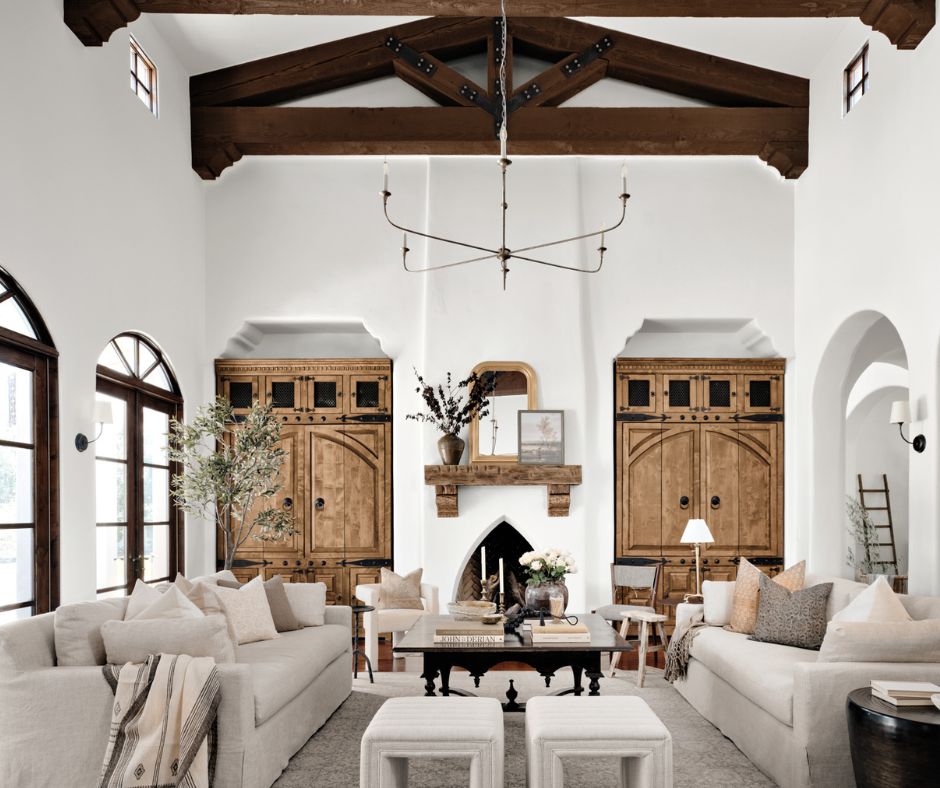
These beams instantly give the space a sense of age and architectural character.
Dark-stained wood against light plaster ceilings creates strong visual contrast, which is a hallmark of traditional Spanish interiors.
The beams do not need to be overly polished. Slight imperfections, natural grain, and aged finishes add authenticity.
In many Spanish homes, the beams appear thick and slightly rustic, reinforcing the handcrafted feel of the room.
Furniture beneath the beams usually carries similar warmth. Wooden coffee tables, leather seating, and textured fabrics help balance the height and structure of the ceiling.
Lighting also plays an important role here. Wrought iron chandeliers or lantern-style pendants complement the beams and strengthen the historic atmosphere.
When paired with warm wall tones, exposed beams help anchor the entire living room design.
Among Spanish style living room ideas, this architectural feature often sets the tone for everything else in the space.
2. Terracotta Tile Flooring
Terracotta flooring is another defining feature of Spanish-style living rooms. The warm clay tones bring an earthy foundation that works beautifully with the rest of the décor.
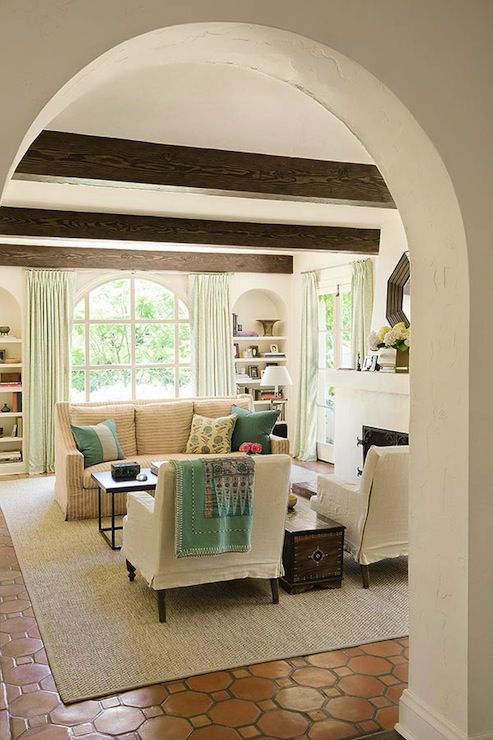
These tiles often appear slightly uneven or handmade, which adds to their charm.
Instead of perfectly smooth surfaces, many Spanish interiors embrace subtle variations in color. This natural variation prevents the floor from looking too modern or sterile.
Terracotta pairs especially well with wooden furniture and leather upholstery. The reddish-brown tones echo the natural materials used throughout Spanish homes.
To soften the floor, homeowners often place patterned rugs across seating areas. Traditional woven rugs introduce color and help define the living space.
Terracotta floors also perform well in warm climates because the material remains cool underfoot.
This practical benefit explains why it appears so often in Mediterranean architecture.
Among Spanish style living room ideas, terracotta flooring provides a timeless base that supports traditional and updated interiors.
3. Wrought Iron Accents
Wrought iron details appear throughout classic Spanish interiors. The dark metal adds contrast against light walls and warm wood tones to create a strong visual balance.
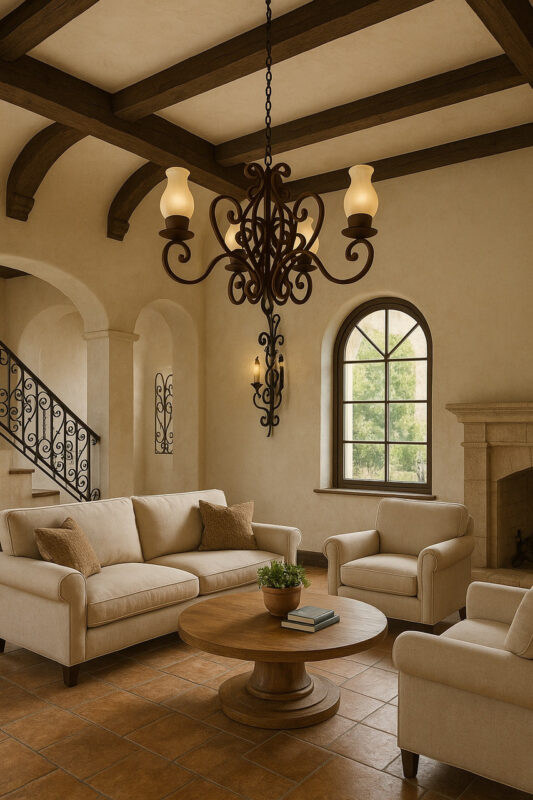
In the living room, iron often appears in lighting fixtures first. Chandeliers with curved arms or lantern-style pendants hang from the ceiling and act as sculptural focal points.
Their handcrafted appearance reinforces the traditional style.
Smaller accents can appear throughout the room as well. Iron curtain rods, decorative wall grilles, or table bases subtly repeat the material without overwhelming the space.
When paired with terracotta floors and wood furniture, wrought iron brings depth to the overall design.
The darker finish anchors the room and prevents the palette from appearing too soft.
Spanish interiors often celebrate materials that age gracefully. Wrought iron fits perfectly into that philosophy because it develops character over time.
4. Arched Doorways and Windows
Arches are one of the most elegant architectural features in Spanish-style homes. Instead of sharp rectangular openings, curved doorways and windows soften the structure of the room.
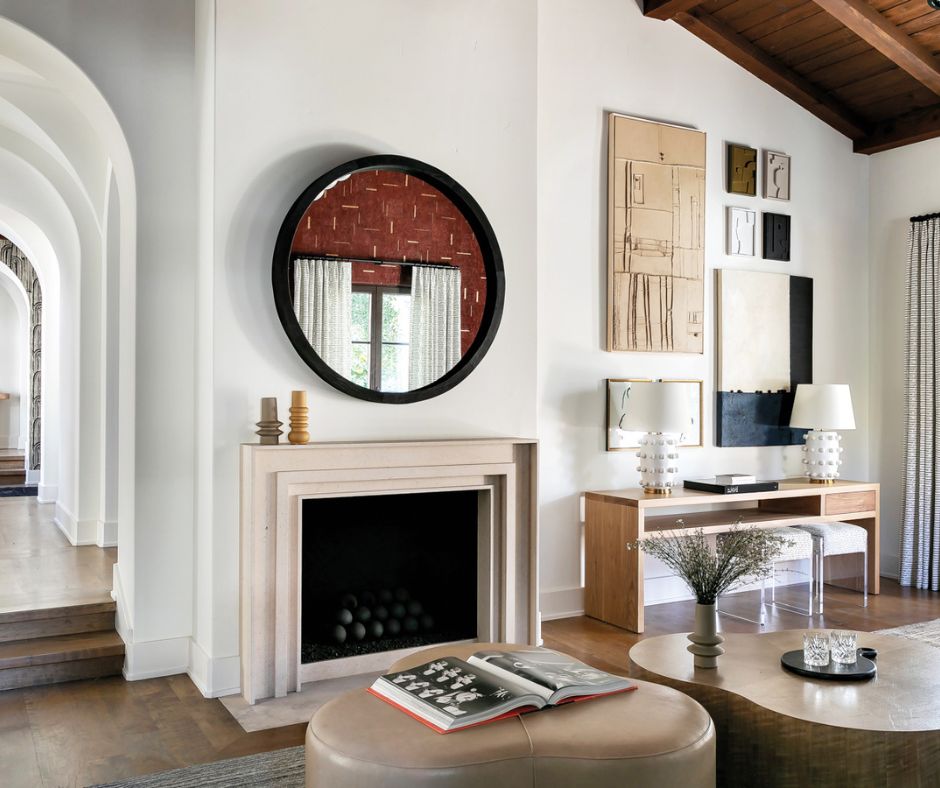
These arches help guide movement through the house while adding visual drama. Even a single arched doorway between the living room and hallway can instantly shift the atmosphere toward a Spanish-inspired design.
Large arched windows also bring generous natural light into the room. Sunlight moving across textured plaster walls highlights the subtle variations in the surface, which adds depth to the space.
Furniture placement often works around these architectural features. Sofas and chairs may face the arch to emphasize the shape and allow clear views through the opening.
Curtains or iron window grilles can frame the arch without hiding its distinctive curve.
5. Warm Earth-Tone Color Palette
Color plays a major role in Spanish-style living rooms. Instead of cool or muted palettes, the design often relies on rich earth tones that reflect the surrounding landscape.
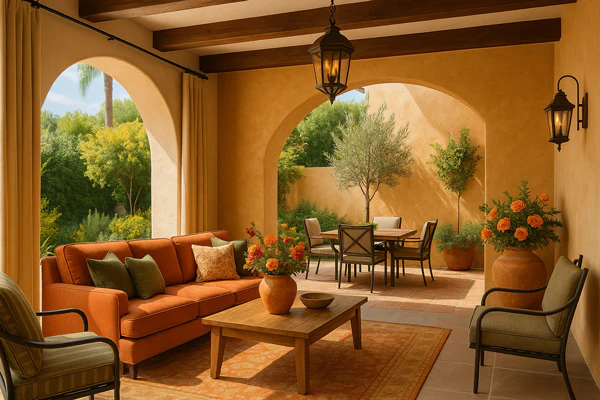
Walls frequently appear in shades such as sandy beige, warm cream, soft clay, or muted gold. These colors create a sun-washed look.
Accent colors often draw inspiration from Mediterranean environments. Deep reds, burnt orange, olive green, and navy appear through textiles, ceramics, or decorative pillows.
Wood furniture and leather seating complement these tones. The natural materials blend into the palette rather than competing with it.
Textured walls also enhance the color scheme. Stucco or plaster finishes catch light differently throughout the day, which prevents the walls from appearing flat.
6. Spanish Tile Fireplace Surround
A fireplace finished with decorative Spanish tiles instantly becomes the centerpiece of the living room.
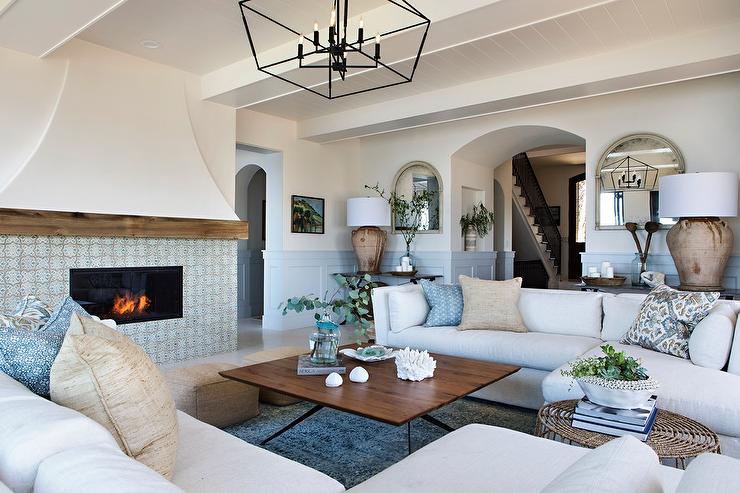
In many traditional homes, the fireplace is not just a source of warmth but also a place where craftsmanship shines.
Hand-painted tiles arranged around the hearth introduce pattern and color in a way that is authentic to Spanish design.
The tiles often feature geometric shapes, floral motifs, or classic Mediterranean patterns.
Deep blues, terracotta reds, golden yellows, and earthy greens appear frequently. These colors work well against neutral plaster walls and wooden ceiling beams.
The surrounding furniture should allow the fireplace to stand out. A leather sofa placed opposite the hearth helps frame the feature without competing with it.
Wooden coffee tables or carved side tables keep the room grounded in natural materials.
Lighting also helps highlight the tiled surface. Soft wall sconces or iron lanterns placed nearby allow the patterns to catch light during the evening.
7. Leather and Carved Wood Furniture
Furniture in Spanish-style living rooms often highlights craftsmanship. Solid wood pieces with carved details reflect traditional artisan work that has been part of Mediterranean homes for centuries.
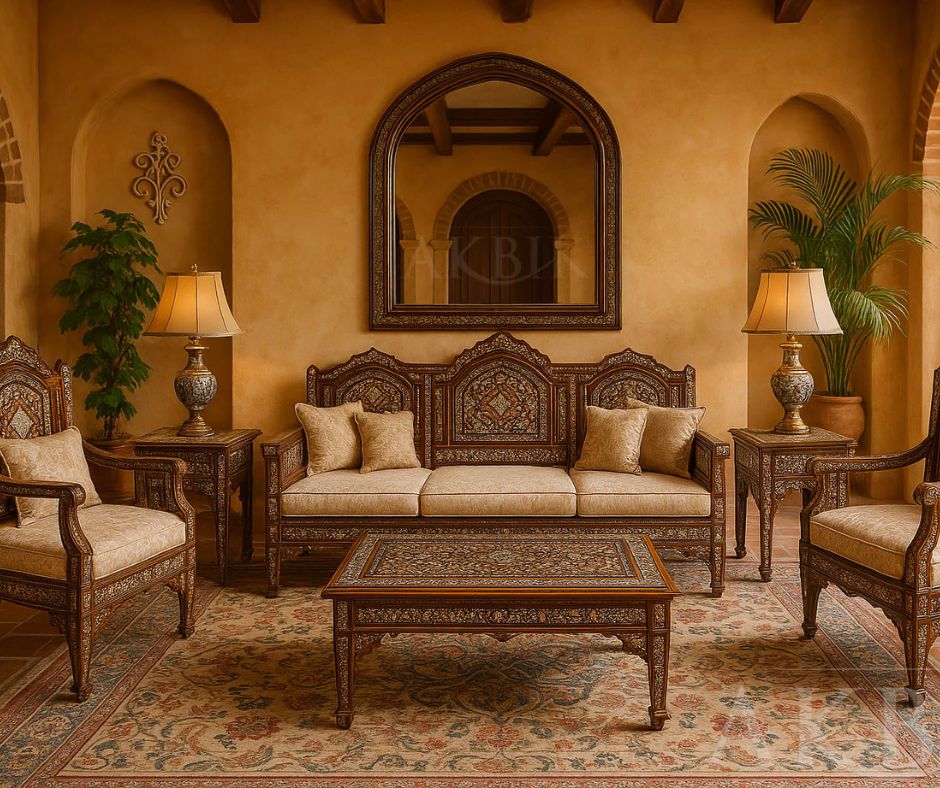
Coffee tables, sideboards, and armchairs often feature decorative carvings along the edges or legs.
These details add depth and texture to the room without needing excessive decoration elsewhere.
Dark wood finishes such as walnut or mahogany complement the earthy palette commonly found in Spanish interiors.
Leather seating fits naturally into this environment. The rich tones of brown or chestnut leather pair with the heavier wood furniture.
Over time, leather develops a patina that adds even more character to the room.
The goal is to create a space that is newly decorated. Each piece of furniture appears sturdy and timeless.
Textiles help soften the look. Woven pillows or patterned throws placed on the leather seating introduce color.
For anyone exploring Spanish style living room ideas, carved wood furniture combined with leather seating captures the traditional hacienda atmosphere.
8. Patterned Spanish Floor Tiles
Patterned floor tiles bring energy and artistry into a Spanish-style living room. Unlike plain flooring, these tiles feature repeating motifs that give the entire space visual movement.
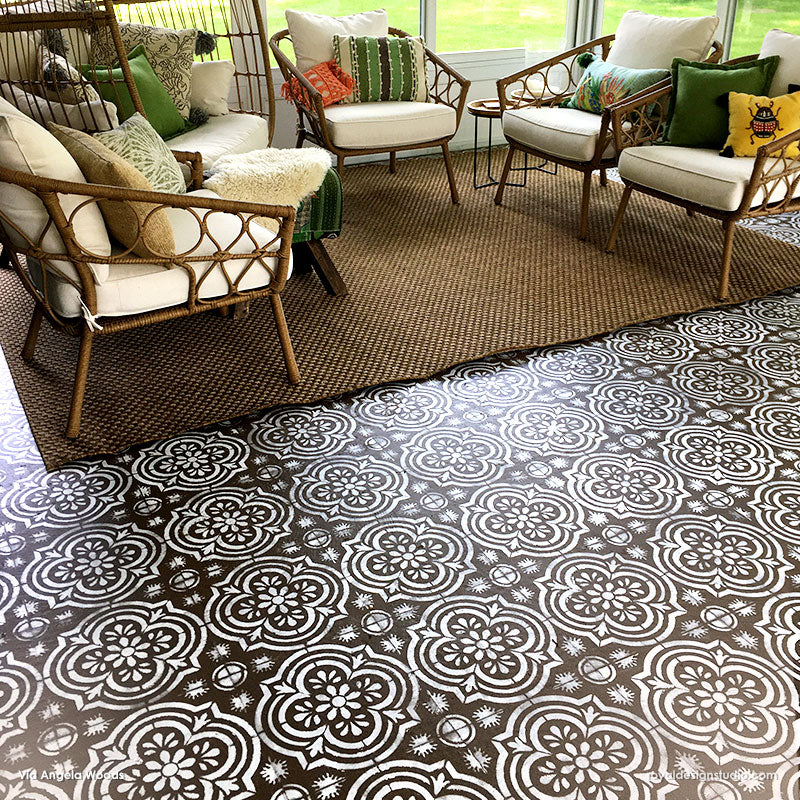
Traditional Spanish tiles often use geometric shapes arranged in intricate patterns. Blues, terracotta tones, cream, and deep charcoal frequently appear in these designs.
The combination produces a floor that looks almost like a large piece of artwork.
Because the flooring already contains strong patterns, the rest of the room often stays balanced.
Neutral walls, wooden furniture, and leather seating help keep the space cohesive.
Patterned tiles also connect incredibly with other Mediterranean elements. Wrought iron accents, clay pottery, and woven textiles all complement the colors found in the floor.
These tiles are not only decorative but durable as well. Many Spanish homes rely on them because they withstand heavy use and warm climates.
Patterned tiles add personality and tradition while serving as a strong foundation for the entire room.
9. Textured Stucco Walls
Smooth drywall rarely appears in traditional Spanish interiors. Instead, textured stucco or plaster walls provide subtle variation that gives the room depth.
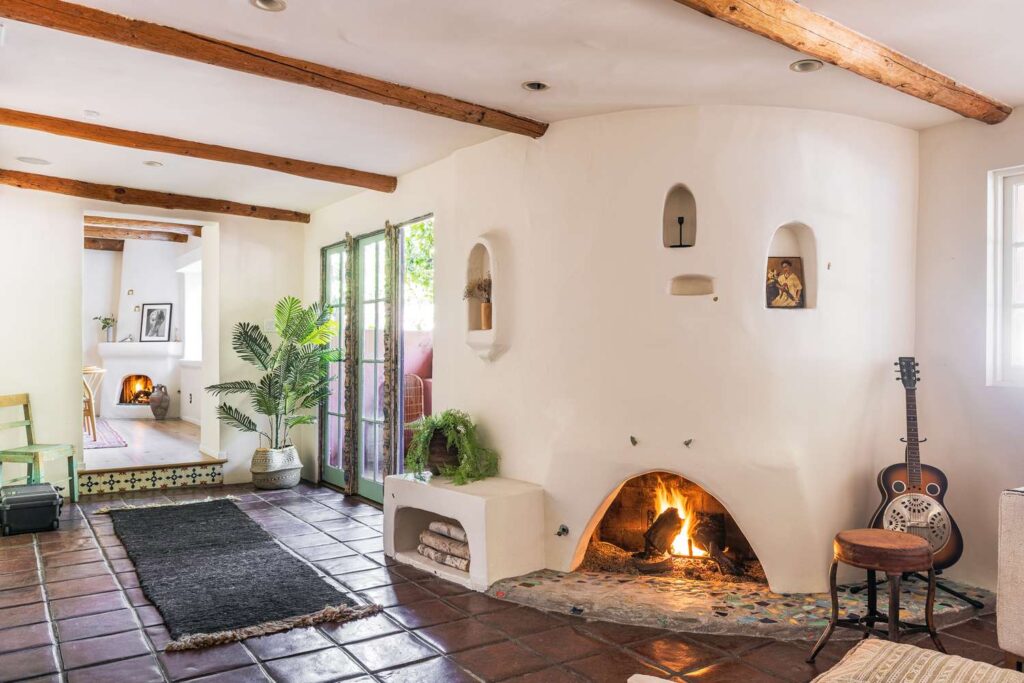
These walls often feature a hand-applied finish that produces gentle waves or uneven surfaces.
When sunlight enters the room, the texture becomes visible through soft shadows. This effect adds visual richness even when the walls remain neutral in color.
Warm tones work best with stucco finishes. Cream, sand, soft clay, and pale gold reflect sunlight.
Decor placed against these walls should remain balanced. Framed artwork, iron sconces, or wooden mirrors stand out nicely against the textured surface.
The beauty of stucco lies in its simplicity. The walls do not require heavy decoration because the material itself already provides character.
For homeowners exploring Spanish style living room ideas, textured plaster walls introduce an authentic architectural element that transforms the room’s overall appearance.
10. Colorful Spanish Pottery Decor
Spanish pottery brings vibrant color and craftsmanship into the living room. Decorative ceramics have been part of Spanish homes for generations, often displayed proudly on shelves.
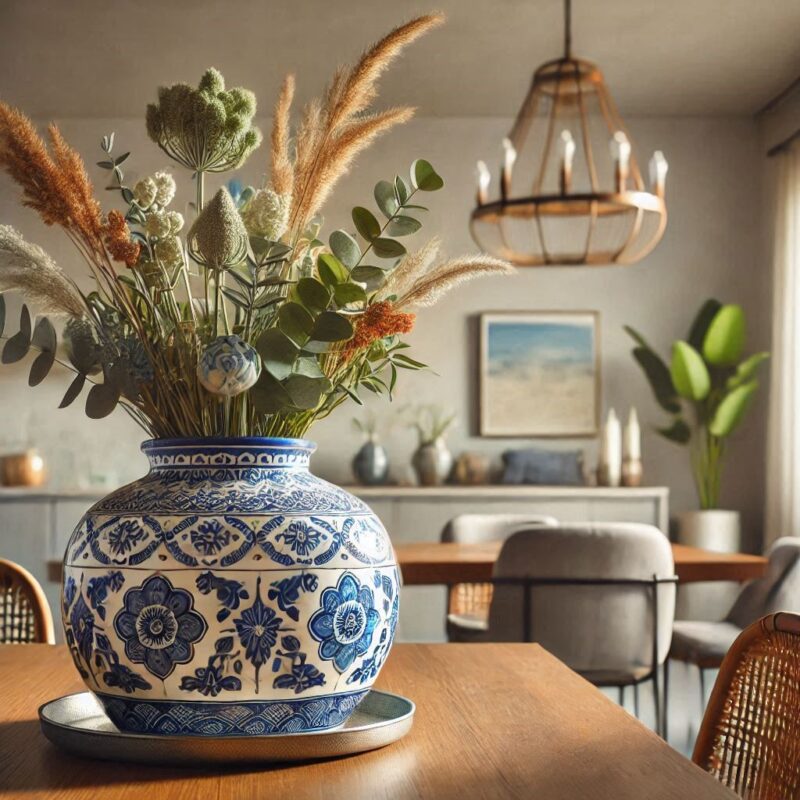
Large ceramic vases placed near fireplaces or windows can become statement pieces. Smaller bowls and pitchers often appear on coffee tables or built-in shelves.
These items frequently feature hand-painted patterns that echo traditional Spanish tile designs.
Talavera pottery is especially popular. Known for its bold blue, yellow, and green patterns, it adds lively detail against neutral walls or wooden furniture.
The beauty of pottery lies in its handmade character. Each piece often shows slight variations in shape, which gives the room a collected look.
These ceramics also pair well with other Spanish design elements. Terracotta floors, carved wood furniture, and woven textiles all complement the colorful glazes.
Among Spanish style living room ideas, pottery décor is an easy way to introduce cultural tradition without making major architectural changes.
11. Large Woven Area Rugs
Woven rugs help soften the harder surfaces often found in Spanish-style homes. Terracotta tiles, stone floors, and wood surfaces benefit from the added warmth of textiles.
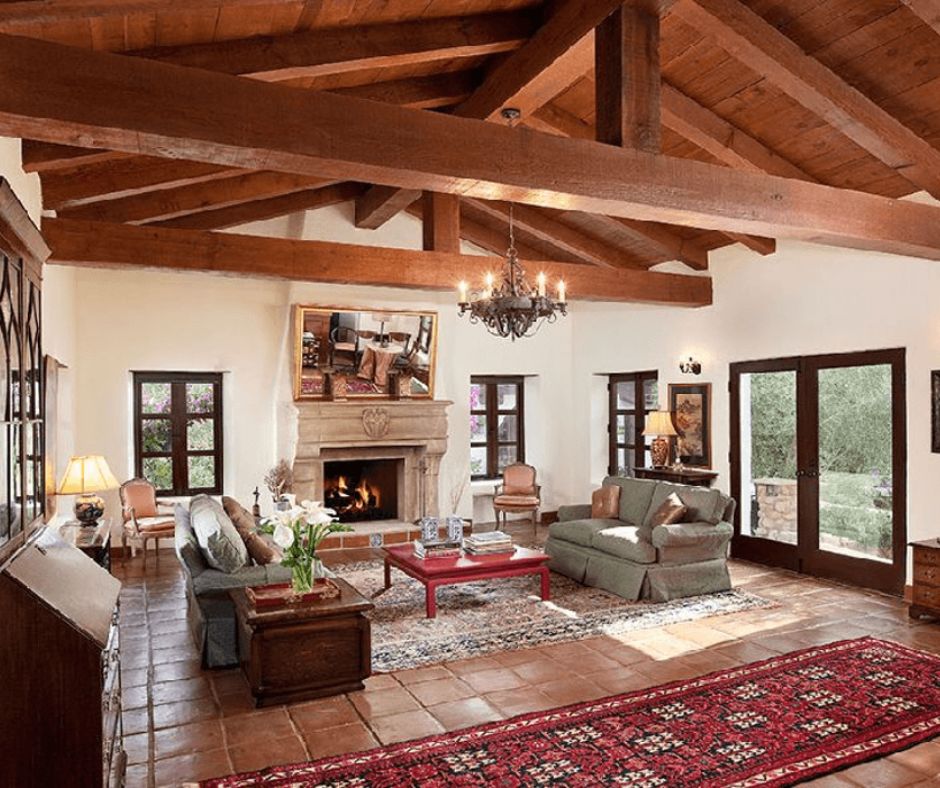
Large area rugs placed beneath the seating area help define the living room layout. These rugs usually feature bold patterns inspired by Spanish.
Deep reds, warm oranges, navy blue, and golden accents often appear within the designs. These colors echo the natural palette seen throughout Spanish architecture.
The texture of woven rugs also adds comfort underfoot. In homes with tiled floors, this extra softness makes the seating area awesome.
Furniture placement should center around the rug. Sofas and chairs arranged along its edges help frame the conversation space.
Among Spanish style living room ideas, woven rugs provide color, pattern, and comfort while tying together the different materials used throughout the room.
12. Indoor Olive Trees and Mediterranean Plants
Plants play an important role in Spanish-inspired interiors. Mediterranean greenery introduces life and connects indoor spaces with the surrounding landscape.
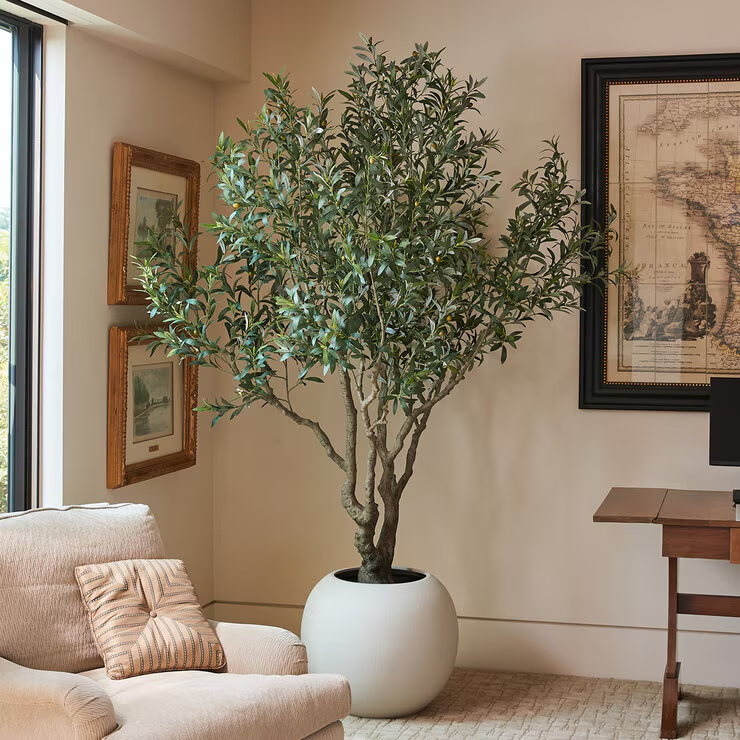
Olive trees are especially popular. Their silvery-green leaves add elegance and work well with terracotta pots.
Placing one near a sunny window instantly gives the room a Mediterranean atmosphere.
Other plants often appear alongside olive trees. Fiddle leaf figs, palms, or simple trailing vines bring softness to rooms that feature many hard materials such as tile and wood.
The containers also matter. Clay or terracotta pots reinforce the Spanish design style and blend naturally with warm earth tones found throughout the room.
Plants can be placed in corners, beside sofas, or near large windows where sunlight highlights their shapes.
When exploring Spanish style living room ideas, Mediterranean plants help complete the space by introducing natural beauty.
13. Spanish Colonial Lantern Lighting
Lantern-style lighting fixtures are a signature feature in Spanish Colonial interiors.
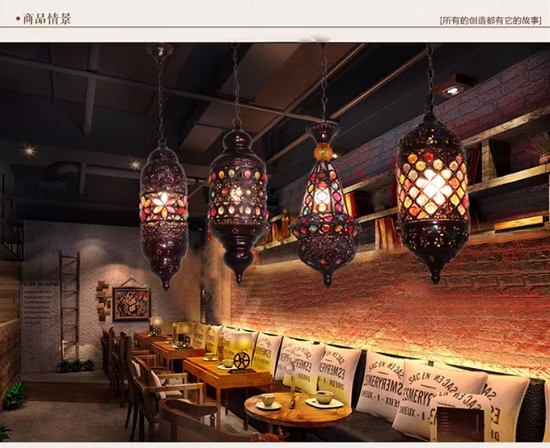
These fixtures combine wrought iron frames with glass panels, producing a warm glow throughout the living room.
Large lantern chandeliers often hang from the center of the ceiling. Their geometric shapes and metal frames add architectural interest even during the daytime.
At night, the light shining through the glass creates soft reflections across nearby surfaces.
Smaller lantern sconces can also appear on the walls. These lights provide additional illumination and reinforce the overall design theme.
The dark iron finish works with wooden beams, terracotta floors, and neutral plaster walls. These materials produce a layered Mediterranean atmosphere.
Lighting in Spanish interiors is rarely overly modern. Instead, it leans toward traditional forms that highlight craftsmanship.
Among Spanish style living room ideas, lantern lighting stands out as decorative, bringing warmth and historic character into the space.
Wrap Up
A Spanish-inspired living room creates a space that feels full of personality. The style allows you to mix rustic charm with comfort in a way that looks natural.
With thoughtful details and a warm atmosphere, your living room can become a place that is timeless.