15 Creative Dining Room Living Room Combo Ideas

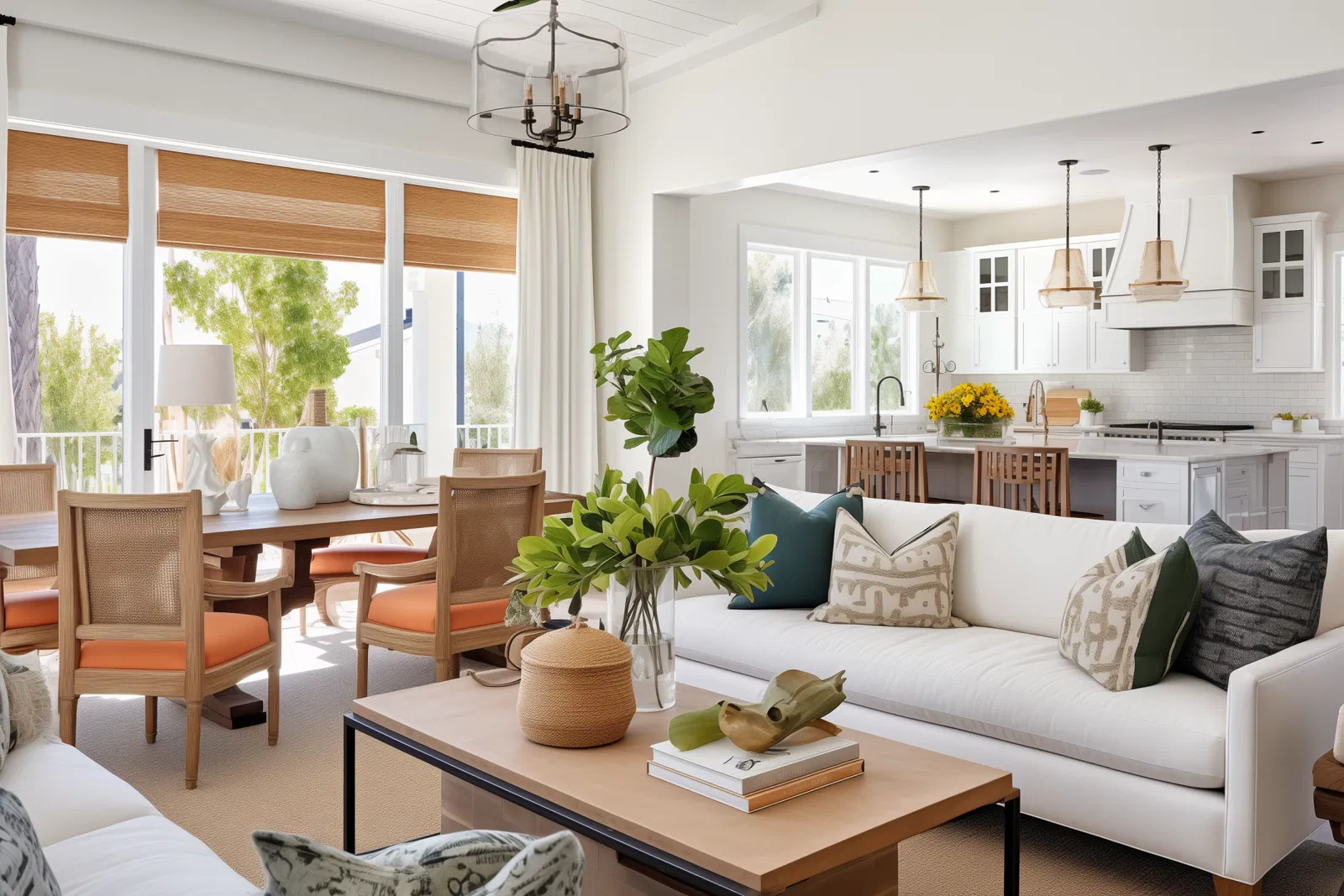
Most you will agree with me that open layouts can look simple until you try arranging them.
A dining room and living room in the same space sounds practical, yet getting the layout right takes a bit of thought.
It’s easy to end up with a space that looks scattered or hard to use. Once you start experimenting with placement, lighting, and furniture scale, things begin to click.
Today I will share creative dining room living room ideas to help you shape a space that looks organized to live in.
Open Layout Dining Room Living Room Combo Ideas
Here are the living room dining room layouts:
Try an L-Shaped Sectional Sofa
An L-shaped sectional can quietly solve layout challenges in a combo space. It creates a clear boundary between lounging and dining without adding physical dividers.
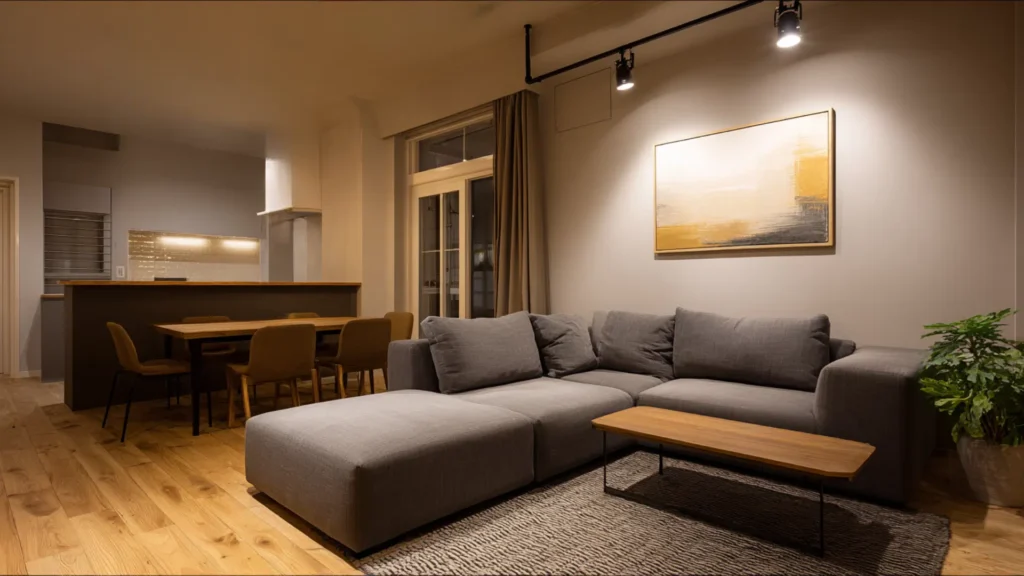
The shape itself does most of the zoning work, which keeps the room open and easy to move through.
Place the longer side facing your main focal point, such as a TV or window. The shorter side can act as a soft divider, gently separating the dining table nearby.
This setup gives each area a purpose while still allowing them to connect visually.
Fabric choice can tie the entire space together. If your dining chairs have warm wood tones, consider a sectional in a complementary neutral. This keeps the room consistent without forcing everything to match.
A rug under the sofa helps anchor the seating area and reinforces the layout. Leave enough space between the sectional and dining table so chairs can slide in and out comfortably.
Avoid this: A bulky sectional in a tight room can overwhelm the layout and limit movement.
Create Distinct Zones
A shared room starts to make sense the moment clear zones are established. Instead of letting everything blend together, you guide the eye through intentional placement.
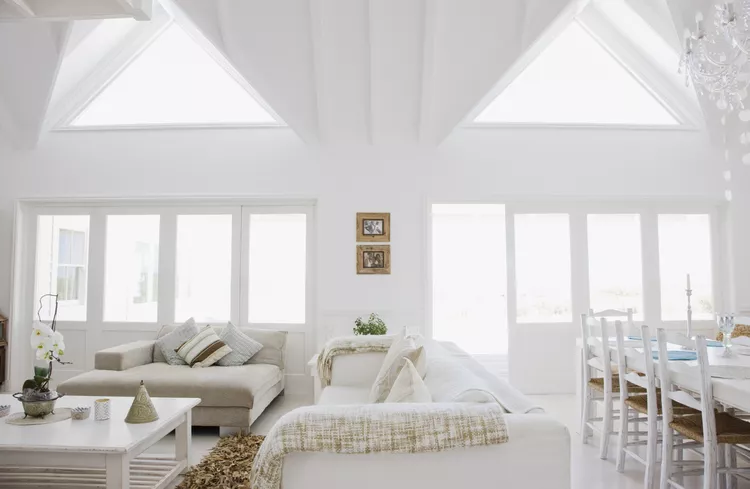
Start with the dining area. Position the table where it naturally fits, then anchor it with a pendant light or rug.
This instantly signals its purpose. From there, arrange the living space around a central point like a coffee table or media unit.
Rugs can help separate the two areas without breaking the visual flow. Even a subtle difference in texture or pattern can define where one space ends and the other begins.
Color can also play a role. Repeating a few tones across both areas creates continuity, even as the functions differ.
Furniture placement should always allow easy movement between zones.
Avoid this: Letting furniture float without direction can make the entire room feel disorganized.
Create a Balanced Space
Balance is what keeps a combo room from feeling awkward or one-sided. When one area feels heavier than the other, the entire layout can seem off.
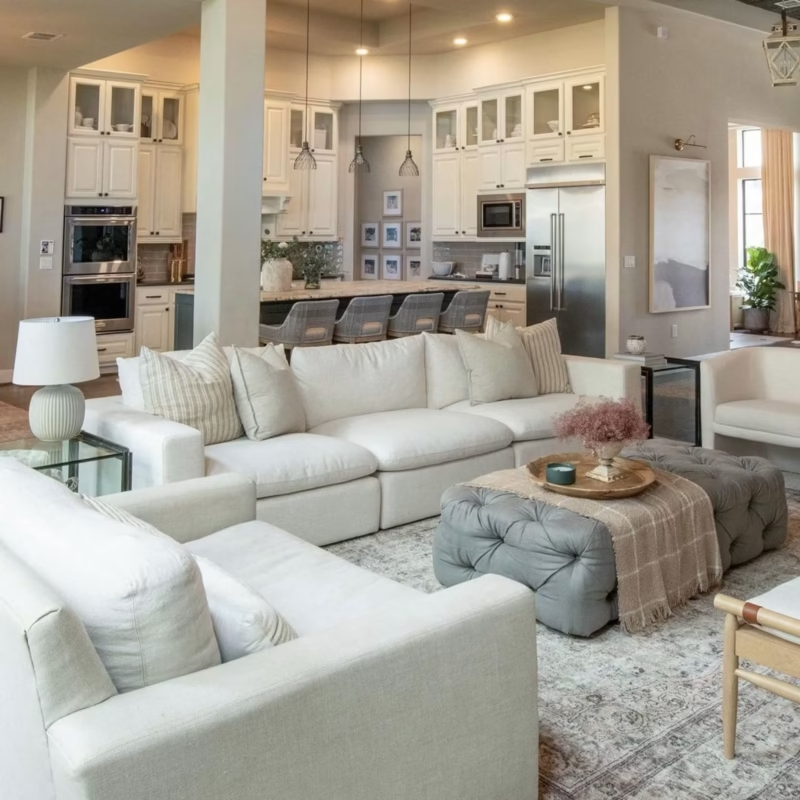
Start by considering scale. A large dining table should be paired with seating that holds its own presence. If the sofa is too small in comparison, the room can lose harmony.
Distribute visual weight across the space. If one side has darker tones or heavier furniture, introduce something of similar presence on the opposite side. This keeps the eye moving evenly.
Decor also helps bridge the gap. Artwork, lighting, or accent pieces can connect the two areas so they don’t look separate rooms forced together.
Avoid this: Concentrating all large furniture in one section can throw off the room’s visual balance.
Create Built-In Bench Seating
Built-in bench seating can change how a dining area functions within a shared room. It frees up space, making the layout less crowded.
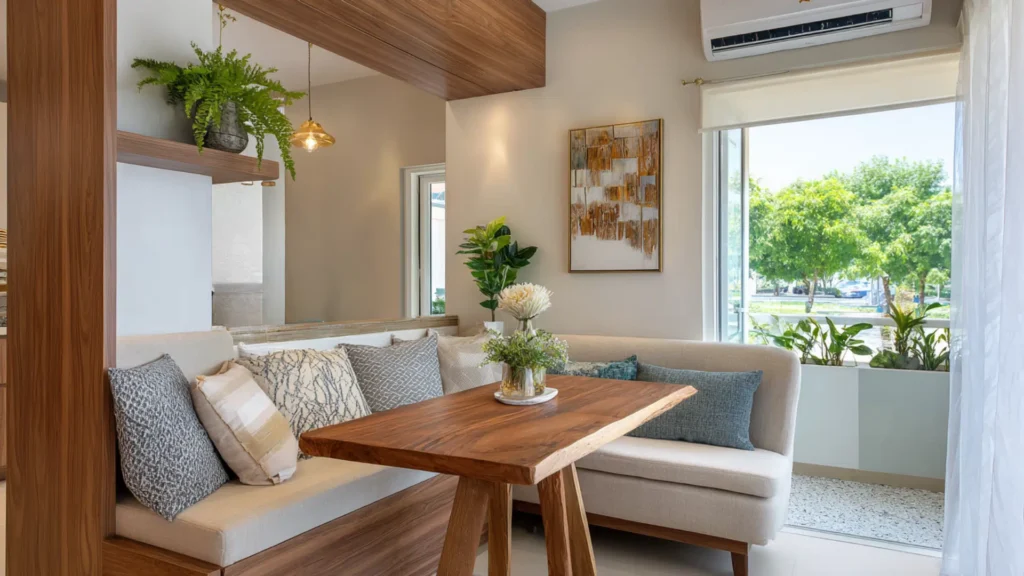
Placing the bench along a wall keeps the dining setup compact. This works particularly well in smaller homes where every bit of space matters. It also allows you to add a few movable chairs on the opposite side for flexibility.
The design can be simple or detailed depending on your style. Upholstered cushions add comfort, while a wooden finish keeps things clean and structured.
Storage underneath the bench is an added bonus, giving you a place to tuck away items.
This setup naturally blends into the room, allowing the living area to remain uncluttered. It also creates a casual, welcoming spot for everyday meals.
Avoid this: A poorly measured bench can make seating uncomfortable hence disrupting the dining experience.
Define Space with Lighting
Lighting can shape a room in ways furniture alone cannot. In a combined space, it becomes one of the most effective tools for creating distinction.
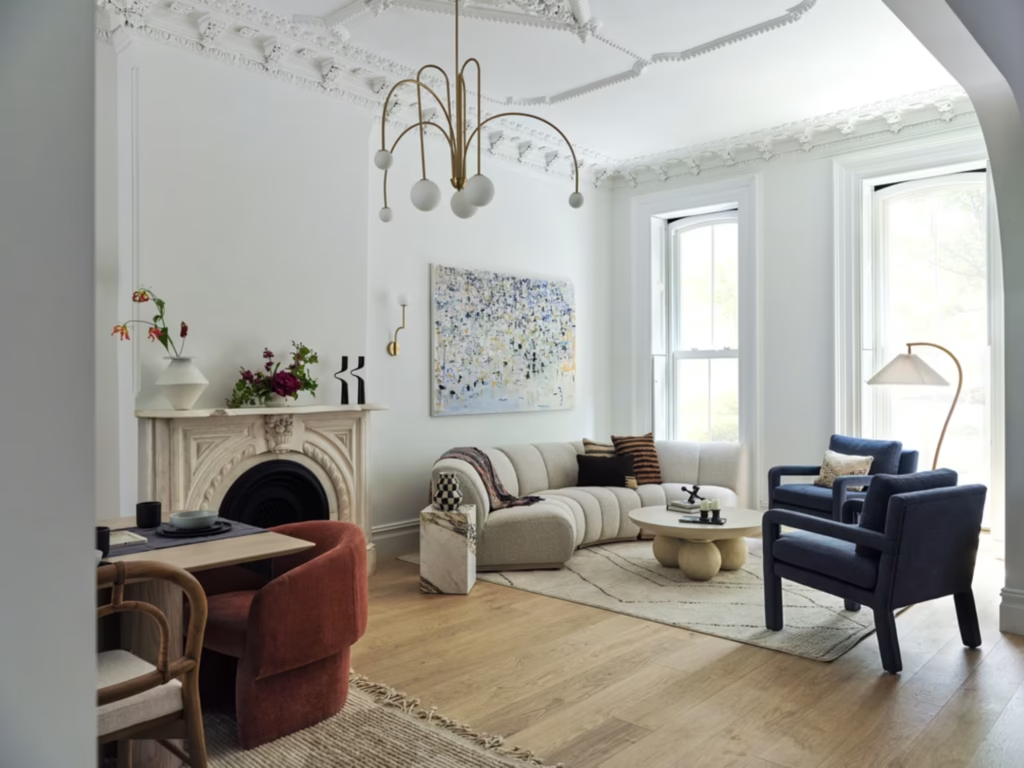
Hang a pendant or chandelier above the dining table to anchor that area. This draws attention and gives it a clear identity.
In the living section, use floor lamps or table lamps to create a softer, more relaxed atmosphere.
Layering different light sources helps each zone serve its purpose. Bright, focused lighting works for dining, while warmer, diffused lighting suits the seating area.
Placement matters just as much as style. Lights should highlight each area without competing for attention.
When done right, the entire room becomes cohesive even with separate functions.
Avoid this: Relying on a single overhead light can flatten the space and blur the purpose of each area.
Try an Round/Oval Table
Sharp corners can interrupt flow, especially in a shared layout, so an oval table brings a smoother direction right away.
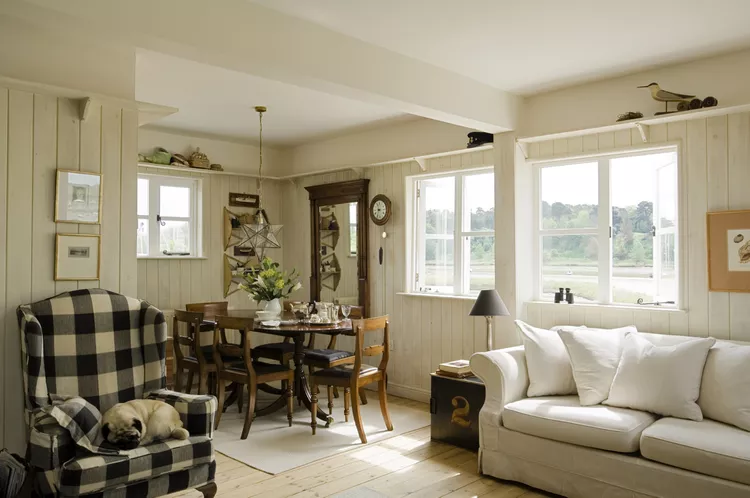
The curved edges guide movement naturally, which makes a difference when the dining area sits close to the living zone.
An oval shape also allows you to fit more people without crowding the space. Chairs can slide around the table with ease, and there’s no need to navigate tight corners.
This becomes useful in homes where the dining area sits right along a walkway.
Material choice can shift the tone of the room. A wooden oval table adds warmth, while a marble or glass version introduces a cleaner, more polished look.
Pair it with chairs that don’t visually block the space, so the table remains the focal point.
Lighting above the table should follow the same shape. A linear or slightly curved fixture keeps everything visually aligned.
Avoid this: A table that’s too large for the room can interrupt movement and make the layout hard to navigate.
Harmonize Color Schemes
Color can quietly connect a dining and living area when used with intention. Rather than treating each section as separate, you can repeat a few tones across furniture, textiles, and décor to create a unified look.
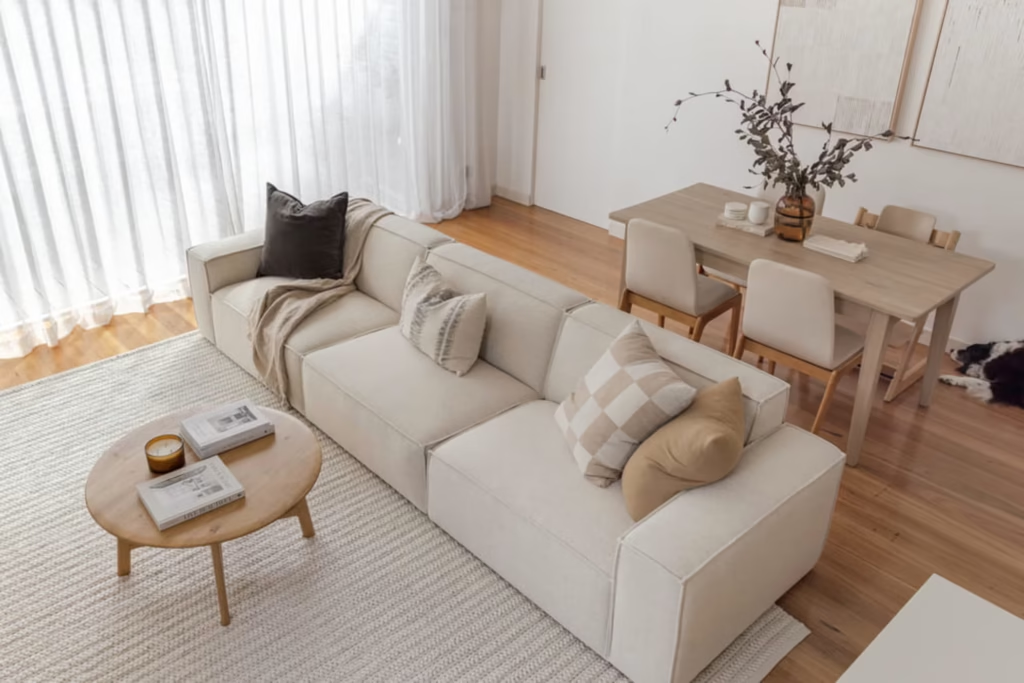
Start with a base palette. Neutral shades like beige, soft gray, or warm white can carry across both zones.
From there, introduce one or two accent colors through cushions, artwork, or dining chairs.
Consistency matters more than variety here. When colors echo across the room, the transition between dining and living becomes seamless.
You might notice how a cushion on the sofa reflects a tone found in the dining area, creating a subtle link.
Textures can add variation even when the color palette stays consistent. This keeps the room interesting without relying on too many shades.
Avoid this: Mixing unrelated color schemes can make the room look visually confusing.
Define Your Space with Rugs
Rugs can quietly map out each zone in a shared room. They give structure to open layouts by anchoring furniture in place and creating clear boundaries.
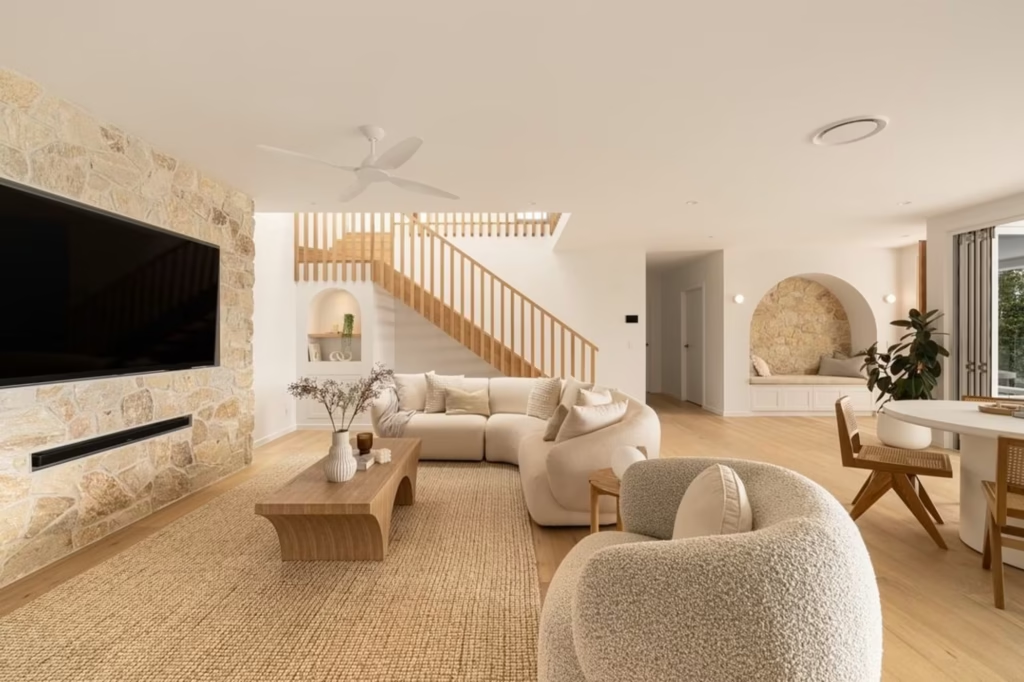
Place a rug under the dining table that extends beyond the chairs. This ensures chairs remain on the rug even when pulled out.
In the living area, a separate rug can define the seating arrangement, holding the sofa and coffee table together visually.
The two rugs don’t need to match exactly, though they should relate in some way. Similar tones or complementary patterns can help tie the room together.
Spacing between rugs is just as important. Leaving a small gap keeps the zones distinct without breaking the overall flow of the room.
Rugs also introduce texture, which adds another layer to the design without requiring extra furniture.
Avoid this: Choosing rugs that are too small can make each area look poorly planned.
Choose Armless Dining Chairs
Bulky dining chairs can take up more space than expected, especially in a combo layout. Armless designs offer a cleaner profile, which helps maintain an uncluttered look.
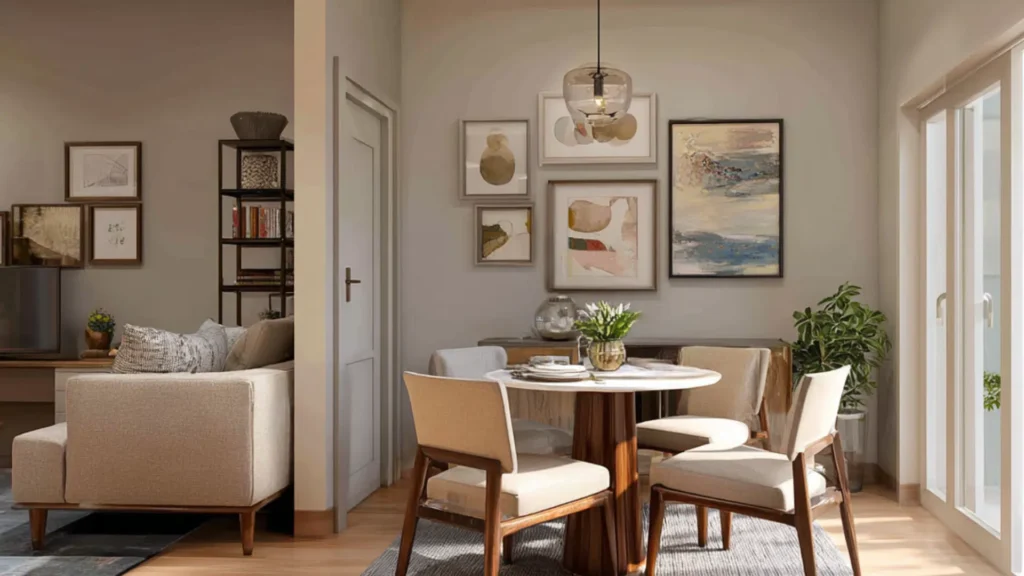
These chairs slide neatly under the table, freeing up walking space when not in use. This small detail makes a noticeable difference in tighter layouts where movement matters.
Design options vary widely. Upholstered versions add comfort, while wooden or metal frames keep things light visually.
The goal is to select chairs that complement the overall style without dominating the dining area.
Armless chairs also help maintain sightlines across the room. You can see through the dining area into the living space, which keeps everything connected.
This choice supports flexibility as well. Chairs can be moved easily when extra seating is needed in the living area.
Avoid this: Oversized or heavily padded chairs can crowd the dining area and disrupt the flow of the room.
Use Sofa as a Natural Divider
A sofa can do more than provide seating; it can shape the entire layout of a combo space.
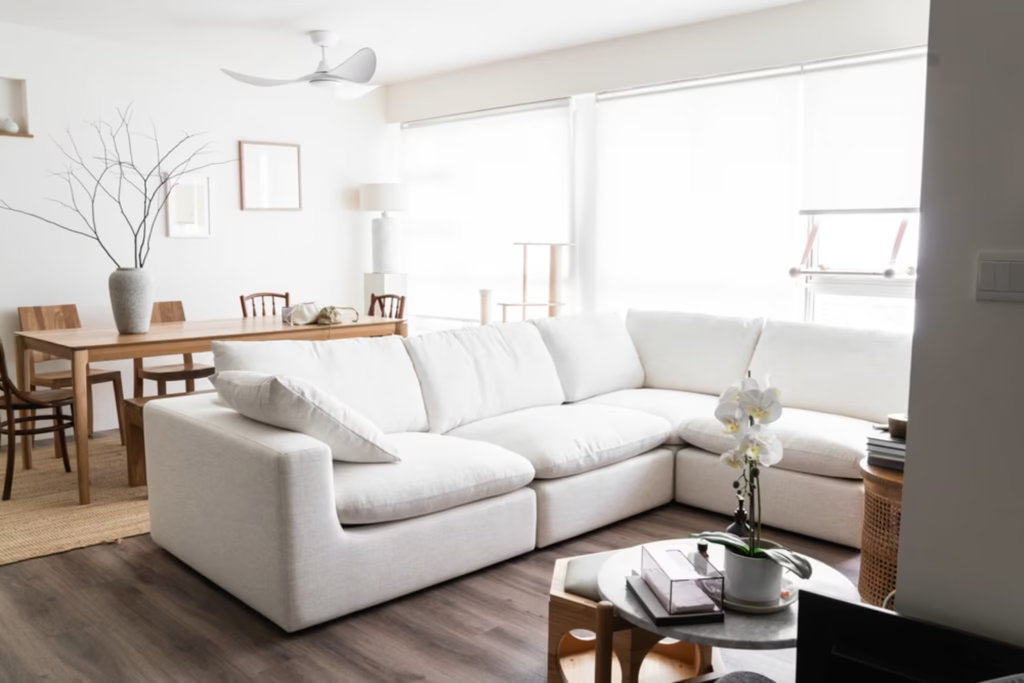
Placing it strategically allows you to divide the living and dining areas without adding walls or partitions.
Position the back of the sofa facing the dining table. This creates a clear visual boundary while keeping both areas open. It also helps direct attention toward the living space’s focal point.
The size of the sofa should match the scale of the room. A well-proportioned piece defines the area clearly without overwhelming it.
Adding a console table behind the sofa can enhance this division while providing extra surface space.
This arrangement encourages a natural flow from one zone to the other. You can move between spaces easily, yet each area still holds its own purpose.
Avoid this: Placing the sofa too close to the dining table can limit movement as well as make the layout feel cramped.
Push the Boundaries
Step beyond the obvious layout and rethink how each area can function. A combined dining and living space does not need to follow traditional placement rules.
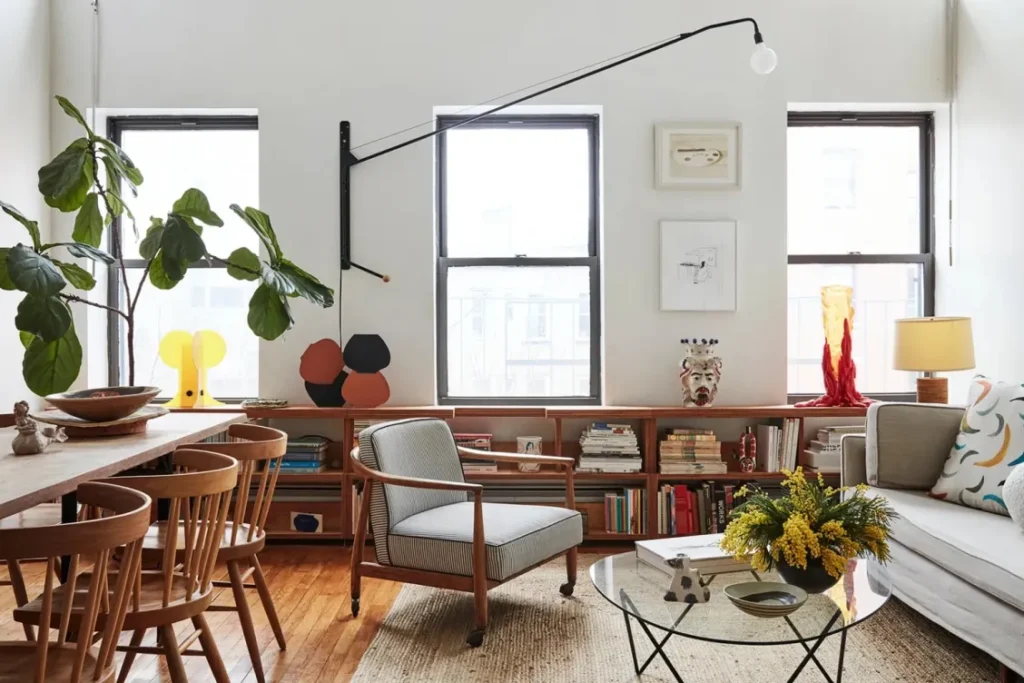
Moving furniture closer to walls or pulling pieces outward can reshape how the room operates.
Start by testing different arrangements. Shift the sofa slightly off-center or angle the dining table to open up new pathways.
Small adjustments often reveal better flow than expected. This approach helps you discover a layout that suits your daily routine rather than forcing the room into a rigid plan.
Shelving, artwork, or lighting placed strategically can stretch the visual edges of the room. This makes the space appear larger and more intentional.
You might notice how freeing up the center creates a more relaxed layout. It allows movement to happen naturally across the room.
Avoid this: Sticking too closely to standard layouts can limit how the space adapts to your needs.
Aim for a Corner
Corners often go unused, yet they can become valuable zones in a shared space. Placing the dining table in a corner opens up the rest of the room for the living area.
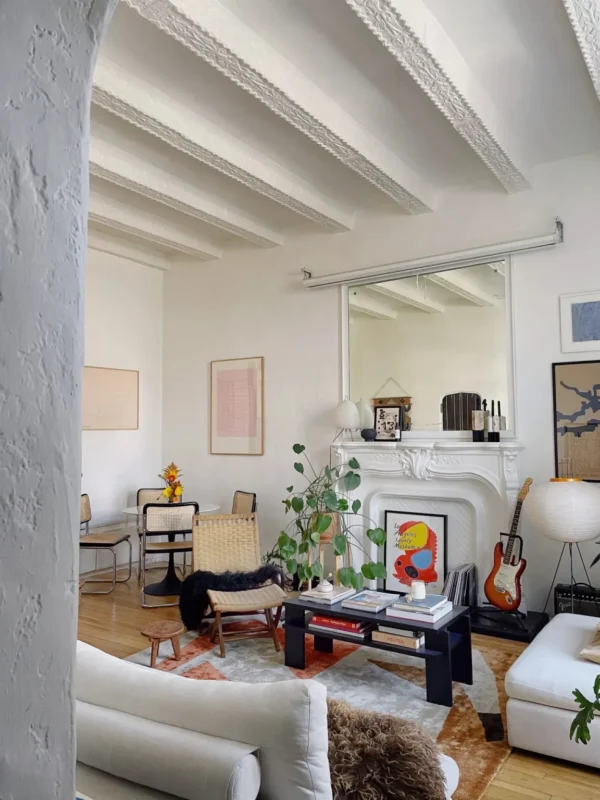
A corner setup also brings a sense of structure. The walls naturally frame the dining area, giving it a defined place within the room. This can make the layout easier to navigate.
Lighting becomes important in this setup. A pendant or wall-mounted fixture can highlight the dining corner, ensuring it doesn’t get lost in the overall design.
Furniture choice should match the scale of the space. A compact table with streamlined chairs keeps the corner functional without crowding it.
Avoid this: Ignoring lighting in the corner can leave the dining area looking dim and disconnected.
Place Dining Table Behind the Sofa
A dining table placed behind the sofa can create a clean division between two zones. This arrangement uses existing furniture to define space.
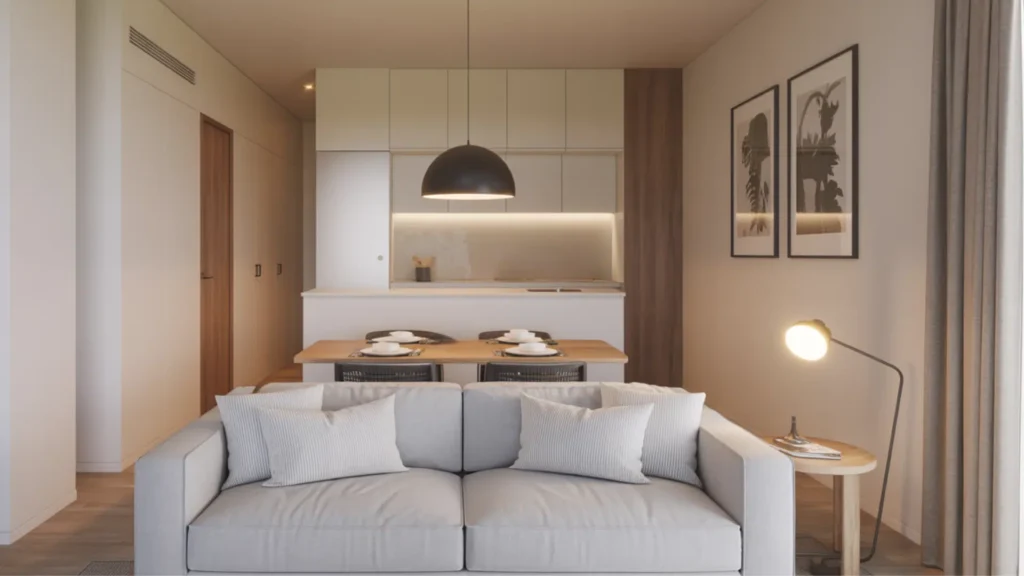
The back of the sofa acts as a visual boundary. It separates the seating area from the dining setup while keeping everything connected.
This works particularly well in rectangular rooms where space runs lengthwise.
Spacing is important here. Leave enough room between the sofa and table for chairs to move comfortably. It ensures the dining area remains practical for daily use.
You can also add a console table behind the sofa to strengthen the transition. It provides a buffer that enhances the separation.
Avoid this: Placing the table too close to the sofa can make the dining area difficult to use.
Mount the TV on a Swivel Arm
A swivel-mounted TV introduces flexibility into a shared living and dining space. It allows you to adjust the screen depending on where you are sitting to makes the room versatile.
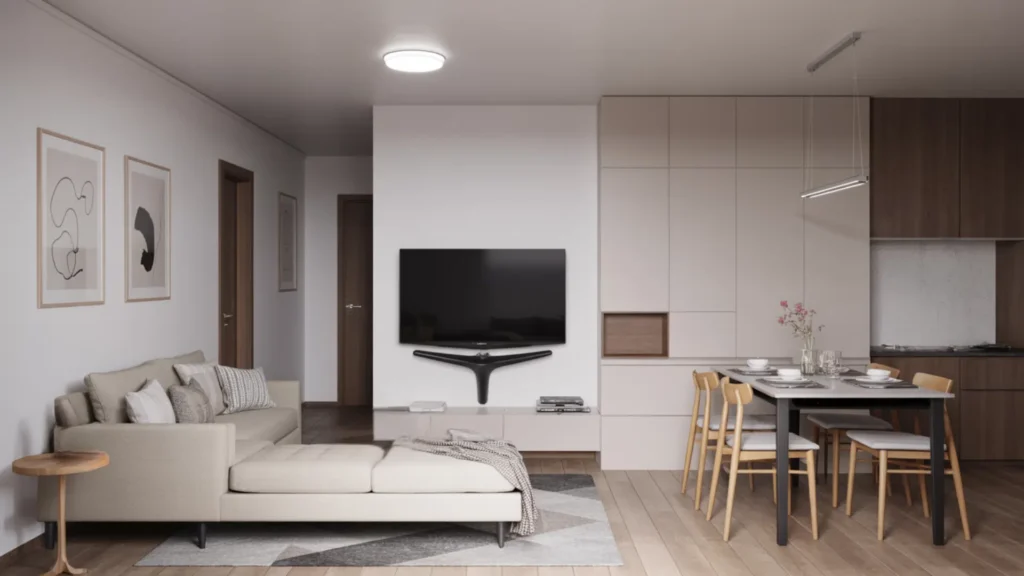
This setup is best when the layout doesn’t allow for a fixed viewing direction. You can turn the TV toward the living area during relaxation time, then angle it slightly for visibility from the dining table if needed.
Wall placement should be carefully chosen. Mounting the TV at the right height assure comfortable viewing from different angles.
This approach also frees up floor space. Removing the need for a large media unit keeps the room lighter and more open.
Avoid this: Mounting the TV too high can strain viewing angles and reduce comfort.
Create an Open Shelving Divider
Open shelving can act as a soft divider between dining and living areas. It separates the two zones while still allowing light and visibility to pass through.
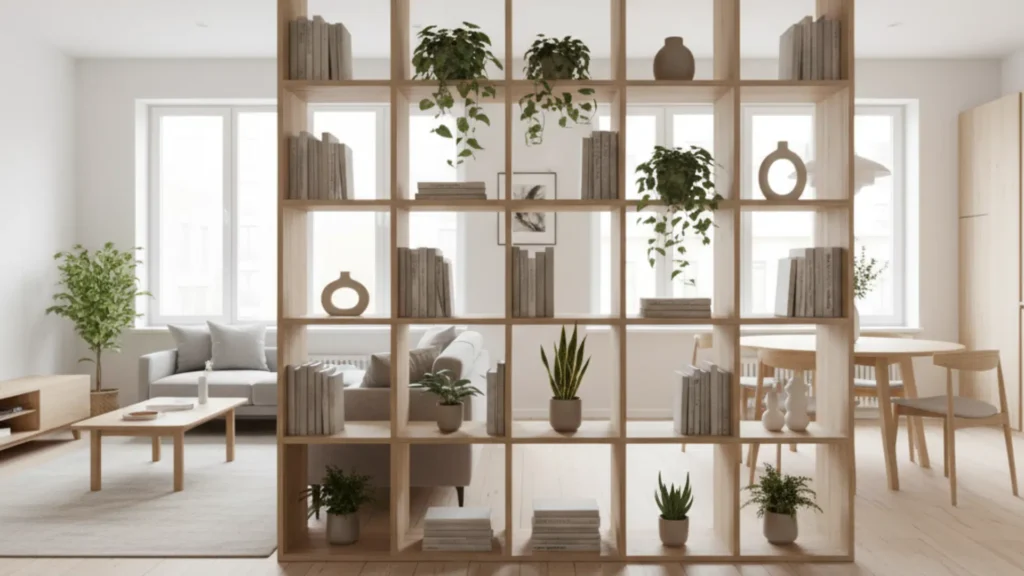
This type of divider adds storage without closing off the room. You can display books, décor, or plants, giving the space personality while maintaining function.
Placement is of utmost importance. Position the shelving unit where it can define the boundary without blocking movement.
A mid-height unit often works best, as it creates separation without overwhelming the space.
The design should stay consistent with the rest of the room. Materials and colors that match existing furniture help maintain a cohesive look.
Avoid this: Overloading the shelves can make the divider look cluttered and heavy.
Position Dining Table Near the Kitchen
Placing the dining table closer to the kitchen creates a natural flow for daily use. It shortens the distance between cooking and serving, making the space practical.
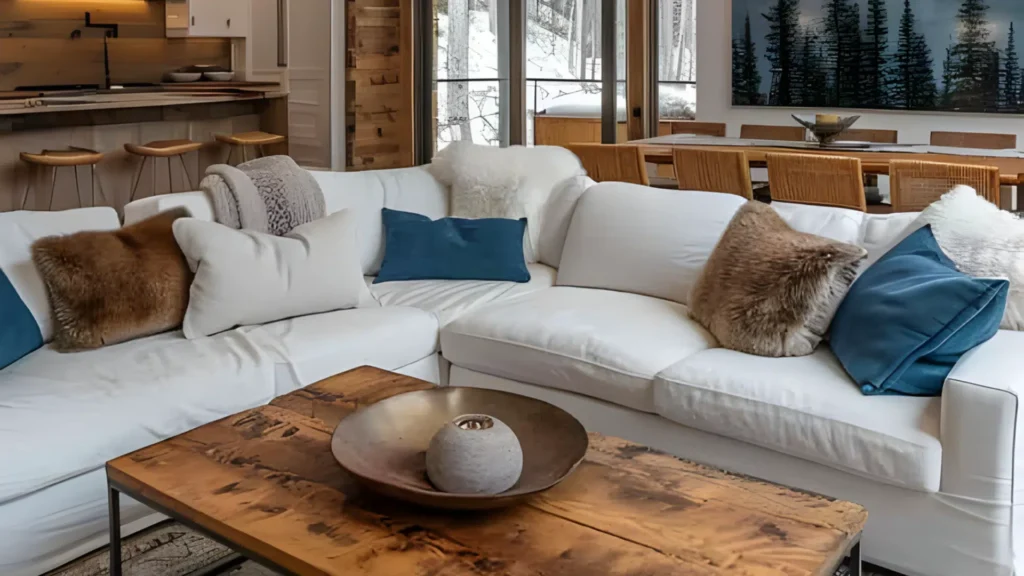
This arrangement also keeps the living area separate, allowing it to function as a place for relaxation. The two zones remain connected, though each serves a distinct purpose.
The dining area can be highlighted with lighting or a rug to anchor it visually. This ensures it doesn’t blend too much into the kitchen space.
Furniture should be scaled appropriately to fit the available area. A table that suits the size of the kitchen zone keeps everything balanced.
Avoid this: Crowding the table too close to kitchen pathways can disrupt movement during meal preparation.
Float the Furniture
Floating furniture away from walls can transform how a combo space functions. It creates a sense of openness and allows each area to stand on its own.
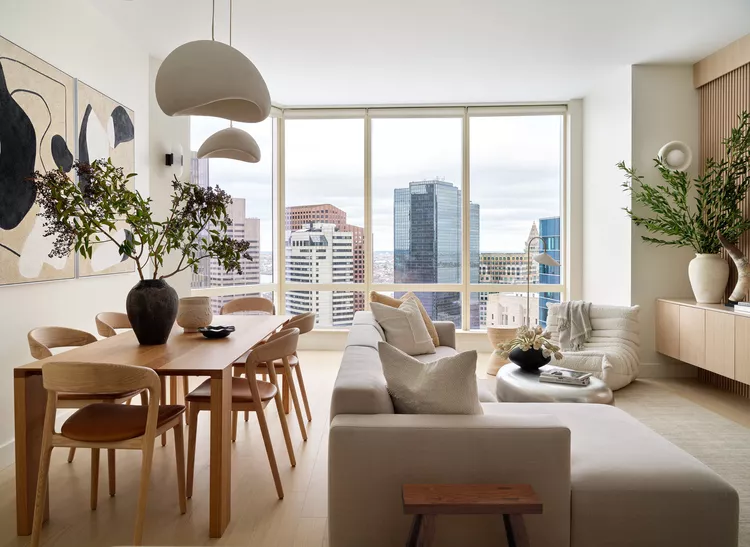
Placing the sofa in the center of the room can define the living zone clearly. The dining area can then sit behind or beside it, depending on the layout.
This approach encourages better flow. You can move around the furniture easily, which makes the room look dynamic.
Rugs help anchor floating pieces, giving them a sense of placement even when they are not against walls.
Lighting and décor can further define each zone, ensuring the space remains cohesive.
Avoid this: Leaving large gaps between furniture pieces can make the room feel disconnected and unfinished.
FAQs
How do you separate a dining room and living room in one space?
Use furniture placement, rugs, or lighting to define each area. A sofa, shelving unit, or pendant light can create a clear visual boundary.
What is the best layout for a dining and living room combo?
Place the dining area near the kitchen and arrange the living space around a focal point. Keep pathways open for easy movement between both zones.