10 Master Closet Ideas That Make Getting Ready Easier

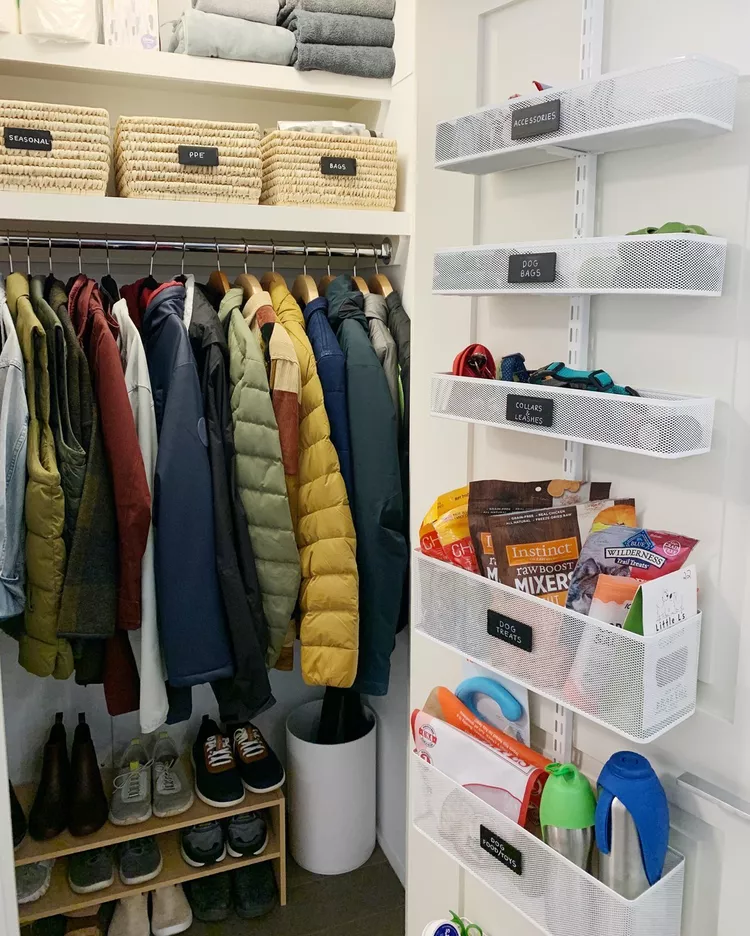
My master closet completely changed the way my mornings start.
Before reorganizing it, clothes piled up quickly, shelves looked chaotic, and finding simple things became frustrating.
The biggest difference came from adding smarter layouts that actually matched daily routines.
A well-designed master closet does far more than store clothing. It can make the bedroom feel organized.
From custom shelving to mirrors, the following 10 ideas can turn an ordinary closet into one of the most functional spaces in your home.
Master Bedroom Closet Organization Ideas
Use Hanging Organizer for Handbags
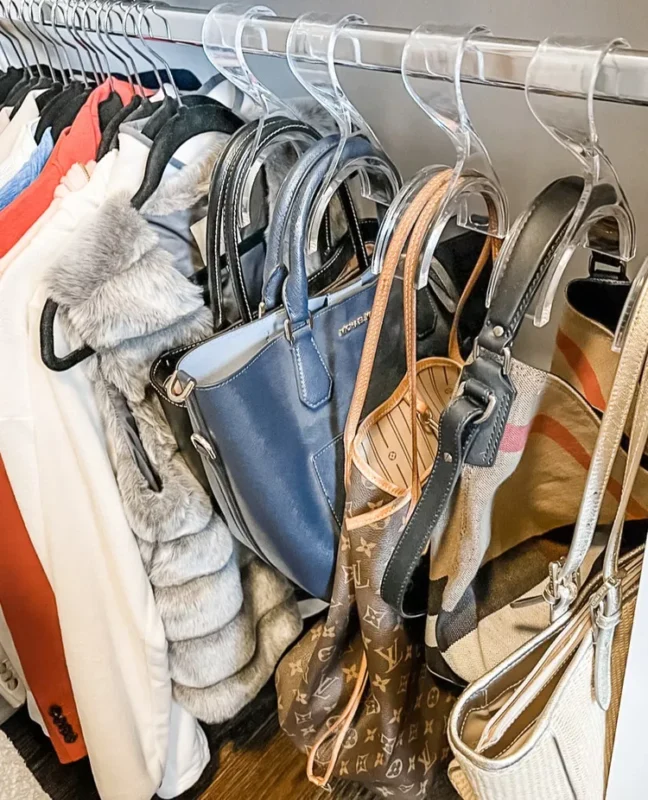
Handbags can take over a master closet faster than almost any other accessory. Shelves become crowded, straps tangle together, and structured bags lose their shape when stacked incorrectly.
A hanging organizer solves that problem while keeping handbags visible and easy to access.
This setup works particularly well in narrow closet sections that would otherwise remain underused.
Hanging compartments create vertical storage, freeing shelves for folded clothing or shoes.
It also helps preserve the condition of handbags since each piece gets its own designated section instead of being piled together.
Neutral fabric organizers tend to blend into most closet designs, though clear acrylic options create a more polished boutique-inspired appearance.
Arranging bags by size or frequency of use can also simplify daily routines.
This idea works in both compact and oversized closets because it introduces organization without requiring additional cabinetry or major renovations.
Pro Tip: Reserve the top compartments for seasonal or rarely used handbags to keep everyday styles within easy reach.
His & Her Closet Drawers
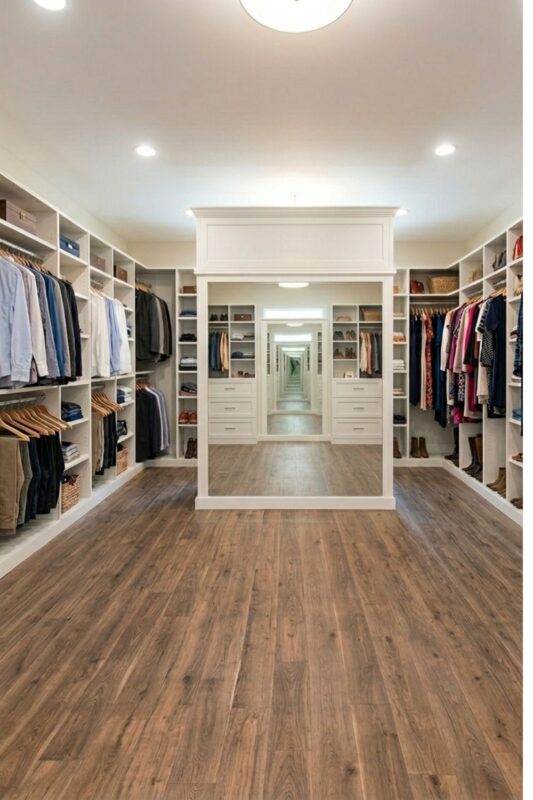
Shared master closets become far easier to manage when storage zones are clearly separated.
Dedicated his-and-her drawers create structure inside the closet and reduce clutter caused by overlapping clothing categories or accessories.
Drawer customization can make a major difference. One side may require deeper compartments for bulkier clothing, while the other may benefit from divided sections for jewelry, watches, or smaller items.
This flexibility allows the closet to reflect individual routines rather than forcing one generic layout.
Consistent drawer finishes help the entire closet maintain a cohesive appearance, even when storage needs differ between both sides.
Soft-close hardware and built-in dividers also improve everyday functionality.
This setup works particularly well in larger master closets where symmetrical layouts create visual balance.
Even smaller closets benefit from designated storage sections because they keep belongings contained.
Avoid This: Do not create identical drawer layouts if storage habits differ significantly. Customized sections usually function far better long term.
Add a Variety of Storage Options
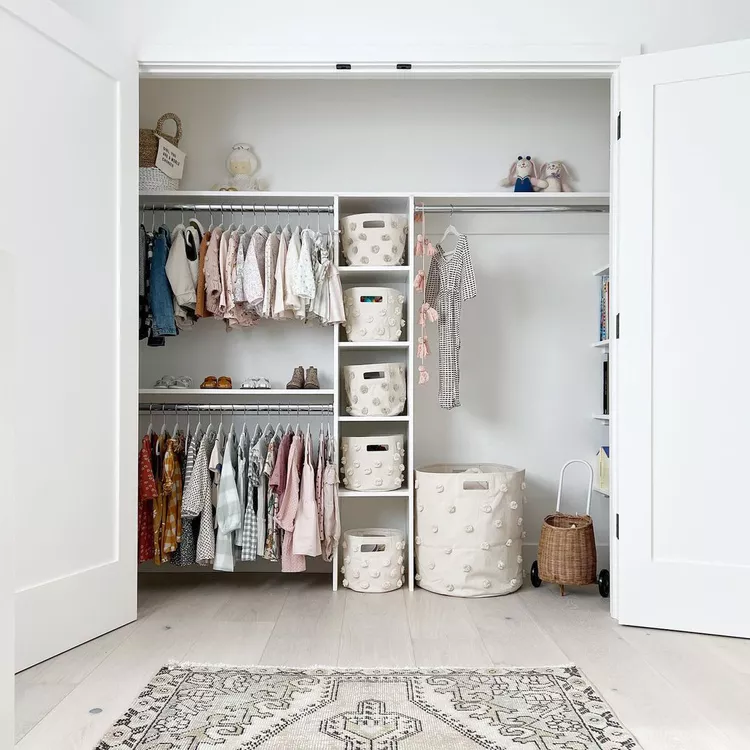
The most functional master closets rarely rely on one storage type alone. A combination of drawers, shelves, hanging rods, bins, baskets, and cabinets creates a far more adaptable system for clothing and accessories.
Different items require different forms of storage. Sweaters may sit better folded on open shelving, while dresses need hanging space and smaller accessories benefit from compartmentalized drawers.
Mixing storage methods keeps the closet from becoming visually repetitive while improving organization.
This layered approach also helps maximize available space. Tall shelving can handle seasonal storage, while lower drawers keep daily essentials accessible.
Decorative baskets introduce texture while concealing clutter at the same time.
Closets with varied storage systems often stay organized longer because every category has a designated location instead of competing for limited shelf space.
Pro Tip: Use closed storage for visually busy items and open shelving for neatly arranged pieces you want easily visible.
His & Her Shoe Shelves
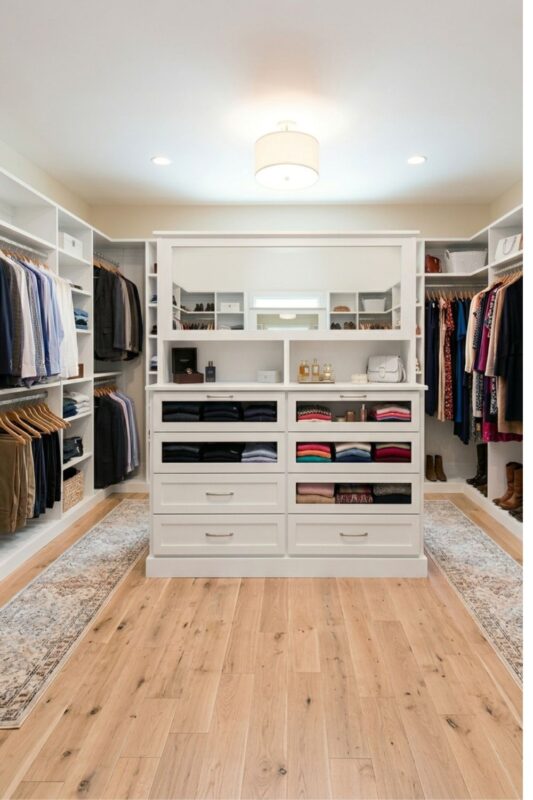
Shoe storage becomes far more organized when separate shelving sections are assigned within a shared master closet.
His-and-her shoe shelves prevent overcrowding and make daily outfit planning faster.
Different shoe styles usually require different shelf heights. Sneakers, heels, boots, and flats all occupy space differently, so adjustable shelving creates better long-term flexibility.
Open shelves also improve visibility, making it easier to locate pairs quickly.
A symmetrical layout can make the closet look cleaner and more intentional.
Matching shelf finishes across both sections maintain visual consistency even when shoe collections vary in size or style.
Lighting beneath shelves or along the sides can elevate the overall appearance, giving the closet a high-end atmosphere.
Avoid This: Avoid stacking shoes directly on top of each other since it can damage materials and quickly create visual clutter.
Hang Hats & Caps on the Wall
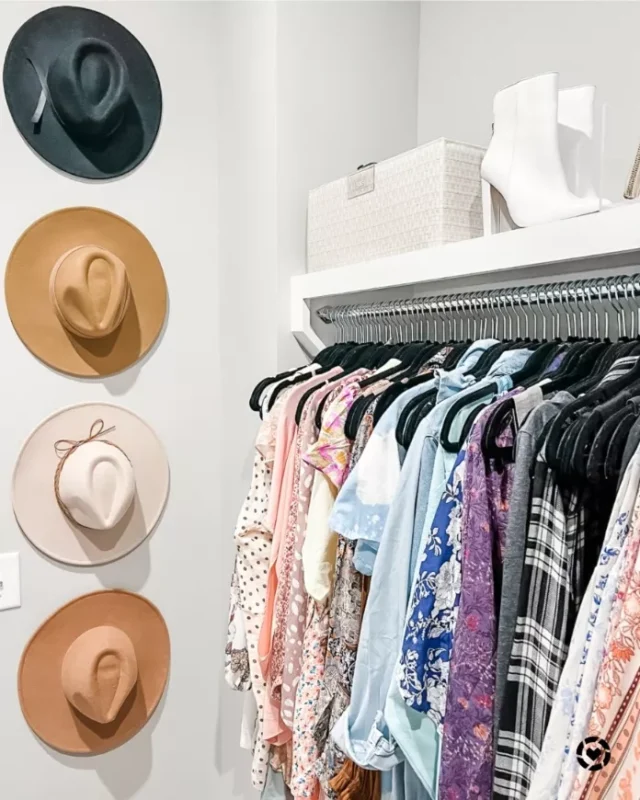
Wall-mounted hat storage turns accessories into part of the closet design instead of hiding them inside bins or drawers.
Caps, wide-brim hats, and seasonal pieces can all become decorative elements when arranged properly.
This approach also frees shelf and drawer space for clothing or shoes. Hooks, pegs, or slim wall racks keep hats visible and easy to grab before heading out.
Arranging them by color or style can make the wall look intentionally styled.
Master closets with unused vertical wall space benefit most from this idea. It introduces storage without occupying valuable floor area or cabinetry space.
Neutral hardware blends into the wall, while metallic finishes can introduce a slightly more decorative touch.
Pro Tip: Leave small gaps between hats so the arrangement looks curated instead of crowded.
Have a Spot for Every Item
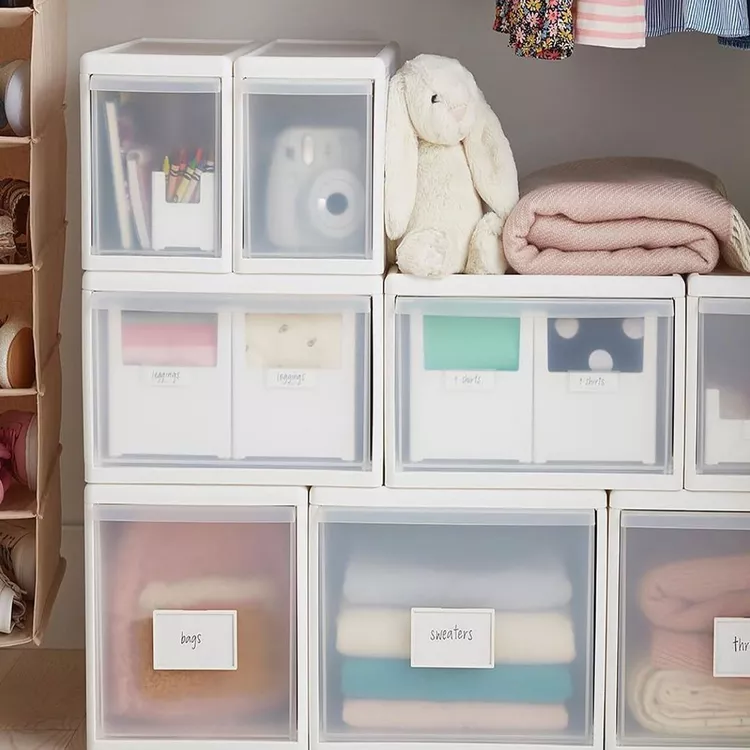
Master closets stay organized far longer when every item has a designated location.
The moment clothing, shoes, or accessories start floating between shelves and drawers, clutter builds quickly and the space begins to feel chaotic.
Dedicated storage sections create structure inside the closet. Jewelry trays, labeled bins, handbag compartments, and divided drawers all help maintain order during busy mornings.
Even smaller accessories become easier to manage when they are not competing for random shelf space.
This approach also improves how the closet looks visually. Open shelving appears cleaner, hanging sections stay balanced, and surfaces avoid unnecessary buildup. The closet begins functioning like a system.
Closets with intentional organization usually require less daily maintenance because items naturally return to their assigned spots after use.
Pro Tip: Store frequently used items between waist and eye level so everyday routines stay quick and efficient.
Choose the Right Placement
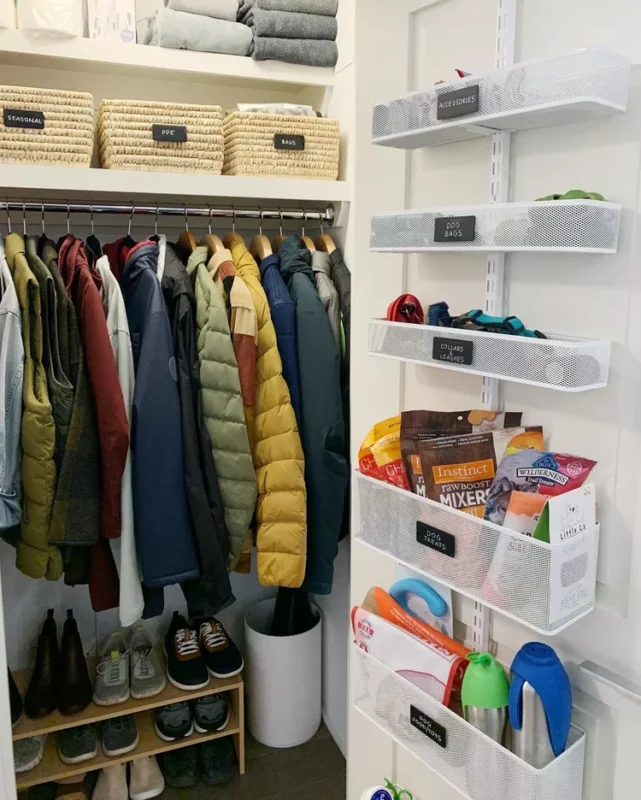
The layout of a master closet affects functionality just as much as the storage itself.
Poor placement can make even large closets frustrating to use, while smart positioning creates a smoother daily routine.
Frequently worn clothing should stay in the most accessible sections. Shoes, handbags, and accessories used often deserve easy-to-reach storage instead of upper shelves.
Seasonal pieces can move higher or farther back since they are accessed less frequently.
Lighting placement also matters. Dim corners can make the closet feel cramped and disorganized even when storage is adequate.
Mirrors and seating areas should sit where movement remains comfortable instead of interrupting pathways.
Thoughtful placement improves traffic flow and keeps the closet visually calmer because categories remain organized within logical zones.
Avoid This: Do not place bulky storage units near entry pathways since they can make the closet feel narrower and harder to navigate.
Add Warmth with a Rug
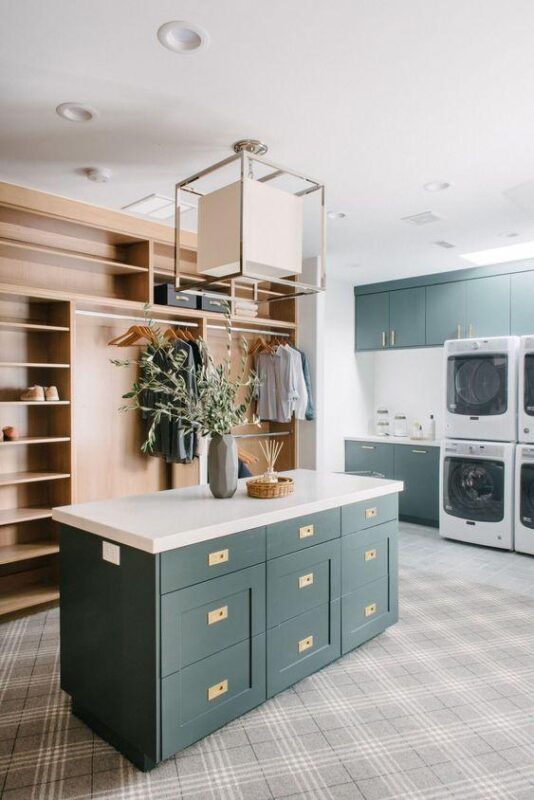
A rug can completely change the atmosphere inside a master closet. Hard flooring sometimes makes the space appear cold in larger closets with shelving and cabinetry dominating the room.
Soft textures underfoot introduce comfort and help the closet feel connected to the bedroom rather than separated from it.
Neutral rugs blend easily into most closet designs, while patterned styles can introduce contrast.
Runner rugs work well in narrow walk-in layouts, while larger area rugs suit spacious dressing-room-style closets.
Material selection also matters. Low-pile options are usually easier to maintain and allow doors or drawers to move freely.
Beyond appearance, rugs help absorb sound and create a quieter environment during daily routines.
Pro Tip: Select rugs with subtle patterns or textured weaves since they tend to hide dust and daily wear more effectively than solid light colors.
Include A Mirror
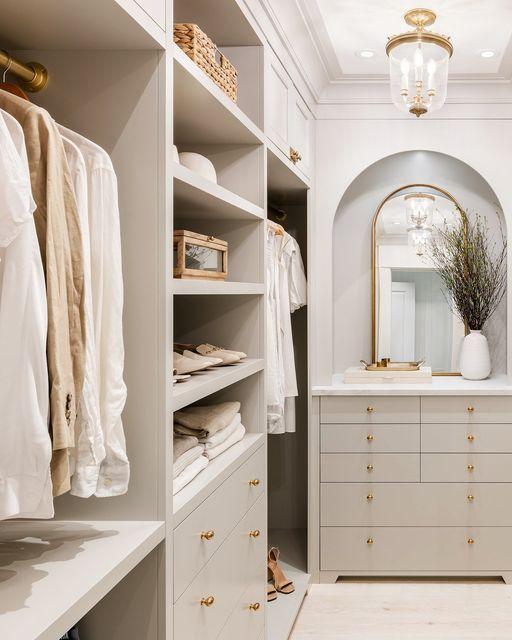
A mirror belongs in nearly every master closet because it improves both function and visual openness.
Full-length mirrors simplify outfit checks while also helping the room appear brighter and larger.
Large reflective surfaces bounce light across the closet, reducing dark corners and creating a cleaner overall appearance. This becomes helpful in closets with limited natural light.
Framed mirrors can also introduce decorative detail. Black metal frames create a modern edge, while wood finishes lean softer and more traditional.
Placement matters too. Positioning a mirror near lighting sources improves visibility and creates stronger reflection throughout the room.
Even compact closets benefit from this feature because mirrors visually expand tighter layouts and reduce the sense of enclosure.
Avoid This: Avoid placing mirrors where reflections capture cluttered shelving sections since it can make the closet appear visually busier.
Go Vertical
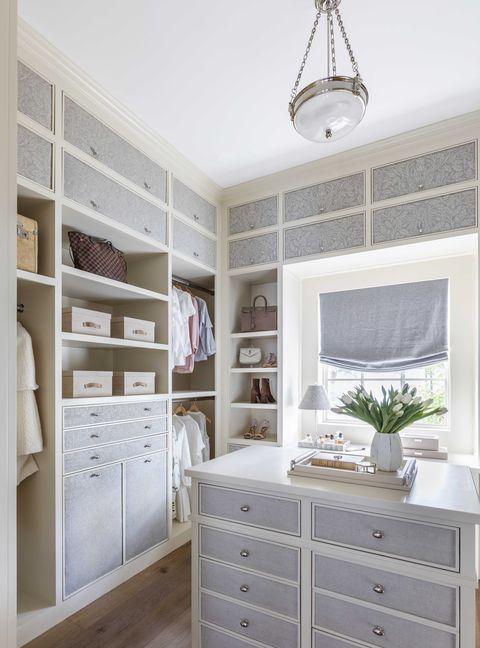
Vertical storage can completely transform a master closet by maximizing unused wall space. Tall shelving, stacked drawers, and upper cabinets increase storage capacity.
This strategy works particularly well in closets with high ceilings. Instead of allowing empty upper sections to go unused, those areas can store seasonal clothing, luggage, or rarely used accessories.
Lower sections remain available for daily essentials, keeping routines practical and organized.
Vertical layouts also create a custom built-in appearance. Floor-to-ceiling storage often makes closets appear more polished and intentional compared to scattered standalone units.
Adding a rolling ladder or slim step stool can also improve accessibility in taller closets while reinforcing the luxury closet aesthetic.
Pro Tip: Reserve upper storage for occasional-use items so frequently accessed pieces stay within comfortable reach.
FAQs
What do you put in a master closet?
A master closet typically holds everyday clothing such as shirts, dresses, trousers, and outerwear. It also stores shoes, handbags, belts, jewelry, and seasonal pieces.
Many setups include drawers for smaller items, shelves for folded clothing, and hanging sections for garments that need structure.
What is a good size for a master closet?
A comfortable master closet usually starts around 7 feet by 10 feet, though many modern homes go larger.
A walk-in layout works best when there is enough room for storage on multiple walls plus a clear walking path in the center.
The ideal size depends on wardrobe needs and available space in the bedroom.
How do you keep a master closet organized long-term?
Long-term organization comes from giving every category a dedicated zone and returning items to the same spot after use.
Clear storage systems, labeled bins, and structured shelving help maintain order.
Regular decluttering also prevents overcrowding and keeps the space functional over time.