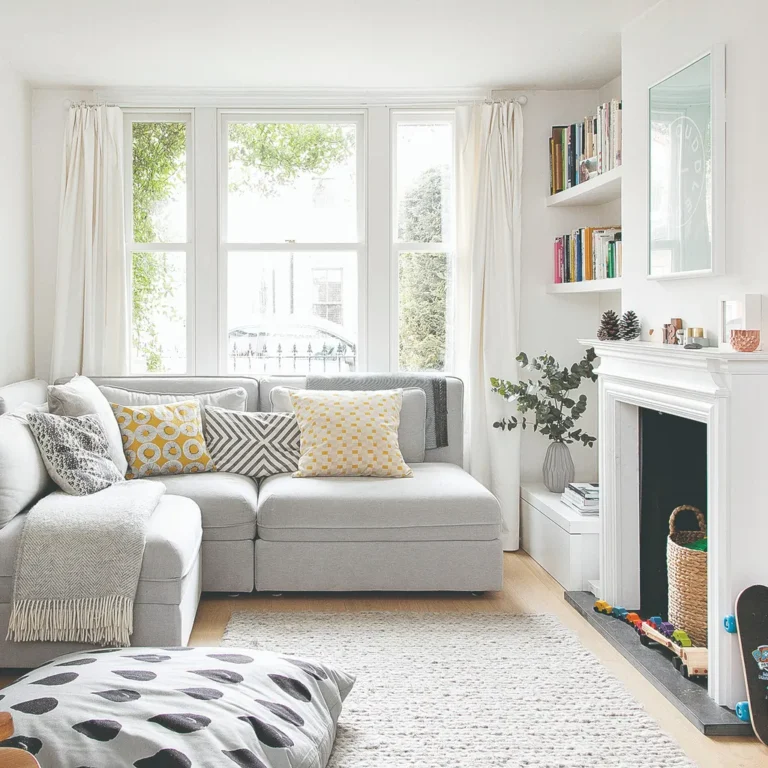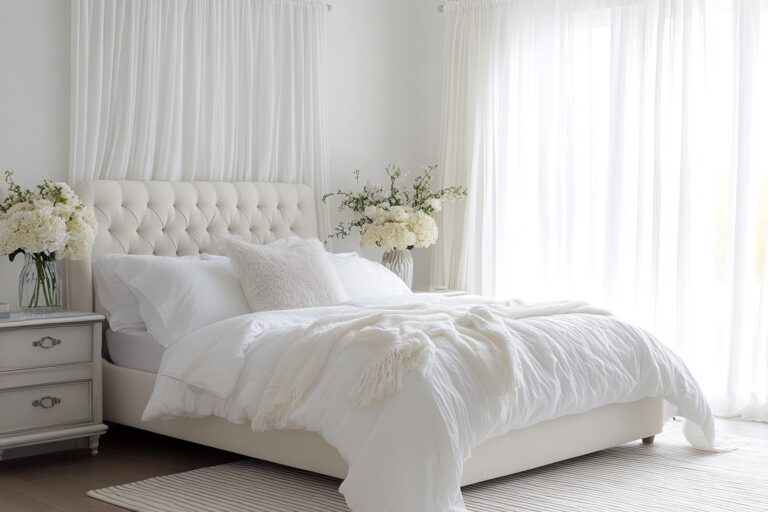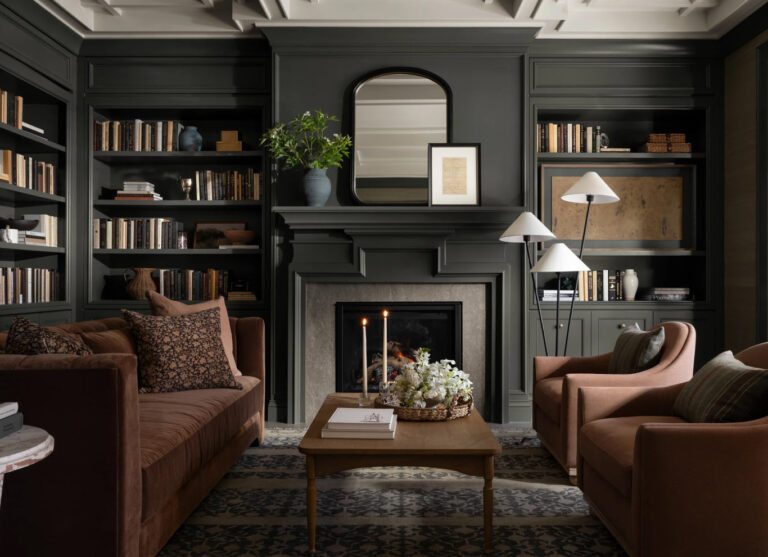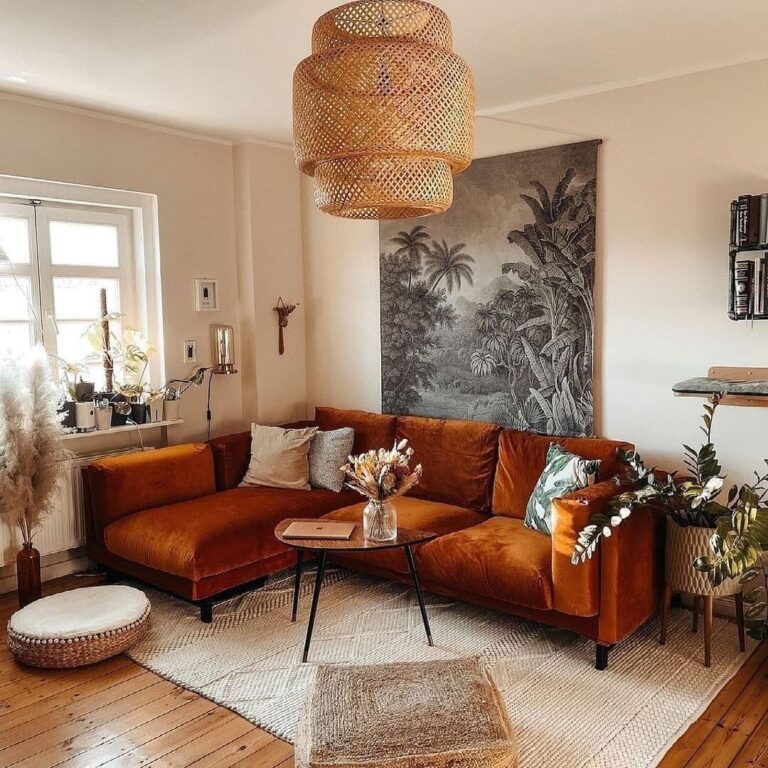
17 Modern Japandi Living Rooms (Budget Friendly Ideas)

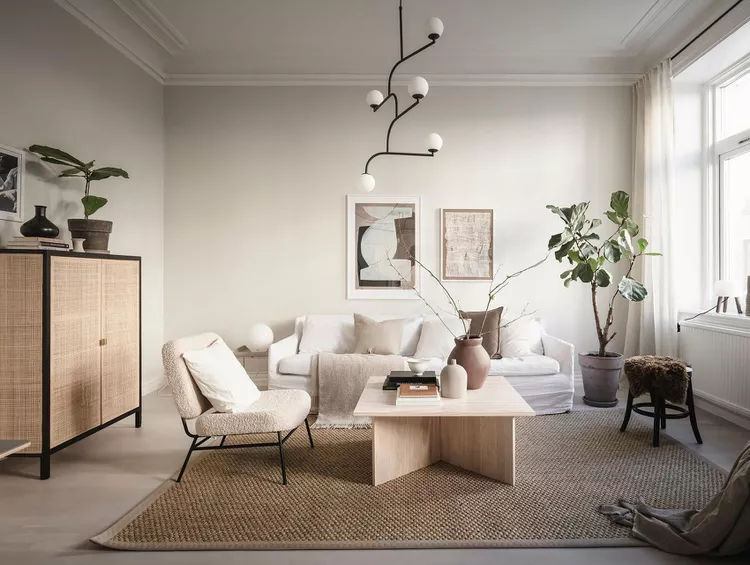
A Japandi living room brings together clean structure with lived-in character in a way that stays grounded.
It focuses on strong materials, simple forms, thoughtful placement instead of excess decoration.
Each idea shapes the room in a distinct way. Some focus on layout. Others refine texture or tone.
The following Japandi living room ideas explore different ways to build that balance, from layout decisions to small details that shift the overall direction of the room in a clear, lasting way.
Japandi Living Room Designs and Interiors
Mix Different Wood Tones
A Japandi living room often relies on wood as a core element, though using only one tone can make the space look flat.
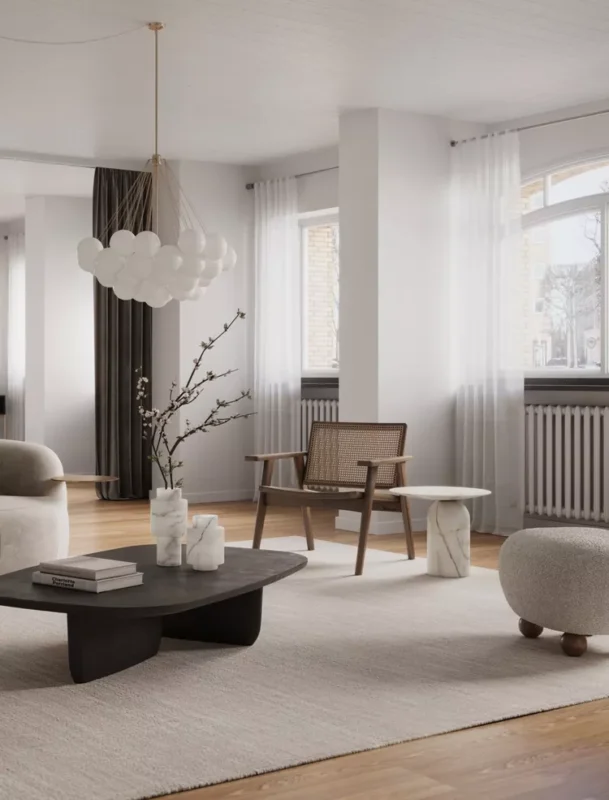
Mixing different wood finishes adds depth and keeps the room from feeling too uniform.
A lighter oak floor can sit alongside a deeper walnut coffee table, creating contrast that feels intentional
The key is to keep the undertones aligned. Warm woods work best with other warm finishes, while cooler tones should stay within the same range.
This keeps the mix from looking scattered. Variation should feel steady across the room, not random.
Furniture placement also plays a role. Spacing pieces apart allows each tone to stand out. When everything sits too close, the differences can blur together.
This approach reflects the Japandi balance between structure and ease. The room gains visual interest through material choice alone, without needing excessive decor to carry the design.
Sculptural Japandi Fireplace Living Room
A fireplace in a Japandi living room works best when treated as a sculptural feature rather than just a functional one.
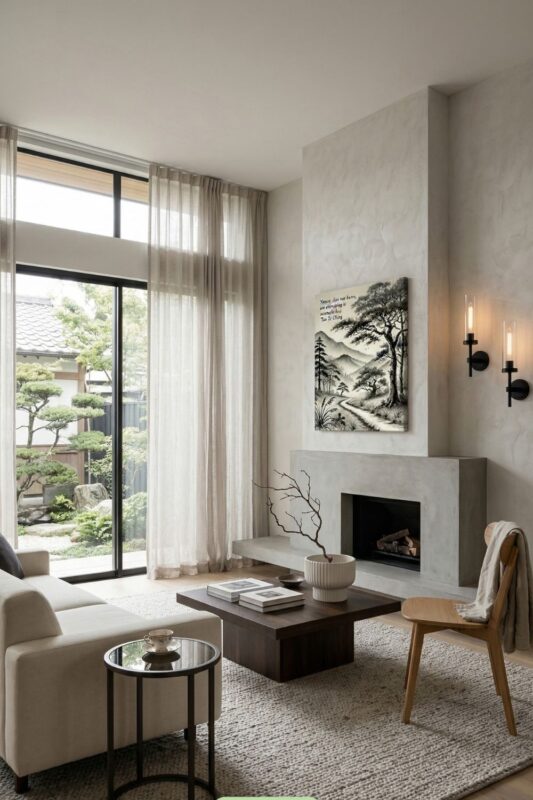
Clean lines and simple forms help it stand out without overpowering the space. A smooth plaster or stone finish can give it presence when the shape feels slightly architectural.
The area around it should stay restrained. Low seating, a simple coffee table, and minimal decor allow the fireplace to hold attention naturally.
When too many elements compete for focus, the impact weakens.
Texture becomes more important than decoration. A rough stone surface or a softly finished plaster creates variation that keeps the eye engaged.
Lighting also enhances the form, especially when shadows fall across its surface.
This setup works because it centers the room around one strong element. The fireplace becomes more than a heat source.
It defines the layout and gives the space a quiet sense of structure.
Japandi Living Room with Tadelakt Hearth
A tadelakt hearth introduces a smooth, hand-finished surface that fits naturally within a Japandi space. Its slightly uneven texture adds depth.
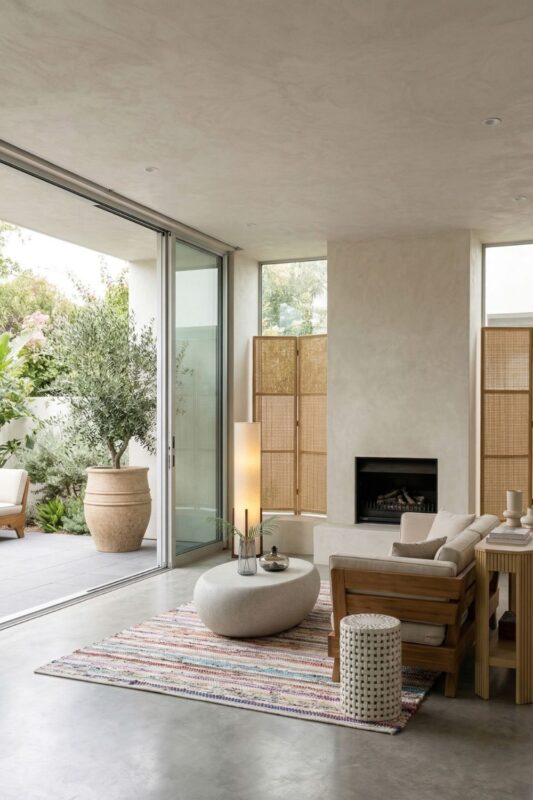
The finish reflects light gently, which gives the fireplace area a softer presence.
This type of surface works well in rooms that favor subtle variation. It does not demand attention, though it never looks flat.
The slight movement in the finish keeps the surface interesting from different angles.
Pair it with simple furnishings that echo the same approach. A low wood bench or a neutral-toned chair can sit nearby without distracting from the hearth. Materials should complement.
The result is a living room that feels calm. The hearth blends into the overall design while still holding its place as a central feature, creating a cohesive environment.
Incorporate Sustainable Natural Materials
Natural materials shape the foundation of a Japandi living room. Wood, linen, stone, and ceramic bring texture into the space. These materials work together through their surfaces.
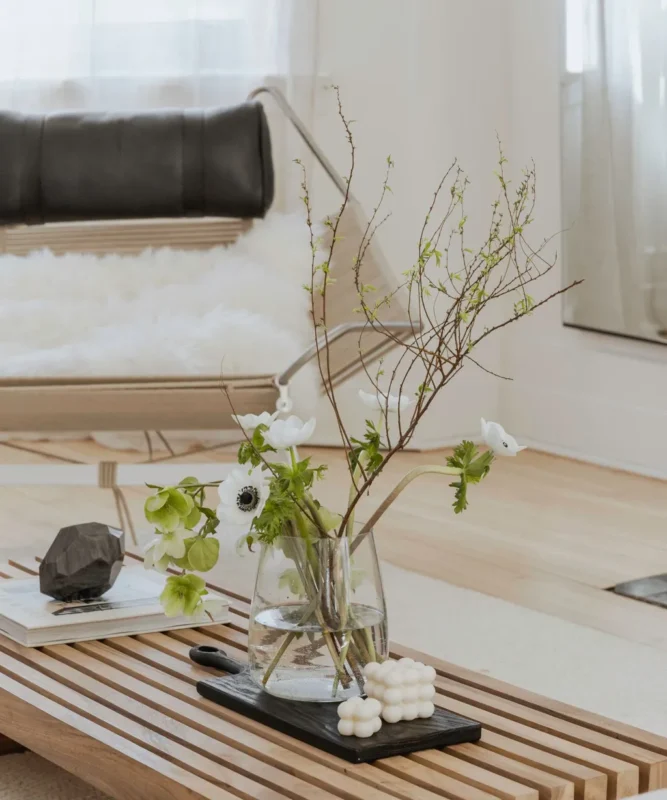
A linen sofa, a wooden table, and a ceramic vase can create a layered look that is complete.
Each element adds something different through its texture. The room builds interest through these small variations.
Keeping the palette restrained helps the materials be amazing. When too many colors enter the space, the focus shifts away from the surfaces themselves. A consistent range allows the textures to carry the design.
This approach creates a room that feels steady and grounded. It supports daily use while maintaining a clear visual direction.
Eventually, you get a space that looks considered, shaped by materials.
Find Balance Between Simplicity and Comfort
A Japandi living room depends on balance. Too much simplicity can make the space feel bare, while too many soft elements can take away its structure.
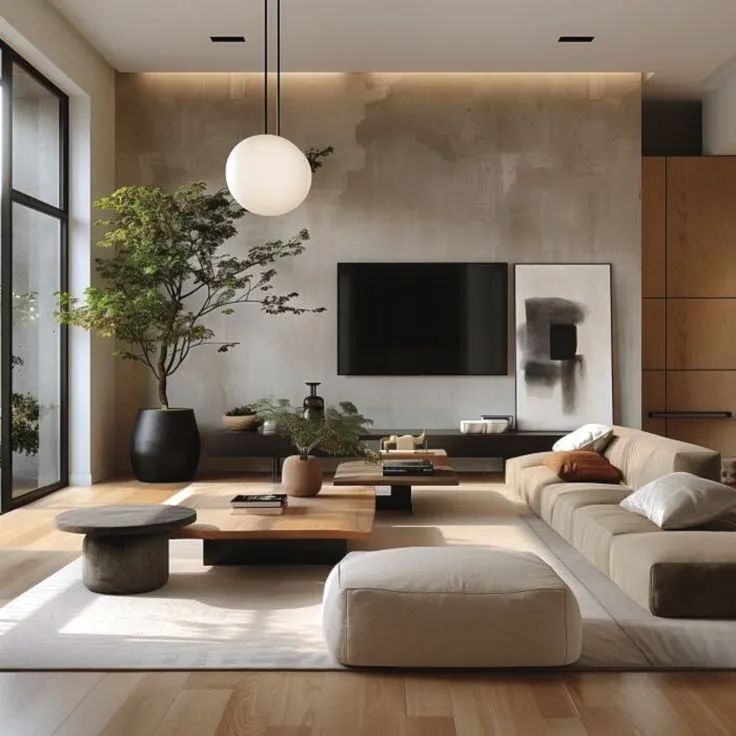
Start with clean-lined furniture that sets the foundation. Low-profile seating and simple shapes create order. From there, introduce comfort through textiles. Cushions, throws, and rugs soften the space.
Spacing plays an important role. Each piece should have enough room to exist on its own. This prevents the room from feeling crowded and keeps the overall look clear.
The final result is a space that supports everyday living. It offers comfort through warmth through material, while still maintaining a sense of structure.
This balance defines the Japandi style and keeps it easy to live with over time.
Introduce a Splash of Green
Greenery can shift the entire mood of a Japandi living room when used with intention. One well-placed plant often has more impact than several scattered pieces.
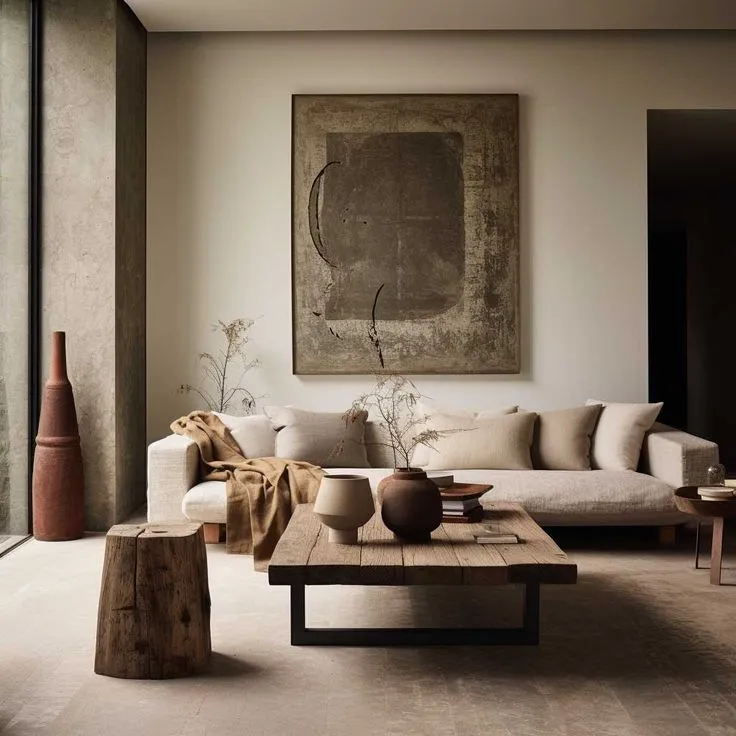
A tall indoor tree near a window can anchor the space, especially when the rest of the room stays calm in tone.
Smaller plants can support the main feature, though they should not compete for attention.
A single ceramic pot on a coffee table or a low planter on a shelf works well. The goal is to guide the eye, not fill every empty spot.
The type of plant matters as much as placement. Structured leaves tend to suit Japandi interiors more than overly delicate varieties. Clean shapes align better with the overall direction of the room.
Care and upkeep also play a role. Healthy plants keep the space looking intentional. Neglected greenery can pull focus for the wrong reasons.
Used this way, green becomes more than decoration. It acts as a quiet focal point that ties natural elements together.
Make the Most of Natural Light
Natural light should guide how the living room is arranged. Instead of placing furniture first, observe how sunlight moves through the space during the day. This helps determine where seating and key pieces should go.
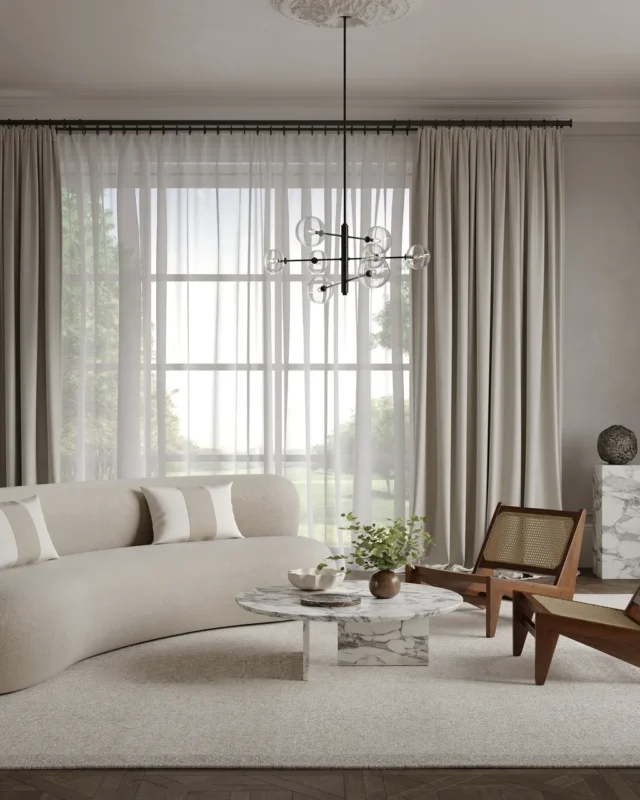
Large furniture works best when it does not block windows. Keeping sightlines open allows light to travel deeper into the room. Even shifting a sofa slightly can change how bright the space appears.
Window treatments should stay minimal. Lightweight curtains or simple panels allow light to pass through while offering some privacy.
Heavy layers can dim the room too much, especially in smaller spaces.
Reflective surfaces can help extend light further. A low-gloss table or a simple mirror placed across from a window can distribute brightness more evenly.
This approach shapes the room through light first, then furniture. The result is a space that changes throughout the day.
Choose a Neutral, Muted Color Scheme
A muted palette forms the base of a Japandi living room. Instead of relying on contrast, it builds depth through slight shifts in tone.
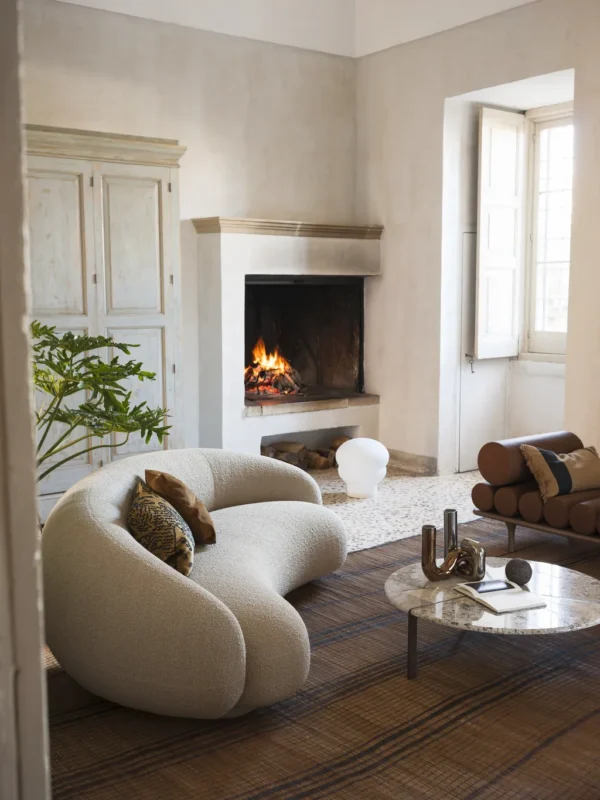
Soft beige, warm gray, and off-white can sit together in a way that looks layered.
Walls usually carry the lightest shade. This keeps the room open and allows furniture to define the layout. Seating and larger pieces can sit a step deeper in tone to create separation.
Accents should stay controlled. A darker cushion or a slightly richer textile can introduce variation, though it should not dominate the space.
The aim is to keep the palette steady from one end of the room to the other.
Consistency matters more than variety here. When too many tones compete, the room loses its sense of direction.
A restrained color scheme allows materials and shapes to take the lead, giving the space a clear identity.
Add Interest with Soft Furnishings and Decorative Items
Soft furnishings shape how the living room is experienced day to day. They bring comfort into a structured layout, though they need to be chosen with care.
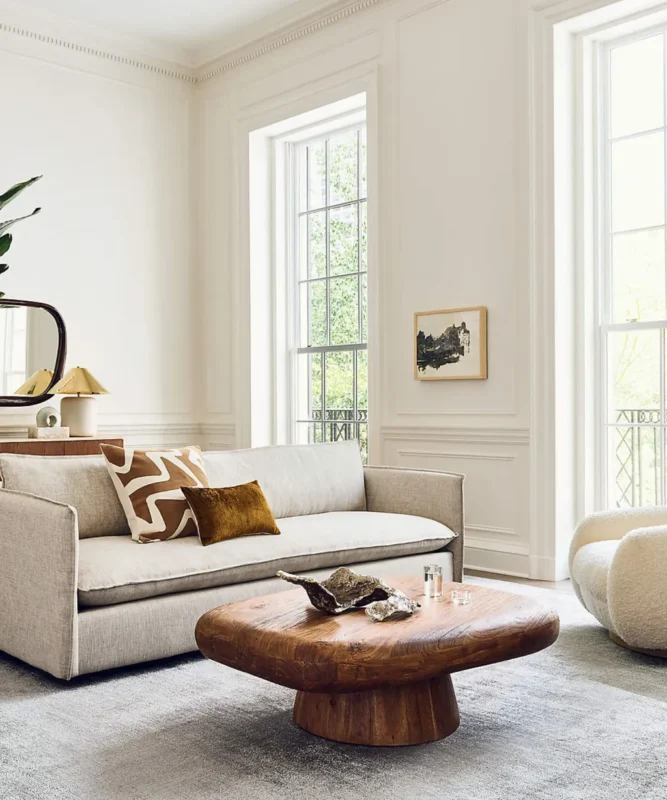
A few well-made pieces often work better than a large mix of patterns.
Cushions can introduce variation through fabric rather than bold design. Linen, wool, or cotton each bring a different surface quality. This keeps the arrangement interesting.
Throws can be used to break up larger areas like sofas or chairs. A casually placed piece can shift the look of the seating without changing the furniture itself.
Decorative items should stay limited. A ceramic object, a small stack of books, or a single tray can complete a surface. Too many items can make the room look unsettled.
This approach keeps the focus on quality and placement. Each piece has a clear role, which helps the room stay balanced.
Utilize Additional Lighting for a Sense of Coziness
Lighting beyond the main ceiling fixture can shape how the living room works in the evening.
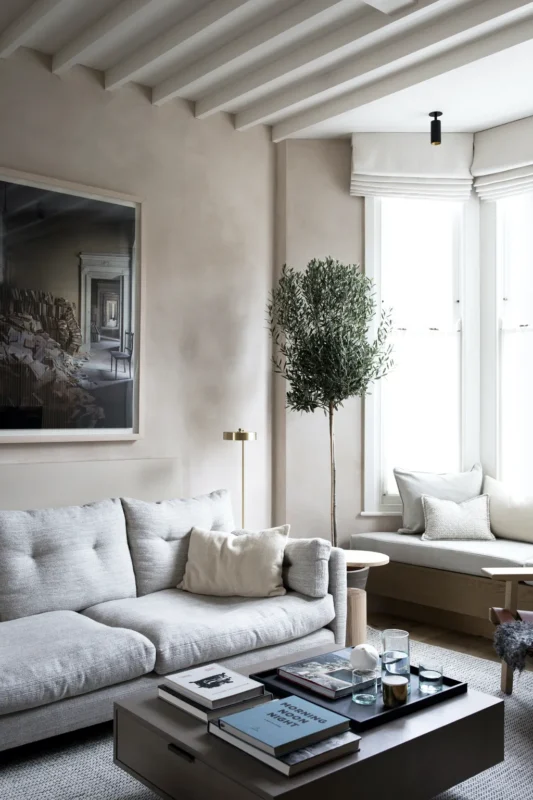
A single overhead light often leaves parts of the room in shadow. Adding a few well-placed sources can solve this.
Floor lamps can define seating areas. Placing one beside a chair creates a spot suited for reading.
Table lamps can support this by lighting smaller surfaces like side tables or consoles.
The height of each light source matters. Keeping them at different levels helps spread light more evenly across the room. This prevents harsh contrasts between bright and dark areas.
Bulb choice also affects the result. Warmer tones tend to suit Japandi interiors better than cooler ones after sunset.
With this setup, lighting becomes part of the layout. It shapes how each area is used once natural light fades.
Declutter Your Japandi Living Room
A Japandi living room depends on restraint. Too many items can break the structure and make the space harder to read.
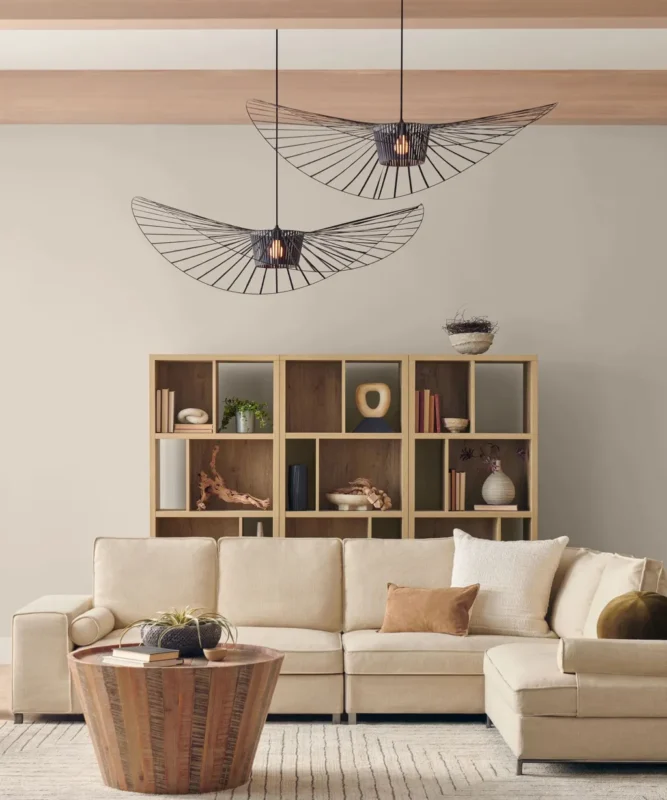
Clearing surfaces is the first step. Start with tables, shelves, and corners that tend to collect everyday objects.
Storage should work quietly in the background. Closed cabinets or low-profile units can hold items that do not need to stay on display. This keeps the room looking composed.
What remains should serve a clear purpose. A single object on a table can carry more presence than a group of unrelated pieces. The goal is to make each item count.
Spacing matters as much as selection. Leaving open areas between furniture allows the layout to breathe. When everything sits too close, the room starts to feel compressed.
This process is not about removing personality. It is about giving important pieces the space they need to stand out, which keeps the overall design clear and intentional.
Add Plenty of Plants
Using plants in larger numbers can shift the character of a Japandi living room, though placement still needs control.
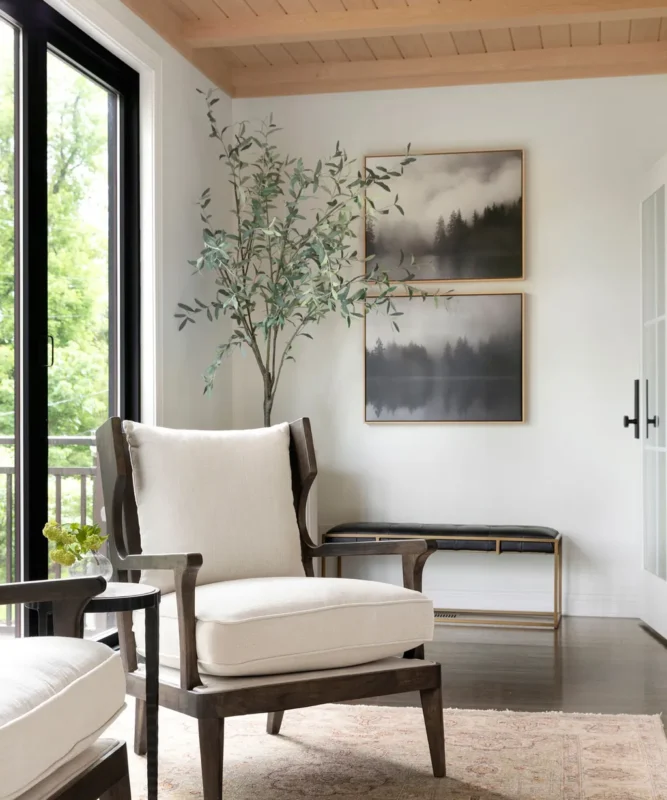
Look here. Instead of scattering them evenly, group a few together to form a stronger visual moment. A cluster near a window can create a natural focal area.
Varying height helps build interest. A taller plant can sit behind smaller ones, creating a layered arrangement that draws the eye upward.
This approach works well in corners that might otherwise feel empty.
Containers should stay consistent in tone. Ceramic or clay pots in similar shades keep the grouping from looking disjointed. This keeps attention on the plants themselves.
Open space around the arrangement helps define it. Packing too many plants into one area can make it look unplanned.
When handled this way, greenery becomes part of the room’s structure. It fills space with purpose and connects the interior to natural elements in a direct, visible way.
Moody Japandi Living Room
A darker Japandi living room offers a different take on the style. Deeper tones can create a more grounded atmosphere when paired with simple forms.

Charcoal walls or deep brown finishes can set the base for the space.
Furniture should stay clean in shape to balance the heavier palette. Low seating and streamlined tables keep the room from feeling dense.
The contrast between dark surfaces and simple forms keeps everything in check.
Lighting becomes more important in this setting. A few carefully placed lamps can highlight key areas and prevent the room from looking flat.
Pools of light can define seating zones and draw attention to certain features.
Materials still carry the design. Wood, stone, and fabric add variation through texture, which keeps the darker palette from looking one-dimensional.
This approach suits those who prefer a more dramatic interior, though it still follows the same principles of balance and restraint.
Sunken Japandi Hearth Lounge
A sunken seating area can transform a Japandi living room into a more defined gathering space.
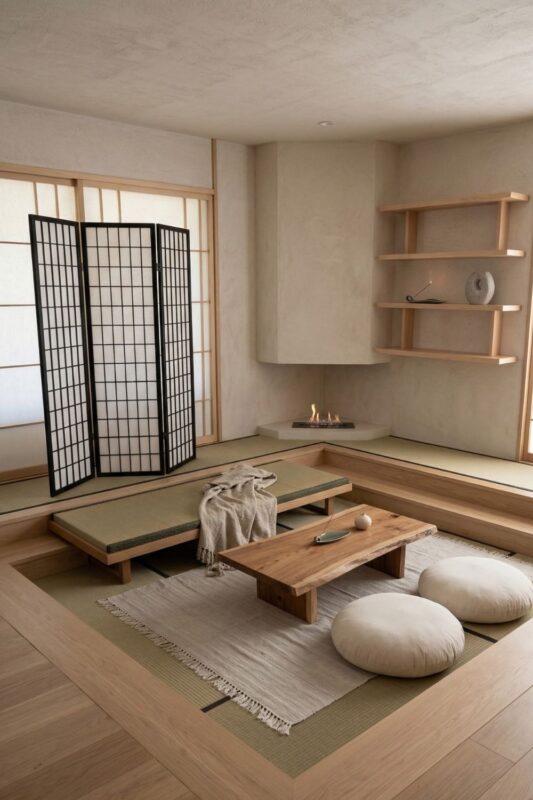
Lowering the seating level creates a natural boundary to help separate it from the rest of the room without adding walls.
The hearth often becomes the center of this setup. Placing seating around it keeps the layout focused and easy to use.
Cushions or low benches can line the edges, keeping the design simple and functional.
Materials should stay consistent with the rest of the space. Wood and neutral fabrics work well here, keeping the look grounded.
The lowered level already adds enough interest, so additional decoration should stay minimal.
Access needs to remain easy. A small step keeps the space practical for daily use.
This type of layout works best in larger rooms, though it can create a strong focal point when planned carefully. It introduces variation through structure.
Japandi Calm Around a Plaster Hearth
A plaster hearth can anchor a Japandi living room through its surface and form. The soft texture brings variation that painted walls often lack. Light tones work well here, allowing the hearth to win.

The surrounding area should stay controlled. A simple chair nearby can support the layout without drawing attention away from the hearth itself. Each piece should relate back to the central feature.
Decor should remain limited. A single ceramic piece or a small stack of wood can complete the setup. Too many additions can take away from the clarity of the design.
Lighting can enhance the surface, especially when placed to cast gentle shadows across the plaster. This highlights its texture in a quiet way.
This setup focuses on material. The hearth becomes the anchor of the room, guiding how the rest of the space is arranged.
Embrace the Wabi-Sabi Ideas
A Japandi living room can benefit from the Wabi-Sabi approach, which values age, irregularity, and natural wear.
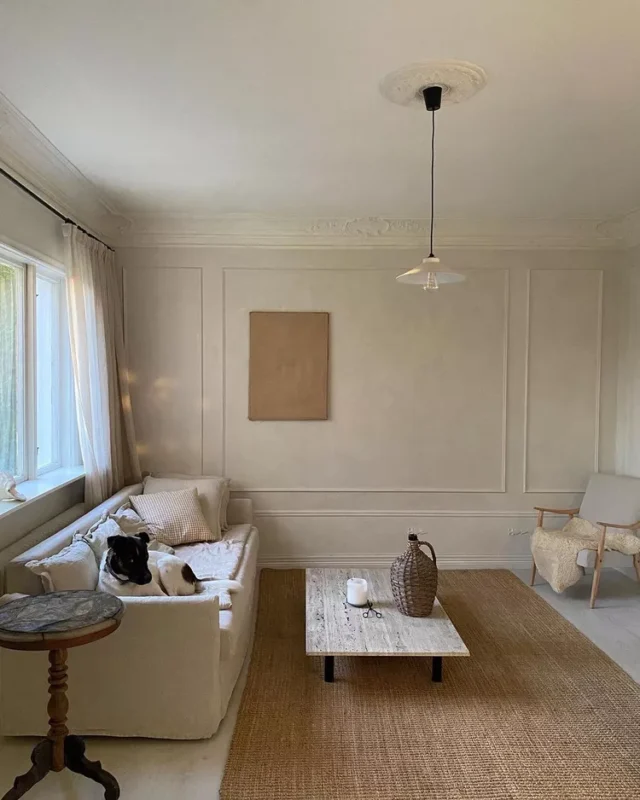
This shifts the focus away from perfection and places attention on pieces that show character over time.
A slightly uneven ceramic bowl or a wooden table with visible grain marks can carry more presence than something newly finished.
Instead of aiming for flawless surfaces, allow small imperfections to remain.
A crackled glaze, a faded textile, or a surface that has softened with use can add depth to the room. These details tell a story through material.
Restraint still plays a role. A few well-chosen items can express this idea clearly. Filling the space with distressed pieces can feel forced, so balance is important.
Placement should feel natural. Objects do not need strict alignment. A relaxed arrangement can make the room look settled over time.
This approach gives the space a quieter kind of character, shaped by use and material rather than precision.
Use a Mix of Shapes in Accent Tables
Accent tables can shift the rhythm of a Japandi living room when different shapes come into play.
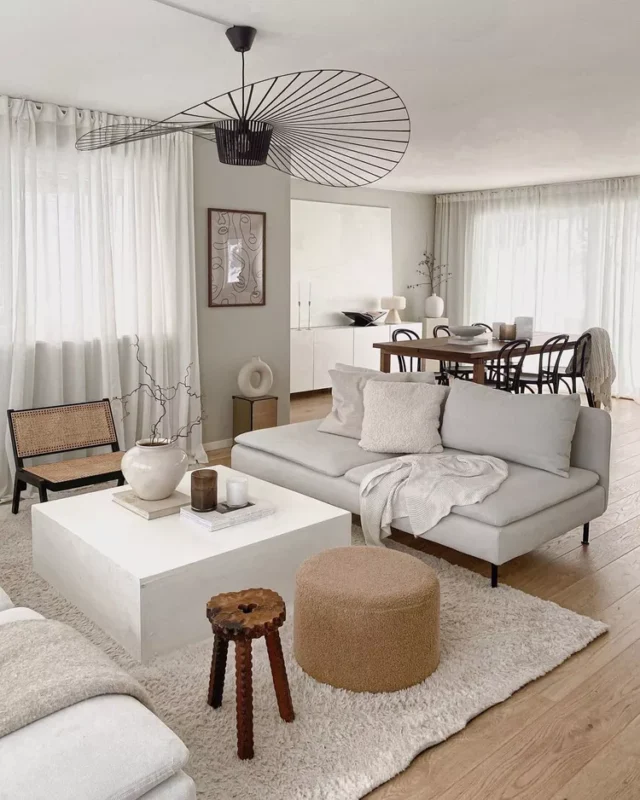
Relying on one form can make the layout predictable. Introducing variation creates movement across the space.
A round table next to a sofa can soften the straight lines of the seating.
A rectangular console placed behind it can bring structure back into the arrangement. This contrast keeps the room from looking too rigid.
Height also affects how the tables interact. A lower coffee table paired with a slightly taller side table creates a layered effect. This helps guide the eye across the room in a steady way.
Materials should stay consistent even when shapes vary. Wood or stone in similar tones can tie everything together. This keeps the mix from feeling disconnected.
The result is a layout that looks considered through form alone. Each table plays a role, which adds interest.
FAQs
What defines a Japandi living room?
A Japandi living room blends Japanese minimalism with Scandinavian functionality. It favors clean lines, natural materials, muted colors, and a calm, uncluttered atmosphere.
How do I add warmth to a Japandi living room?
Introduce wood tones, soft textiles, layered rugs, and carefully chosen lighting. Plants and small decorative objects can make the space feel lived-in without cluttering it.
Can Japandi style work in small living rooms?
Yes. Minimal furniture, vertical storage, and multi-purpose pieces maximize space while keeping the room serene and open.