12 Bedroom Decor Ideas For Couples Both Of You’ll Agree

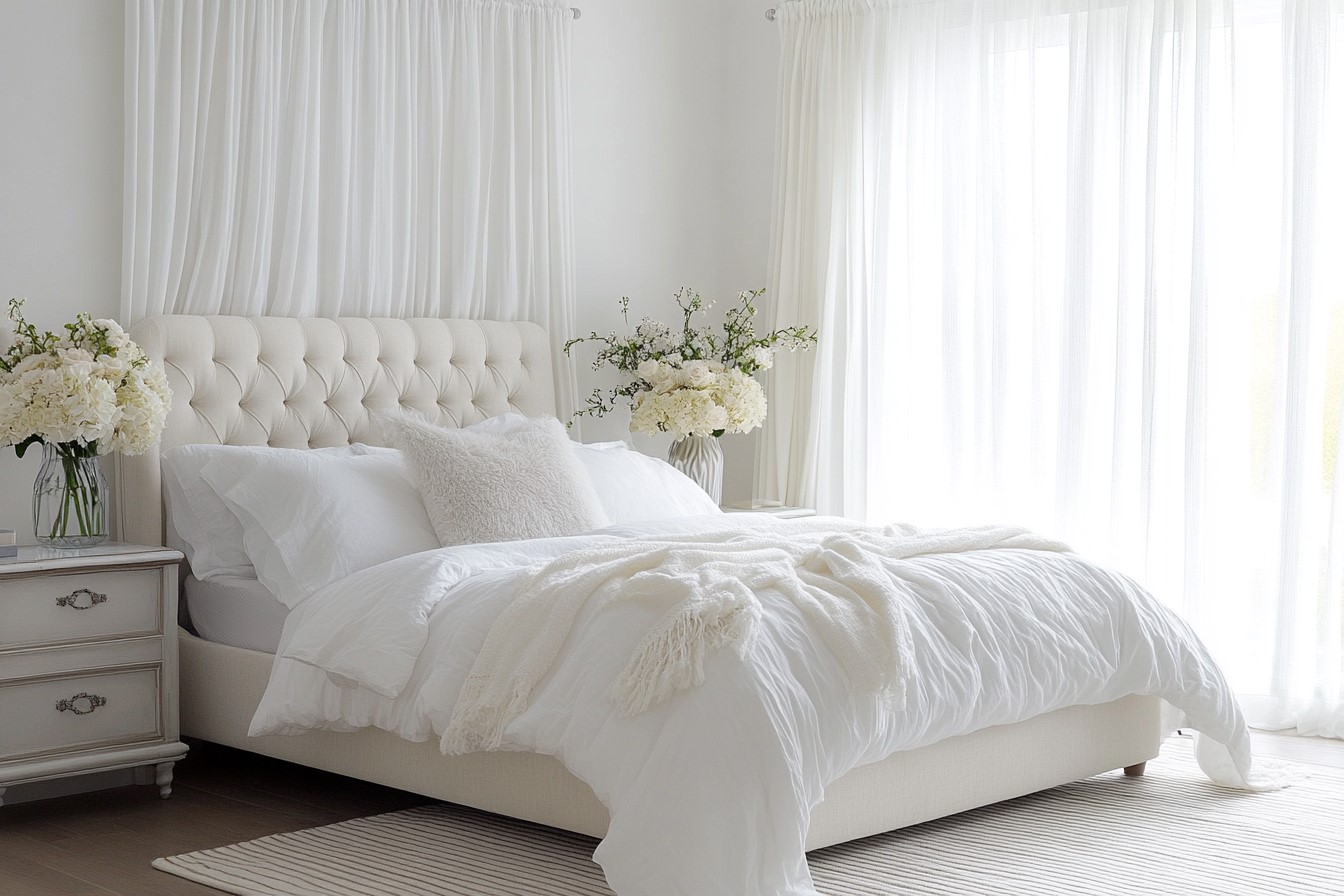
As someone who has seen how different tastes come together in shared spaces, a couple’s bedroom often becomes not just a place to rest.
At first, it can seem tricky to blend two styles into one room. I admit, it is easy to overthink the process when starting out.
Once a few key choices come into play, everything begins to connect naturally.
These bedroom decor ideas for couples take you through simple ways to shape a bedroom that brings comfort, personality, and balance into a shared space.
Bedroom Ideas for Couples
White Bedroom Décor
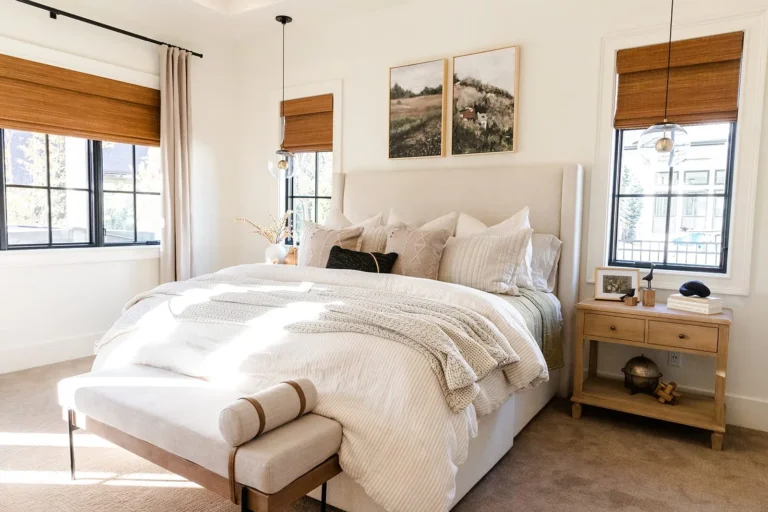
A white-based bedroom creates a calm foundation that works well for shared spaces. It gives both partners room to bring in their own preferences without clashing styles taking over.
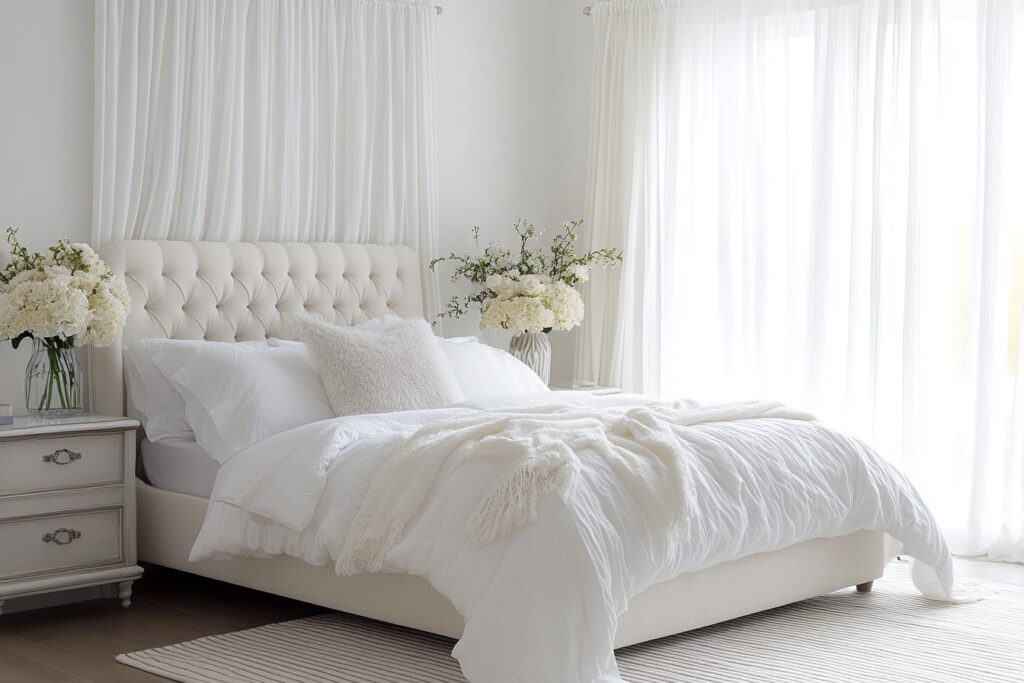
White walls, bedding, and soft furnishings set a clean backdrop that can shift easily with small decorative changes over time.
To keep the space from appearing flat, texture becomes important. Linen sheets, knitted throws, and layered cushions add variation across the room.
Wood accents or soft metallic finishes can introduce warmth and prevent the setting from looking too stark.
Lighting also plays a role in shaping the atmosphere. Warm bulbs, bedside lamps, or even subtle wall sconces help soften the overall tone and bring balance to the white palette.
Artwork or framed photos can add personality without disrupting the simplicity of the design. Keeping frames consistent helps maintain visual order.
Avoid This: Avoid using only glossy white surfaces, as they can make the room appear cold and uninviting.
Choose Neutral Wall Paint
Neutral wall paint creates a steady base for a couple’s bedroom, giving flexibility when selecting furniture and décor.
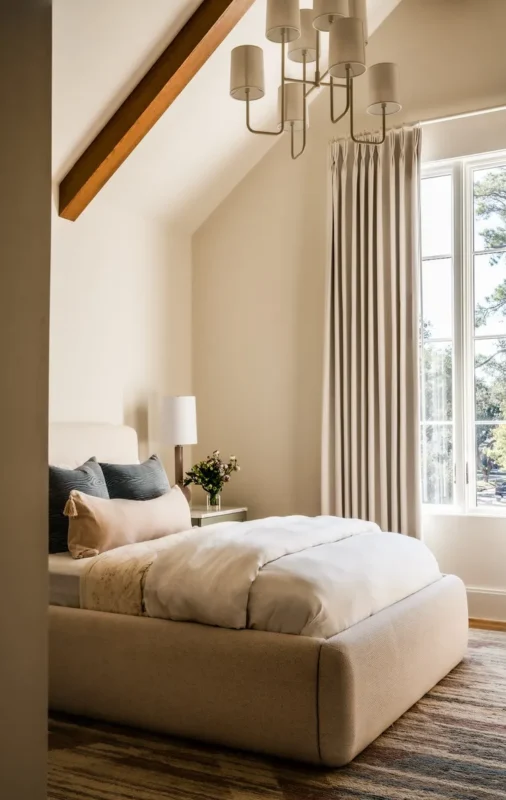
Shades like soft beige, warm taupe, or muted greige allow both partners to bring in different style preferences without visual conflict.
This type of backdrop works well with a variety of materials. Wood furniture, fabric headboards, and metal accents all sit comfortably against neutral tones.
The room can evolve over time since accessories and textiles can be changed without needing a full repaint.
Layering becomes important in this setting. Bedding, rugs, and curtains in slightly different tones can introduce variation while staying within the same palette family. This keeps the room visually interesting.
Natural light also interacts well with neutral paint, highlighting subtle undertones throughout the day.
Avoid This: Avoid pairing neutral walls with furniture in too many competing shades, as it can break visual consistency.
Style Mismatched Nightstands
Mismatched nightstands can bring personality into a couple’s bedroom while still keeping things balanced.
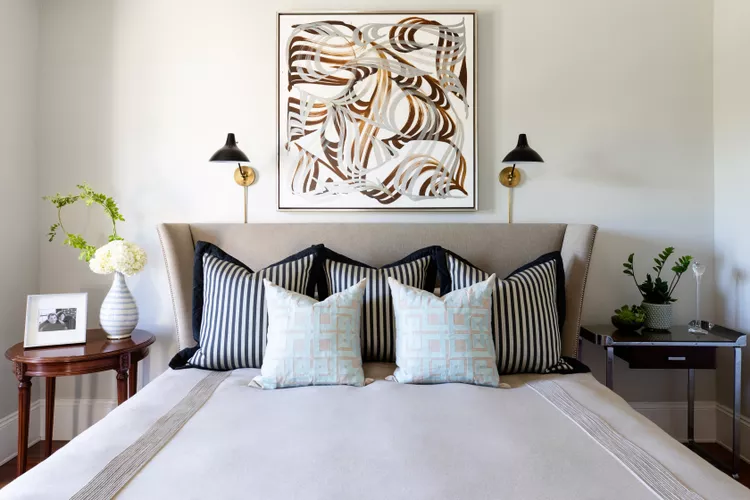
Instead of identical pieces on both sides of the bed, each person can choose a nightstand that suits their needs and style.
One side might feature a wooden table with drawers, while the other could use a slim metal frame or even a floating shelf.
The key is maintaining a shared visual link, such as similar height, color tone, or material accents.
This approach introduces variety without losing cohesion. It also allows each side of the bed to function differently based on individual habits, whether that involves storage.
To tie the look together, matching lamps or coordinated décor pieces can be used on top of each nightstand.
Avoid This: Avoid selecting pieces that differ too much in scale, as uneven proportions can disrupt the balance of the room.
Create Perfect Symmetry in the Bedroom
Symmetry brings structure to a couple’s bedroom and helps both sides of the space feel evenly balanced.
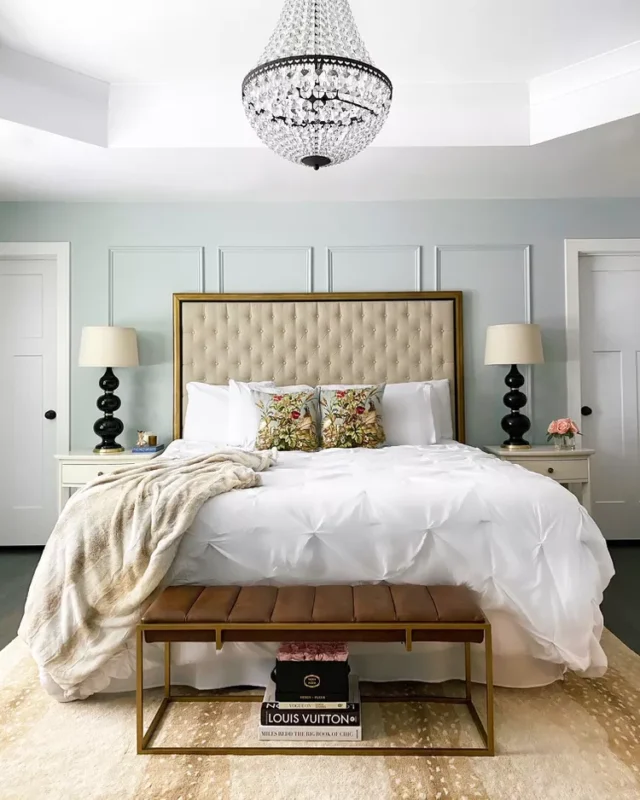
Placing identical nightstands, lamps, and décor on either side of the bed creates a clear visual order.
This layout works especially well in shared rooms where consistency helps unify different preferences.
A centered bed frame becomes the anchor, with matching elements extending outward on both sides.
Textiles also play a role. Coordinated bedding and evenly placed cushions reinforce the mirrored setup. Even wall décor, such as paired artwork or matching frames, can strengthen the effect.
Lighting should follow the same approach, with identical fixtures placed at equal heights.
This arrangement creates a sense of structure that keeps the room organized and visually steady.
Avoid This: Avoid breaking symmetry with one oversized or heavily styled item on one side, as it disrupts balance.
Grey-Toned Bedroom Theme for Couples
A grey-toned bedroom offers a flexible base for couples with different style preferences.
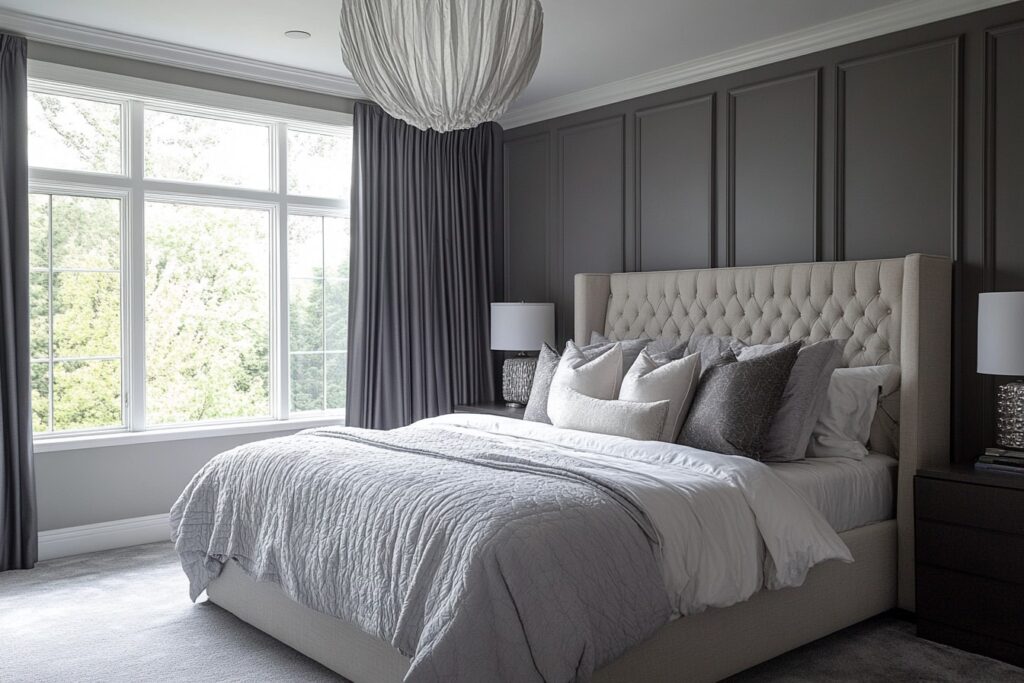
Light grey walls or deeper charcoal accents can set the tone, depending on the mood the space is meant to carry.
Layering different shades of grey helps avoid a flat appearance. Bedding, curtains, and rugs in varying tones create depth.
Soft textures like velvet, cotton, or wool introduce variation without changing the color direction.
Wood or matte black accents can bring contrast and prevent the room from feeling overly monochrome. These details also help define furniture pieces within the space.
Lighting should be warm to offset the cooler undertones of grey, creating a more balanced environment.
Avoid This: Avoid relying on a single shade of grey across all elements, as it can make the space appear visually static.
Design a Storage Bed Nook
A storage bed nook works well for couples who want a bedroom that stays organized without relying on bulky furniture.
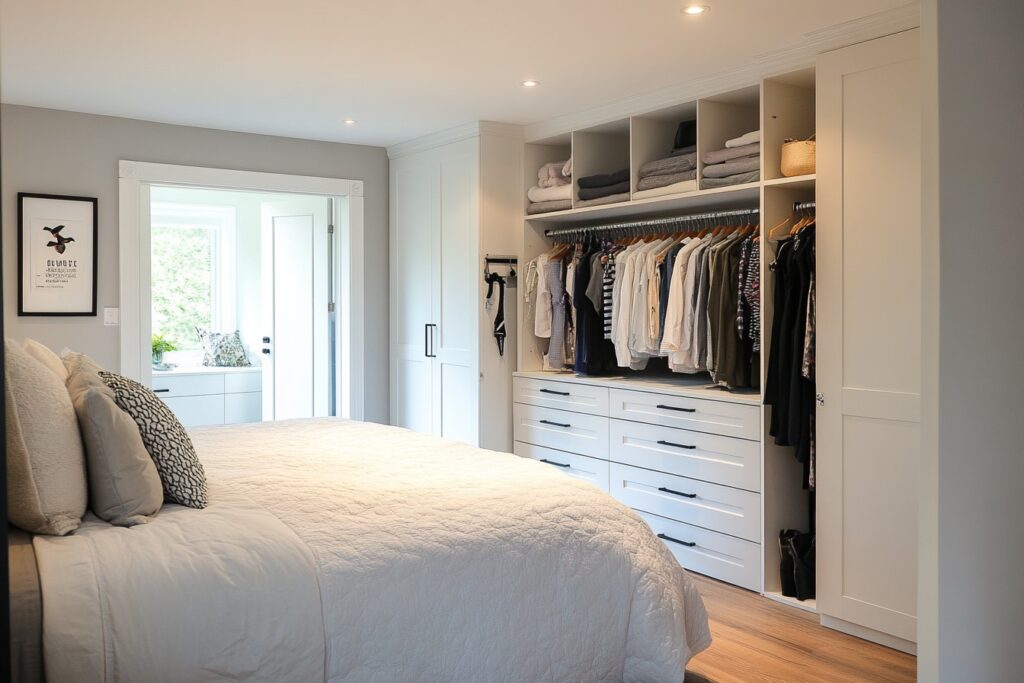
The bed becomes part of a built-in style setup, often framed by shelving, drawers, or alcoves that use the surrounding wall space.
This design helps keep everyday items close at hand while freeing up the rest of the room. Under-bed drawers can hold extra bedding, seasonal clothing, or personal items.
Side niches can replace traditional nightstands, offering space for books, lamps, or décor.
Wood paneling or soft upholstery around the bed area can make the nook look more intentional and connected to the room design. Keeping finishes consistent helps the space appear coordinated.
Lighting placed within or around the nook can also improve function and highlight the structure. Wall-mounted fixtures or small recessed lights work especially well here.
Avoid This: Avoid overloading the nook with too many storage compartments, as it can make the sleeping area look tight and visually heavy.
Combine Various Lighting Sources
Layered lighting brings flexibility into a couple’s bedroom, allowing the mood to shift depending on the time of day. Combining different light sources creates a more practical setup.

Bedside lamps offer focused light for reading or winding down. Wall sconces can free up surface space while adding a decorative element.
Overhead lighting provides general brightness when needed, while accent lights can highlight artwork or architectural features.
Each light source serves a different purpose, which helps the room adapt to different routines.
Warm-toned bulbs work especially well in shared spaces, softening the overall tone.
Placement should be considered carefully so that light is distributed evenly across the room. Switching between sources allows both partners to control the atmosphere based on preference.
Avoid This: Avoid relying only on one central ceiling light, as it can create harsh shadows and limit flexibility in the space.
Build in Extra Storage
Extra storage is essential in a couple’s bedroom, especially when two sets of belongings share one space. Built-in storage helps keep things organized while maintaining a clean layout.
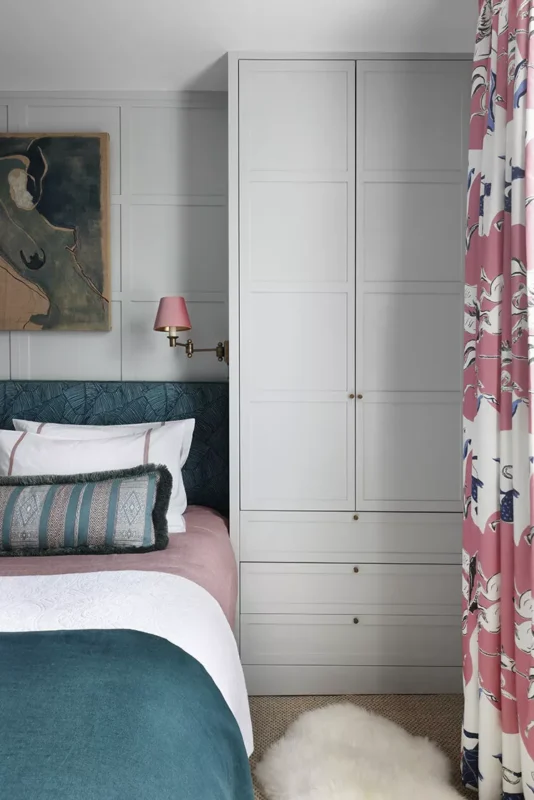
Wardrobes that extend to the ceiling can maximize vertical space. Built-in drawers under the bed or along walls can store clothing, linens, or personal items without taking up additional floor area.
Open shelving can also be used for items that need quick access or decorative pieces that add personality to the room. Keeping a mix of hidden and open storage helps balance function and design.
Using consistent materials and finishes allows the storage units to blend into the room rather than dominate it.
Avoid This: Avoid mixing too many storage styles in one room, as it can create visual inconsistency and reduce cohesion.
Hang Personal Wall Art
Personal wall art brings identity into a couple’s bedroom, turning shared space into something more meaningful.
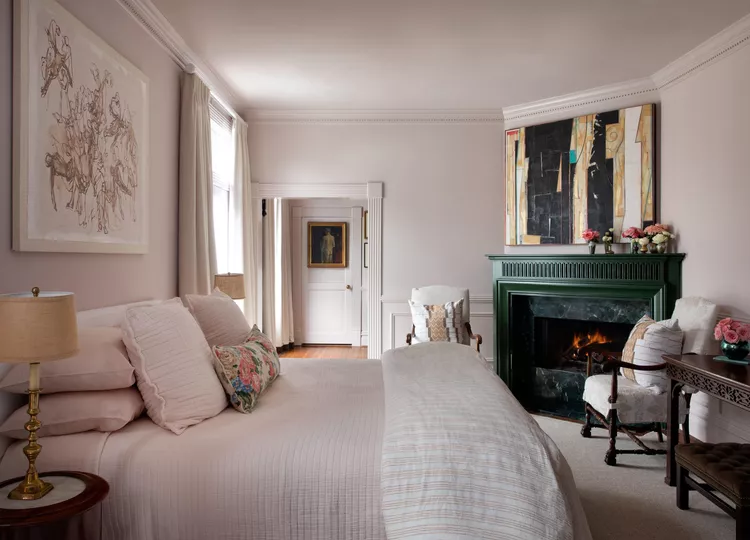
It can include photographs, artwork, or prints that reflect shared memories or individual interests.
A gallery wall above the bed or along a main wall creates a focal point. Keeping frame styles similar helps maintain order, even when the content varies.
Spacing plays an important role. Even gaps between frames help the arrangement look intentional rather than scattered. Mixing sizes can add interest when balanced carefully.
Artwork can also be used to introduce subtle color into the room, connecting with bedding or décor accents.
This approach allows both partners to contribute visually to the space.
Avoid This: Avoid overcrowding the wall with too many pieces, as it can reduce clarity and overwhelm the arrangement.
Decorate With Plants
Plants add life and softness to a couple’s bedroom while blending easily with different design styles.
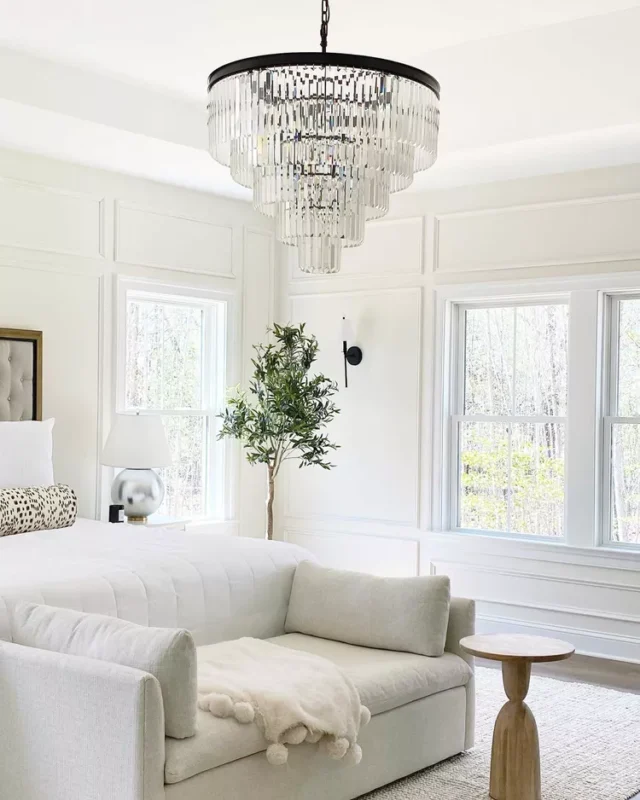
They not only introduce natural color but also help break up neutral tones often used in shared spaces.
Tall plants can be placed in corners to fill empty areas, while smaller plants work well on shelves, dressers, or bedside tables. Hanging plants can also introduce movement at different heights in the room.
Choosing a variety of leaf shapes adds visual interest without relying on bright colors. Simple pots in neutral or earthy tones help maintain consistency across the space.
Plants also interact well with natural light, changing appearance throughout the day as light shifts across the room.
Avoid This: Avoid placing too many plants in one area, as it can create imbalance and reduce breathing space within the layout.
Add Warmth with a Cozy Bedroom Rug
A well-chosen rug can shift the entire atmosphere of a couple’s bedroom by bringing softness underfoot and tying the layout together.
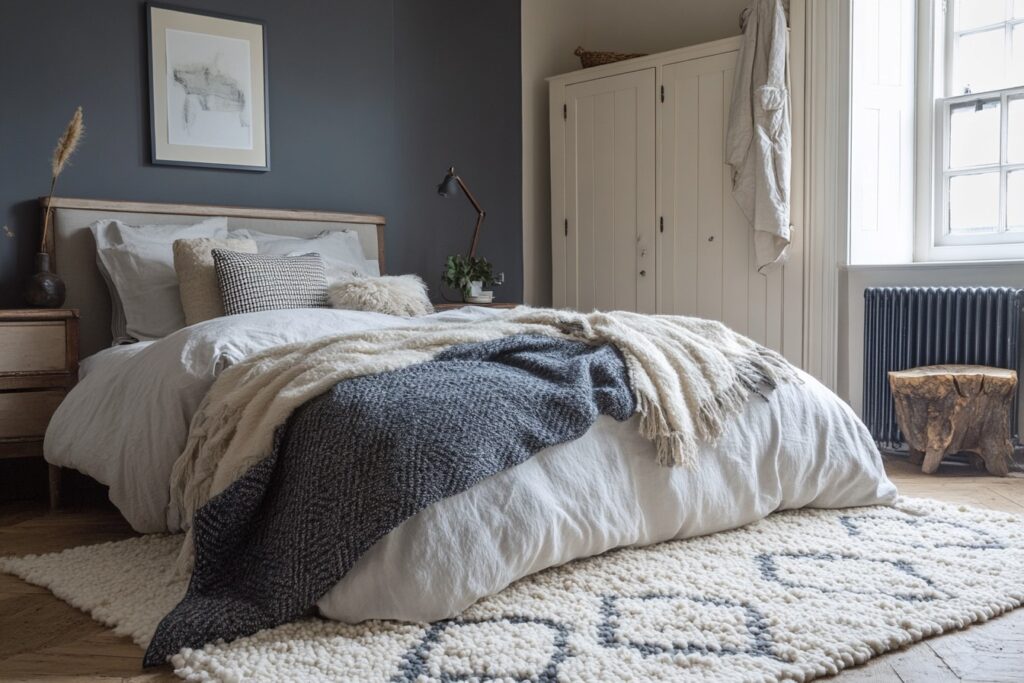
It often acts as the quiet base that connects the bed, nightstands, and surrounding décor into one visual area.
Size plays a big role here. A rug that extends beyond the sides of the bed helps define the sleeping zone and gives the room clearer structure.
Smaller rugs can still work, but they should be placed with intention so they do not appear disconnected from the furniture.
Texture adds another layer of interest. Wool, shag, or woven designs introduce variation that balances smoother surfaces like wood or metal.
Color choice can either echo the room palette or introduce a gentle contrast that still stays grounded.
Placement also matters when sharing space. Aligning the rug evenly with the bed keeps the layout steady and visually clear.
Avoid This: Avoid using rugs that are too small for the bed area, as they can make the room look fragmented.
Include the TV in the Bedroom Design
Adding a TV to a couple’s bedroom requires thoughtful placement so it fits naturally into the overall layout. When positioned correctly, it can blend into the space.
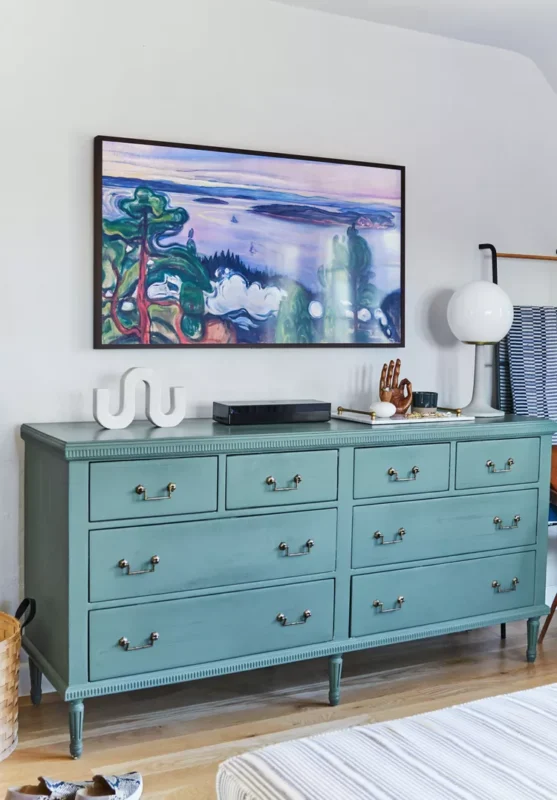
Wall mounting is often the most efficient option. It frees up surface space and keeps the viewing area aligned with the bed.
Placing it directly opposite the bed creates a straightforward viewing setup that works well for shared routines.
To maintain balance, the surrounding wall can be kept simple. A clean backdrop allows the screen to sit naturally within the room instead of drawing too much attention.
Concealed wiring or built-in units can help maintain a tidy appearance. A media console below the screen can also provide storage while grounding the setup.
This approach keeps functionality in mind while still respecting the room’s design.
Avoid This: Avoid placing the TV at an awkward angle or too high on the wall, as it can strain viewing comfort and disrupt room proportions.